Jiangsu Collaborative Innovation Center of Meat Production and Processing, Quality and Safety Control, College of Food Science and Technology, Nanjing Agricultural University, Nanjing 210095, China.
Int J Mol Sci. 2022 Jun 2;23(11):6231. doi: 10.3390/ijms23116231.
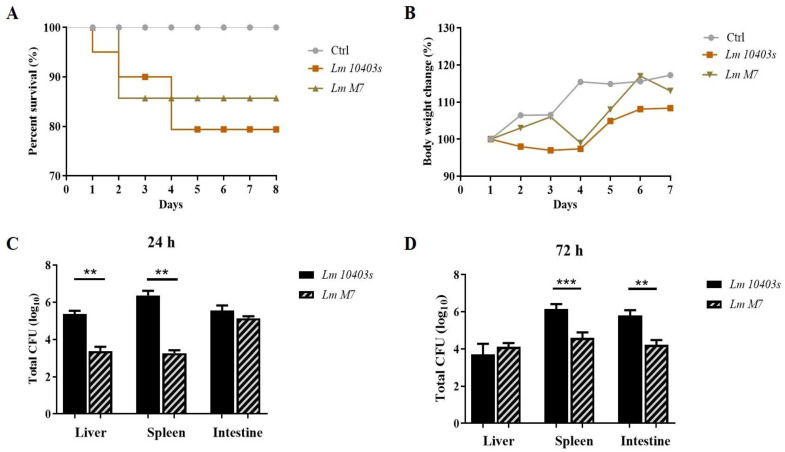
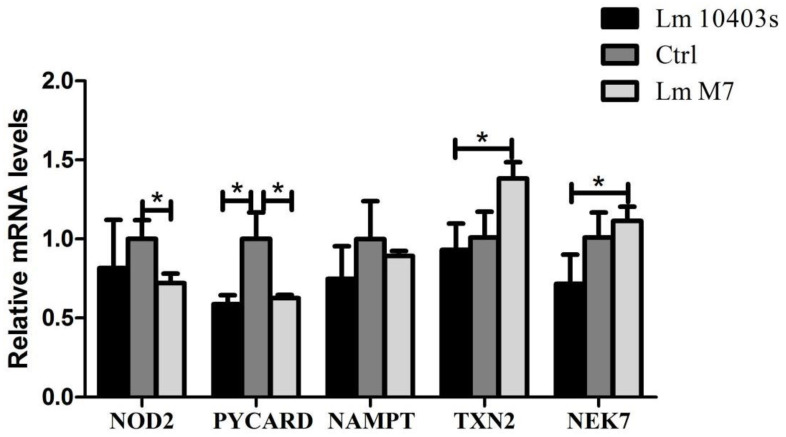
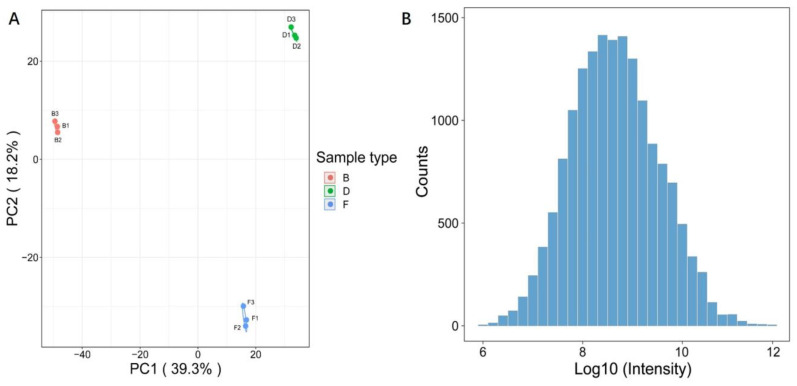
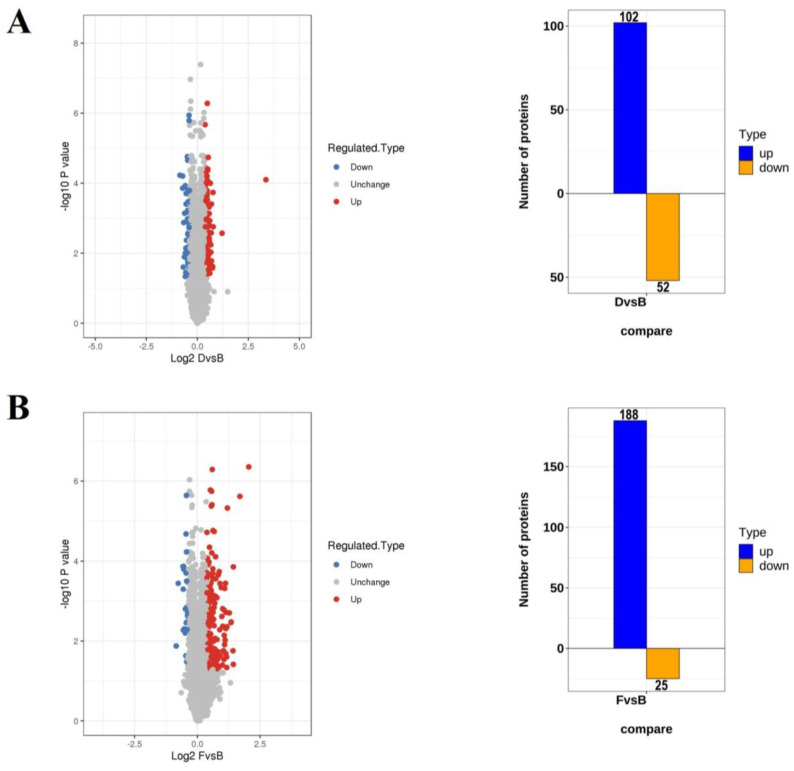
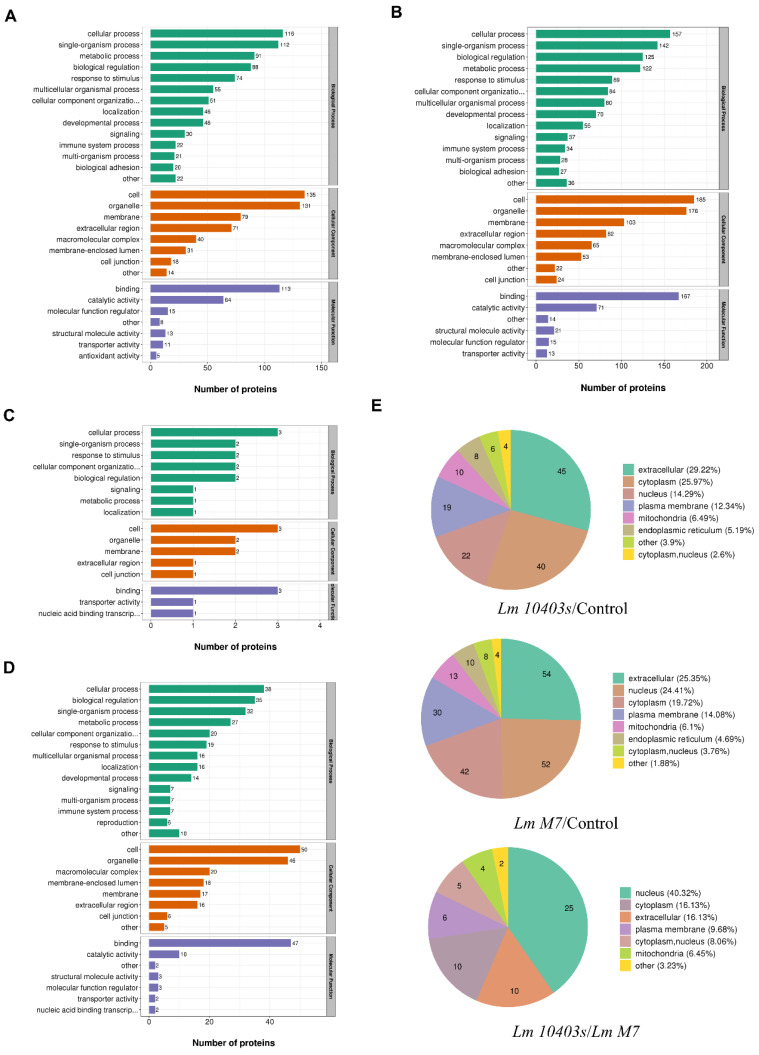
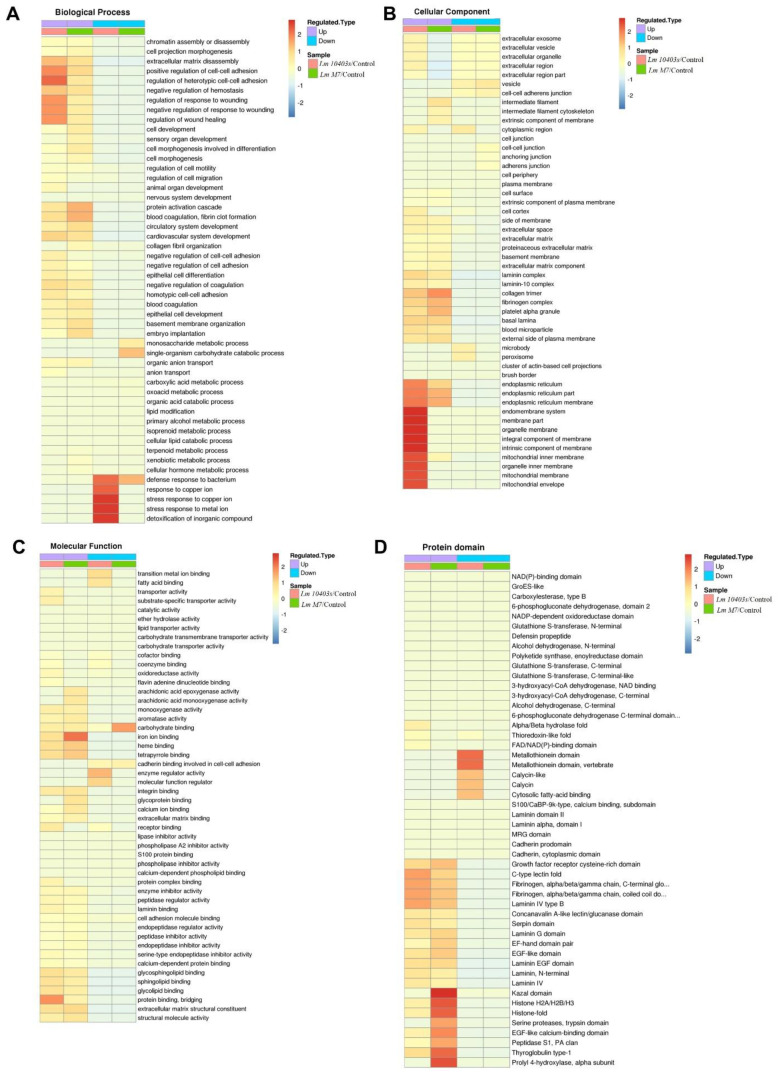
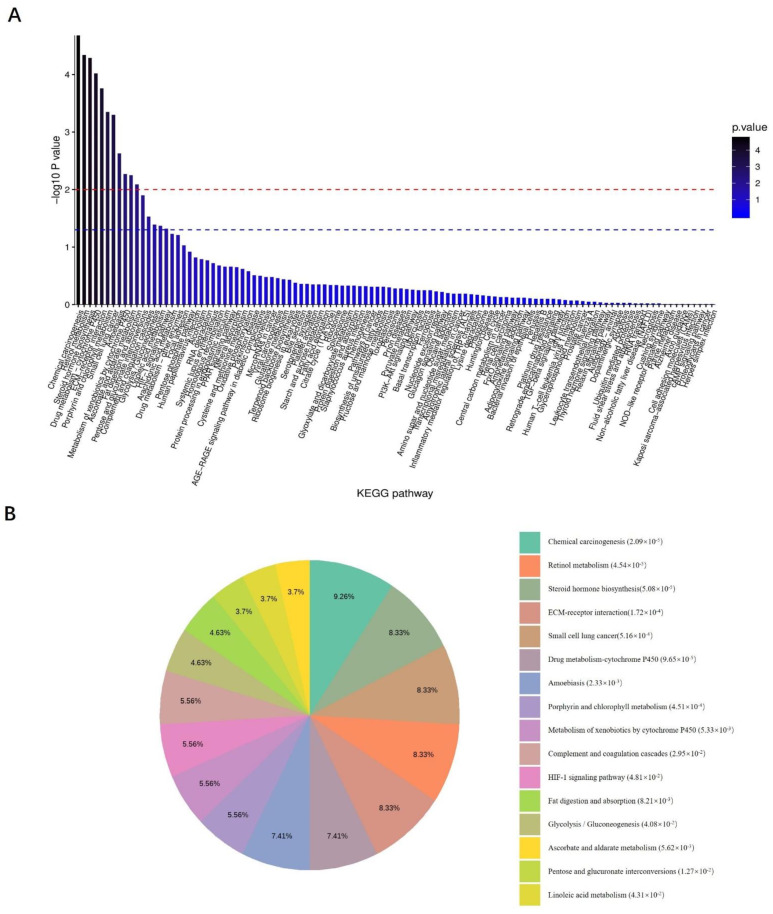
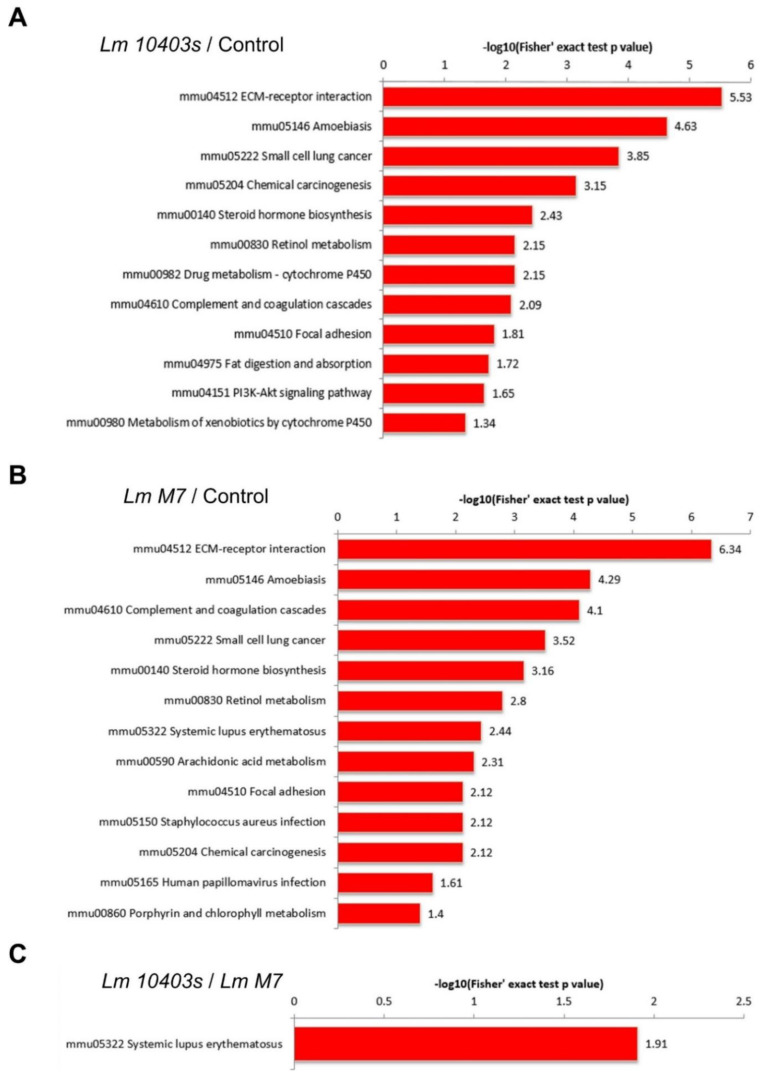
L. monocytogenes, consisting of 13 serotypes, is an opportunistic food-borne pathogen that causes different host reactions depending on its serotypes. In this study, highly toxic L. monocytogenes 10403s resulted in more severe infections and lower survival rates. Additionally, to investigate the remodeling of the host proteome by strains exhibiting differential toxicity, the cellular protein responses of intestinal organoids were analyzed using tandem mass tag (TMT) labeling and high-performance liquid chromatography−mass spectrometry. The virulent strain 10403s caused 102 up-regulated and 52 down-regulated proteins, while the low virulent strain M7 caused 188 up-regulated and 25 down-regulated proteins. Based on the analysis of gene ontology (GO) and KEGG databases, the expressions of differential proteins in organoids infected by L. monocytogenes 10403s (virulent strain) or M7 (low virulent strain) were involved in regulating essential processes such as the biological metabolism, the energy metabolism, and immune system processes. The results showed that the immune system process, as the primary host defense response to L. monocytogenes, comprised five pathways, including ECM−receptor interaction, the complement and coagulation cascades, HIF-1, ferroptosis, and NOD-like receptor signaling pathways. As for the L. monocytogenes 10403s vs. M7 group, the expression of differential proteins was involved in two pathways: systemic lupus erythematosus and transcriptional mis-regulation in cancer. All in all, these results revealed that L. monocytogenes strains with different toxicity induced similar biological functions and immune responses while having different regulations on differential proteins in the pathway.
单核细胞增生李斯特菌由 13 种血清型组成,是一种机会性食源性病原体,根据其血清型的不同,会引起不同的宿主反应。在本研究中,高毒性单核细胞增生李斯特菌 10403s 导致更严重的感染和更低的存活率。此外,为了研究表现出不同毒性的菌株对宿主蛋白质组的重塑,使用串联质量标签 (TMT) 标记和高效液相色谱-质谱联用技术分析了肠道类器官的细胞蛋白质反应。毒性菌株 10403s 引起 102 个上调和 52 个下调蛋白,而低毒性菌株 M7 引起 188 个上调和 25 个下调蛋白。基于基因本体 (GO) 和 KEGG 数据库的分析,感染单核细胞增生李斯特菌 10403s(毒性菌株)或 M7(低毒性菌株)的类器官中差异蛋白的表达涉及调节生物代谢、能量代谢和免疫系统过程等基本过程。结果表明,免疫系统过程作为宿主对单核细胞增生李斯特菌的主要防御反应,包括 5 条途径,包括 ECM-受体相互作用、补体和凝血级联、HIF-1、铁死亡和 NOD 样受体信号通路。对于单核细胞增生李斯特菌 10403s 与 M7 组,差异蛋白的表达涉及两条途径:系统性红斑狼疮和癌症转录失调。总之,这些结果表明,不同毒性的单核细胞增生李斯特菌菌株在诱导相似的生物学功能和免疫反应的同时,对通路中的差异蛋白有不同的调控作用。