Department of Animal Physiology, Faculty of Veterinary Medicine, University of Agricultural Sciences and Veterinary Medicine Cluj-Napoca, 400372 Cluj-Napoca, Romania.
Department of Infectious Diseases, Faculty of Veterinary Medicine, University of Agricultural Sciences and Veterinary Medicine Cluj-Napoca, 400372 Cluj-Napoca, Romania.
Molecules. 2022 May 31;27(11):3560. doi: 10.3390/molecules27113560.
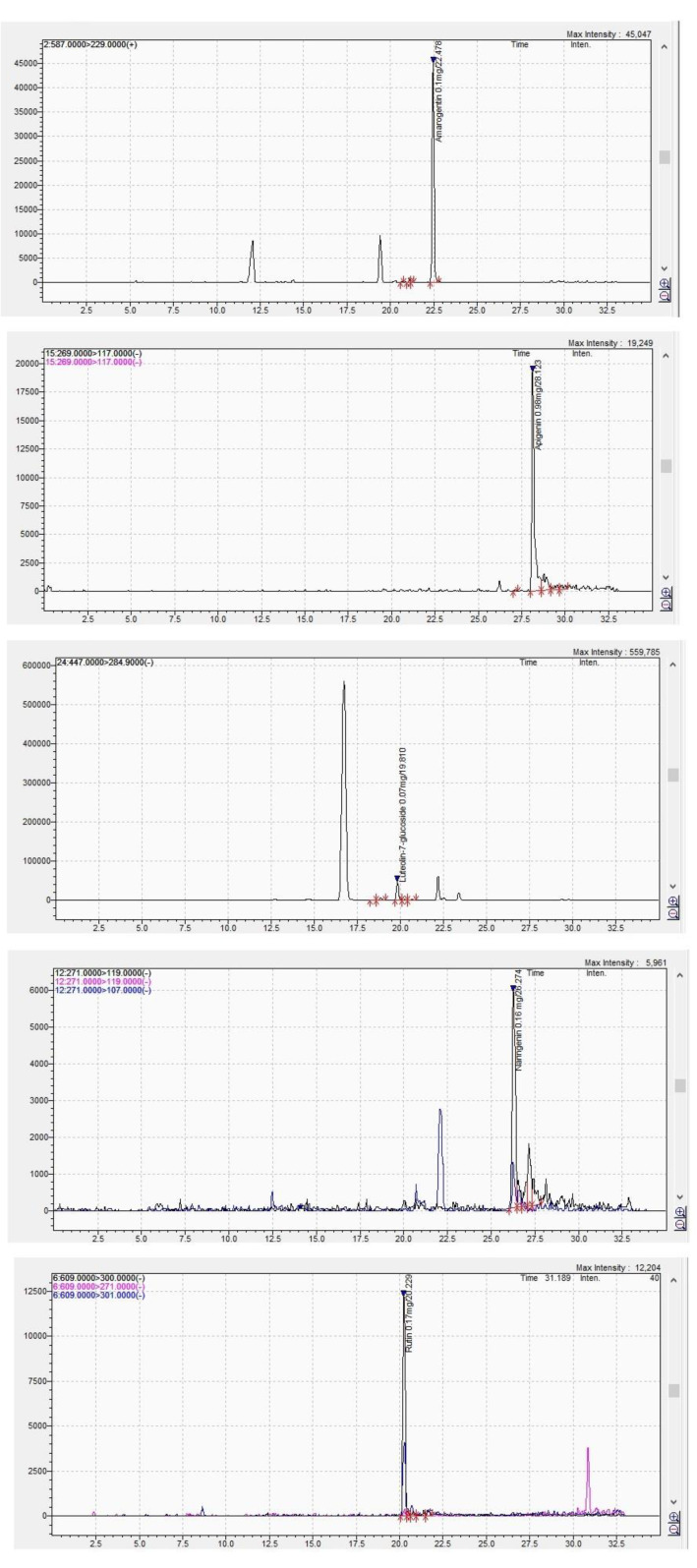
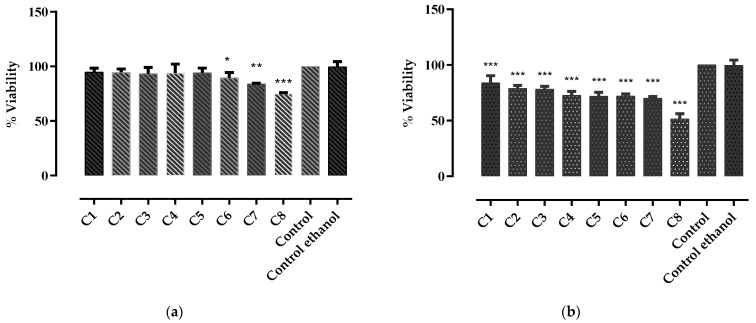
This study aimed to investigate the antioxidant, antimicrobial, and cytotoxic potential of ethanolic extracts obtained from Gentiana asclepiadea L. and Inula helenium L. roots, in relation to their chemical composition. The total polyphenols, flavonoids, and phenolic acids were determined by spectrophotometric methods, while LC-MS analysis was used to evaluate the individual constituents. The antioxidant properties were tested using the FRAP and DPPH methods. The standard well diffusion and broth microdilution assays were carried out to establish in vitro antimicrobial efficacy and minimum inhibitory and bactericidal concentrations. The cytotoxicity was tested on rat intestinal epithelial cells using the MTT assay. The results pointed out important constituents such as secoiridoid glycoside (amarogentin), phenolic acids (caffeic acid, chlorogenic acid, trans-p-coumaric acid, salicylic acid), and flavonoids (apigenin, chrysin, luteolin, luteolin-7-O-glucoside, quercetin, rutoside, and naringenin) and promising antioxidant properties. The in vitro antimicrobial effect was noticed towards several pathogens (Bacillus cereus > Staphylococcus aureus > Enterococcus faecalis > Salmonella typhimurium and Salmonella enteritidis > Escherichia coli), with a pronounced bactericidal activity. Rat intestinal epithelial cell viability was not affected by the selected concentrations of these two extracts. These data support the ethnomedicinal recommendations of these species and highlight them as valuable sources of bioactive compounds.
本研究旨在探讨獐牙菜和土木香根的乙醇提取物的抗氧化、抗菌和细胞毒性潜力与其化学成分的关系。采用分光光度法测定总多酚、类黄酮和酚酸含量,采用 LC-MS 分析评估各成分。采用 FRAP 和 DPPH 法测定抗氧化性能。采用标准孔扩散法和肉汤微量稀释法测定体外抗菌效果和最小抑菌浓度及杀菌浓度。采用 MTT 法测定大鼠肠上皮细胞的细胞毒性。结果表明,獐牙菜苦苷(amarogentin)、酚酸(咖啡酸、绿原酸、反式对香豆酸、水杨酸)和类黄酮(芹菜素、白杨素、木樨草素、木樨草素-7-O-葡萄糖苷、槲皮素、芦丁和橙皮苷)等重要成分具有良好的抗氧化性能。体外抗菌效果显著,对多种病原体(蜡样芽孢杆菌>金黄色葡萄球菌>粪肠球菌>鼠伤寒沙门氏菌和肠炎沙门氏菌>大肠杆菌)均有作用,且具有明显的杀菌活性。所选浓度的这两种提取物对大鼠肠上皮细胞的存活率没有影响。这些数据支持这些物种的民族医学推荐,并强调它们是有价值的生物活性化合物来源。