State Key Laboratory of Subtropical Silviculture, Zhejiang A&F University, Lin'an, Hangzhou 311300, Zhejiang, China; Co-Innovation Center for Sustainable Forestry in Southern China, Nanjing Forestry University, Nanjing 210037, Jiangsu, China; Bamboo Research Institute, Nanjing Forestry University, Nanjing 210037, Jiangsu, China.
State Key Laboratory of Subtropical Silviculture, Zhejiang A&F University, Lin'an, Hangzhou 311300, Zhejiang, China.
J Adv Res. 2022 Dec;42:99-116. doi: 10.1016/j.jare.2022.04.007. Epub 2022 Apr 28.
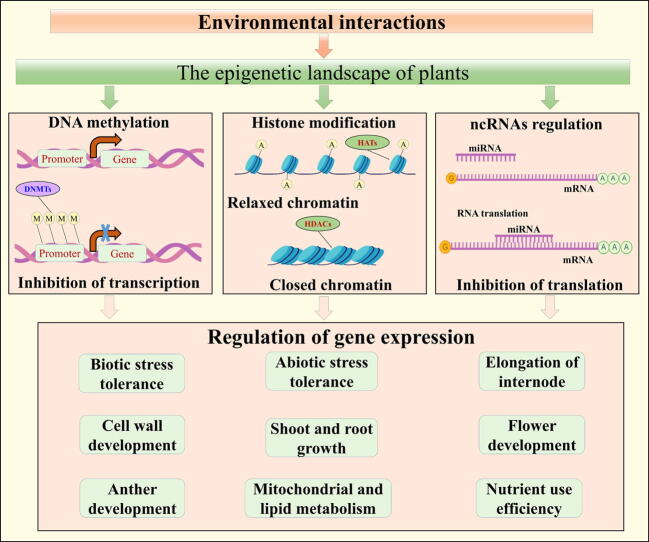
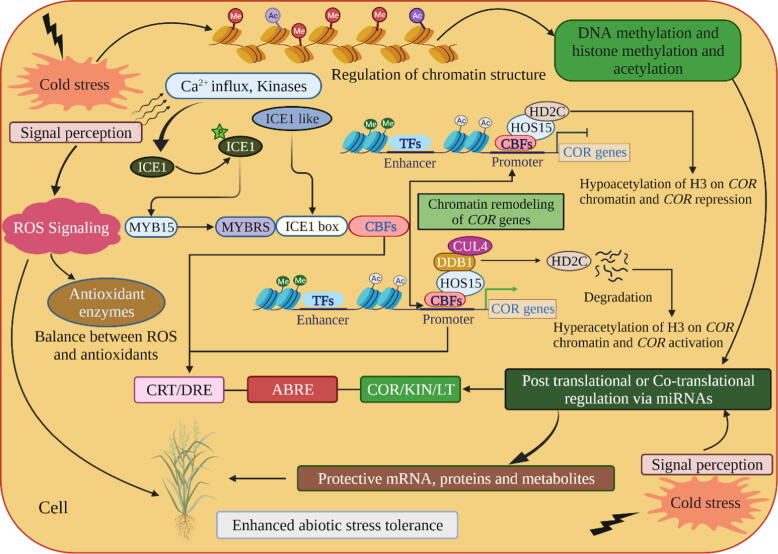
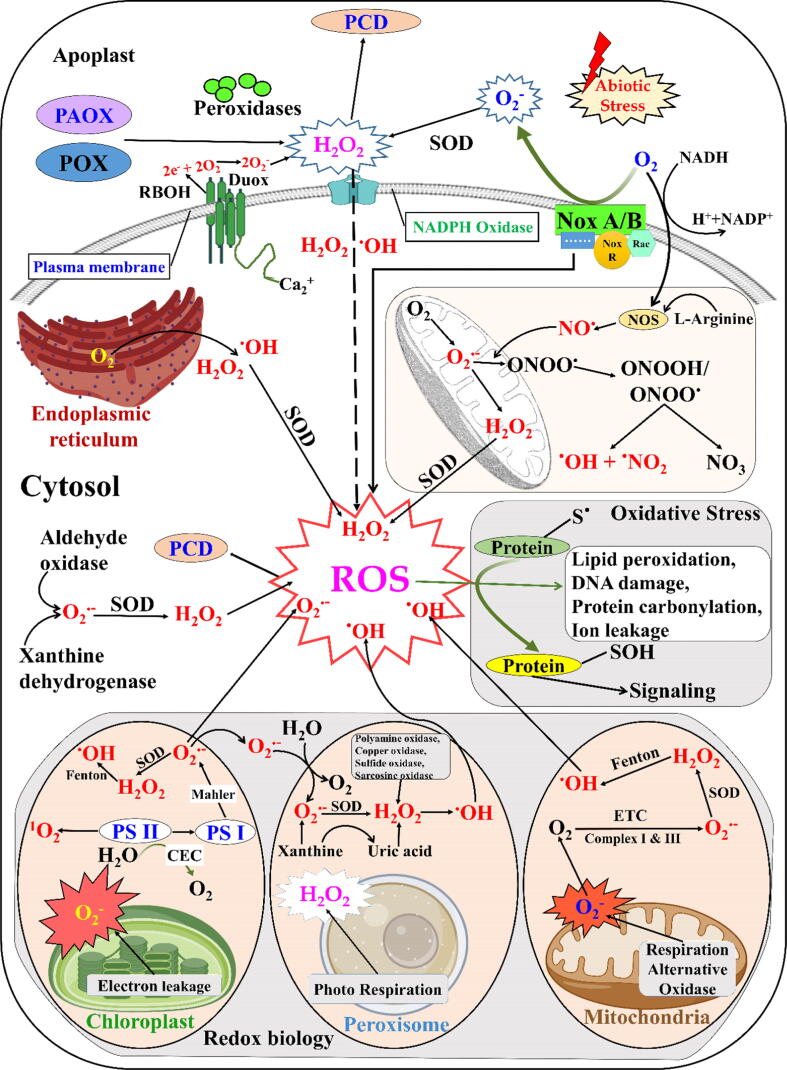
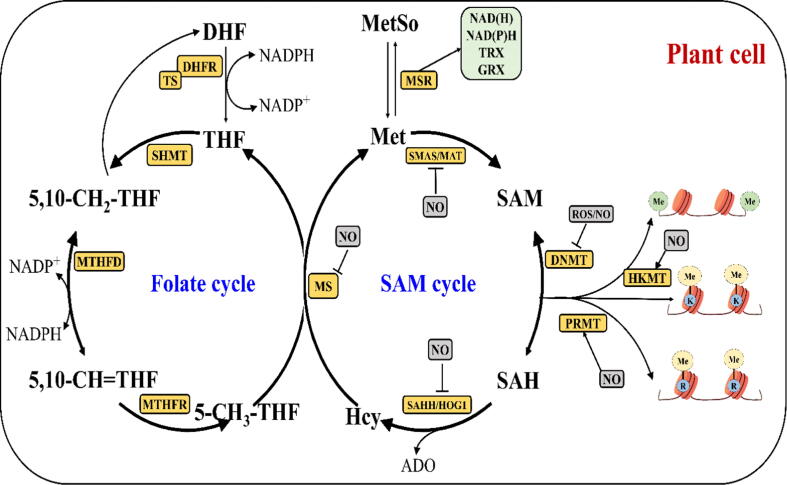
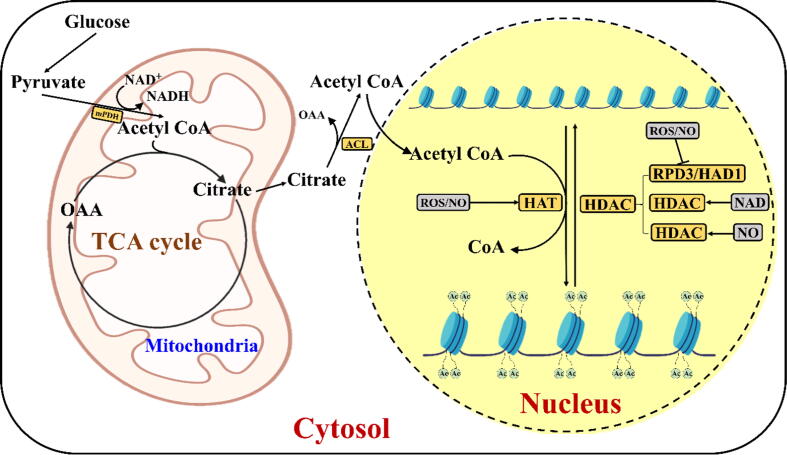
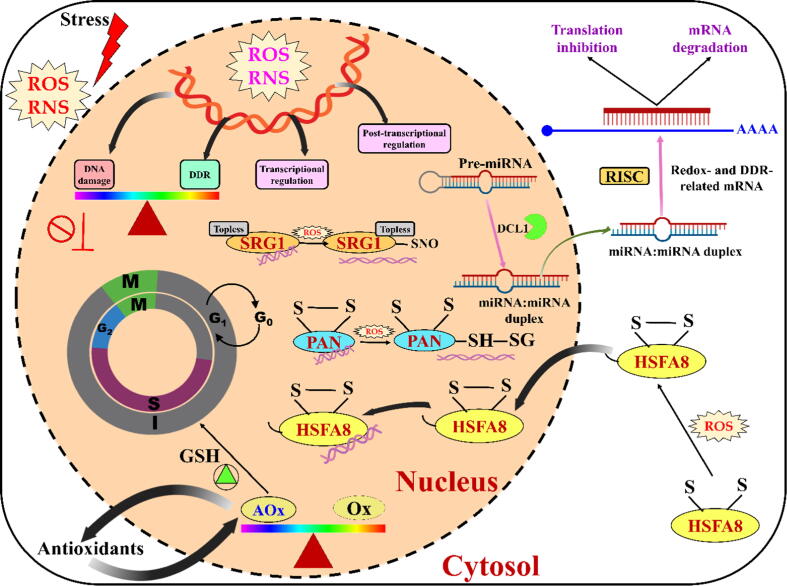
The oxidation-reduction (redox) status of the cell influences or regulates transcription factors and enzymes involved in epigenetic changes, such as DNA methylation, histone protein modifications, and chromatin structure and remodeling. These changes are crucial regulators of chromatin architecture, leading to differential gene expression in eukaryotes. But the cell's redox homeostasis is difficult to sustain since the production of reactive oxygen species (ROS) and reactive nitrogen species (RNS) is not equal in plants at different developmental stages and under abiotic stress conditions. Exceeding optimum ROS and RNS levels leads to oxidative stress and thus alters the redox status of the cell. Consequently, this alteration modulates intracellular epigenetic modifications that either mitigate or mediate the plant growth and stress response.
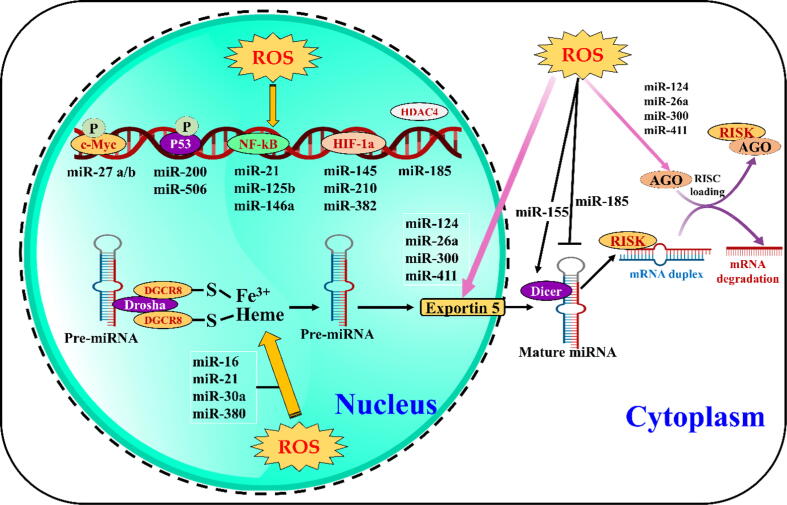
Recent studies suggest that the altered redox status of the cell reform the cellular functions and epigenetic changes. Recent high-throughput techniques have also greatly advanced redox-mediated gene expression discovery, but the integrated view of the redox status, and its associations with epigenetic changes and subsequent gene expression in plants are still scarce. In this review, we accordingly focus on how the redox status of the cell affects epigenetic modifications in plants under abiotic stress conditions and during developmental processes. This is a first comprehensive review on the redox status of the cell covering the redox components and signaling, redox status alters the post-translational modification of proteins, intracellular epigenetic modifications, redox interplay during DNA methylation, redox regulation of histone acetylation and methylation, redox regulation of miRNA biogenesis, redox regulation of chromatin structure and remodeling and conclusion, future perspectives and biotechnological opportunities for the future development of the plants.
The interaction of redox mediators such as ROS, RNS and antioxidants regulates redox homeostasis and redox-mediated epigenetic changes. We discuss how redox mediators modulate epigenetic changes and show the opportunities for smart use of the redox status of the cell in plant development and abiotic stress adaptation. However, how a redox mediator triggers epigenetic modification without activating other redox mediators remains yet unknown.
细胞的氧化还原(redox)状态会影响或调节参与表观遗传变化的转录因子和酶,例如 DNA 甲基化、组蛋白蛋白修饰以及染色质结构和重塑。这些变化是真核生物中染色质结构差异表达的关键调节因子。但是,由于在不同发育阶段和非生物胁迫条件下,植物中活性氧(ROS)和活性氮(RNS)的产生并不平衡,因此细胞的氧化还原稳态很难维持。ROS 和 RNS 水平超过最佳水平会导致氧化应激,从而改变细胞的氧化还原状态。因此,这种改变会调节细胞内的表观遗传修饰,从而减轻或介导植物的生长和应激反应。
最近的研究表明,细胞氧化还原状态的改变会重塑细胞功能和表观遗传变化。最近的高通量技术也极大地推动了氧化还原介导的基因表达发现,但细胞氧化还原状态及其与植物中表观遗传变化和随后基因表达的关联仍然很少。在这篇综述中,我们因此重点关注细胞氧化还原状态如何在非生物胁迫条件下和发育过程中影响植物的表观遗传修饰。这是第一篇涵盖细胞氧化还原状态的综合综述,涵盖了氧化还原成分和信号、氧化还原状态改变蛋白质的翻译后修饰、细胞内表观遗传修饰、DNA 甲基化过程中的氧化还原相互作用、组蛋白乙酰化和甲基化的氧化还原调节、miRNA 生物发生的氧化还原调节、染色质结构和重塑的氧化还原调节以及结论、未来展望和植物未来发展的生物技术机会。
ROS、RNS 和抗氧化剂等氧化还原调节剂的相互作用调节氧化还原稳态和氧化还原介导的表观遗传变化。我们讨论了氧化还原调节剂如何调节表观遗传变化,并展示了在植物发育和非生物胁迫适应中智能利用细胞氧化还原状态的机会。然而,氧化还原调节剂如何在不激活其他氧化还原调节剂的情况下触发表观遗传修饰仍然未知。