Department of Microbiology and Immunology at the Peter Doherty Institute for Infection and Immunity, University of Melbourne, Melbourne, Australia.
Department of Infectious Diseases, Austin Health, Heidelberg, Australia.
Elife. 2022 Jun 14;11:e77195. doi: 10.7554/eLife.77195.
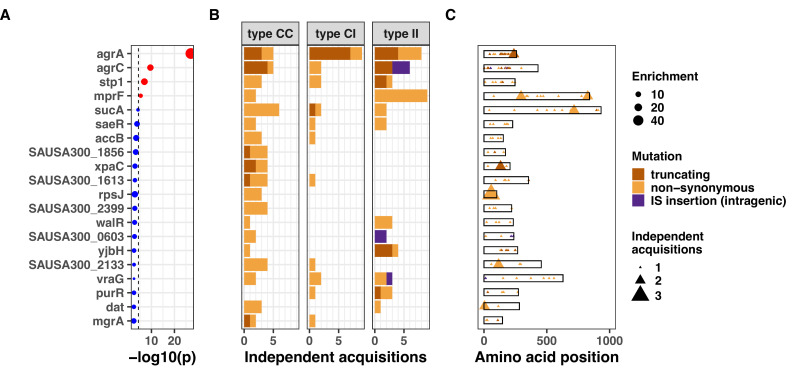
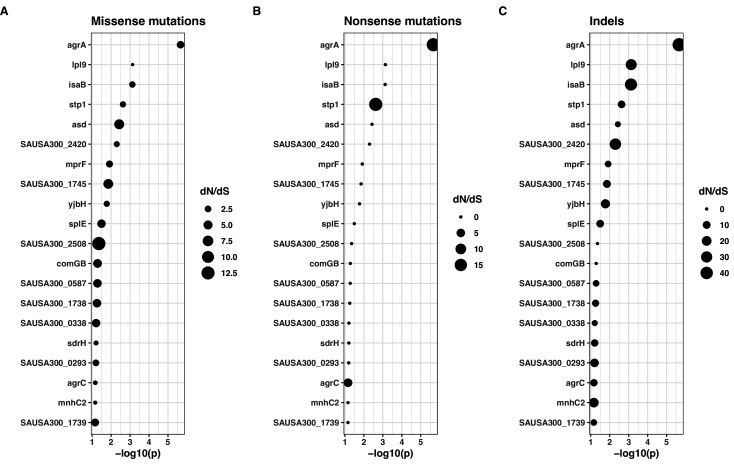
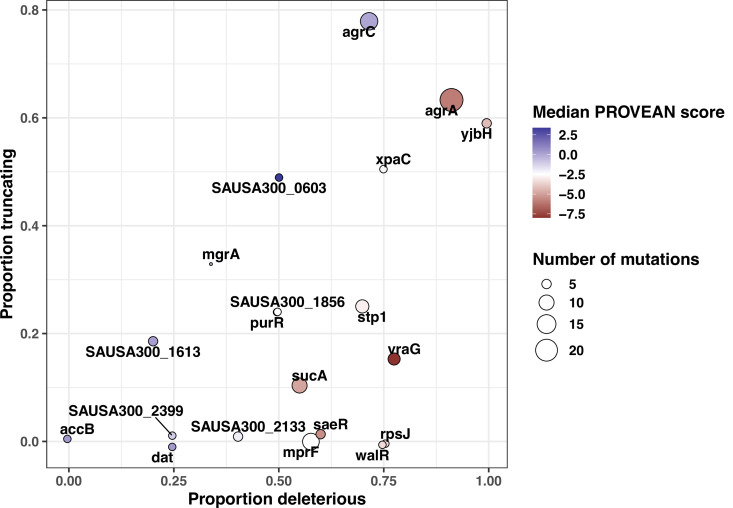
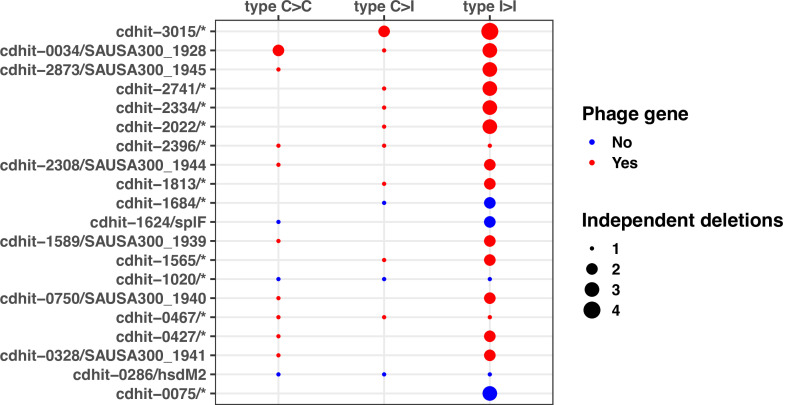
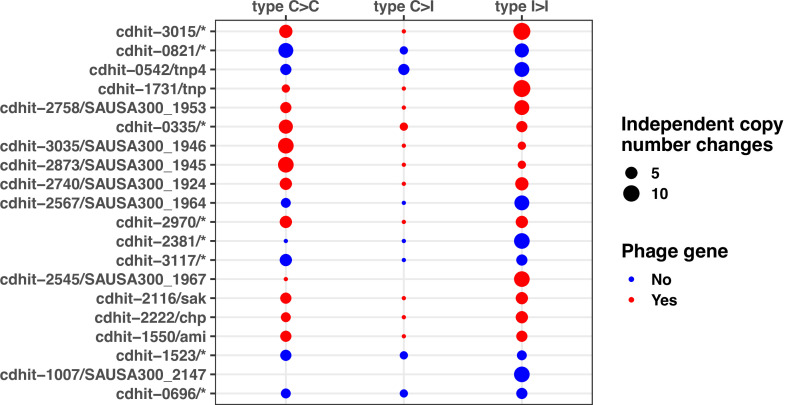
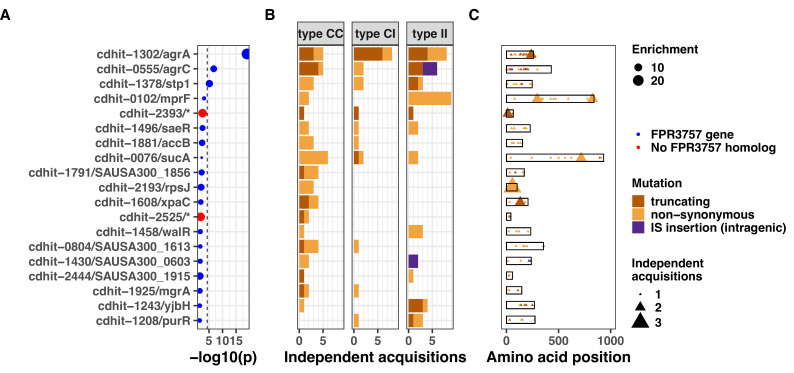
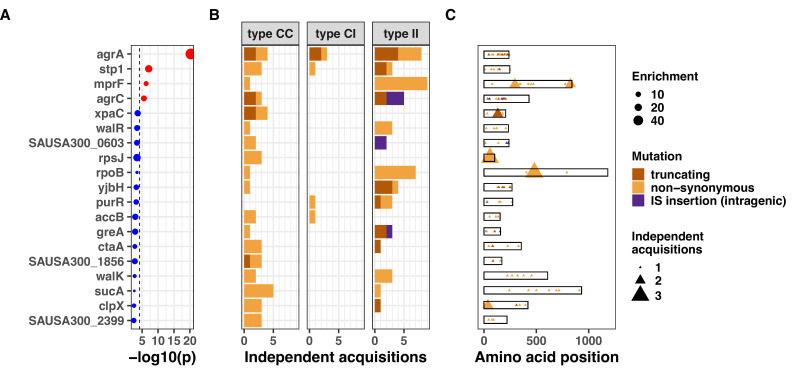
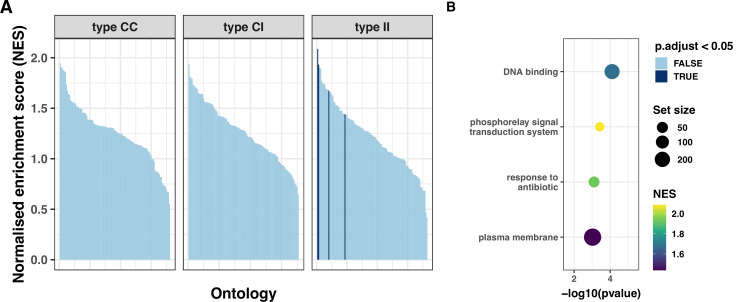
During severe infections, moves from its colonising sites to blood and tissues and is exposed to new selective pressures, thus, potentially driving adaptive evolution. Previous studies have shown the key role of the locus in pathoadaptation; however, a more comprehensive characterisation of genetic signatures of bacterial adaptation may enable prediction of clinical outcomes and reveal new targets for treatment and prevention of these infections. Here, we measured adaptation using within-host evolution analysis of 2590 . genomes from 396 independent episodes of infection. By capturing a comprehensive repertoire of single nucleotide and structural genome variations, we found evidence of a distinctive evolutionary pattern within the infecting populations compared to colonising bacteria. These invasive strains had up to 20-fold enrichments for genome degradation signatures and displayed significantly convergent mutations in a distinctive set of genes, linked to antibiotic response and pathogenesis. In addition to -mediated adaptation, we identified non-canonical, genome-wide significant loci including and . The prevalence of adaptive changes increased with infection extent, emphasising the clinical significance of these signatures. These findings provide a high-resolution picture of the molecular changes when transitions from colonisation to severe infection and may inform correlation of infection outcomes with adaptation signatures.
在严重感染期间,从定植部位转移到血液和组织中,并暴露于新的选择压力下,从而可能推动适应性进化。先前的研究表明了 基因座在 病适应中的关键作用;然而,对细菌适应性的遗传特征进行更全面的描述可能能够预测临床结果,并揭示这些感染的治疗和预防的新靶点。在这里,我们使用 2590 个 基因组的宿主内进化分析来衡量适应度,这些基因组来自 396 个独立的感染事件。通过捕获单核苷酸和结构基因组变异的综合谱,我们发现与定植细菌相比,感染人群中存在独特的进化模式。这些侵袭性菌株在基因组降解特征上的富集高达 20 倍,并在一组独特的与抗生素反应和发病机制相关的基因中显示出明显趋同的突变。除了 介导的适应外,我们还鉴定了非典型的、全基因组显著的基因座,包括 和 。适应性变化的出现频率随着感染程度的增加而增加,强调了这些特征的临床意义。这些发现提供了 从定植到严重感染转变时的分子变化的高分辨率图像,并可能将感染结果与适应特征相关联。