School of Chemistry and Molecular Biosciences, The University of Queensland, Brisbane, Queensland, Australia.
Australian Infectious Diseases Research Centre, The University of Queensland, Brisbane, Queensland, Australia.
PLoS Pathog. 2022 Jun 14;18(6):e1010582. doi: 10.1371/journal.ppat.1010582. eCollection 2022 Jun.
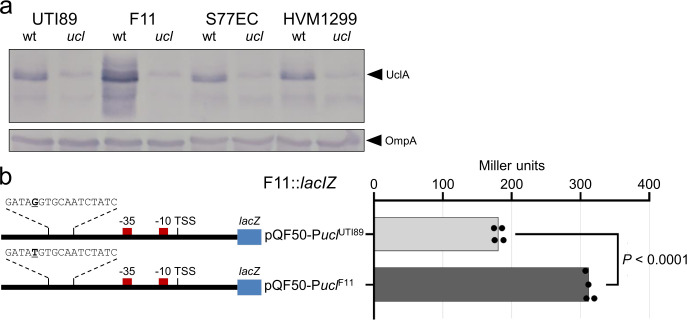
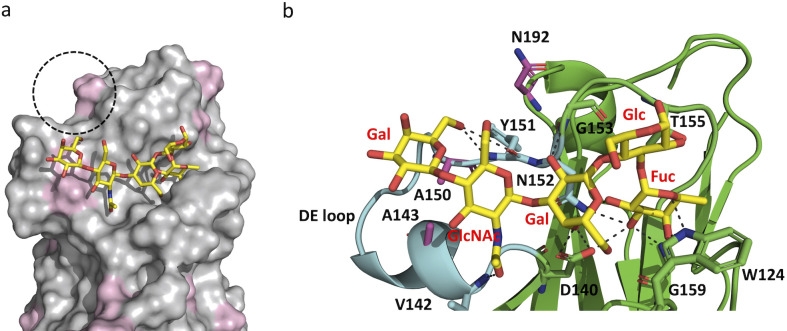
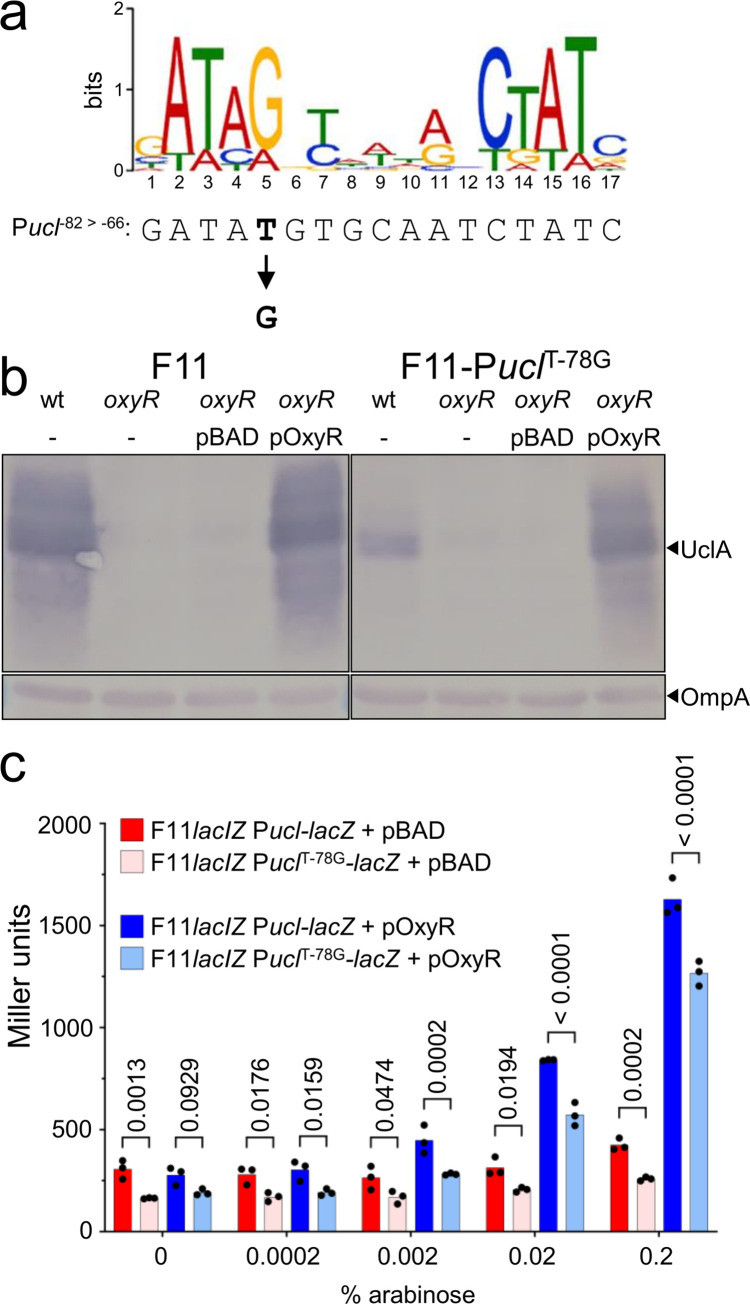
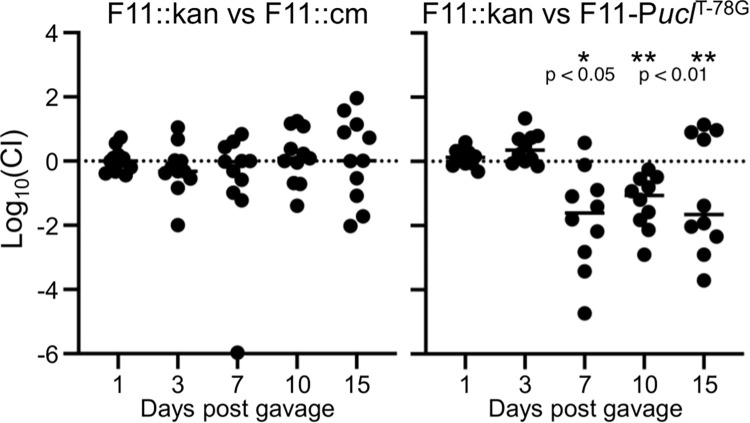
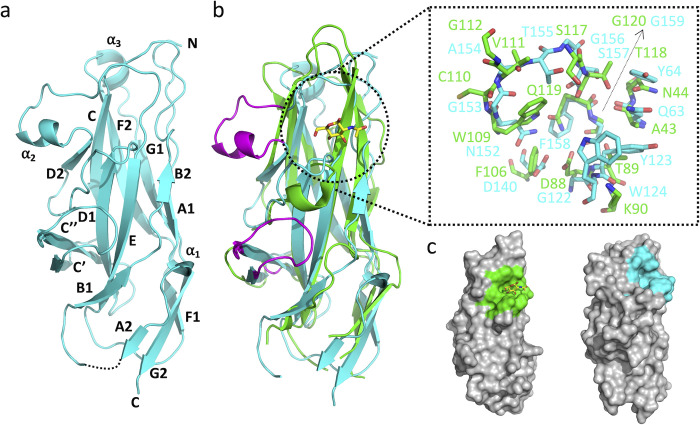
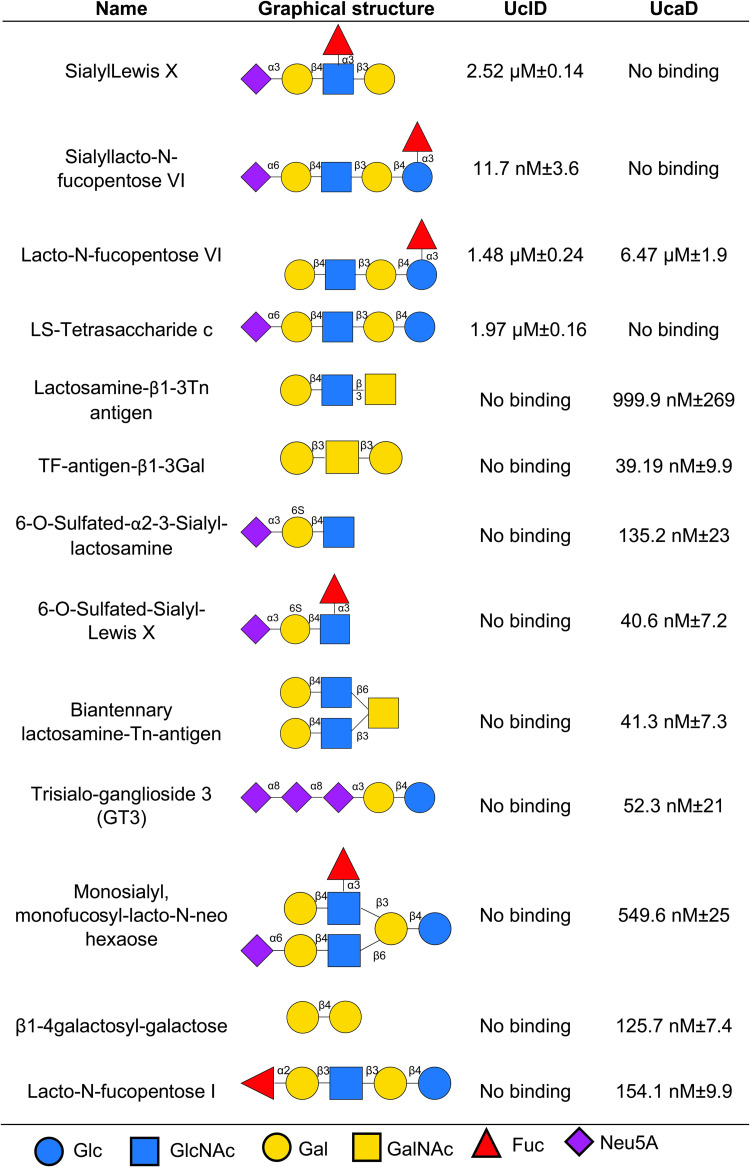
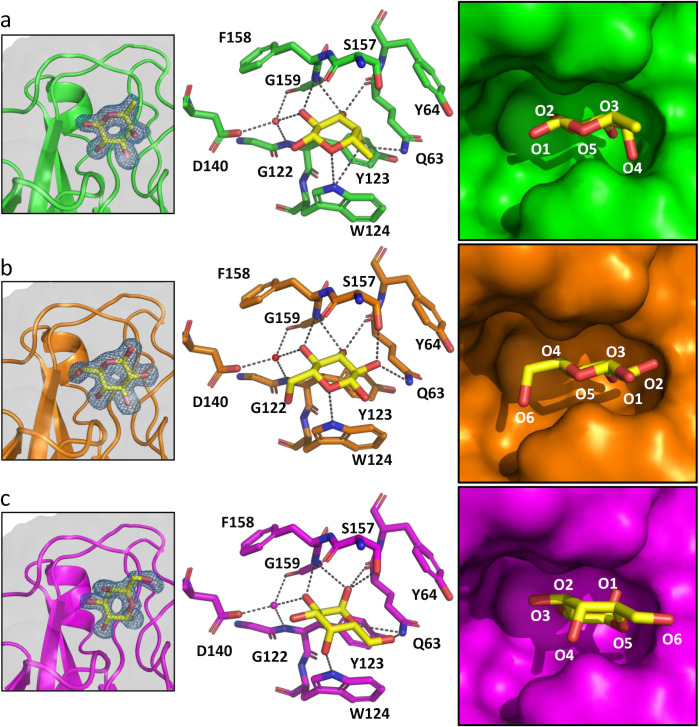
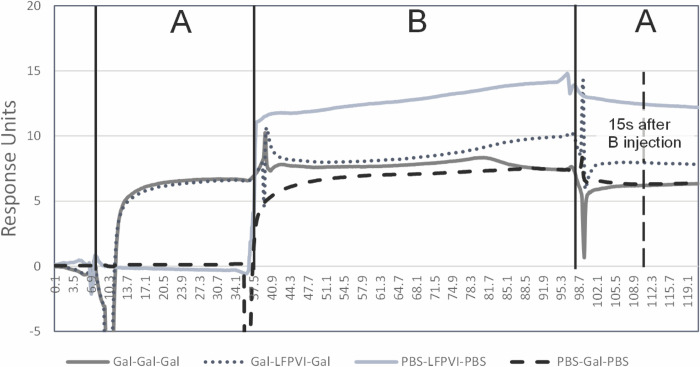
Extra-intestinal pathogenic Escherichia coli (ExPEC) belong to a critical priority group of antibiotic resistant pathogens. ExPEC establish gut reservoirs that seed infection of the urinary tract and bloodstream, but the mechanisms of gut colonisation remain to be properly understood. Ucl fimbriae are attachment organelles that facilitate ExPEC adherence. Here, we investigated cellular receptors for Ucl fimbriae and Ucl expression to define molecular mechanisms of Ucl-mediated ExPEC colonisation of the gut. We demonstrate differential expression of Ucl fimbriae in ExPEC sequence types associated with disseminated infection. Genome editing of strains from two common sequence types, F11 (ST127) and UTI89 (ST95), identified a single nucleotide polymorphism in the ucl promoter that changes fimbriae expression via activation by the global stress-response regulator OxyR, leading to altered gut colonisation. Structure-function analysis of the Ucl fimbriae tip-adhesin (UclD) identified high-affinity glycan receptor targets, with highest affinity for sialyllacto-N-fucopentose VI, a structure likely to be expressed on the gut epithelium. Comparison of the UclD adhesin to the homologous UcaD tip-adhesin from Proteus mirabilis revealed that although they possess a similar tertiary structure, apart from lacto-N-fucopentose VI that bound to both adhesins at low-micromolar affinity, they recognize different fucose- and glucose-containing oligosaccharides. Competitive surface plasmon resonance analysis together with co-structural investigation of UcaD in complex with monosaccharides revealed a broad-specificity glycan binding pocket shared between UcaD and UclD that could accommodate these interactions. Overall, our study describes a mechanism of adaptation that augments establishment of an ExPEC gut reservoir to seed disseminated infections, providing a pathway for the development of targeted anti-adhesion therapeutics.
肠外致病性大肠杆菌(ExPEC)属于抗生素耐药性病原体的关键优先组别。ExPEC 在肠道中建立了储存库,从而引发尿路感染和血流感染,但肠道定植的机制仍有待充分理解。Ucl 菌毛是促进 ExPEC 黏附的附着器官。在这里,我们研究了 Ucl 菌毛的细胞受体,以确定 Ucl 介导的 ExPEC 肠道定植的分子机制。我们发现在与播散性感染相关的 ExPEC 序列型中,Ucl 菌毛的表达存在差异。对来自两种常见序列型 F11(ST127)和 UTI89(ST95)的菌株进行基因组编辑,发现 ucl 启动子中的单个核苷酸多态性通过全球应激反应调节剂 OxyR 的激活改变菌毛表达,导致肠道定植改变。Ucl 菌毛尖端粘附素(UclD)的结构功能分析确定了高亲和力聚糖受体靶标,对唾液乳糖-N-岩藻戊糖 VI 的亲和力最高,这是一种可能在肠道上皮表达的结构。将 UclD 粘附素与变形杆菌 mirabilis 的同源 UcaD 尖端粘附素进行比较表明,尽管它们具有相似的三级结构,但除了低微摩尔亲和力结合两种粘附素的乳糖-N-岩藻戊糖 VI 外,它们识别不同的岩藻糖和葡萄糖含寡糖。竞争表面等离子体共振分析以及 UcaD 与单糖复合物的共结构研究表明,UcaD 和 UclD 之间存在一个共享的广泛特异性聚糖结合口袋,可容纳这些相互作用。总体而言,我们的研究描述了一种增强 ExPEC 肠道储存库定植以引发播散性感染的适应机制,为靶向抗粘附治疗的开发提供了途径。