Faculty of Health Sciences and Medicine, Genomics and Molecular Biology, Bond University, Robina, Gold Coast, QLD, 4229, Australia.
Mohammed Bin Rashid University of Medicine and Health Sciences, Dubai, UAE.
Sci Rep. 2022 Jun 15;12(1):10009. doi: 10.1038/s41598-022-14118-9.
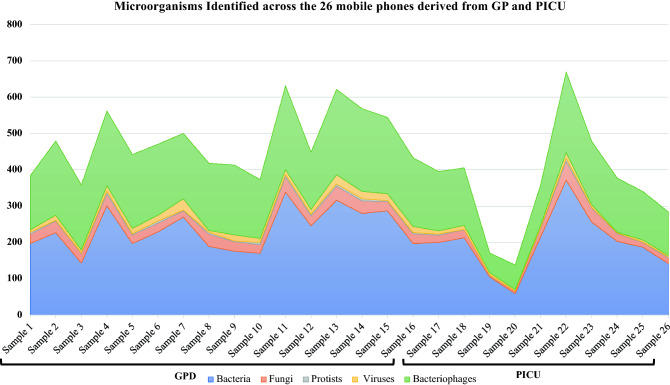
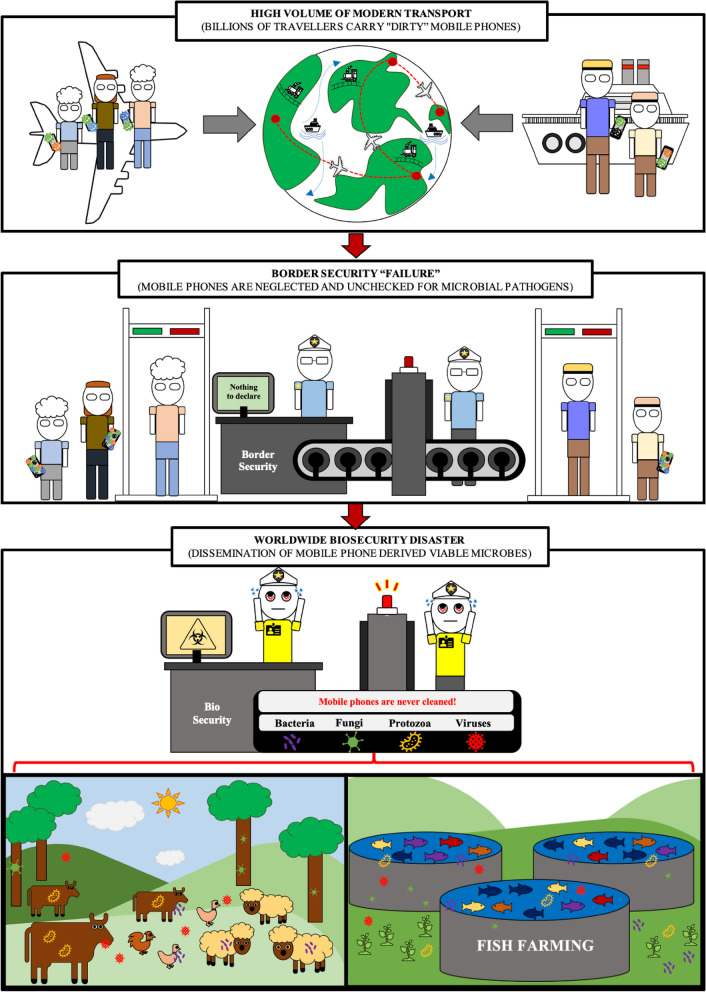
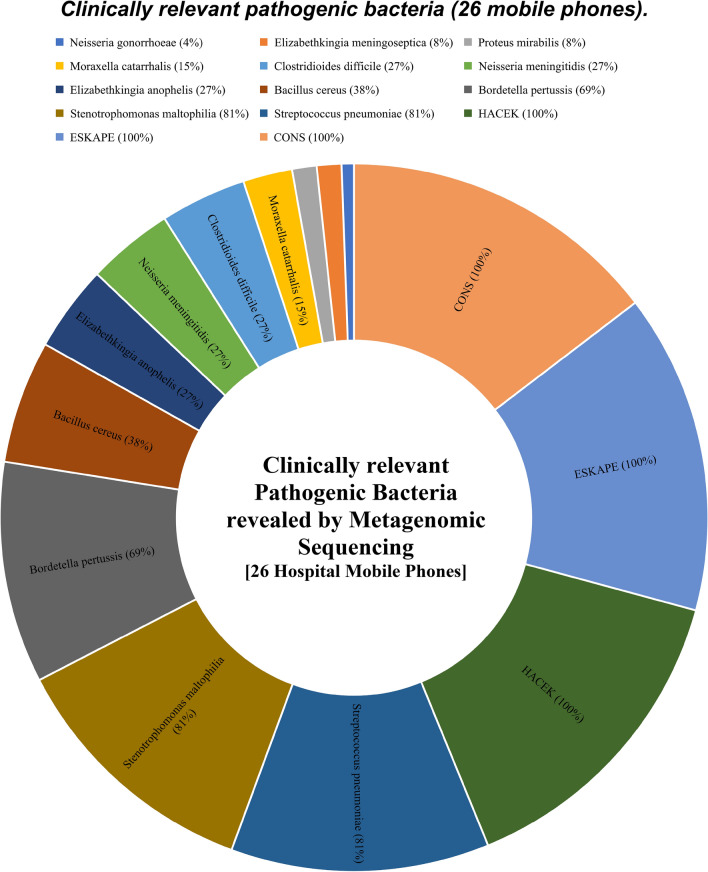
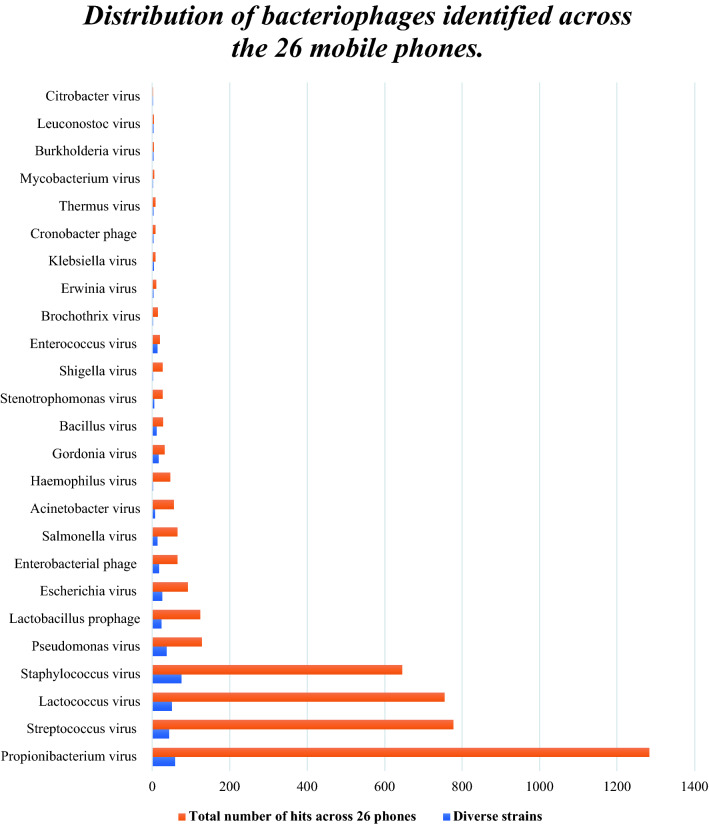
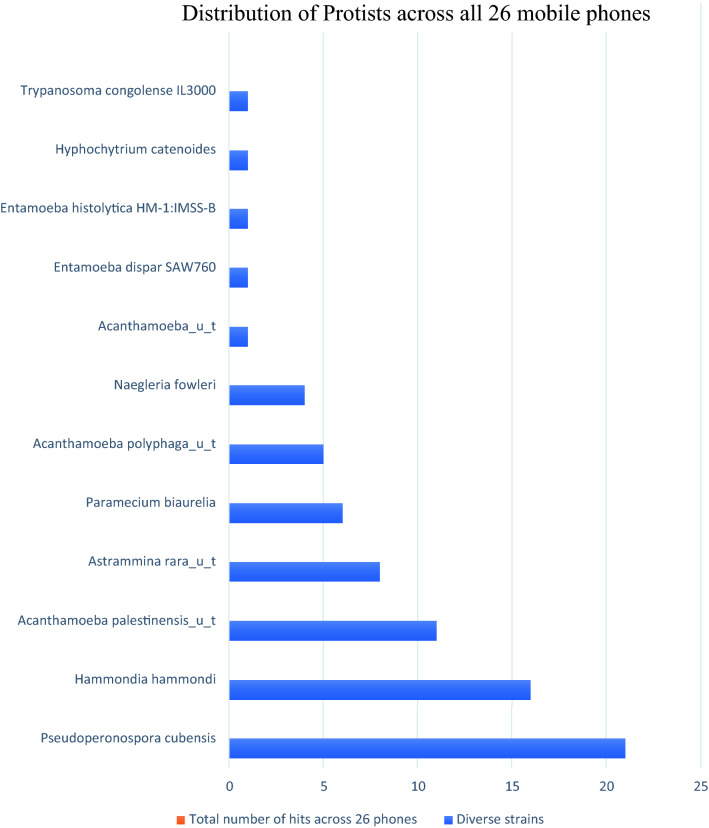
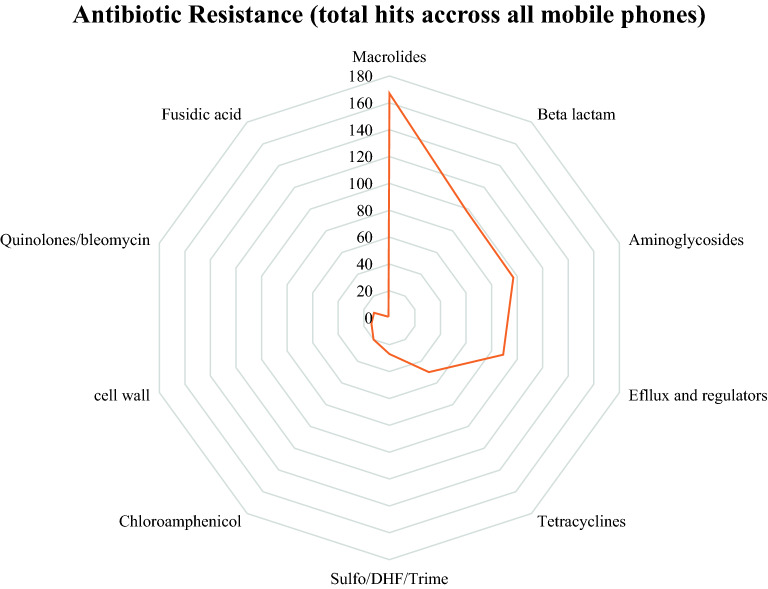
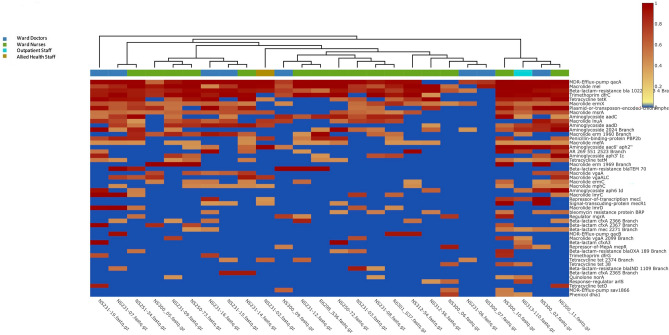
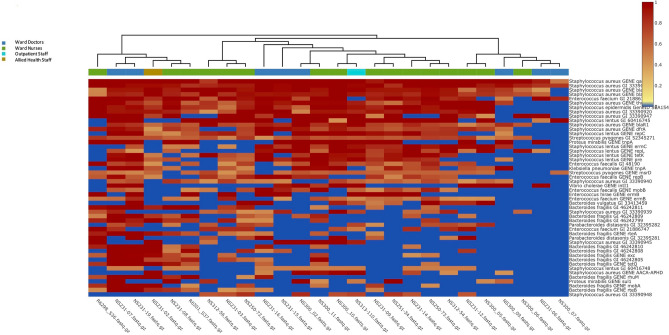
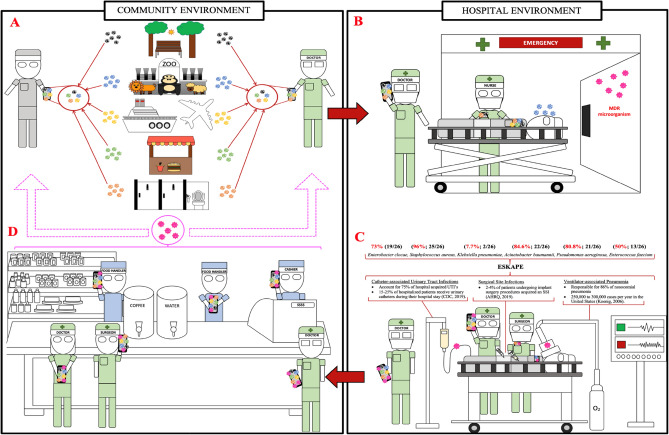
Advancements in technology and communication have revolutionised the twenty-first century with the introduction of mobile phones and smartphones. These phones are known to be platforms harbouring microbes with recent research shedding light on the abundance and broad spectrum of organisms they harbour. Mobile phone use in the community and in professional sectors including health care settings is a potential source of microbial dissemination. To identify the diversity of microbial genetic signature present on mobile phones owned by hospital medical staff. Twenty-six mobile phones of health care staff were swabbed. DNA extraction for downstream next generation sequencing shotgun metagenomic microbial profiling was performed. Survey questionnaires were handed to the staff to collect information on mobile phone usage and users' behaviours. Each of the 26 mobile phones of this study was contaminated with microbes with the detection of antibiotic resistance and virulent factors. Taken together the sum of microbes and genes added together across all 26 mobile phones totalised 11,163 organisms (5714 bacteria, 675 fungi, 93 protists, 228 viruses, 4453 bacteriophages) and 2096 genes coding for antibiotic resistance and virulent factors. The survey of medical staff showed that 46% (12/26) of the participants used their mobile phones in the bathroom. Mobile phones are vectors of microbes and can contribute to microbial dissemination and nosocomial diseases worldwide. As fomites, mobile phones that are not decontaminated may pose serious risks for public health and biosecurity.
科技和通讯的进步使二十一世纪发生了革命性的变化,手机和智能手机的出现就是明证。最近的研究表明,这些手机是微生物的栖息地,它们携带着大量的、广泛的微生物。手机在社区和专业领域(包括医疗保健场所)的使用是微生物传播的潜在来源。为了确定医院医务人员拥有的手机上存在的微生物遗传特征的多样性。对 26 部医护人员的手机进行了拭子取样。对下游高通量测序宏基因组微生物分析进行了 DNA 提取。向工作人员发放了调查问卷,以收集有关手机使用情况和用户行为的信息。本研究的 26 部手机中的每一部都被微生物污染,检测到抗生素耐药性和毒力因子。总的来说,在所有 26 部手机中,微生物和基因的总和总计有 11163 个生物体(5714 个细菌、675 个真菌、93 个原生动物、228 个病毒、4453 个噬菌体)和 2096 个编码抗生素耐药性和毒力因子的基因。对医务人员的调查显示,46%(12/26)的参与者在浴室使用手机。手机是微生物的载体,可导致全球微生物传播和医院感染疾病。作为病媒,未进行消毒的手机可能对公共卫生和生物安全构成严重威胁。