Department of Molecular and Translational Medicine, Division of Biostatistics and Epidemiology, Texas Tech University Health Sciences Center El Paso, El Paso, Texas, USA
J Investig Med. 2022 Dec;70(8):1759-1770. doi: 10.1136/jim-2022-002479. Epub 2022 Jun 16.
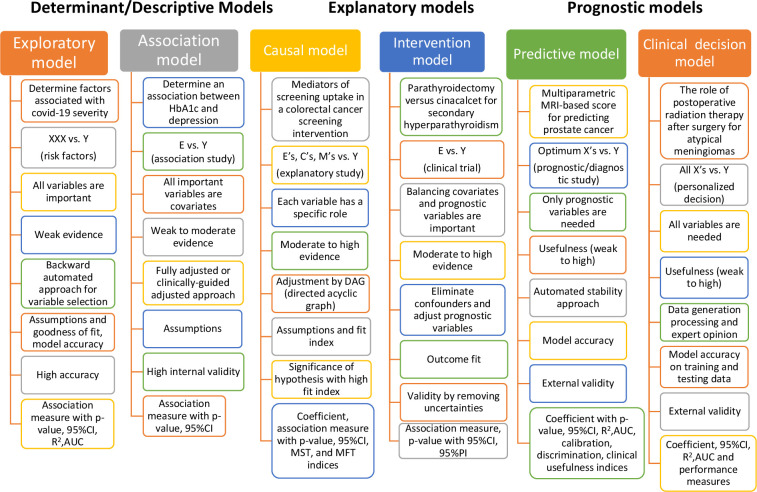
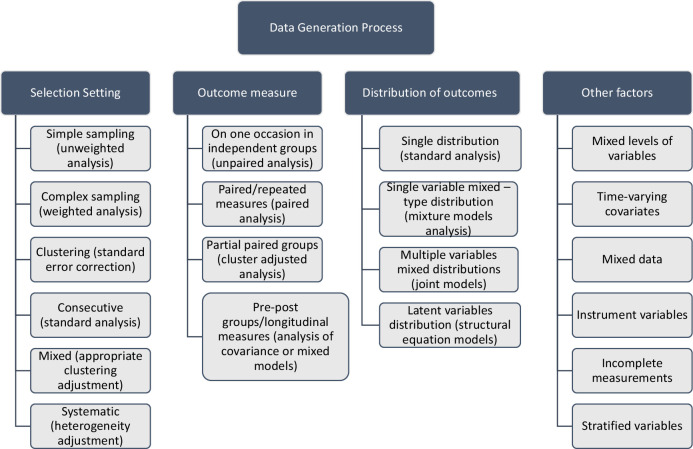
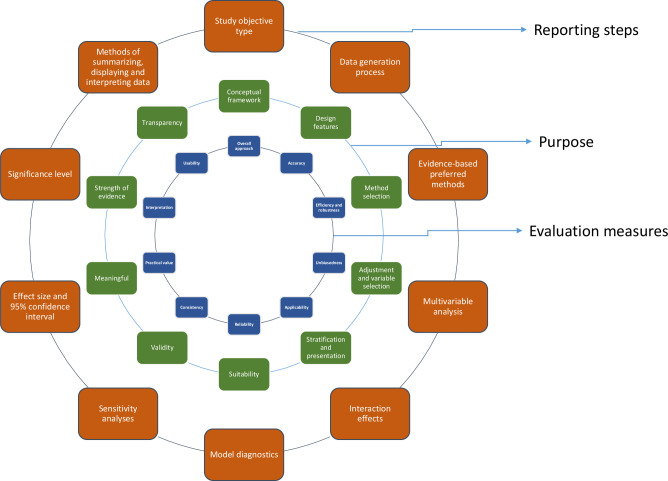
Reporting of statistical analysis is essential in any clinical and translational research study. However, medical research studies sometimes report statistical analysis that is either inappropriate or insufficient to attest to the accuracy and validity of findings and conclusions. Published works involving inaccurate statistical analyses and insufficient reporting influence the conduct of future scientific studies, including meta-analyses and medical decisions. Although the biostatistical practice has been improved over the years due to the involvement of statistical reviewers and collaborators in research studies, there remain areas of improvement for transparent reporting of the statistical analysis section in a study. Evidence-based biostatistics practice throughout the research is useful for generating reliable data and translating meaningful data to meaningful interpretation and decisions in medical research. Most existing research reporting guidelines do not provide guidance for reporting methods in the statistical analysis section that helps in evaluating the quality of findings and data interpretation. In this report, we highlight the global and critical steps to be reported in the statistical analysis of grants and research articles. We provide clarity and the importance of understanding study objective types, data generation process, effect size use, evidence-based biostatistical methods use, and development of statistical models through several thematic frameworks. We also provide published examples of adherence or non-adherence to methodological standards related to each step in the statistical analysis and their implications. We believe the suggestions provided in this report can have far-reaching implications for education and strengthening the quality of statistical reporting and biostatistical practice in medical research.
统计分析报告在任何临床和转化研究中都是必不可少的。然而,医学研究有时会报告不适当或不充分的统计分析,无法证明研究结果和结论的准确性和有效性。发表的涉及不准确统计分析和不充分报告的作品会影响未来科学研究的进行,包括荟萃分析和医学决策。尽管由于统计审查员和研究合作者的参与,多年来生物统计学实践已经得到了改进,但在研究中报告统计分析部分仍然存在需要改进的地方,以实现透明报告。在整个研究过程中,循证生物统计学实践对于生成可靠数据以及将有意义的数据转化为医学研究中有意义的解释和决策非常有用。大多数现有的研究报告指南并没有为报告统计分析部分的方法提供指导,这些方法有助于评估研究结果和数据解释的质量。在本报告中,我们强调了在资助和研究文章的统计分析中需要报告的全球和关键步骤。我们通过几个主题框架,阐明了理解研究目标类型、数据生成过程、效应大小使用、基于证据的生物统计学方法使用以及通过统计模型开发的重要性。我们还提供了与统计分析中每个步骤相关的遵守或不遵守方法标准的发表示例及其影响。我们相信,本报告中提供的建议对教育和加强医学研究中统计报告和生物统计学实践的质量具有深远的影响。