Laboratorio de Neurobiología de Insectos (LNI), Centro Regional de Estudios Genómicos, Facultad de Ciencias Exactas, Universidad Nacional de La Plata, CENEXA, CONICET, La Plata, Buenos Aires, Argentina.
Laboratorio de Insectos Sociales, Instituto de Fisiología, Biología Molecular y Neurociencias, Universidad de Buenos Aires-CONICET, Ciudad Autónoma de Buenos Aires, Argentina.
PLoS Negl Trop Dis. 2022 Jun 29;16(6):e0010060. doi: 10.1371/journal.pntd.0010060. eCollection 2022 Jun.
Triatoma infestans is the main vector of Chagas disease in the Southern Cone. The resistance to pyrethroid insecticides developed by populations of this species impairs the effectiveness of vector control campaigns in wide regions of Argentina. The study of the global transcriptomic response to pyrethroid insecticides is important to deepen the knowledge about detoxification in triatomines.
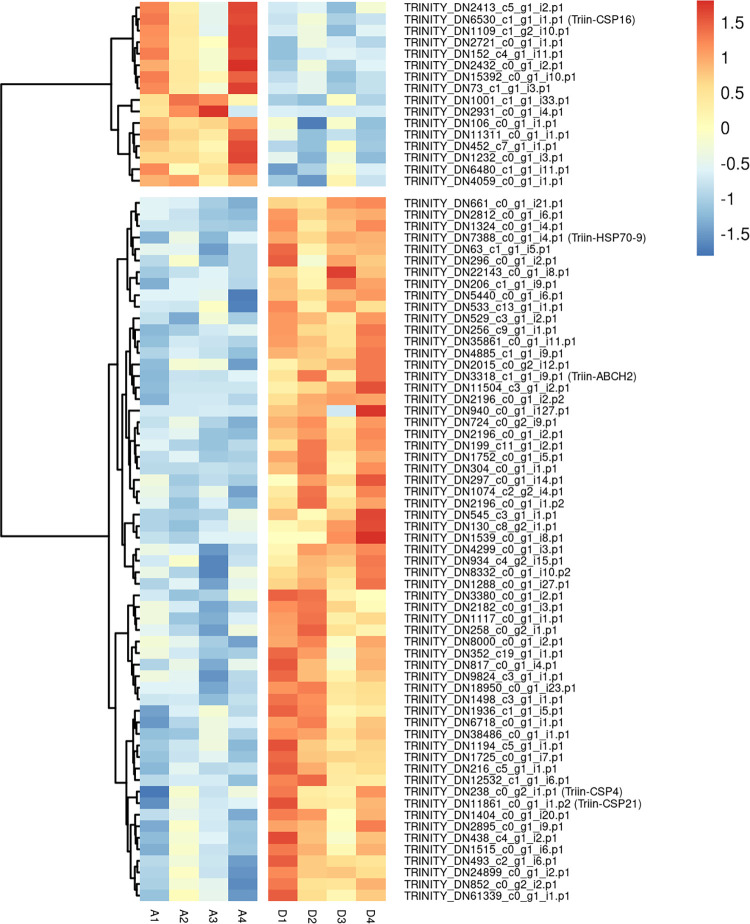
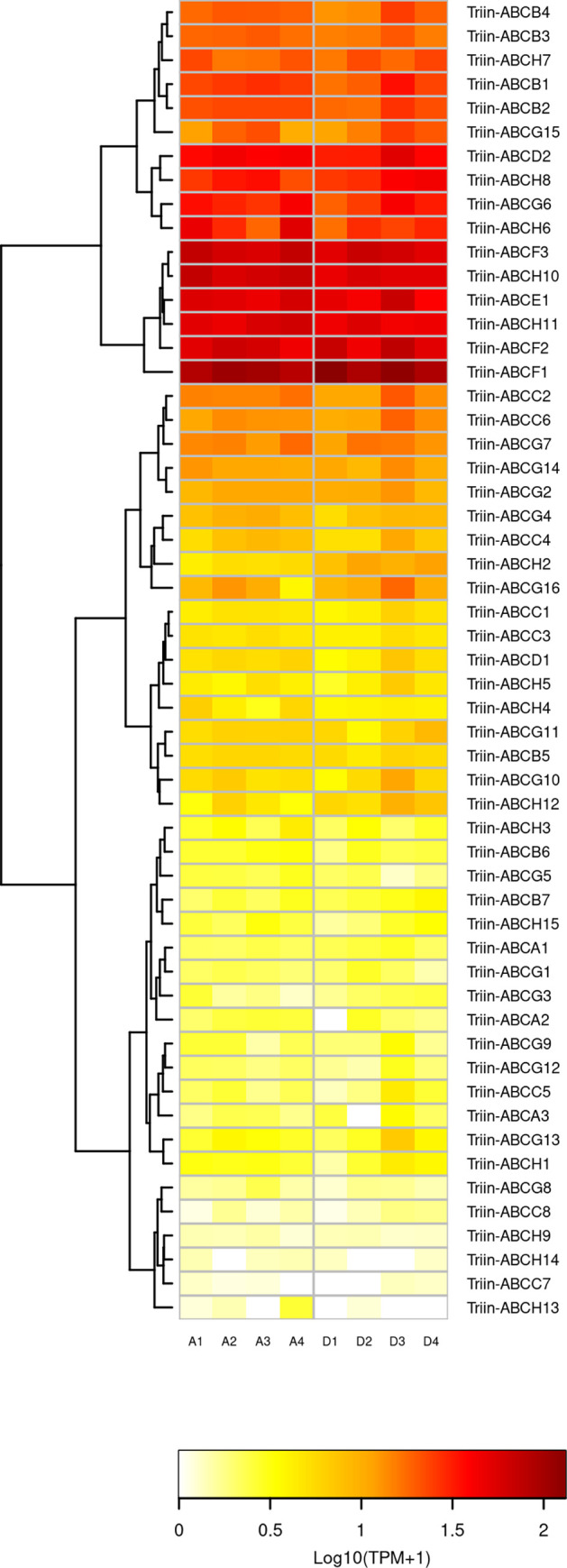
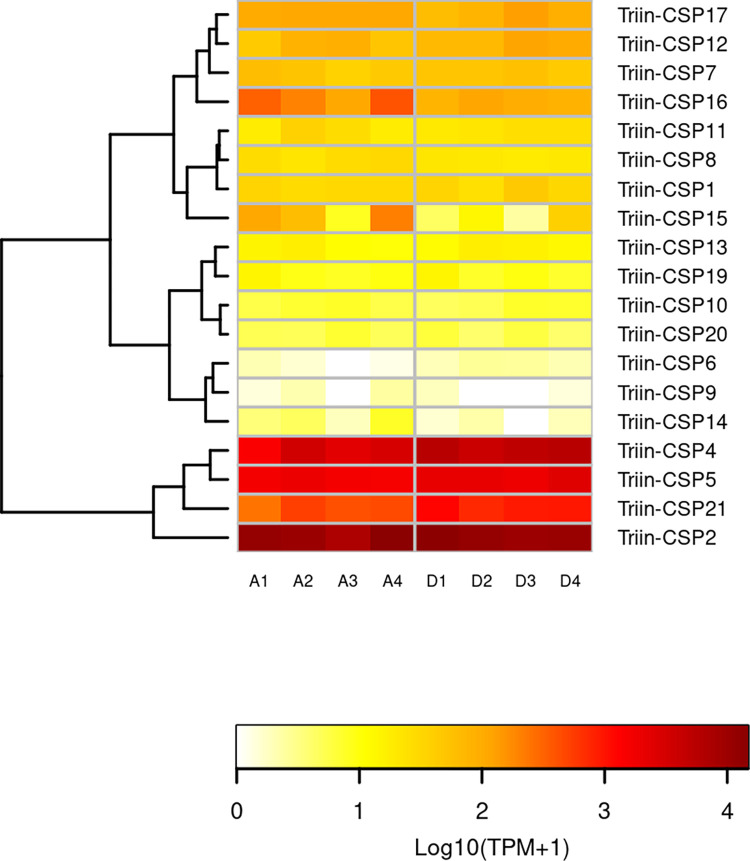
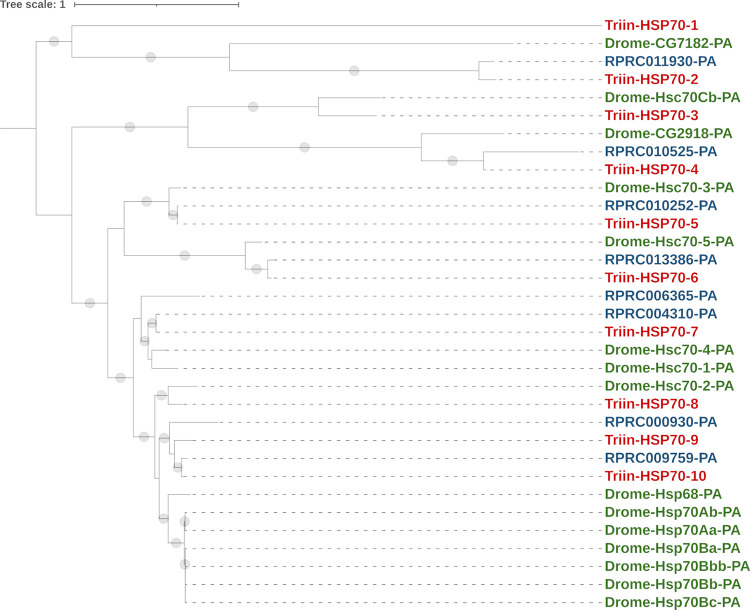
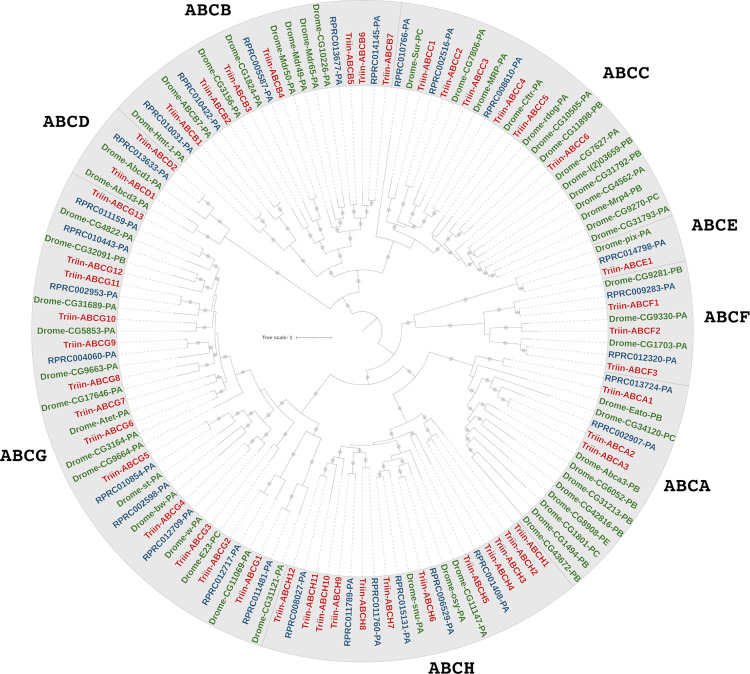
We used RNA-Seq to explore the early transcriptomic response after intoxication with deltamethrin in a population of T. infestans which presents low resistance to pyrethroids. We were able to assemble a complete transcriptome of this vector and found evidence of differentially expressed genes belonging to diverse families such as chemosensory and odorant-binding proteins, ABC transporters and heat-shock proteins. Moreover, genes related to transcription and translation, energetic metabolism and cuticle rearrangements were also modulated. Finally, we characterized the repertoire of previously uncharacterized detoxification-related gene families in T. infestans and Rhodnius prolixus.
Our work contributes to the understanding of the detoxification response in vectors of Chagas disease. Given the absence of an annotated genome from T. infestans, the analysis presented here constitutes a resource for molecular and physiological studies in this species. The results increase the knowledge on detoxification processes in vectors of Chagas disease, and provide relevant information to explore undescribed potential insecticide resistance mechanisms in populations of these insects.
布氏锥虫是南锥体国家中恰加斯病的主要传播媒介。该物种种群对拟除虫菊酯类杀虫剂的抗性降低了在阿根廷广大地区进行病媒控制运动的效果。研究对拟除虫菊酯类杀虫剂的全球转录组反应对于深入了解三锥虫的解毒作用非常重要。
我们使用 RNA-Seq 来研究在对拟除虫菊酯类杀虫剂溴氰菊酯中毒后,一个对拟除虫菊酯类杀虫剂具有低抗性的布氏锥虫种群的早期转录组反应。我们能够组装这个媒介的完整转录组,并发现了属于不同家族的差异表达基因的证据,如化学感觉和气味结合蛋白、ABC 转运蛋白和热休克蛋白。此外,与转录和翻译、能量代谢和角质层重排有关的基因也被调节。最后,我们描述了布氏锥虫和 R. prolixus 中以前未表征的解毒相关基因家族的组成。
我们的工作有助于了解恰加斯病传播媒介的解毒反应。鉴于布氏锥虫没有注释的基因组,这里提出的分析构成了该物种分子和生理学研究的资源。这些结果增加了对恰加斯病传播媒介解毒过程的了解,并为探索这些昆虫种群中未描述的潜在杀虫剂抗性机制提供了相关信息。