He Xin, Bai Yang, Zhou Haiyang, Wu Kemin
Department of Anesthesiology, Xiangya Hospital, Central South University, Changsha, China.
Department of General and Vascular Surgery, Xiangya Hospital, Central South University, Changsha, China.
Front Microbiol. 2022 Jun 14;13:906920. doi: 10.3389/fmicb.2022.906920. eCollection 2022.
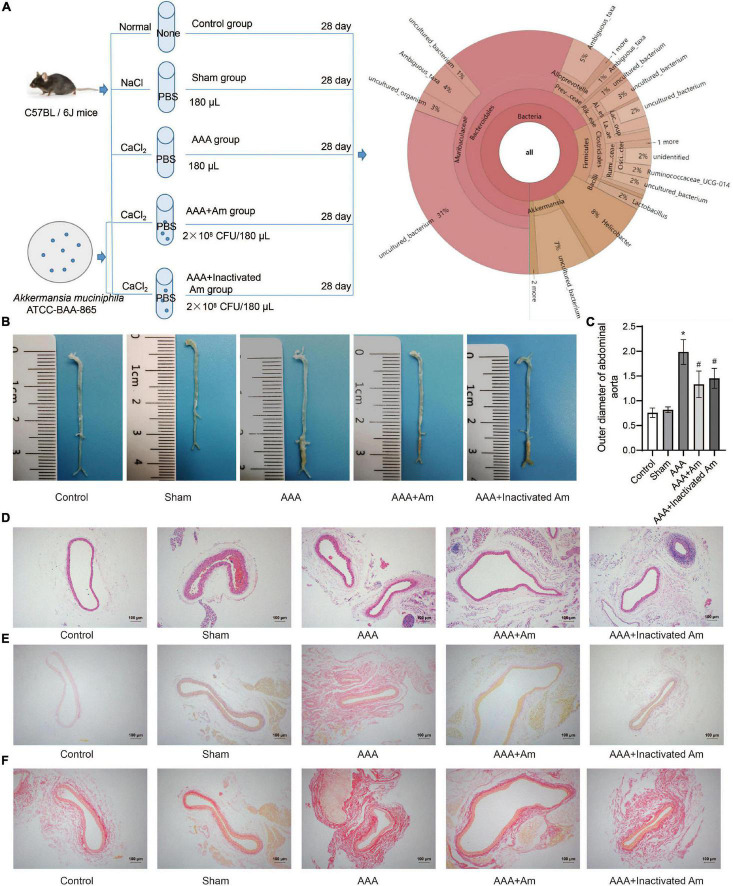
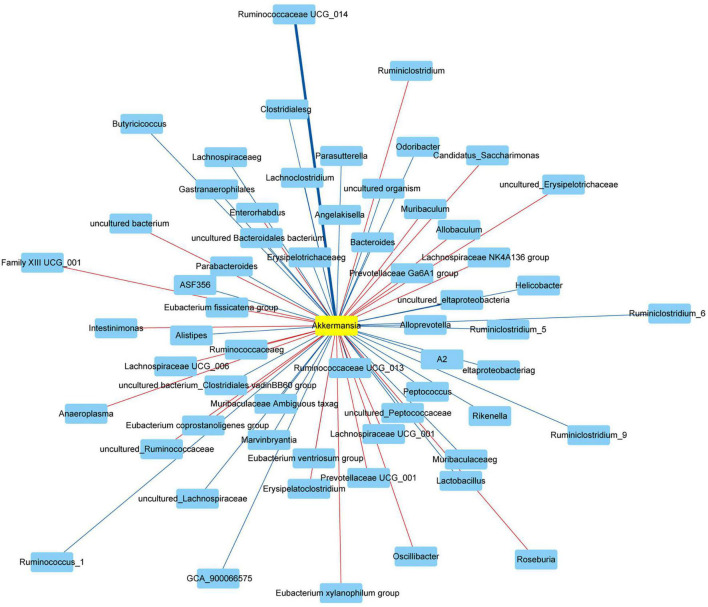
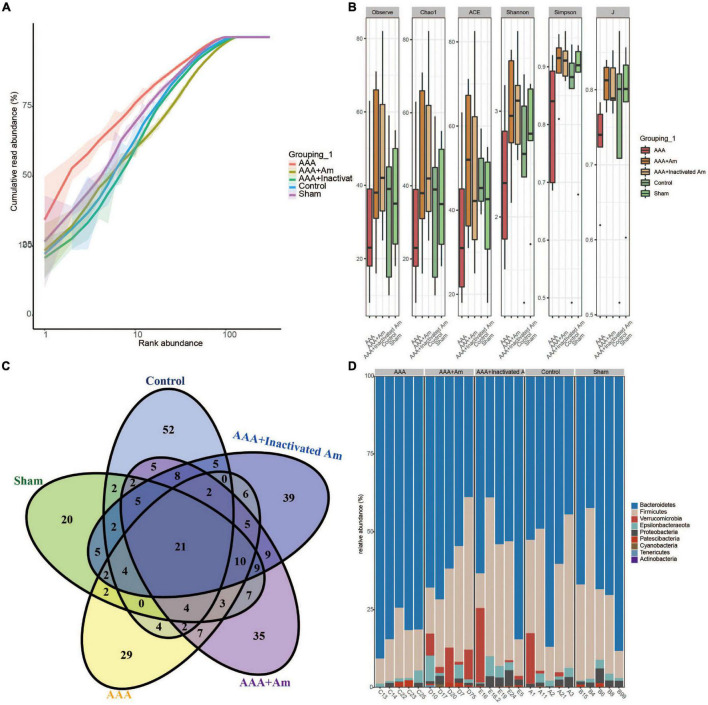
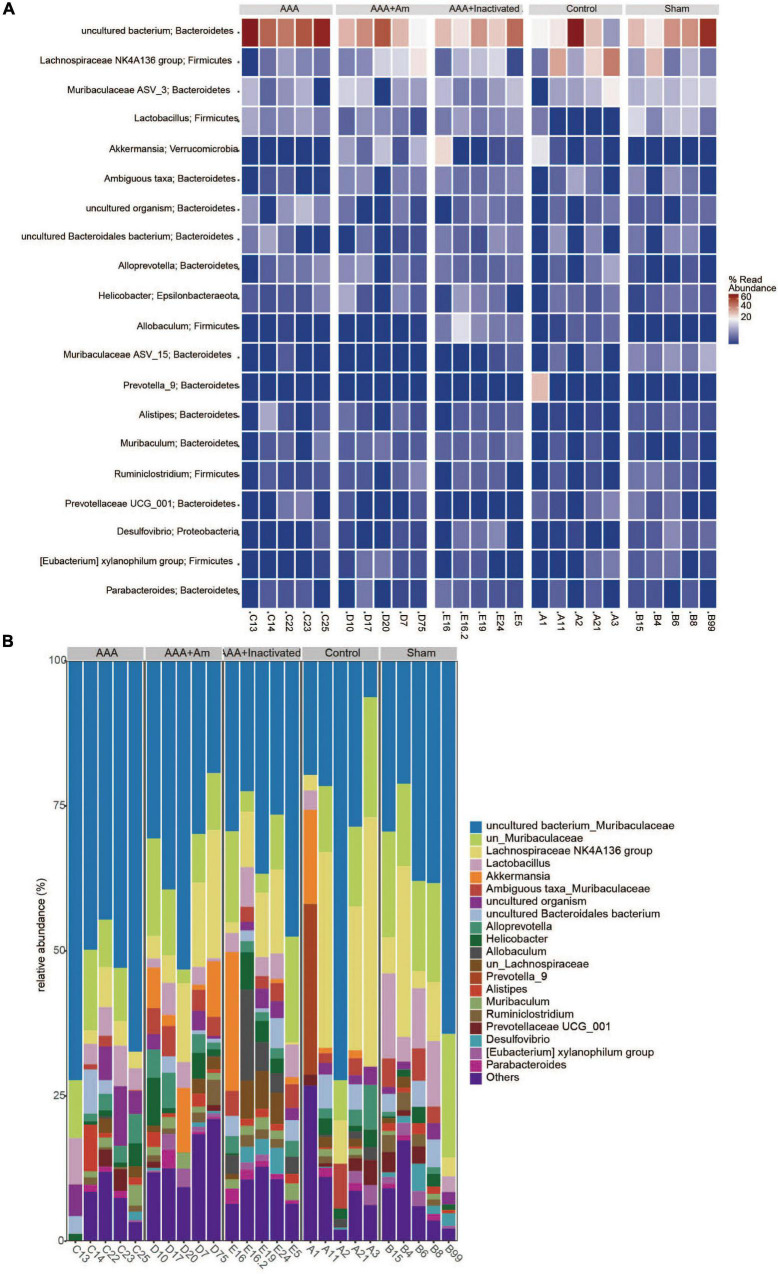
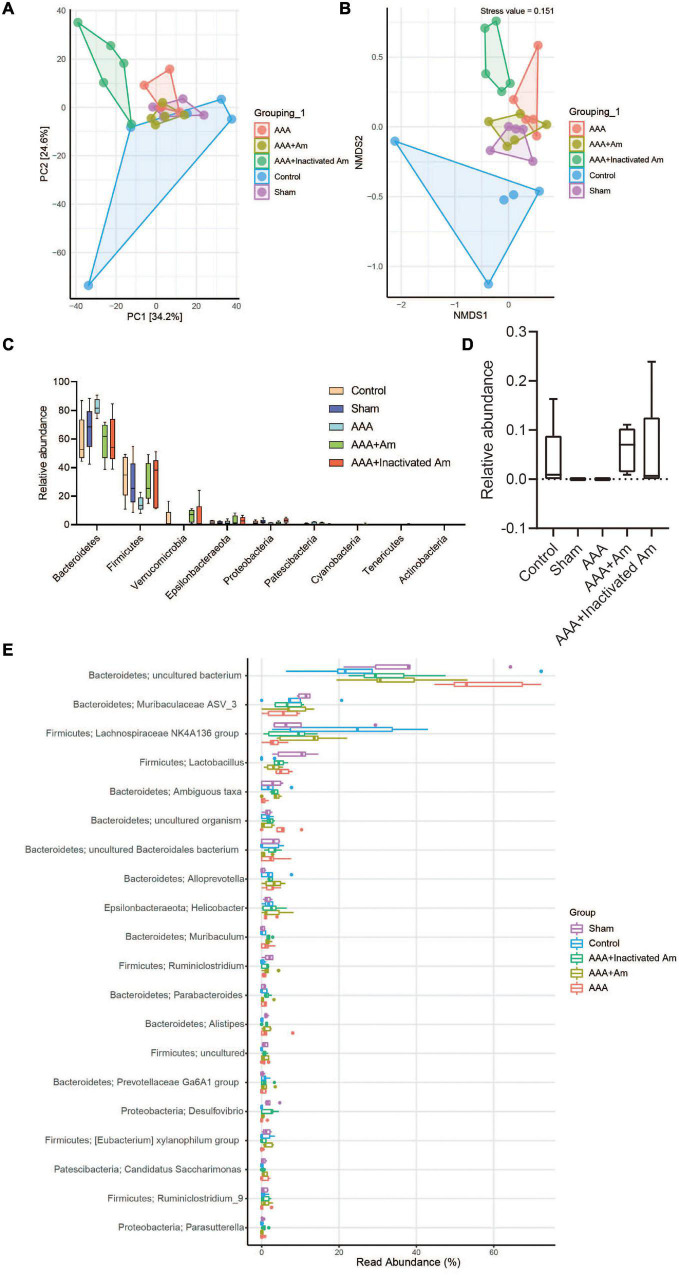
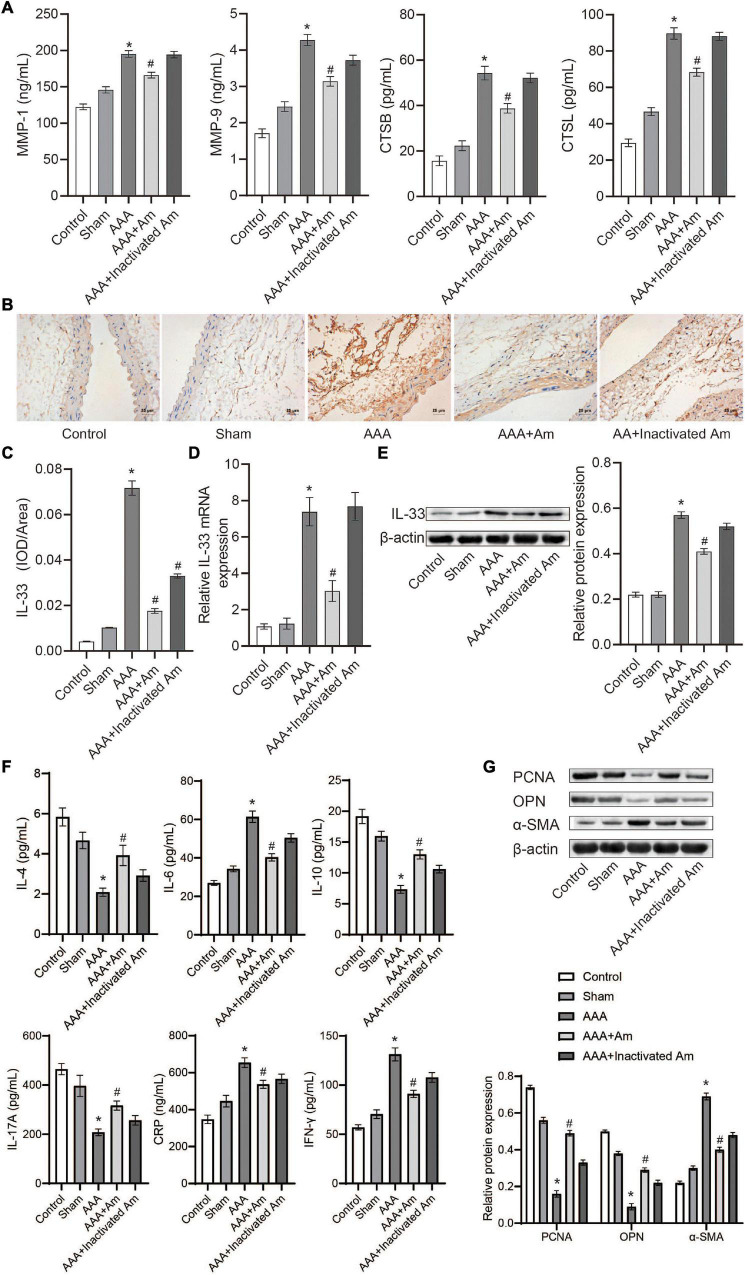
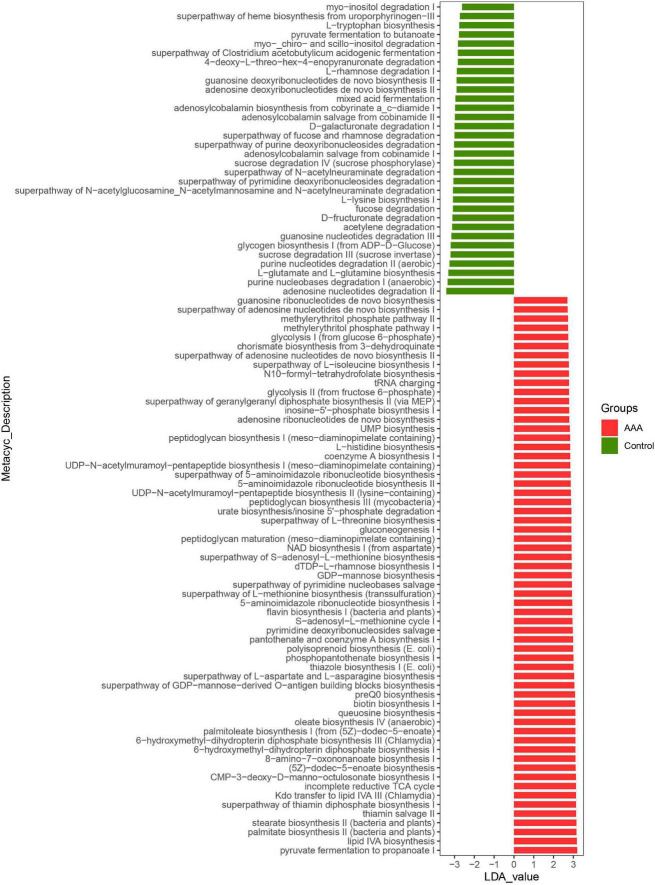
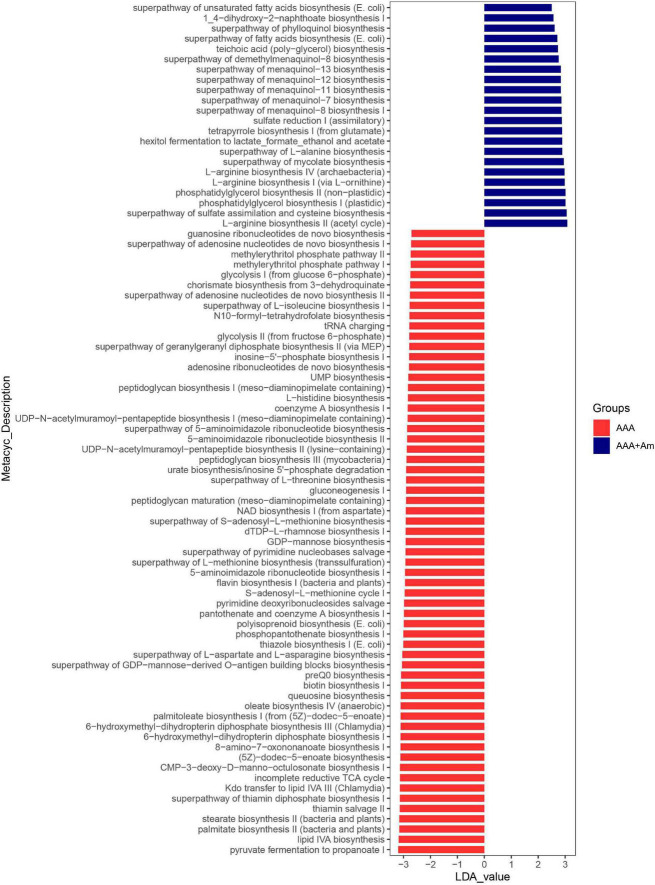
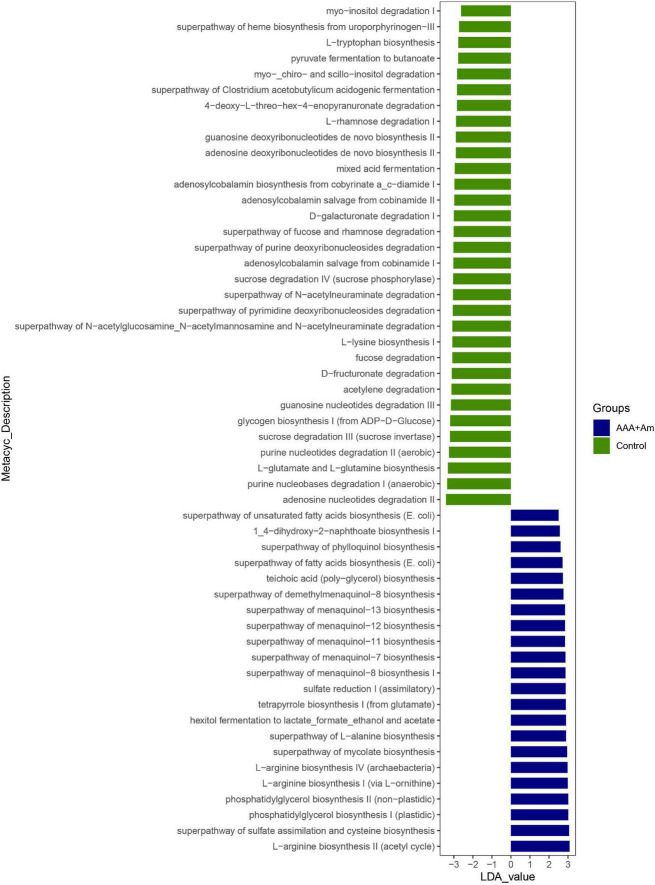
The gut microbiota plays an important role in a variety of cardiovascular diseases. The probiotics screened based on microbiota can effectively improve metabolism and immune function of the body, which is of great value in the field of cardiovascular disease treatment. Abdominal aortic aneurysms (AAA) refer to the lesion or injury of the abdominal aortic wall resulting in a localized bulge, which is one of the cardiovascular diseases with pulsing mass as the main clinical symptom. Previous studies have confirmed that was depleted in the guts of AAA patients or mice. is a potential probiotic for the treatment of intestinal microbiome-related diseases. Therefore, this study aims to investigate the effects of on gut microbiota and disease-related biomarkers in AAA mice. C57BL/6J mice were used to construct the AAA model and treated with . Aortic aneurysm formation in the AAA group is associated with the increased diameter of the abdominal aorta and inflammatory infiltration. inhibited the formation of AAA and repaired tissue damage. The number of gut microbiota and α diversity index were decreased in the model group. increased the number of gut microbiota and α diversity in AAA mice. The abundance of and were increased, while the abundance of the was reduced in the AAA group. Compared with the control group, the levels of MMP-1, MMP-9, IL-33, CTSB, and CTSL in tissue and the levels of IL-6, IFN-γ, and CRP in blood were significantly increased, and the levels of IL-4, IL-10, and IL-17A in blood were significantly decreased in the AAA group. The intervention of reversed these changes. The gut microbiota function prediction showed changes in , and metabolism-related functional pathways. was negatively correlated with and and positively correlated with and at the genus level. In conclusion, inhibited the formation of AAA by restoring gut microbiota diversity, altering the expression of peripheral immune factors, and the functions of , and , which may provide a new theoretical basis for the application of probiotics in cardiovascular diseases.
肠道微生物群在多种心血管疾病中发挥着重要作用。基于微生物群筛选出的益生菌可有效改善机体的代谢和免疫功能,这在心血管疾病治疗领域具有重要价值。腹主动脉瘤(AAA)是指腹主动脉壁的病变或损伤导致局部膨出,是以搏动性肿块为主要临床症状的心血管疾病之一。先前的研究证实,AAA患者或小鼠的肠道中[某种微生物]减少。[某种微生物]是治疗肠道微生物群相关疾病的潜在益生菌。因此,本研究旨在探讨[某种微生物]对AAA小鼠肠道微生物群及疾病相关生物标志物的影响。采用C57BL/6J小鼠构建AAA模型并用[某种微生物]进行治疗。AAA组的主动脉瘤形成与腹主动脉直径增加和炎症浸润有关。[某种微生物]抑制了AAA的形成并修复了组织损伤。模型组肠道微生物群数量和α多样性指数降低。[某种微生物]增加了AAA小鼠的肠道微生物群数量和α多样性。AAA组中[某种微生物A]和[某种微生物B]的丰度增加,而[某种微生物C]的丰度降低。与对照组相比,AAA组组织中MMP - 1、MMP - 9、IL - 33、CTSB和CTSL的水平以及血液中IL - 6、IFN - γ和CRP的水平显著升高,血液中IL - 4、IL - 10和IL - 17A的水平显著降低。[某种微生物]的干预逆转了这些变化。肠道微生物群功能预测显示[某种微生物D]、[某种微生物E]和[某种微生物F]代谢相关功能途径发生了变化。在属水平上,[某种微生物]与[某种微生物G]和[某种微生物H]呈负相关,与[某种微生物I]和[某种微生物J]呈正相关。总之,[某种微生物]通过恢复肠道微生物群多样性、改变外周免疫因子表达以及[某种微生物D]、[某种微生物E]和[某种微生物F]的功能来抑制AAA的形成,这可能为益生菌在心血管疾病中的应用提供新的理论依据。