Monterrey Institute of Technology and Higher Education, Monterrey, Mexico.
Harvard University Medical School, Boston, USA.
Sci Rep. 2022 Jul 8;12(1):11654. doi: 10.1038/s41598-022-15245-z.
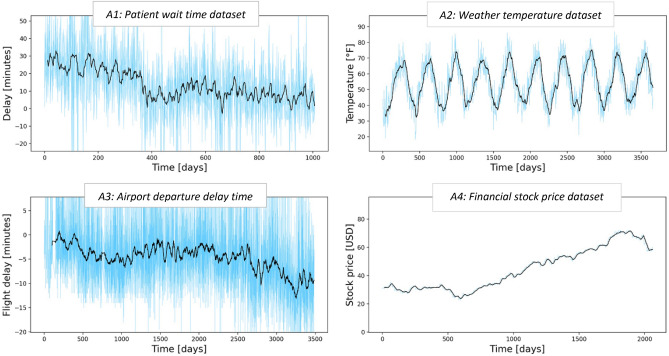
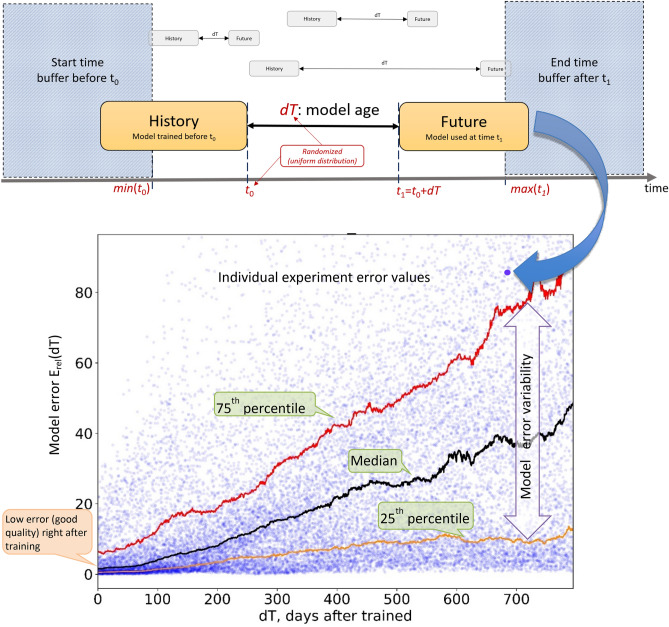
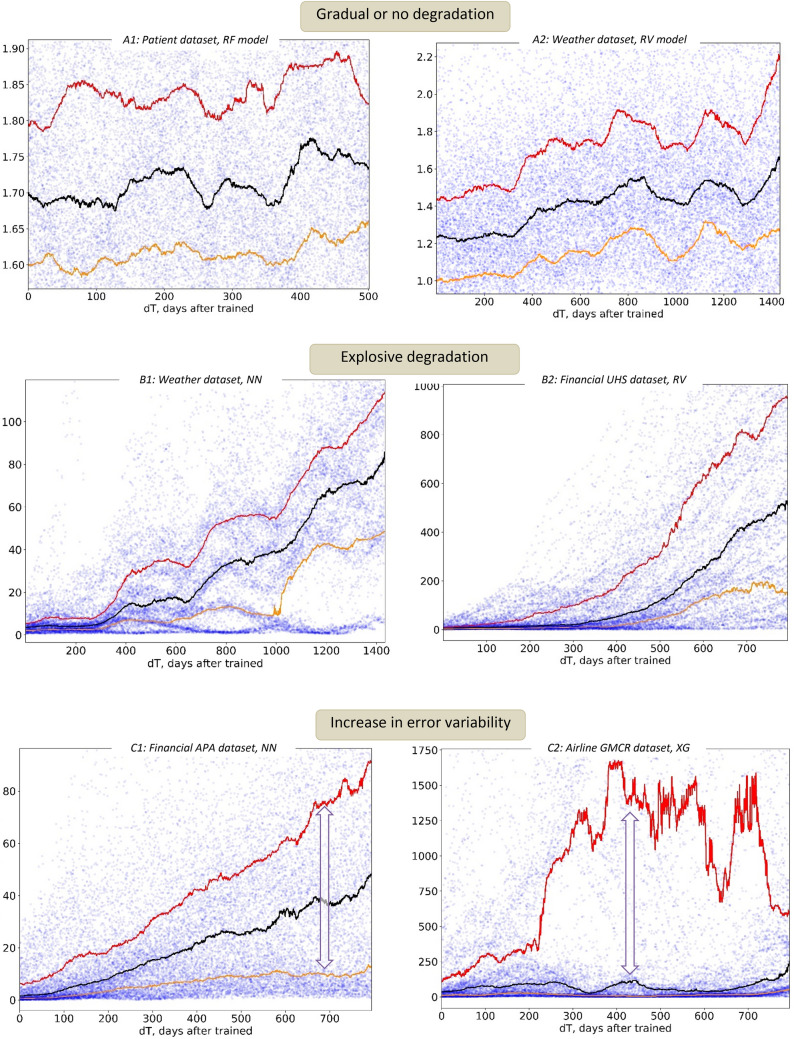
As AI models continue to advance into many real-life applications, their ability to maintain reliable quality over time becomes increasingly important. The principal challenge in this task stems from the very nature of current machine learning models, dependent on the data as it was at the time of training. In this study, we present the first analysis of AI "aging": the complex, multifaceted phenomenon of AI model quality degradation as more time passes since the last model training cycle. Using datasets from four different industries (healthcare operations, transportation, finance, and weather) and four standard machine learning models, we identify and describe the main temporal degradation patterns. We also demonstrate the principal differences between temporal model degradation and related concepts that have been explored previously, such as data concept drift and continuous learning. Finally, we indicate potential causes of temporal degradation, and suggest approaches to detecting aging and reducing its impact.
随着人工智能模型不断应用于现实生活中的各个领域,其长时间内保持可靠质量的能力变得越来越重要。这项任务的主要挑战源于当前机器学习模型的本质,它们依赖于训练时的数据。在这项研究中,我们首次分析了 AI 的“老化”:这是一个复杂的、多方面的 AI 模型质量随时间推移而降低的现象,因为自上次模型训练周期以来已经过去了更多时间。我们使用来自四个不同行业(医疗运营、交通、金融和天气)和四个标准机器学习模型的数据集,确定并描述了主要的时间退化模式。我们还展示了时间模型退化与以前探索过的相关概念(如数据概念漂移和持续学习)之间的主要区别。最后,我们指出了时间退化的潜在原因,并提出了检测老化和降低其影响的方法。