Bernstock Joshua D, Gary Sam E, Klinger Neil, Valdes Pablo A, Ibn Essayed Walid, Olsen Hannah E, Chagoya Gustavo, Elsayed Galal, Yamashita Daisuke, Schuss Patrick, Gessler Florian A, Paolo Peruzzi Pier, Bag Asim K, Friedman Gregory K
Department of Neurosurgery, Brigham and Women's Hospital, Harvard Medical School, Boston, Massachusetts, USA.
Medical Scientist Training Program, University of Alabama at Birmingham, Birmingham, Alabama, USA.
Neurooncol Adv. 2022 May 26;4(1):vdac080. doi: 10.1093/noajnl/vdac080. eCollection 2022 Jan-Dec.
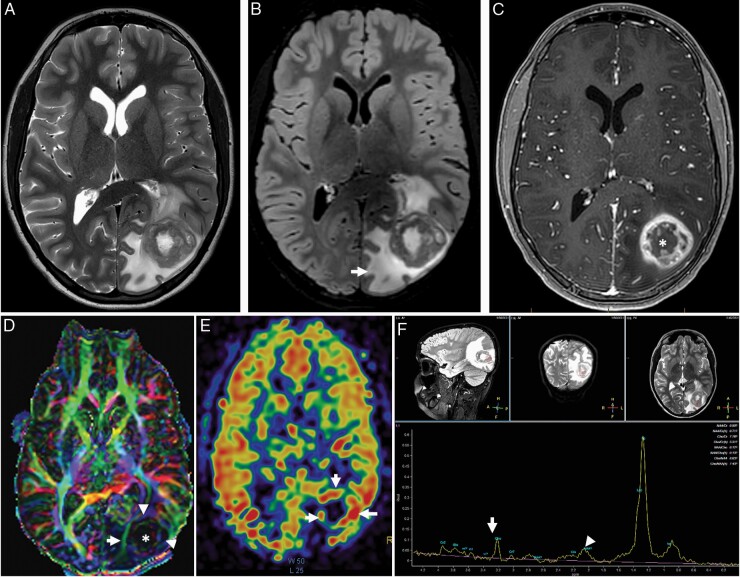
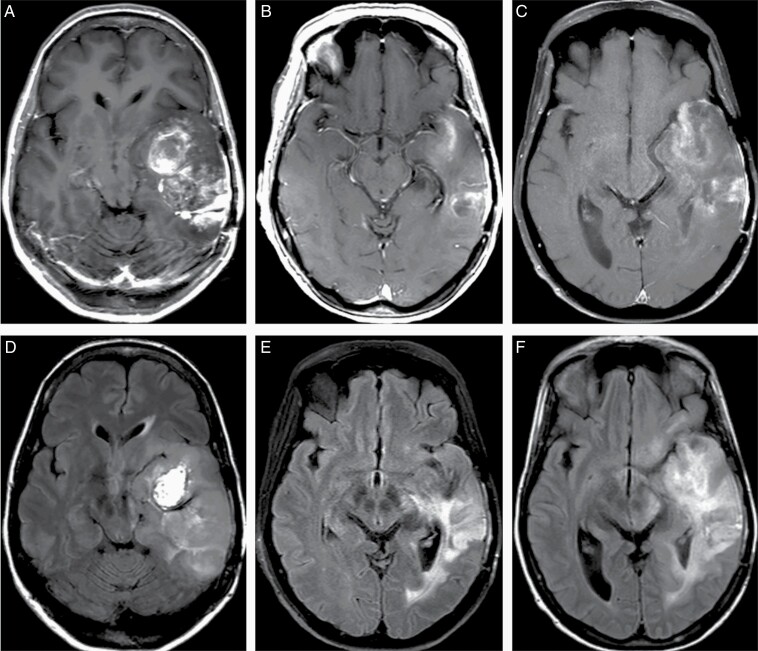
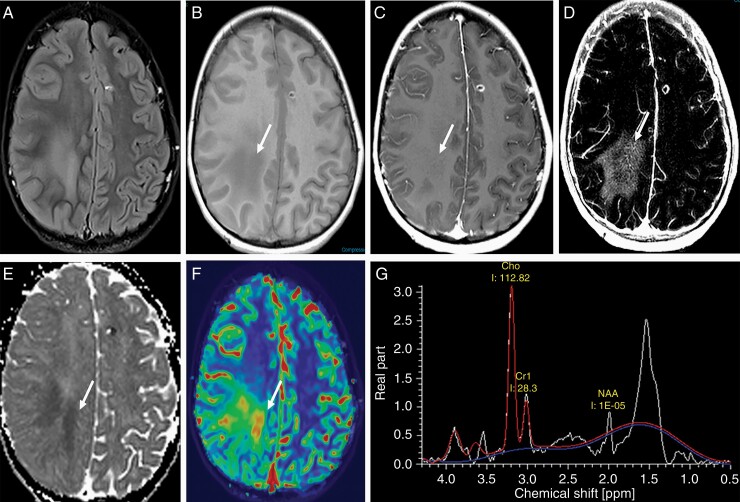
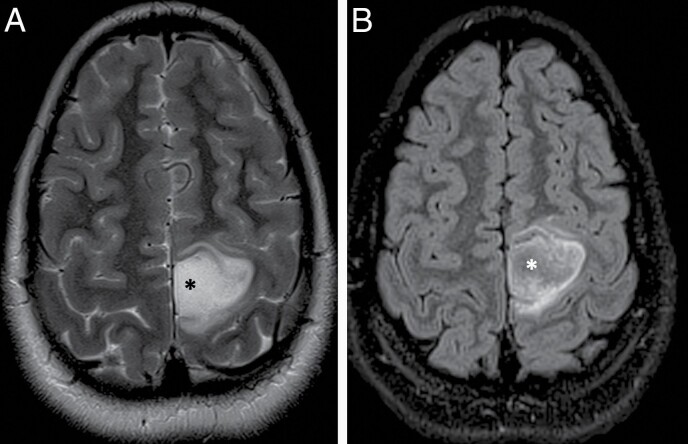
Glioblastoma (GBM) is the most common primary adult intracranial malignancy and carries a dismal prognosis despite an aggressive multimodal treatment regimen that consists of surgical resection, radiation, and adjuvant chemotherapy. Radiographic evaluation, largely informed by magnetic resonance imaging (MRI), is a critical component of initial diagnosis, surgical planning, and post-treatment monitoring. However, conventional MRI does not provide information regarding tumor microvasculature, necrosis, or neoangiogenesis. In addition, traditional MRI imaging can be further confounded by treatment-related effects such as pseudoprogression, radiation necrosis, and/or pseudoresponse(s) that preclude clinicians from making fully informed decisions when structuring a therapeutic approach. A myriad of novel imaging modalities have been developed to address these deficits. Herein, we provide a clinically oriented review of standard techniques for imaging GBM and highlight emerging technologies utilized in disease characterization and therapeutic development.
胶质母细胞瘤(GBM)是成人最常见的原发性颅内恶性肿瘤,尽管采用了包括手术切除、放疗和辅助化疗在内的积极多模式治疗方案,但其预后仍然很差。主要由磁共振成像(MRI)提供信息的影像学评估是初始诊断、手术规划和治疗后监测的关键组成部分。然而,传统MRI无法提供有关肿瘤微血管系统、坏死或新生血管形成的信息。此外,传统MRI成像可能会因治疗相关效应(如假性进展、放射性坏死和/或假性反应)而进一步混淆,这使得临床医生在制定治疗方案时无法做出充分知情的决策。已经开发了多种新型成像方式来解决这些不足。在此,我们提供了一篇以临床为导向的关于GBM成像标准技术的综述,并强调了用于疾病特征描述和治疗开发的新兴技术。