University of Melbourne, Melbourne, Australia.
Melbourne Sexual Health Centre, Alfred Health, Melbourne, Australia.
Curr HIV/AIDS Rep. 2022 Oct;19(5):375-383. doi: 10.1007/s11904-022-00614-0. Epub 2022 Jul 13.
Improving HIV testing uptake is essential to ending the HIV pandemic. HIV testing approaches can be opt-in, opt-out or risk-based. This systematic review examines and compares the uptake of HIV testing in opt-in, opt-out and risk-based testing approaches.
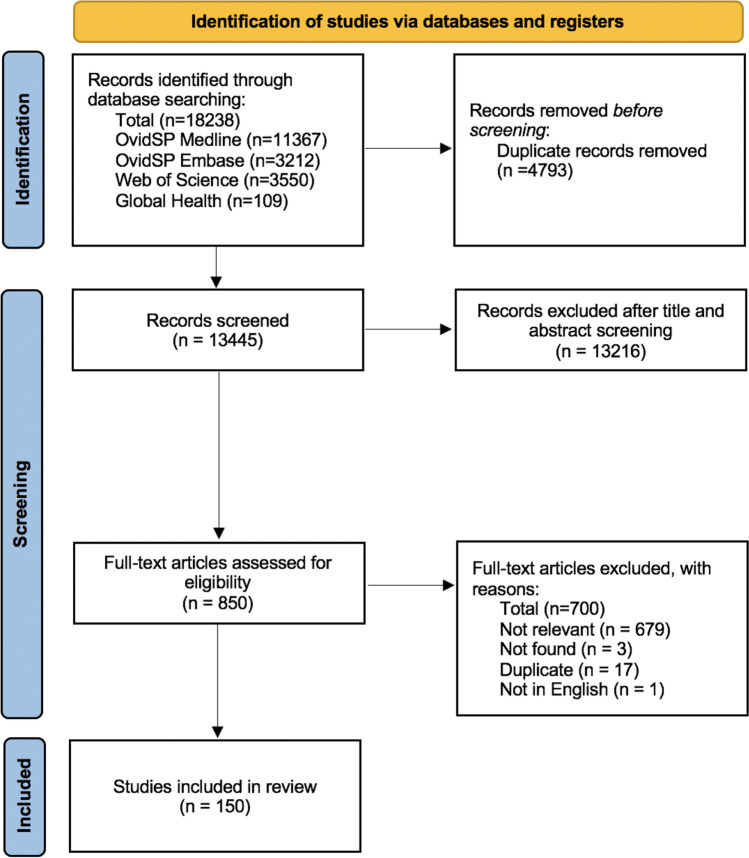
There remain missed opportunities for HIV testing in a variety of settings using different approaches: opt-in (a person actively accepts to be tested for HIV), opt-out (a person is informed that HIV testing is routine/standard of care, and they actively decline if they do not wish to be tested for HIV) or risk-based (using risk-based screening tools to focus testing on certain individuals or sub-populations at greater risk of HIV). It is not clear how the approach could impact HIV test uptake when adjusted for other factors (e.g. rapid testing, country-income level, test setting and population tested). We searched four databases for studies reporting on HIV test uptake. In total, 18,238 records were screened, and 150 studies were included in the review. Most studies described an opt-in approach (87 estimates), followed by opt-out (76) and risk-based (19). Opt-out testing was associated with 64.3% test uptake (I = 99.9%), opt-in testing with 59.8% (I = 99.9%) and risk-based testing with 54.4% (I = 99.9%). When adjusted for settings that offered rapid testing, country income level, setting and population tested, opt-out testing had a significantly higher uptake (+ 12% (95% confidence intervals: 3-21), p = 0.007) than opt-in testing. We also found that emergency department patients and hospital outpatients had significantly lower HIV test uptake than other populations.
提高 HIV 检测率对于终结 HIV 大流行至关重要。HIV 检测方法包括自愿检测、默认检测和基于风险的检测。本系统综述旨在评估并比较这三种检测方法对 HIV 检测率的影响。
在不同的环境中,通过不同的方法,HIV 检测的机会仍然被错过:自愿检测(个人主动选择接受 HIV 检测)、默认检测(告知个人 HIV 检测是常规/标准护理,如果他们不想接受 HIV 检测,他们可以主动拒绝)或基于风险的检测(使用基于风险的筛查工具,将检测集中在具有较高 HIV 风险的特定个体或亚人群上)。目前尚不清楚在调整其他因素(例如快速检测、国家收入水平、检测环境和检测人群)后,该方法如何影响 HIV 检测率。我们在四个数据库中检索了报告 HIV 检测率的研究。共筛选出 18238 条记录,纳入了 150 项研究。大多数研究描述了自愿检测方法(87 项评估),其次是默认检测(76 项)和基于风险的检测(19 项)。默认检测的检测率为 64.3%(I=99.9%),自愿检测的检测率为 59.8%(I=99.9%),基于风险的检测的检测率为 54.4%(I=99.9%)。当调整了提供快速检测的环境、国家收入水平、检测环境和检测人群后,默认检测的检测率明显高于自愿检测(增加了 12%(95%置信区间:3-21),p=0.007)。我们还发现,急诊科患者和医院门诊患者的 HIV 检测率明显低于其他人群。