Science Based Platforms LLC, R&D, 604 Beach CT, Fort Pierce, 34950, USA.
GYM Group SA, R&D, Carrera 78A 6-58, Cali, Valle del Cauca, 76001, Colombia.
Sci Rep. 2022 Jul 15;12(1):12115. doi: 10.1038/s41598-022-15995-w.
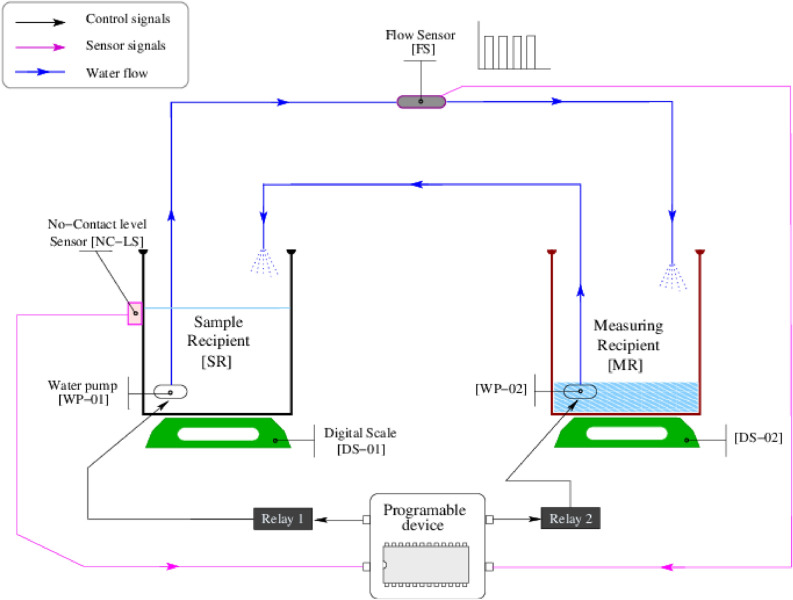
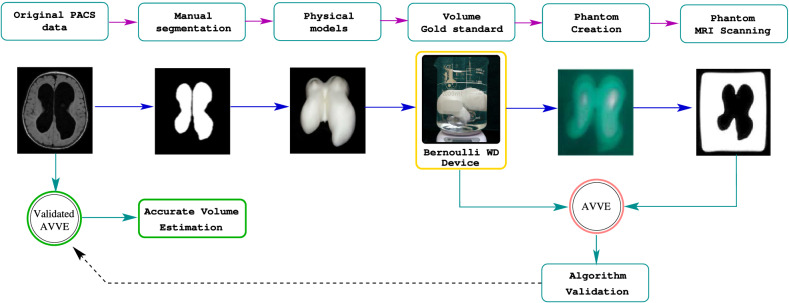
The size/volume of the brain's ventricles is essential in diagnosing and treating many neurological disorders, with various forms of hydrocephalus being some of the most common. Initial ventricular size and changes, if any, in response to disease progression or therapeutic intervention are monitored by serial imaging methods. Significant variance in ventricular size is readily noted, but small incremental changes can be challenging to appreciate. We have previously reported using artificial intelligence to determine ventricular volume. The values obtained were compared with those calculated using the inaccurate manual segmentation as the "gold standard". This document introduces a strategy to measure ventricular volumes where manual segmentation is not employed to validate the estimations. Instead, we created 3D printed models that mimic the lateral ventricles and measured those 3D models' volume with a tuned water displacement device. The 3D models are placed in a gel and taken to the magnetic resonance scanner. Images extracted from the phantoms are fed to an artificial intelligence-based algorithm. The volumes yielded by the automation must equal those yielded by water displacement to assert validation. Then, we provide certified volumes for subjects in the age range (1-114) months old and two hydrocephalus patients.
脑室内径的大小/体积对于诊断和治疗许多神经疾病至关重要,其中各种类型的脑积水是最常见的疾病之一。通过连续的影像学方法来监测初始脑室大小以及疾病进展或治疗干预后的任何变化。很容易注意到脑室大小的显著差异,但小的增量变化可能难以察觉。我们之前曾报道过使用人工智能来确定脑室体积。将获得的值与使用不准确的手动分割作为“金标准”计算的值进行比较。本文介绍了一种测量脑室体积的策略,其中不采用手动分割来验证估计值。相反,我们创建了模拟侧脑室的 3D 打印模型,并使用经过调整的水置换设备来测量这些 3D 模型的体积。将 3D 模型放置在凝胶中并带到磁共振扫描仪中。从模型中提取图像并输入基于人工智能的算法。自动化生成的体积必须等于水置换的体积,以确保验证。然后,我们为年龄在(1-114)个月之间的受试者和两名脑积水患者提供认证的体积。