Roussos George, Herrero Teresa Ruiz, Hill Derek L, Dowling Ariel V, L T M Müller Martijn, Evers Luc J W, Burton Jackson, Derungs Adrian, Fisher Katherine, Kilambi Krishna Praneeth, Mehrotra Nitin, Bhatnagar Roopal, Sardar Sakshi, Stephenson Diane, Adams Jamie L, Ray Dorsey E, Cosman Josh
Birkbeck College, University of London, London, UK.
Bill and Melinda Gates Foundation, Seattle, WA, USA.
NPJ Digit Med. 2022 Jul 15;5(1):93. doi: 10.1038/s41746-022-00643-4.
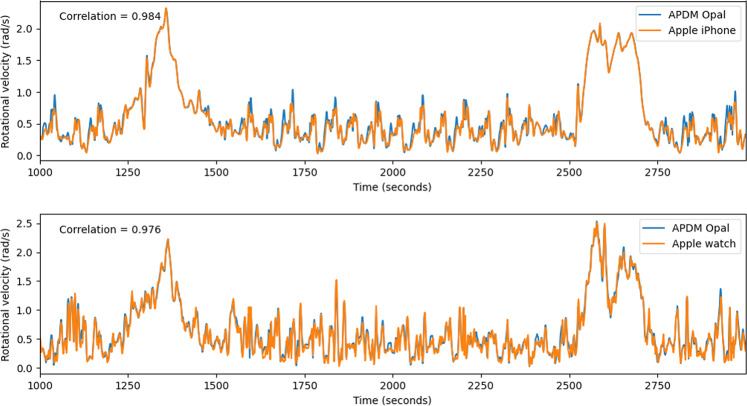
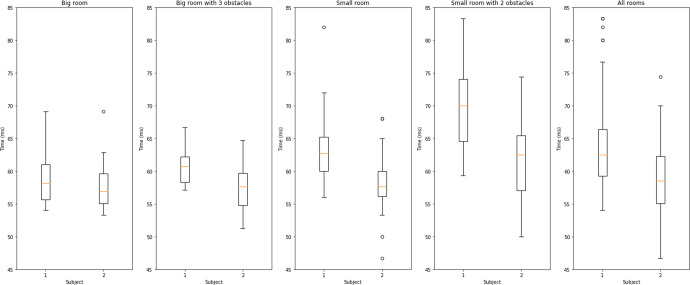
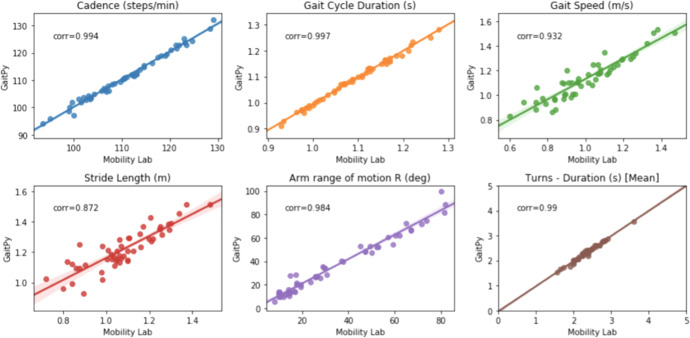
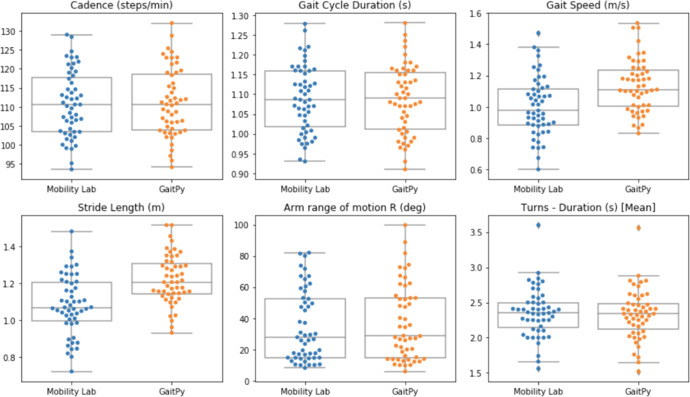
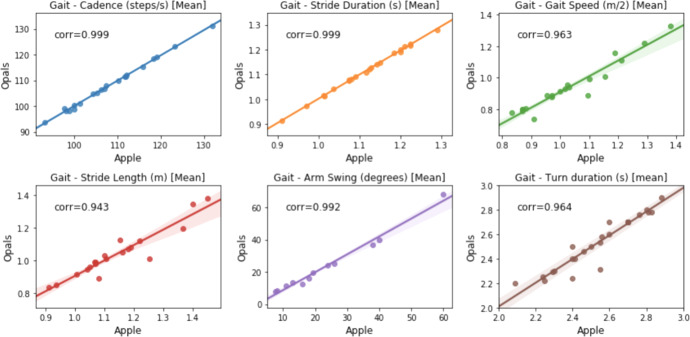
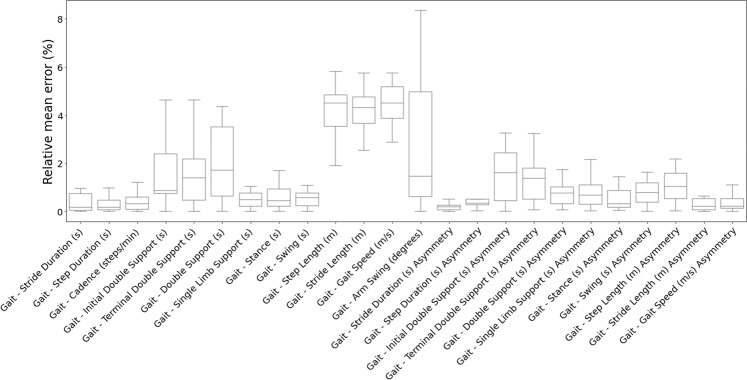
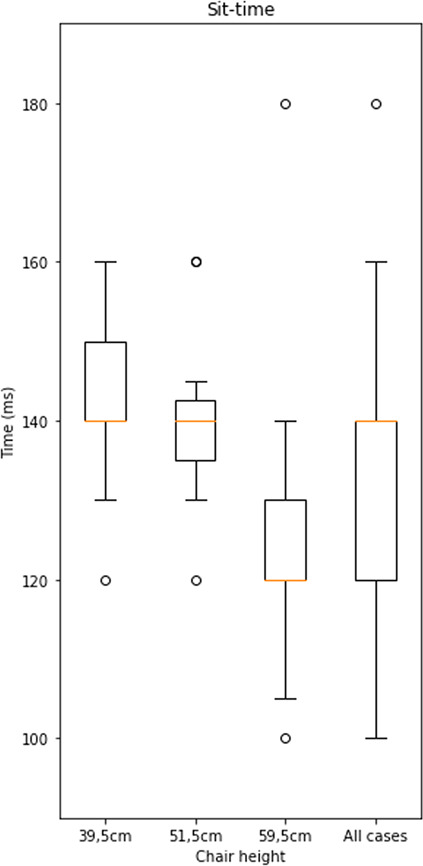
Smartphones and wearables are widely recognised as the foundation for novel Digital Health Technologies (DHTs) for the clinical assessment of Parkinson's disease. Yet, only limited progress has been made towards their regulatory acceptability as effective drug development tools. A key barrier in achieving this goal relates to the influence of a wide range of sources of variability (SoVs) introduced by measurement processes incorporating DHTs, on their ability to detect relevant changes to PD. This paper introduces a conceptual framework to assist clinical research teams investigating a specific Concept of Interest within a particular Context of Use, to identify, characterise, and when possible, mitigate the influence of SoVs. We illustrate how this conceptual framework can be applied in practice through specific examples, including two data-driven case studies.
智能手机和可穿戴设备被广泛认为是用于帕金森病临床评估的新型数字健康技术(DHT)的基础。然而,在将它们作为有效的药物开发工具获得监管认可方面,仅取得了有限的进展。实现这一目标的一个关键障碍与包含DHT的测量过程所引入的广泛变异性来源(SoV)对其检测帕金森病相关变化能力的影响有关。本文介绍了一个概念框架,以协助临床研究团队在特定的使用背景下研究特定的感兴趣概念,识别、表征并在可能的情况下减轻SoV的影响。我们通过具体示例,包括两个数据驱动的案例研究,来说明这个概念框架如何在实践中应用。