Riding Alexandra M, Loudon Kevin W, Guo Andrew, Ferdinand John R, Lok Laurence S C, Richoz Nathan, Stewart Andrew, Castro-Dopico Tomas, Tuong Zewen Kelvin, Fiancette Remi, Bowyer Georgina S, Fleming Aaron, Gillman Eleanor S, Suchanek Ondrej, Mahbubani Krishnaa T, Saeb-Parsy Kourosh, Withers David, Dougan Gordan, Clare Simon, Clatworthy Menna R
Molecular Immunity Unit, University of Cambridge Department of Medicine MRC Laboratory of Molecular Biology, Cambridge Biomedical Campus, Francis Crick Avenue, Cambridge CB2 0QH, UK.
Cambridge Institute for Therapeutic Immunology and Infectious Diseases (CITIID), Jeffrey Cheah Biomedical Centre, Cambridge Biomedical Campus, Puddicombe Way, Cambridge CB2 0AW, UK.
iScience. 2022 Jun 22;25(7):104660. doi: 10.1016/j.isci.2022.104660. eCollection 2022 Jul 15.
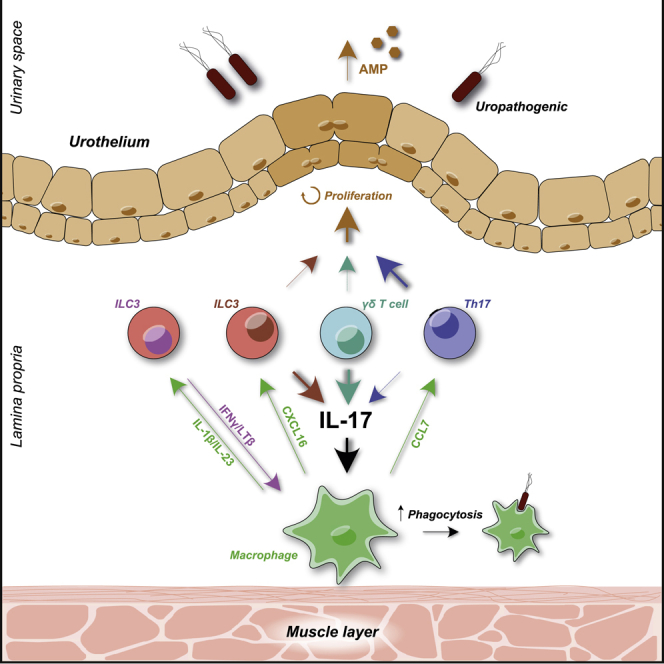
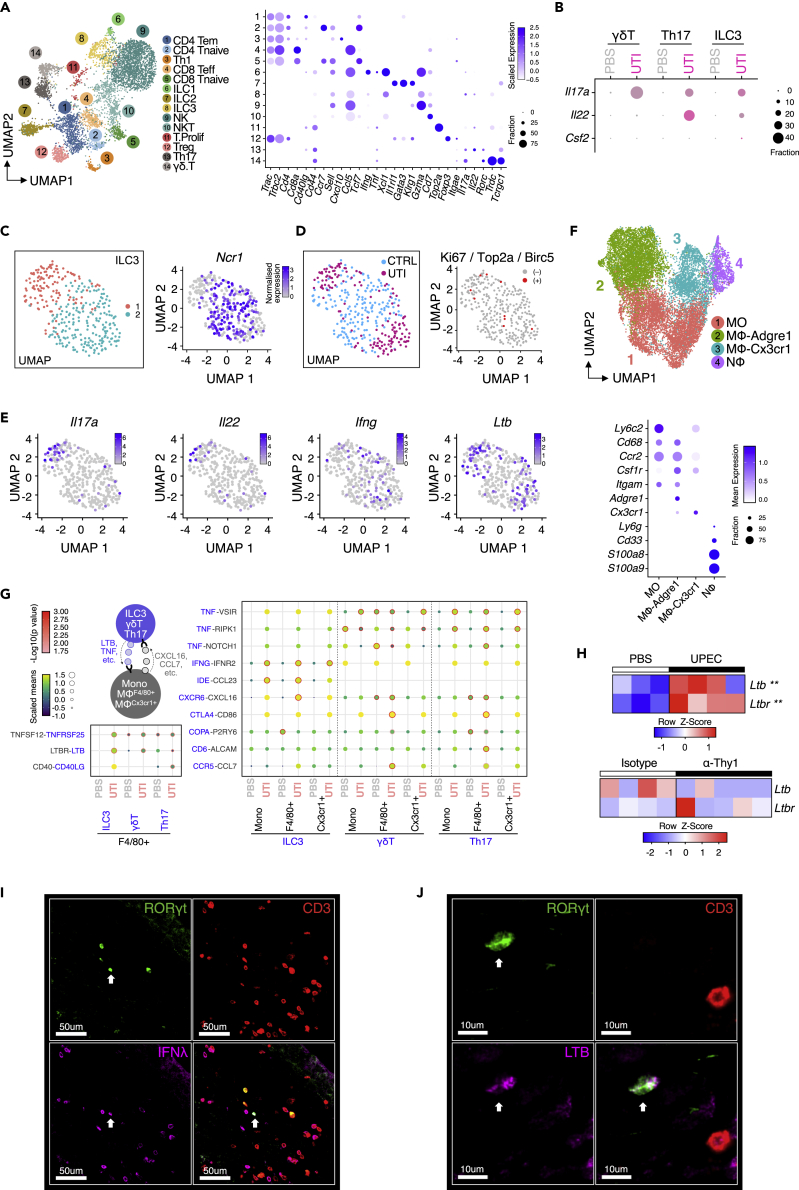
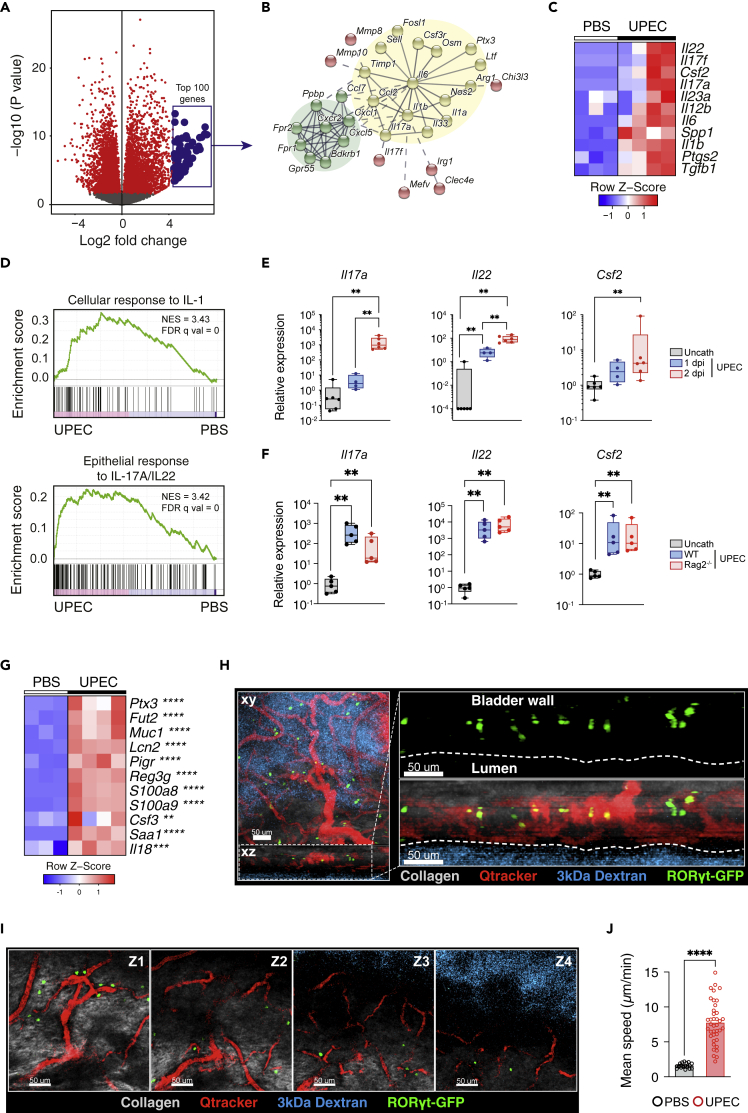
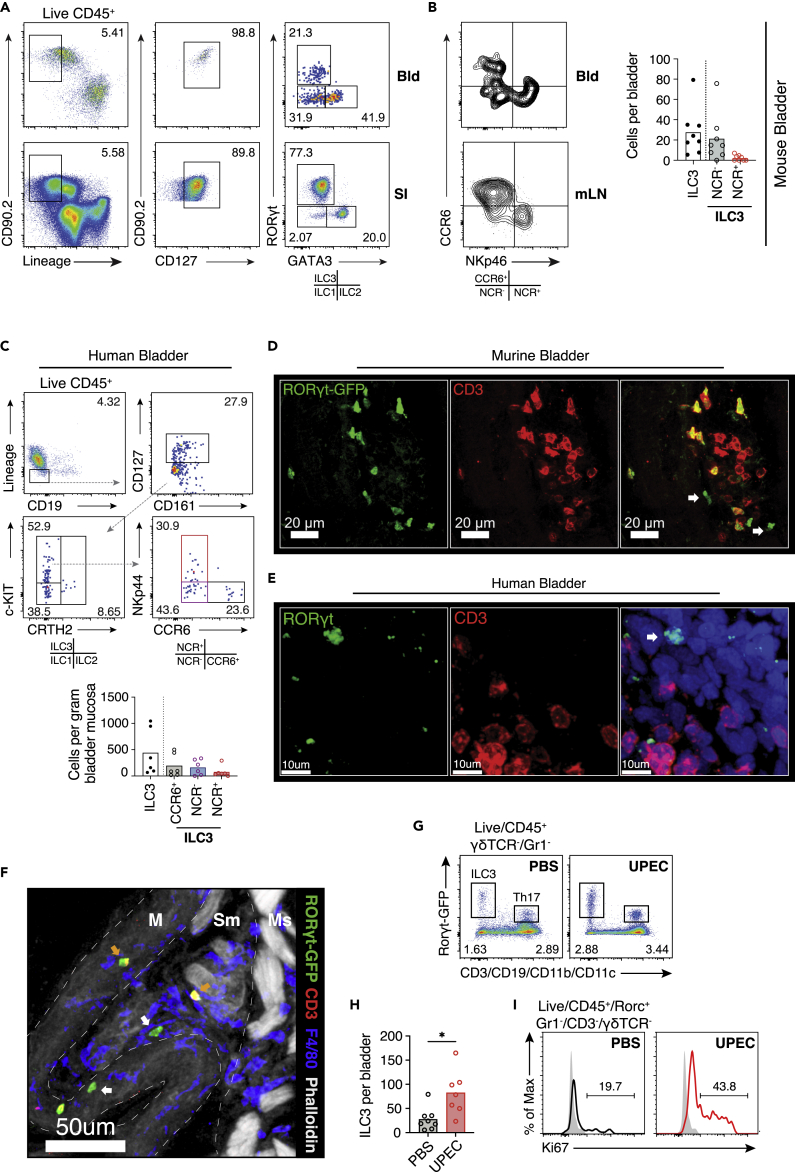
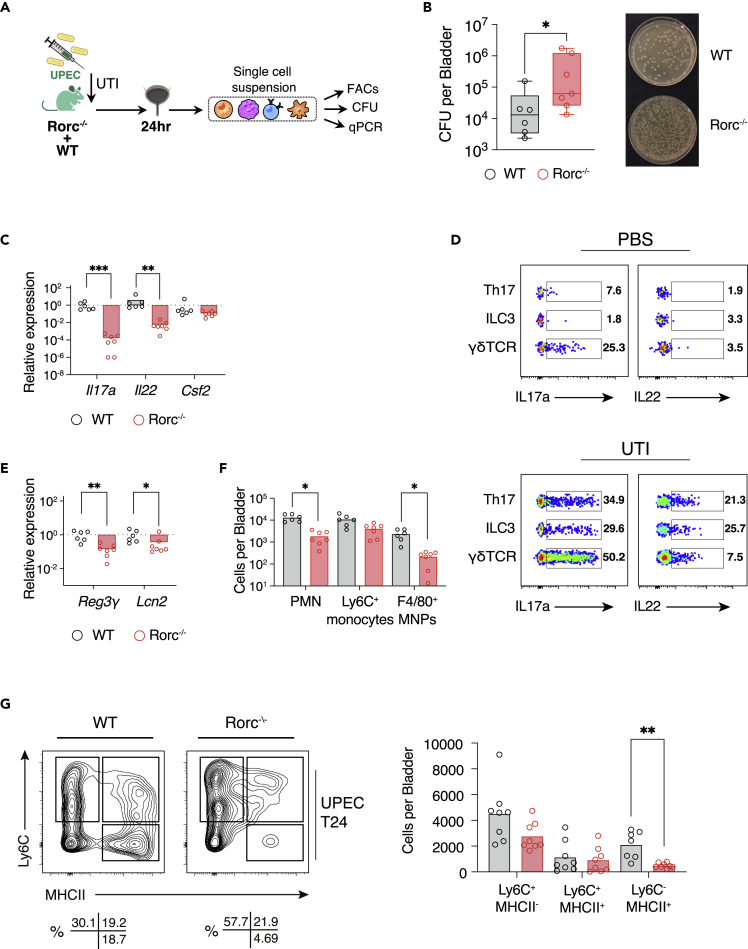
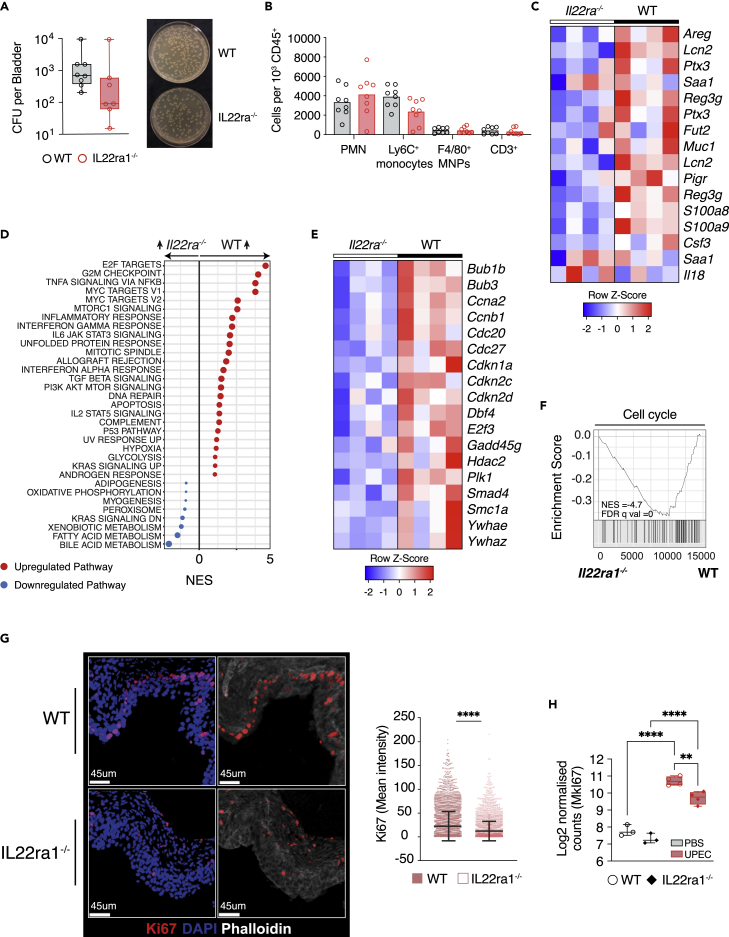
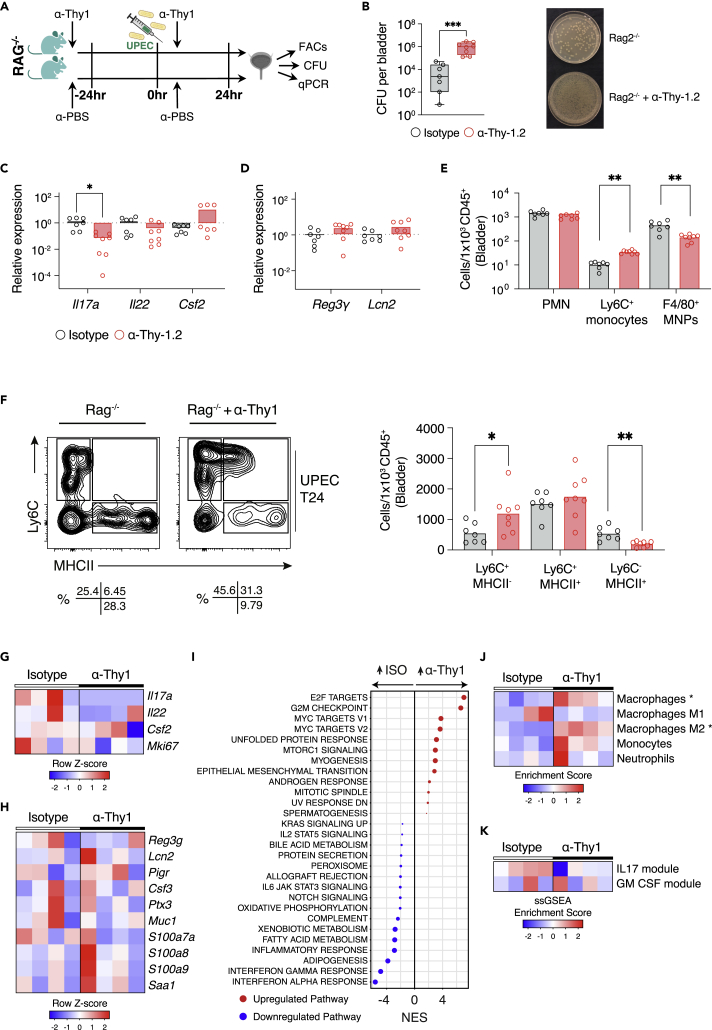
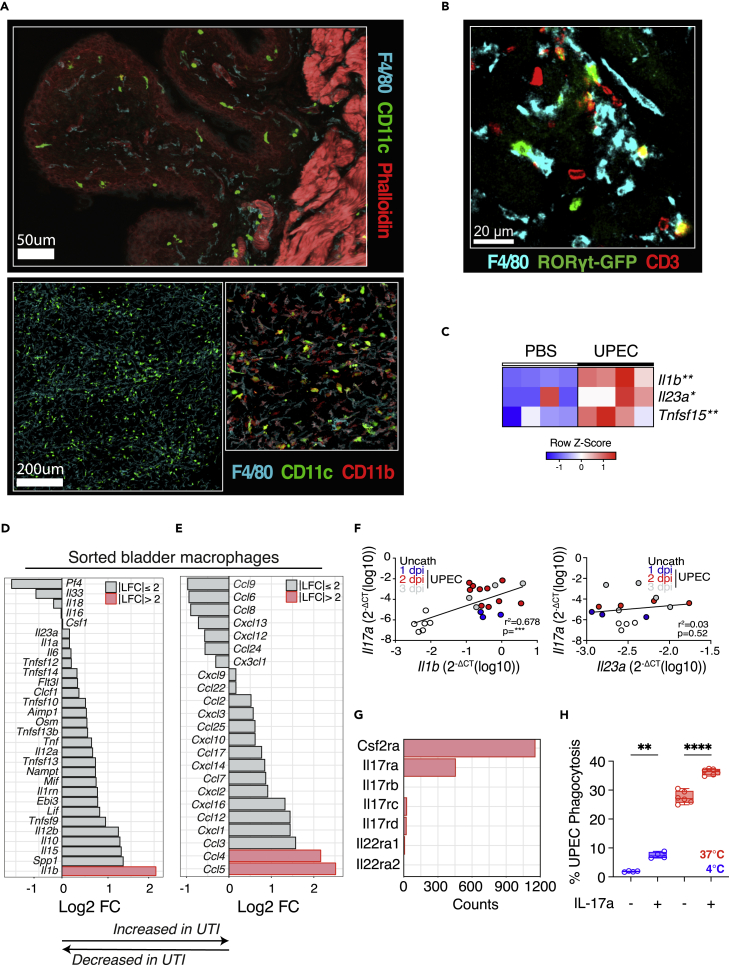
Bladder infection affects a hundred million people annually, but our understanding of bladder immunity is incomplete. We found type 17 immune response genes among the most up-regulated networks in mouse bladder following uropathogenic (UPEC) challenge. Intravital imaging revealed submucosal + cells responsive to UPEC challenge, and we found increased and transcripts in wild-type and mice, implicating group 3 innate lymphoid cells (ILC3s) as a source of these cytokines. NCR-positive and negative ILC3 subsets were identified in murine and human bladders, with local proliferation increasing IL17-producing ILC3s post infection. ILC3s made a more limited contribution to bladder IL22, with prominent early induction of IL22 evident in Th17 cells. Single-cell RNA sequencing revealed bladder NCR-negative ILC3s as the source of IL17 and identified putative ILC3-myeloid cell interactions, including via lymphotoxin-β-LTBR. Altogether, our data provide important insights into the orchestration and execution of type 17 immunity in bladder defense.
膀胱感染每年影响着一亿人,但我们对膀胱免疫的了解并不完整。我们发现,在尿路致病性大肠杆菌(UPEC)攻击后,17型免疫反应基因在小鼠膀胱中上调最为明显的网络中。活体成像显示,粘膜下细胞对UPEC攻击有反应,并且我们在野生型和小鼠中发现转录本增加,这表明3型天然淋巴细胞(ILC3s)是这些细胞因子的来源。在小鼠和人类膀胱中鉴定出了NCR阳性和阴性ILC3亚群,感染后局部增殖增加了产生IL-17的ILC3s。ILC3s对膀胱IL-22的贡献更为有限,Th17细胞中IL-22的早期诱导明显。单细胞RNA测序揭示膀胱NCR阴性ILC3s是IL-17的来源,并确定了推定的ILC3-髓样细胞相互作用,包括通过淋巴毒素-β-LTBR。总之,我们的数据为膀胱防御中17型免疫的协调和执行提供了重要见解。