Research Laboratory of Infection Biology, Department of Medicine I, Medical University of Vienna, Vienna, Austria.
CeMM, Research Center for Molecular Medicine of the Austrian Academy of Sciences, Vienna, Austria.
Mucosal Immunol. 2022 May;15(5):896-907. doi: 10.1038/s41385-022-00528-5. Epub 2022 Jul 18.
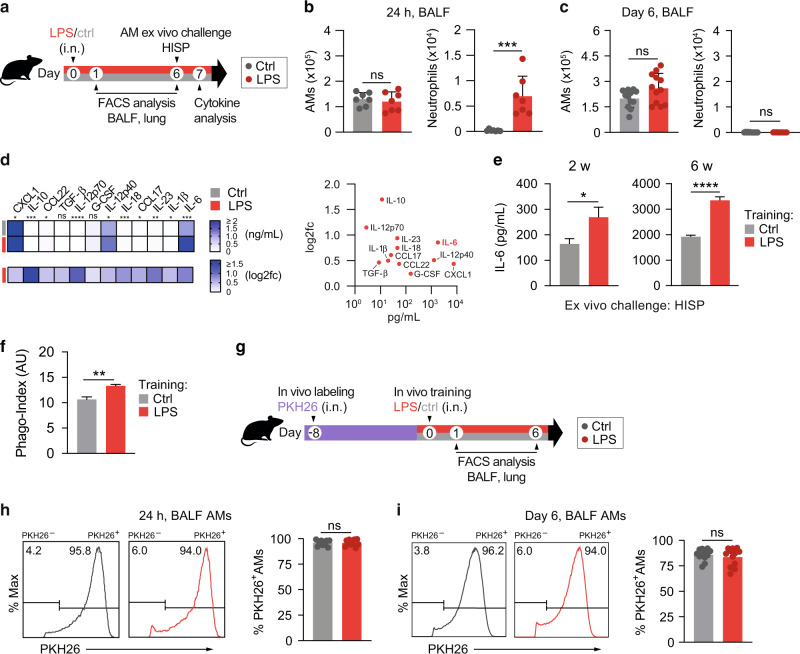
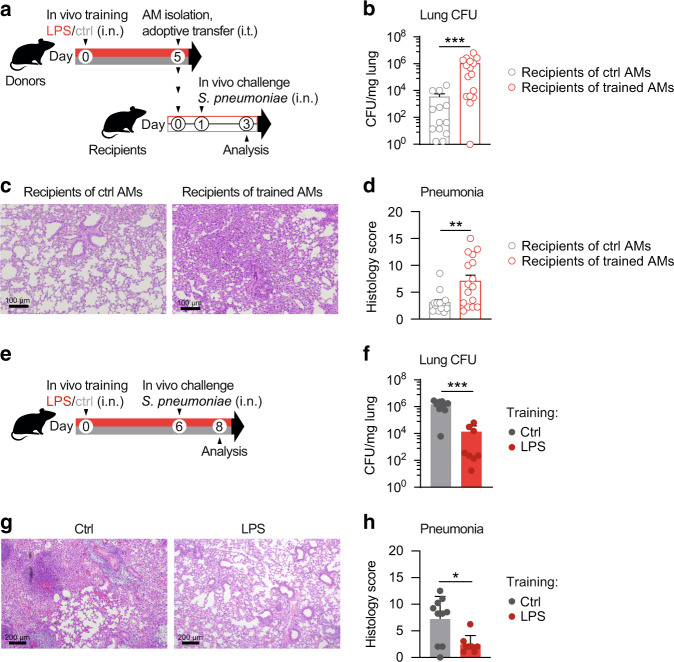
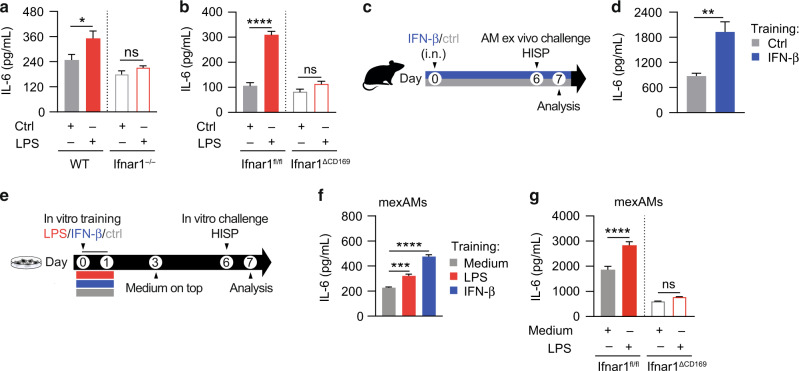
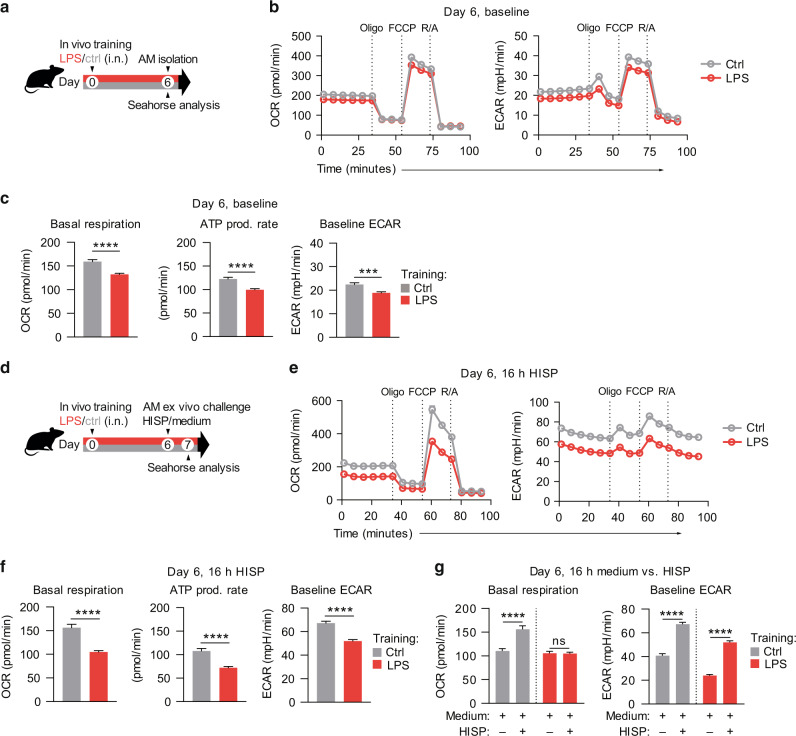
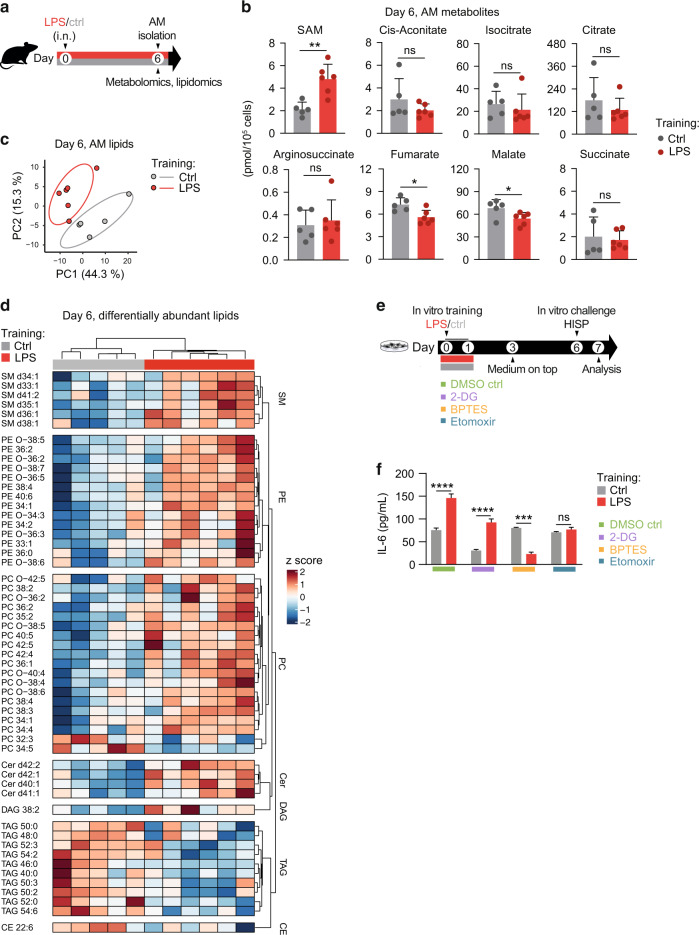
Environmental microbial triggers shape the development and functionality of the immune system. Alveolar macrophages (AMs), tissue-resident macrophages of the lungs, are in constant and direct contact with inhaled particles and microbes. Such exposures likely impact AM reactivity to subsequent challenges by immunological imprinting mechanisms referred to as trained immunity. Here, we investigated whether a ubiquitous microbial compound has the potential to induce AM training in vivo. We discovered that intranasal exposure to ambient amounts of lipopolysaccharide (LPS) induced a pronounced AM memory response, characterized by enhanced reactivity upon pneumococcal challenge. Exploring the mechanistic basis of AM training, we identified a critical role of type 1 interferon signaling and found that inhibition of fatty acid oxidation and glutaminolysis significantly attenuated the training effect. Notably, adoptive transfer of trained AMs resulted in increased bacterial loads and tissue damage upon subsequent pneumococcal infection. In contrast, intranasal pre-exposure to LPS promoted bacterial clearance, highlighting the complexity of stimulus-induced immune responses, which likely involve multiple cell types and may depend on the local immunological and metabolic environment. Collectively, our findings demonstrate the profound impact of ambient microbial exposure on pulmonary immune memory and reveal tissue-specific features of trained immunity.
环境微生物触发因素塑造了免疫系统的发育和功能。肺泡巨噬细胞(AMs)是肺部的组织驻留巨噬细胞,它们与吸入的颗粒和微生物保持持续和直接的接触。这种暴露可能通过被称为训练免疫的免疫印记机制影响 AM 对后续挑战的反应性。在这里,我们研究了一种普遍存在的微生物化合物是否有可能在体内诱导 AM 训练。我们发现,鼻腔内暴露于环境浓度的脂多糖(LPS)会诱导明显的 AM 记忆反应,其特征是在肺炎球菌挑战时反应性增强。在探索 AM 训练的机制基础时,我们确定了 1 型干扰素信号的关键作用,并发现抑制脂肪酸氧化和谷氨酰胺分解显著减弱了训练效果。值得注意的是,经过训练的 AM 的过继转移会导致随后的肺炎球菌感染时细菌负荷和组织损伤增加。相比之下,鼻腔内预先暴露于 LPS 可促进细菌清除,突出了刺激诱导的免疫反应的复杂性,这可能涉及多种细胞类型,并且可能取决于局部免疫和代谢环境。总之,我们的研究结果表明,环境微生物暴露对肺部免疫记忆有深远影响,并揭示了训练免疫的组织特异性特征。