Sun Wei, Zhang Yaofang, Kang Weimin, Deng Nanping, Wang Xiaoxiao, Kang Xiaoying, Yan Zirui, Pan Yingwen, Ni Jian
State Key Laboratory of Separation Membranes and Membrane Processes, Tiangong University Tianjin 300387 PR China.
School of Physical Science and Technology, Tiangong University Tianjin 300387 PR China.
RSC Adv. 2022 Jul 6;12(30):19512-19527. doi: 10.1039/d2ra01532c. eCollection 2022 Jun 29.
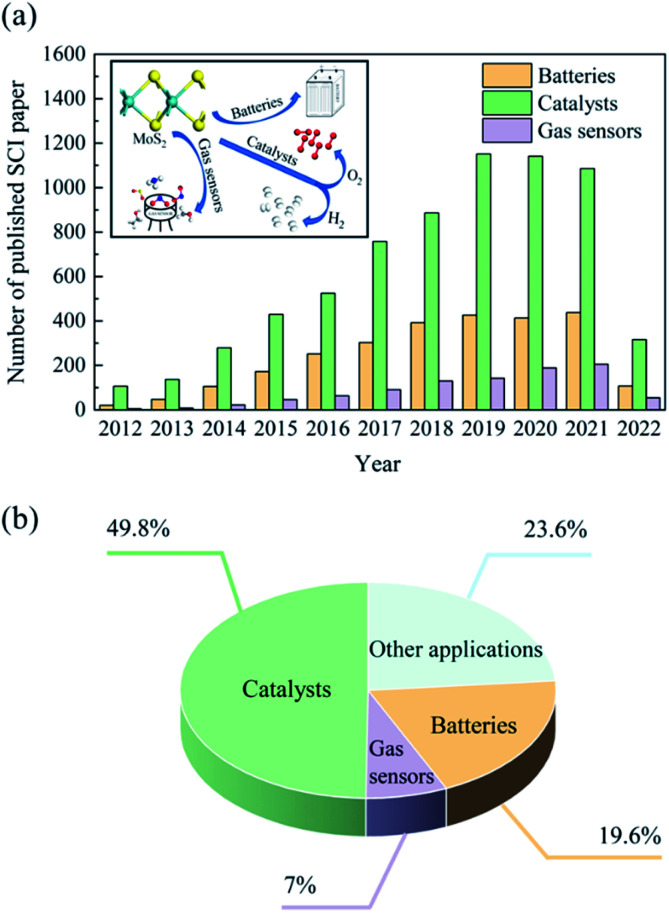
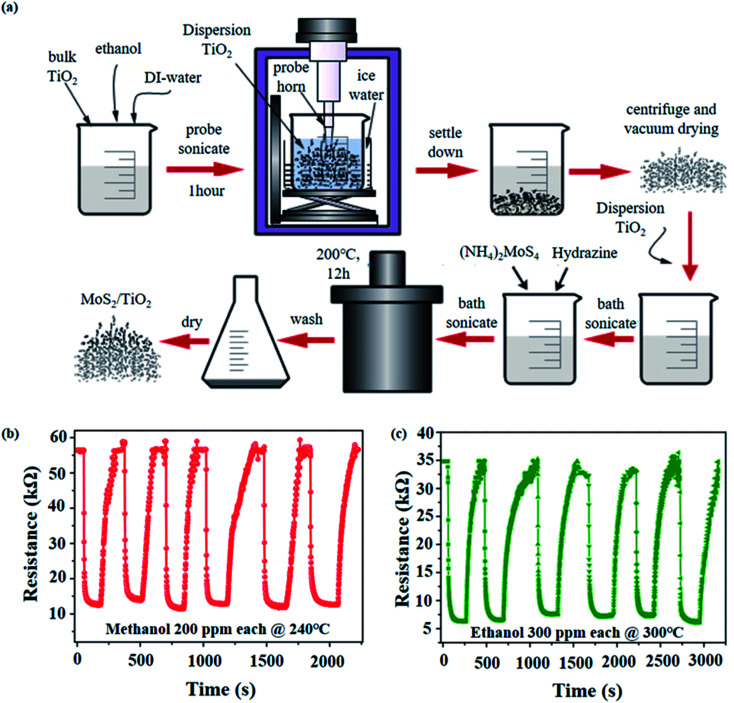
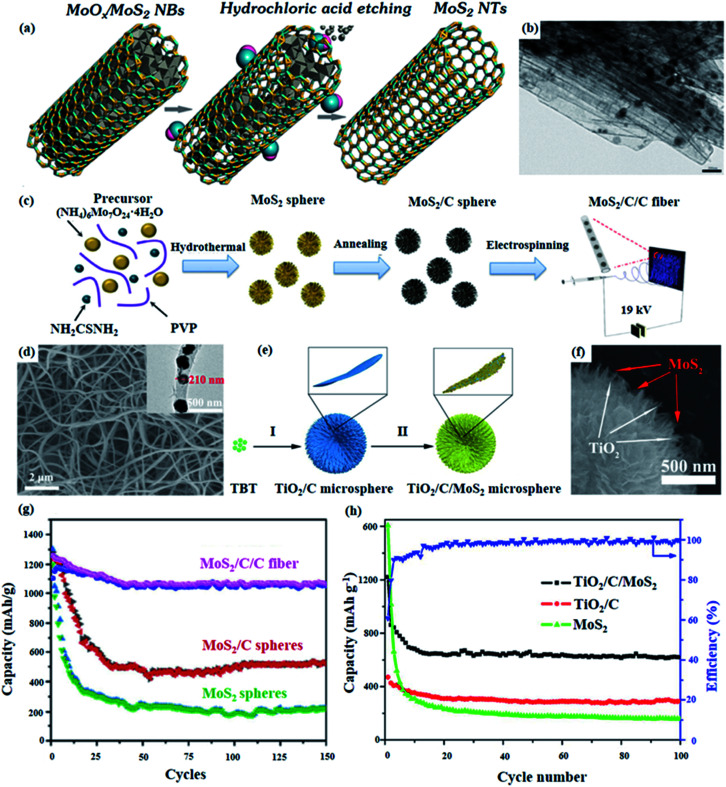
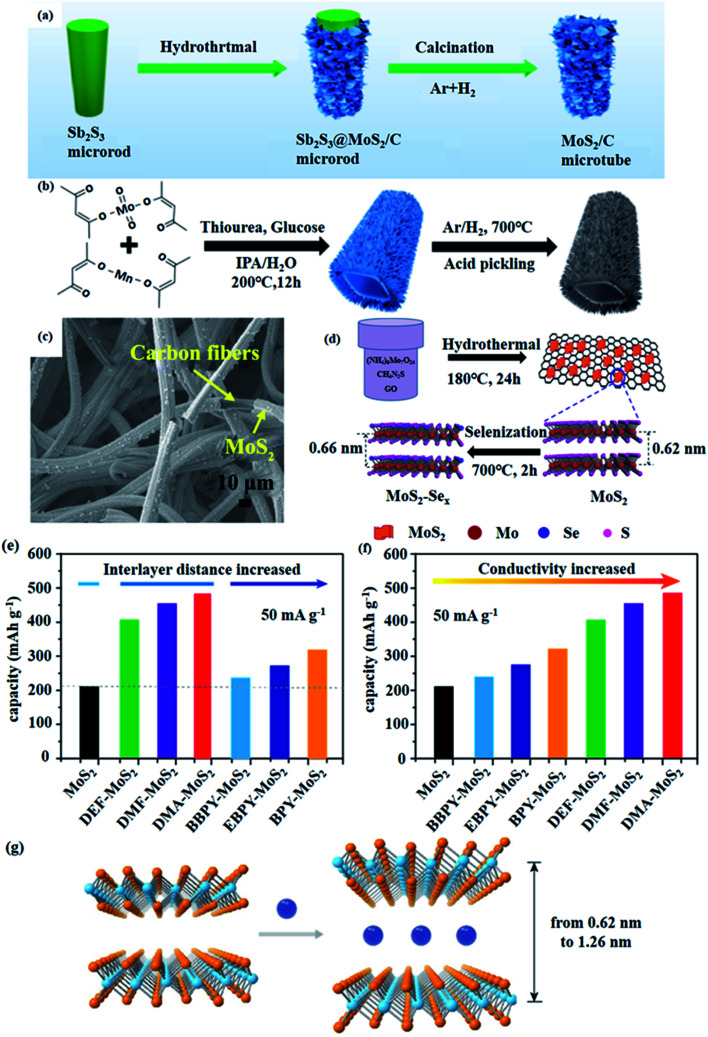
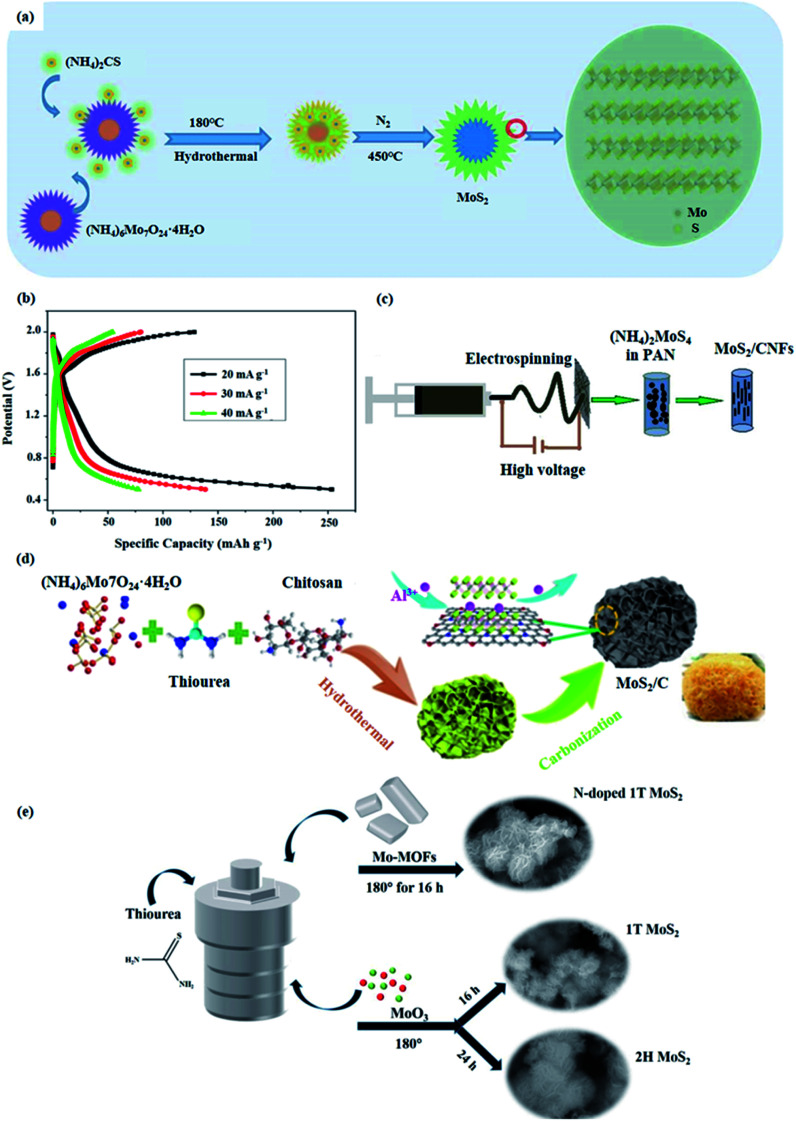
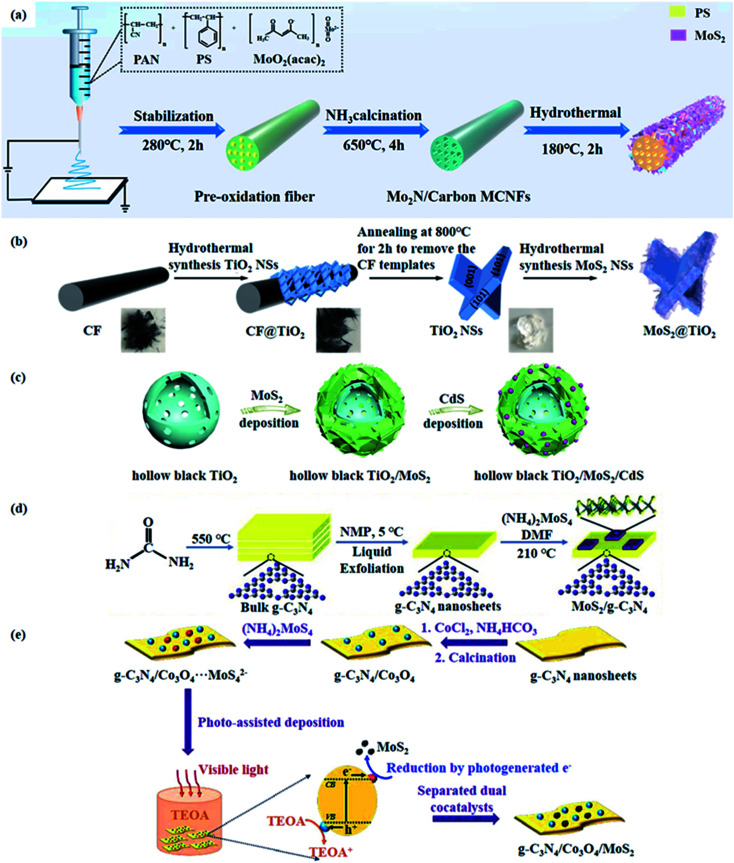
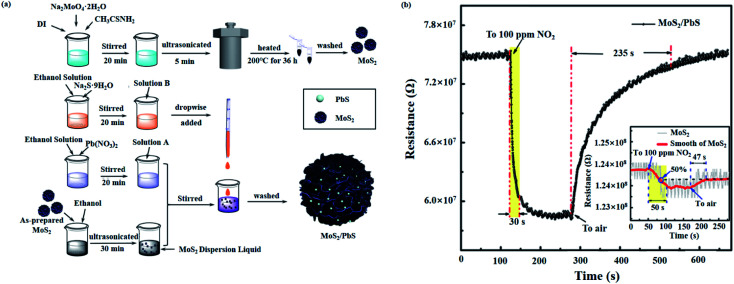
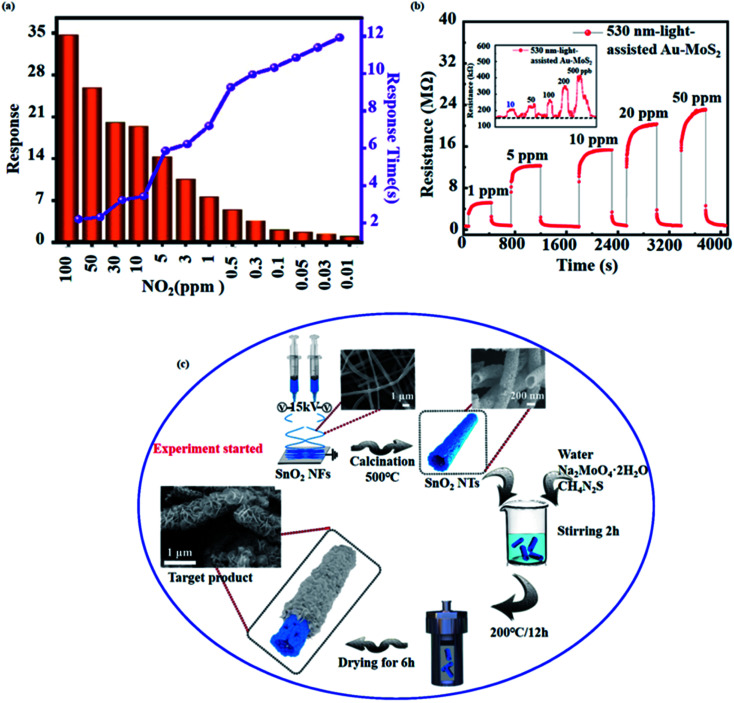
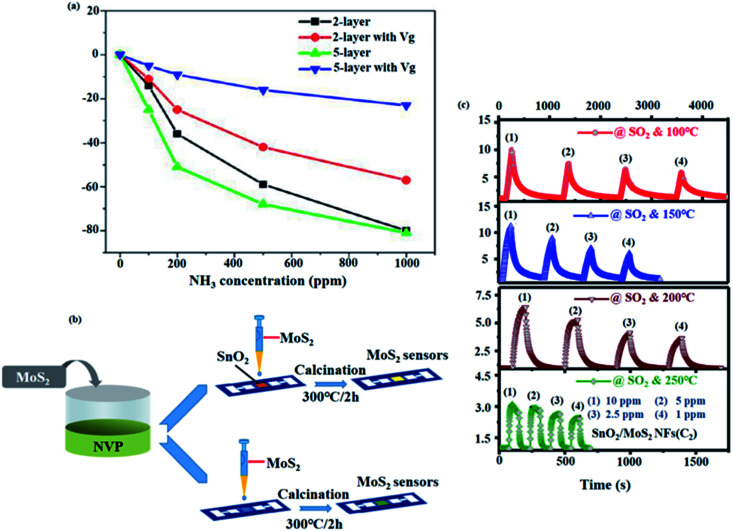
Molybdenum disulfide (MoS) is a two-dimensional (2D) layered material with a graphene-like structure that has attracted attention because of its large specific surface area and abundant active sites. In addition, the compounding of MoS with other materials can enhance the performance in applications such as batteries, catalysts, and optoelectronic devices, MoS is prepared by various methods, among which chemical deposition and hydrothermal methods are widely used. In this review, we focus on summarizing the applications of MoS and MoS composite nanomaterials in rechargeable ion batteries, catalysts for water splitting and gas sensors, and briefly outline the preparation methods.
二硫化钼(MoS)是一种具有类石墨烯结构的二维(2D)层状材料,因其大比表面积和丰富的活性位点而备受关注。此外,MoS与其他材料复合可提高在电池、催化剂和光电器件等应用中的性能。MoS可通过多种方法制备,其中化学沉积法和水热法被广泛使用。在本综述中,我们重点总结MoS及MoS复合纳米材料在可充电离子电池、水分解催化剂和气体传感器中的应用,并简要概述其制备方法。