Pisana Alice, Wettermark Björn, Kurdi Amanj, Tubic Biljana, Pontes Caridad, Zara Corinne, Van Ganse Eric, Petrova Guenka, Mardare Ileana, Fürst Jurij, Roig-Izquierdo Marta, Melien Oyvind, Bonanno Patricia Vella, Banzi Rita, Marković-Peković Vanda, Mitkova Zornitsa, Godman Brian
Department of Global Public Health, Karolinska Institutet, Stockholm, Sweden.
Department of Pharmacy, Faculty of Pharmacy, Disciplinary Domain of Medicine and Pharmacy, Uppsala University, Uppsala, Sweden.
Front Pharmacol. 2022 Jun 16;13:873556. doi: 10.3389/fphar.2022.873556. eCollection 2022.
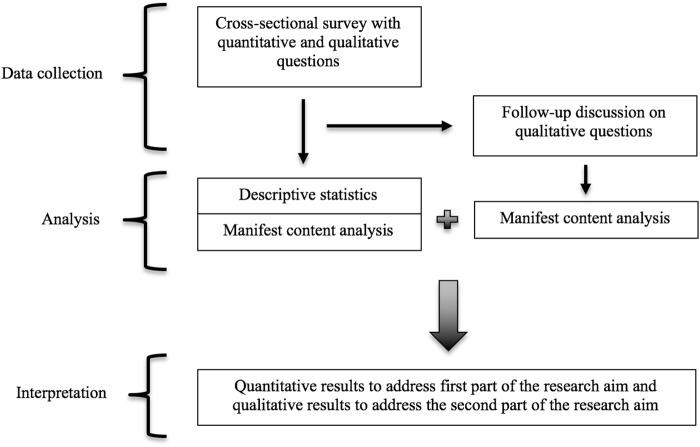
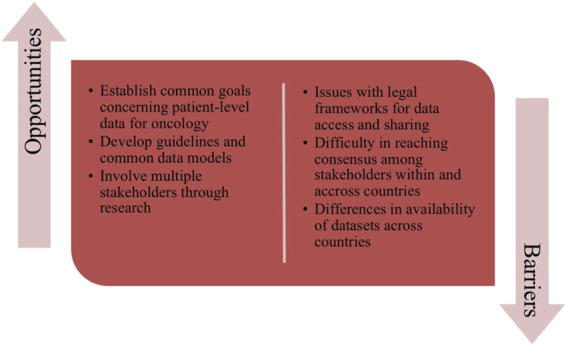
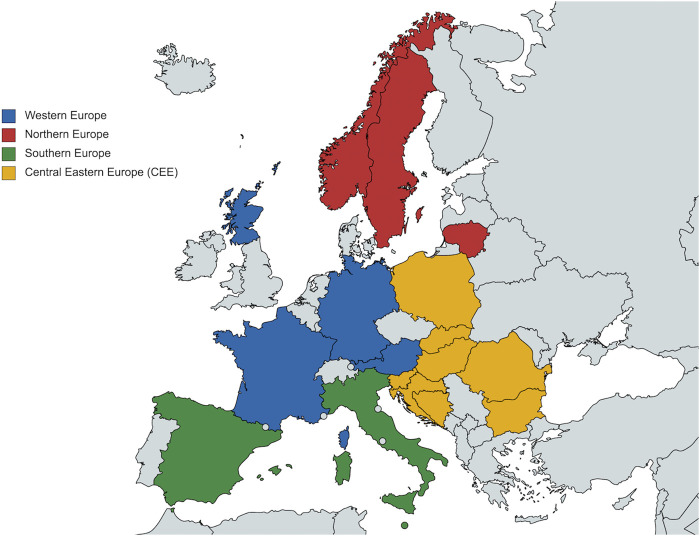
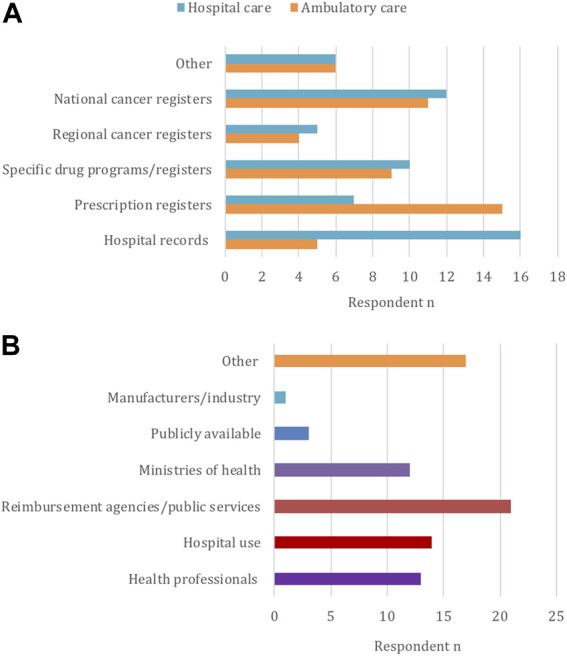
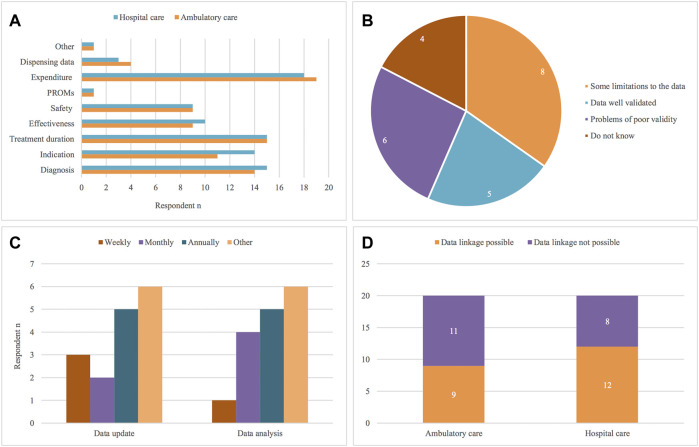
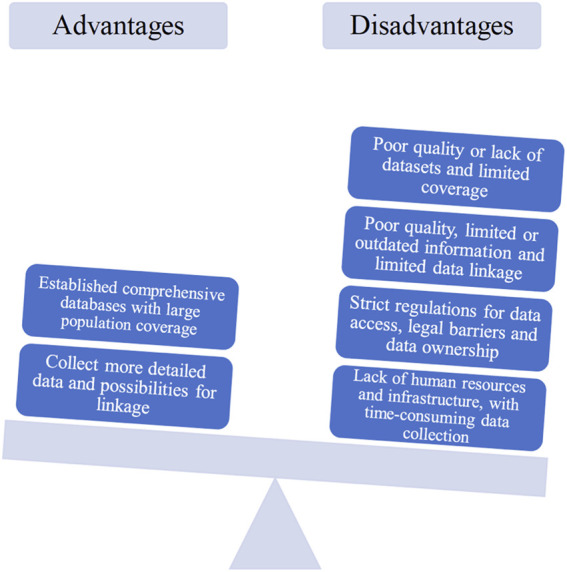
Rising expenditure for new cancer medicines is accelerating concerns that their costs will become unsustainable for universal healthcare access. Moreover, early market access of new oncology medicines lacking appropriate clinical evaluation generates uncertainty over their cost-effectiveness and increases expenditure for unknown health gain. Patient-level data can complement clinical trials and generate better evidence on the effectiveness, safety and outcomes of these new medicines in routine care. This can support policy decisions including funding. Consequently, there is a need for improving datasets for establishing real-world outcomes of newly launched oncology medicines. To outline the types of available datasets for collecting patient-level data for oncology among different European countries. Additionally, to highlight concerns regarding the use and availability of such data from a health authority perspective as well as possibilities for cross-national collaboration to improve data collection and inform decision-making. A mixed methods approach was undertaken through a cross-sectional questionnaire followed-up by a focus group discussion. Participants were selected by purposive sampling to represent stakeholders across different European countries and healthcare settings. Descriptive statistics were used to analyze quantifiable questions, whilst content analysis was employed for open-ended questions. 25 respondents across 18 European countries provided their insights on the types of datasets collecting oncology data, including hospital records, cancer, prescription and medicine registers. The most available is expenditure data whilst data concerning effectiveness, safety and outcomes is less available, and there are concerns with data validity. A major constraint to data collection is the lack of comprehensive registries and limited data on effectiveness, safety and outcomes of new medicines. Data ownership limits data accessibility as well as possibilities for linkage, and data collection is time-consuming, necessitating dedicated staff and better systems to facilitate the process. Cross-national collaboration is challenging but the engagement of multiple stakeholders is a key step to reach common goals through research. This study acts as a starting point for future research on patient-level databases for oncology across Europe. Future recommendations will require continued engagement in research, building on current initiatives and involving multiple stakeholders to establish guidelines and commitments for transparency and data sharing.
新型癌症药物支出的不断增加,正加速人们对其成本将使全民医疗保健难以承受的担忧。此外,缺乏适当临床评估的新型肿瘤药物过早进入市场,使其成本效益存在不确定性,并增加了在健康获益不明的情况下的支出。患者层面的数据可以补充临床试验,并为这些新药在常规治疗中的有效性、安全性和疗效提供更好的证据。这可以为包括资金分配在内的政策决策提供支持。因此,需要改进数据集,以确立新上市肿瘤药物的真实世界疗效。概述不同欧洲国家用于收集肿瘤学患者层面数据的可用数据集类型。此外,从卫生当局的角度强调对此类数据的使用和可得性的担忧,以及跨国合作改善数据收集并为决策提供信息的可能性。采用了混合方法,先进行横断面问卷调查,随后进行焦点小组讨论。通过目的抽样选择参与者,以代表不同欧洲国家和医疗环境中的利益相关者。描述性统计用于分析可量化问题,而内容分析用于开放式问题。来自18个欧洲国家的25名受访者就收集肿瘤学数据的数据集类型提供了见解,包括医院记录、癌症、处方和药品登记册。最容易获得的是支出数据,而关于有效性、安全性和疗效的数据较难获得,并且存在数据有效性方面的担忧。数据收集的一个主要制约因素是缺乏综合登记册,以及关于新药有效性、安全性和疗效的数据有限。数据所有权限制了数据的可获取性以及数据关联的可能性,并且数据收集耗时,需要有专门的工作人员和更好的系统来促进这一过程。跨国合作具有挑战性,但让多个利益相关者参与是通过研究实现共同目标的关键一步。本研究是欧洲未来肿瘤学患者层面数据库研究的起点。未来的建议将需要在当前举措的基础上继续参与研究,并让多个利益相关者参与,以建立透明度和数据共享的指导方针和承诺。