Universitat Jaume I, Castelló, 12071, Spain.
Microsoft Corporation, Washington, USA.
Sci Rep. 2022 Jul 22;12(1):12543. doi: 10.1038/s41598-022-16628-y.
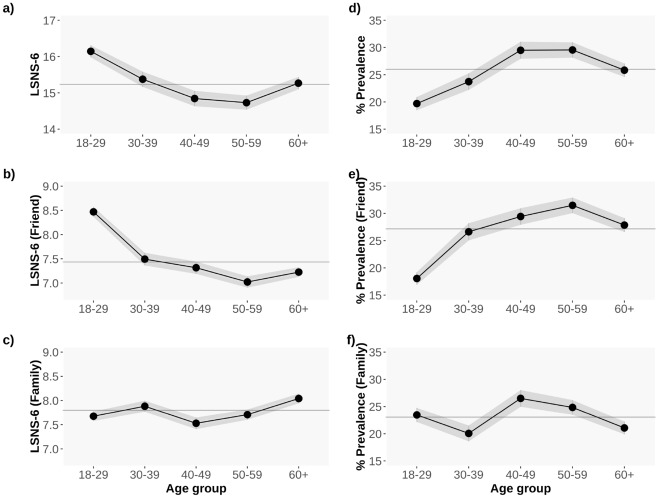
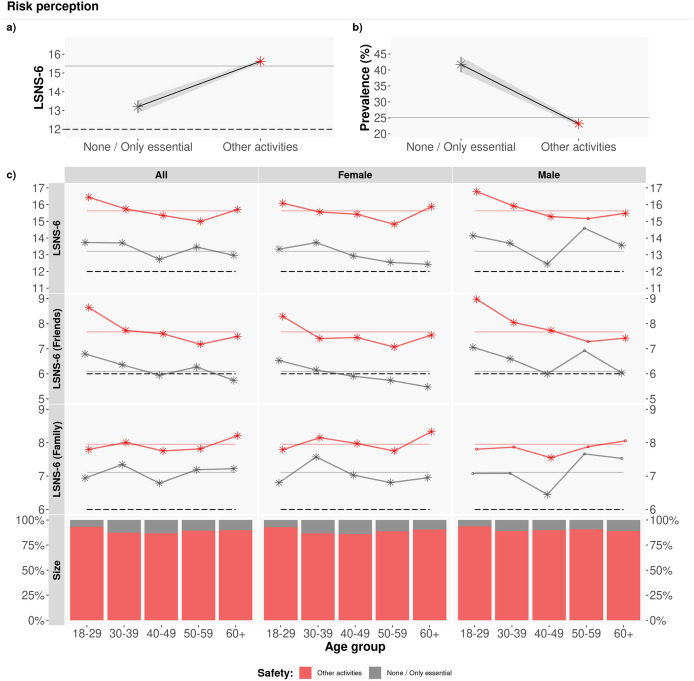
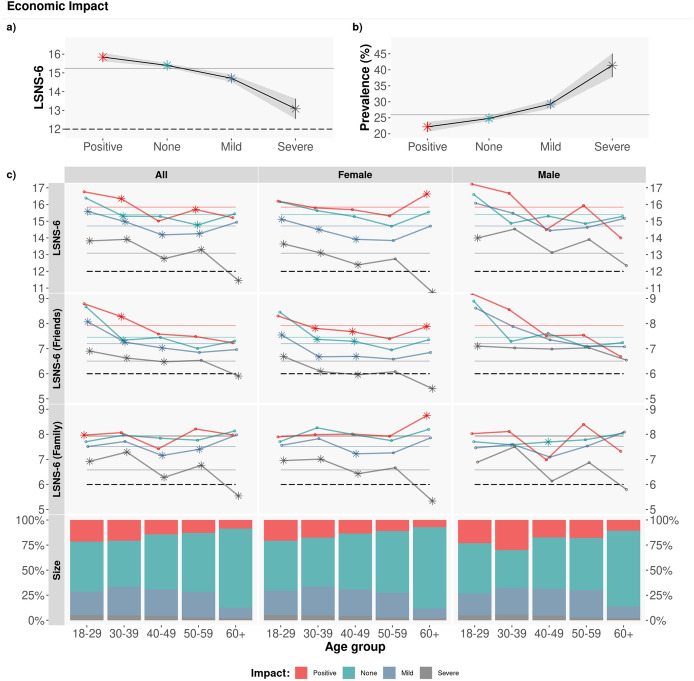
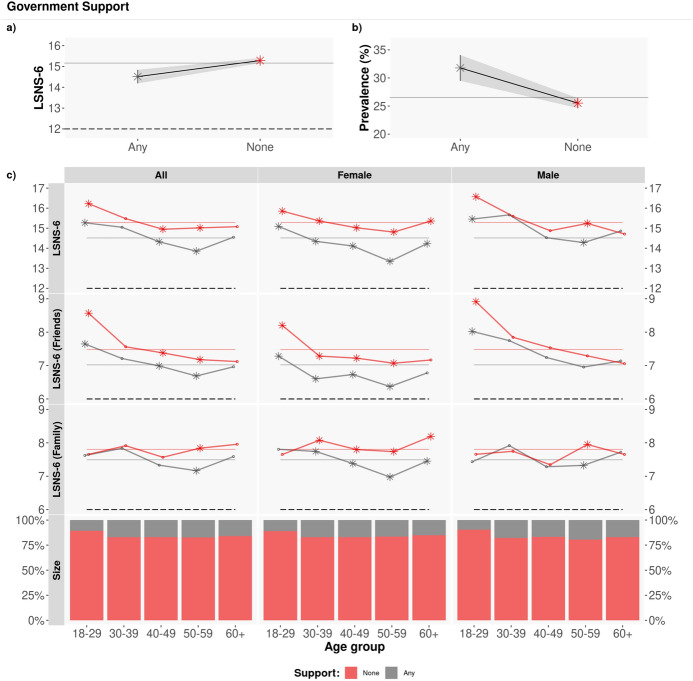
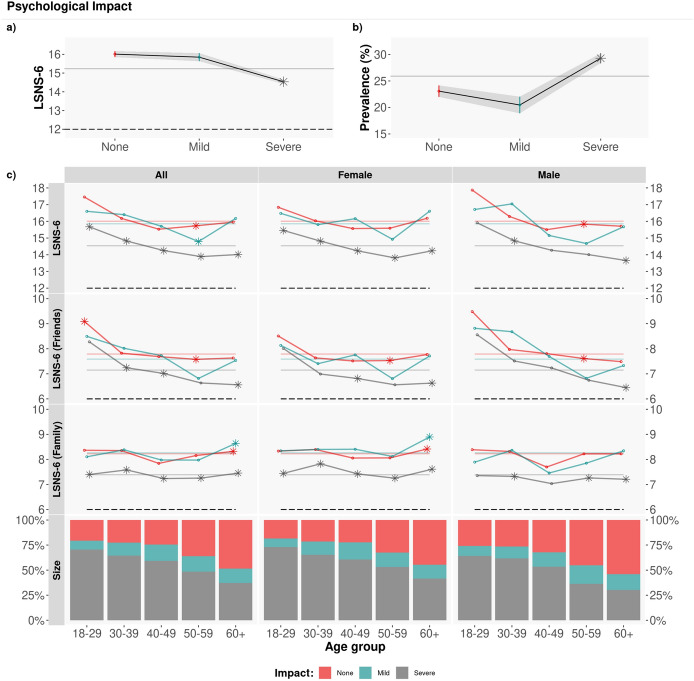
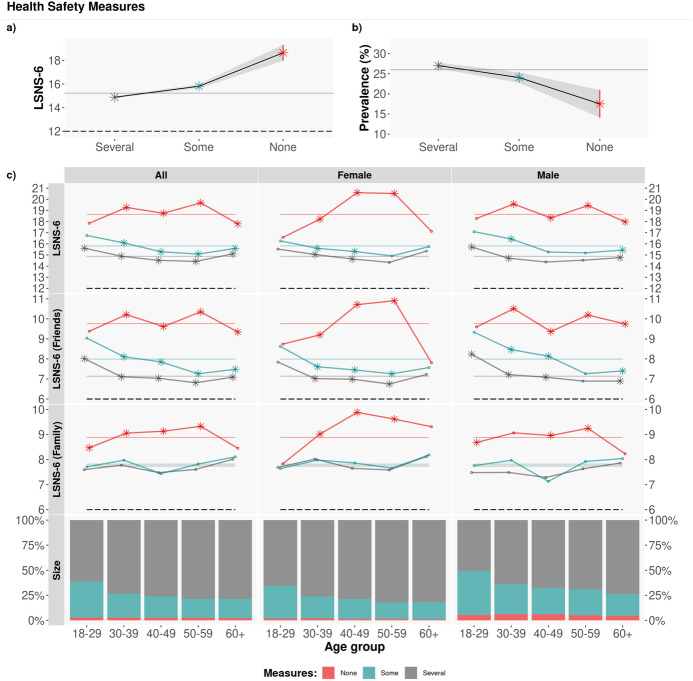
Since March of 2020, billions of people worldwide have been asked to limit their social contacts in an effort to contain the spread of the SARS-CoV-2 virus. However, little research has been carried out to date on the impact of such social distancing measures on the social isolation levels of the population. In this paper, we study the impact of the pandemic on the social isolation of the Spanish population, by means of 32,359 answers to a citizen survey collected over a period of 7 months. We uncover (1) a significant increase in the prevalence of social isolation in the population, reaching almost 26%; (2) gender and age differences, with the largest prevalence of isolation among middle-aged individuals; (3) a strong relationship between economic impact and social isolation; and (4) differences in social isolation, depending on the number of COVID-19 protection measures and on the perception of coronavirus infection risk by our participants. Our research sheds quantitative light on the sociological impact of the pandemic, and enables us to identify key factors in the interplay between the deployment of non-pharmaceutical interventions to contain the spread of an infectious disease and a population's levels of social isolation.
自 2020 年 3 月以来,全球数十亿人被要求限制社交接触,以努力控制 SARS-CoV-2 病毒的传播。然而,迄今为止,针对这些社交距离措施对人群社会隔离程度的影响的研究甚少。在本文中,我们通过收集了 7 个月的 32359 个公民调查回答,研究了大流行对西班牙人口社会隔离的影响。我们揭示了(1)人群中社会隔离的流行率显著增加,达到近 26%;(2)存在性别和年龄差异,隔离的最大流行率出现在中年人群中;(3)经济影响与社会隔离之间存在很强的关系;(4)根据参与者对 COVID-19 保护措施的认知和对冠状病毒感染风险的感知,社会隔离存在差异。我们的研究为大流行的社会学影响提供了定量的认识,并使我们能够确定在非药物干预措施的部署与传染病传播和人群社会隔离程度之间相互作用的关键因素。