College of Chemistry, Key Laboratory of Functional Polymer Materials (Ministry of Education), State Key Laboratory of Elemento-Organic Chemistry, Nankai University, Tianjin, 300071, China.
Nat Commun. 2022 Jul 25;13(1):4293. doi: 10.1038/s41467-022-31986-x.
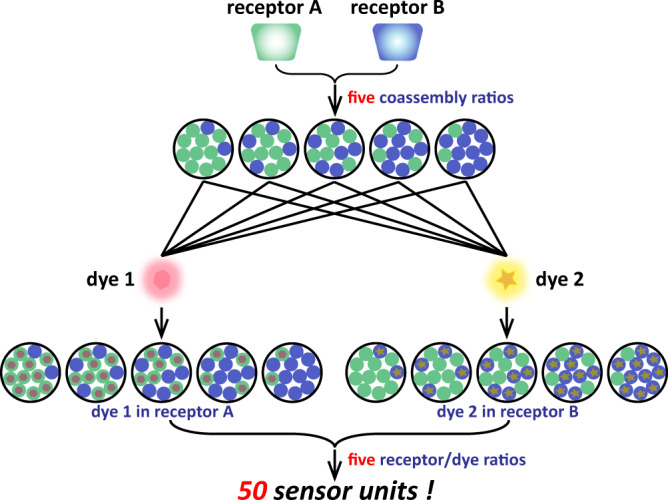
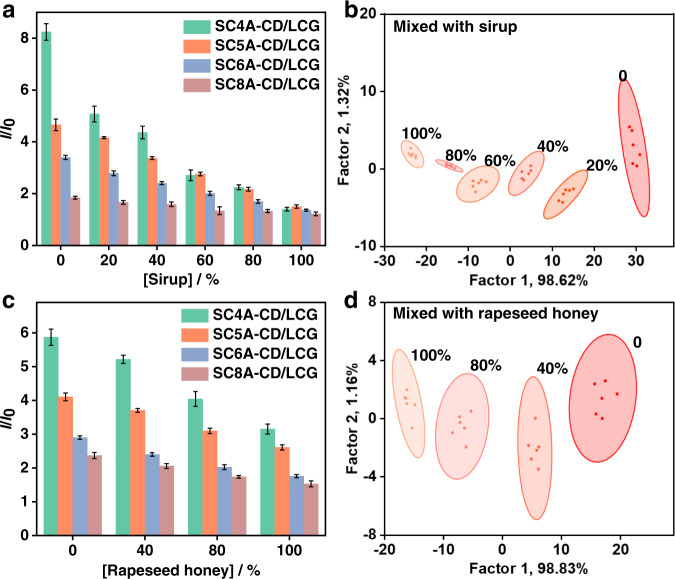
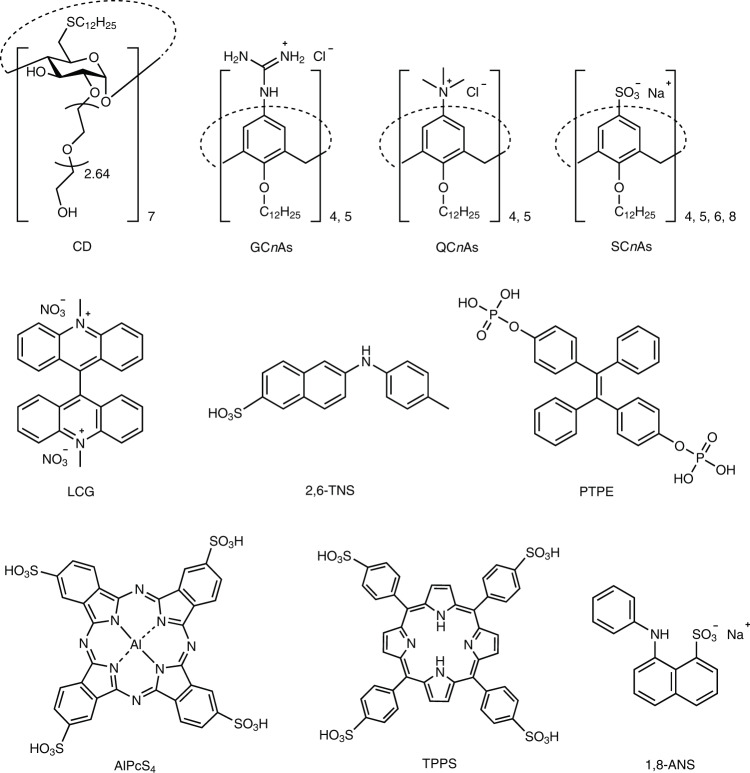
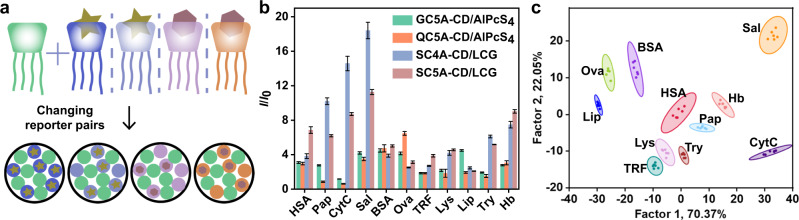
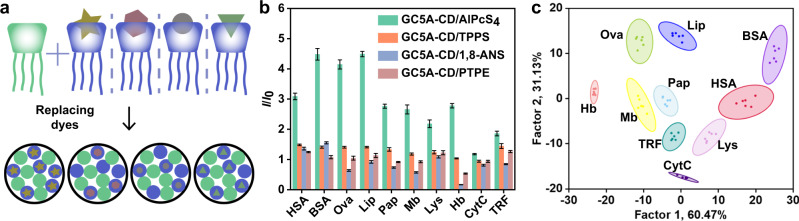
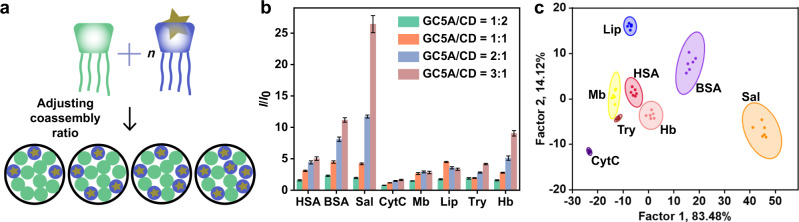
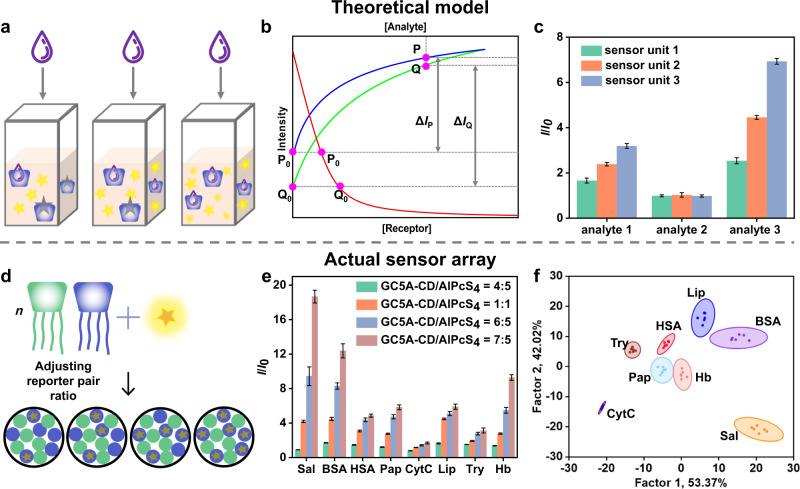
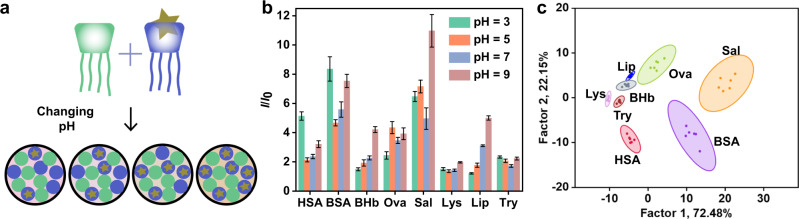
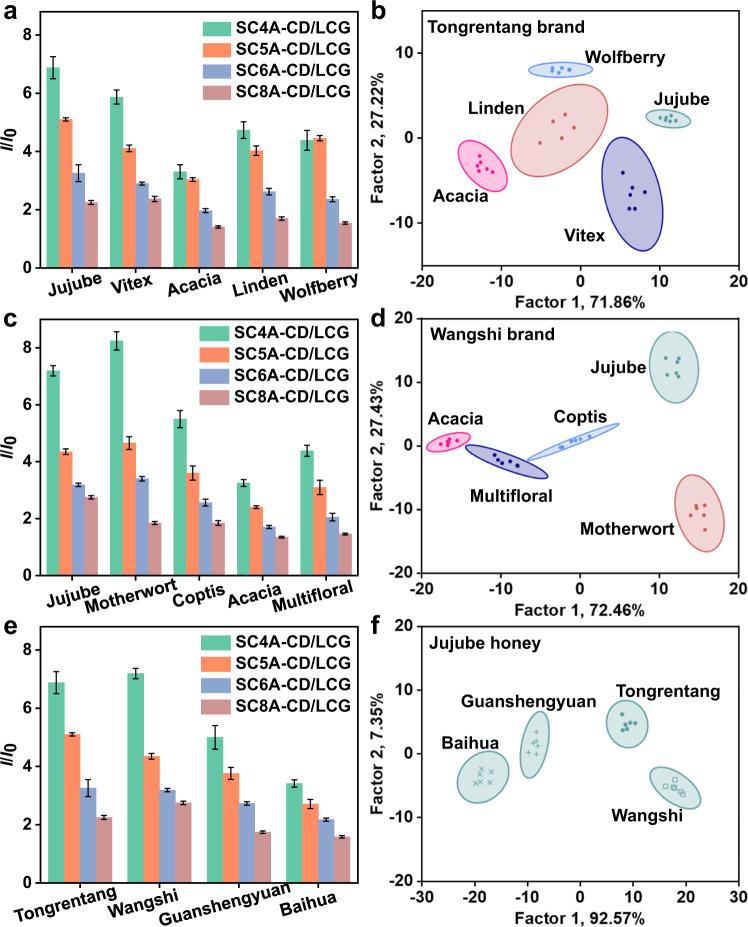
Differential sensing, which discriminates analytes via pattern recognition by sensor arrays, plays an important role in our understanding of many chemical and biological systems. However, it remains challenging to develop new methods to build a sensor unit library without incurring a high workload of synthesis. Herein, we propose a supramolecular approach to construct a sensor unit library by taking full advantage of recognition and assembly. Ten sensor arrays are developed by replacing the building block combinations, adjusting the ratio between system components, and changing the environment. Using proteins as model analytes, we examine the discriminative abilities of these supramolecular sensor arrays. Then the practical applicability for discriminating complex analytes is further demonstrated using honey as an example. This sensor array construction strategy is simple, tunable, and capable of developing many sensor units with as few syntheses as possible.
差分传感通过传感器阵列的模式识别来区分分析物,在我们理解许多化学和生物系统方面发挥着重要作用。然而,开发新的方法来构建传感器单元库而不增加大量的合成工作量仍然具有挑战性。在此,我们提出了一种基于超分子的方法,通过充分利用识别和组装来构建传感器单元库。通过更换构建块组合、调整系统组件之间的比例以及改变环境,开发了十个传感器阵列。我们使用蛋白质作为模型分析物来检查这些超分子传感器阵列的区分能力。然后,我们进一步使用蜂蜜作为示例证明了其区分复杂分析物的实际适用性。这种传感器阵列构建策略简单、可调,并且能够用尽可能少的合成来开发许多传感器单元。