Cáceres-Vélez Paolin Rocio, Ali Akhtar, Fournier-Level Alexandre, Dunshea Frank R, Jusuf Patricia Regina
School of Biosciences, The University of Melbourne, Melbourne, VIC 3010, Australia.
School of Agriculture and Food, The University of Melbourne, Melbourne, VIC 3010, Australia.
Antioxidants (Basel). 2022 Jun 28;11(7):1280. doi: 10.3390/antiox11071280.
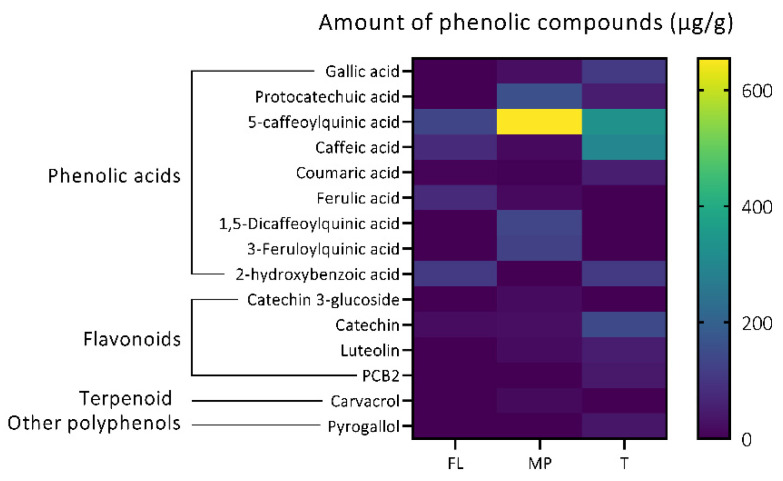
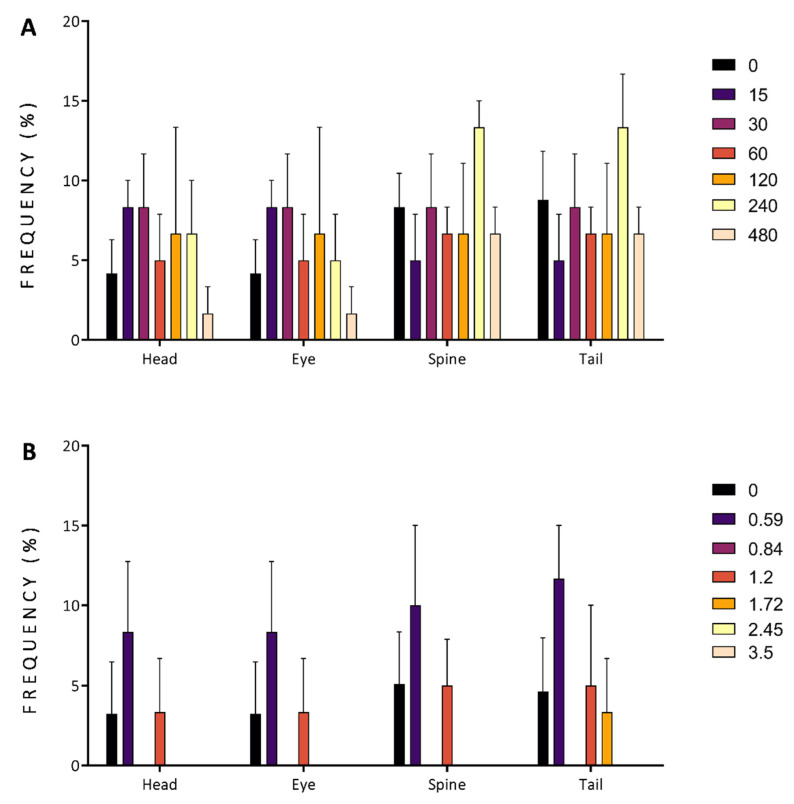
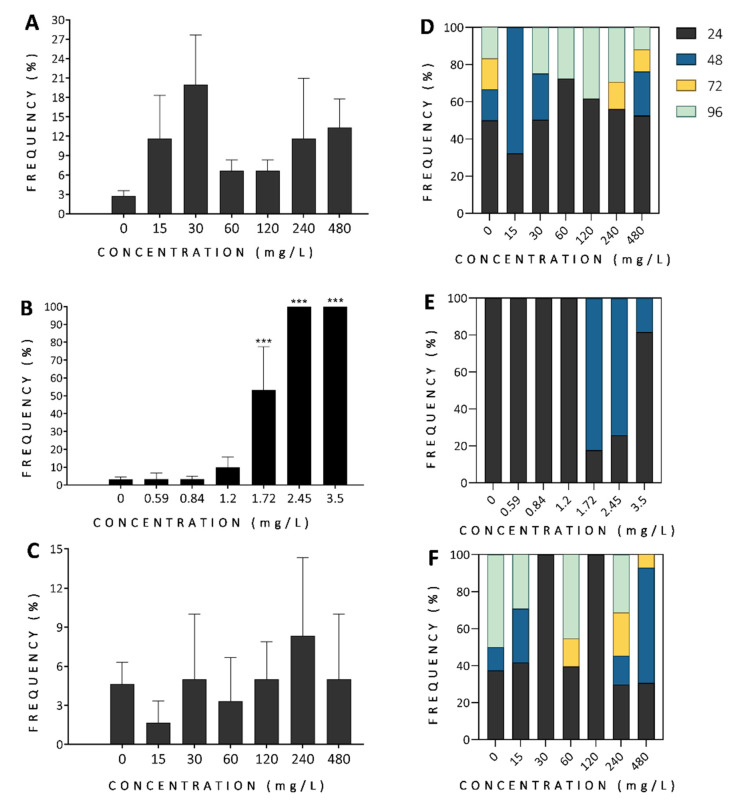
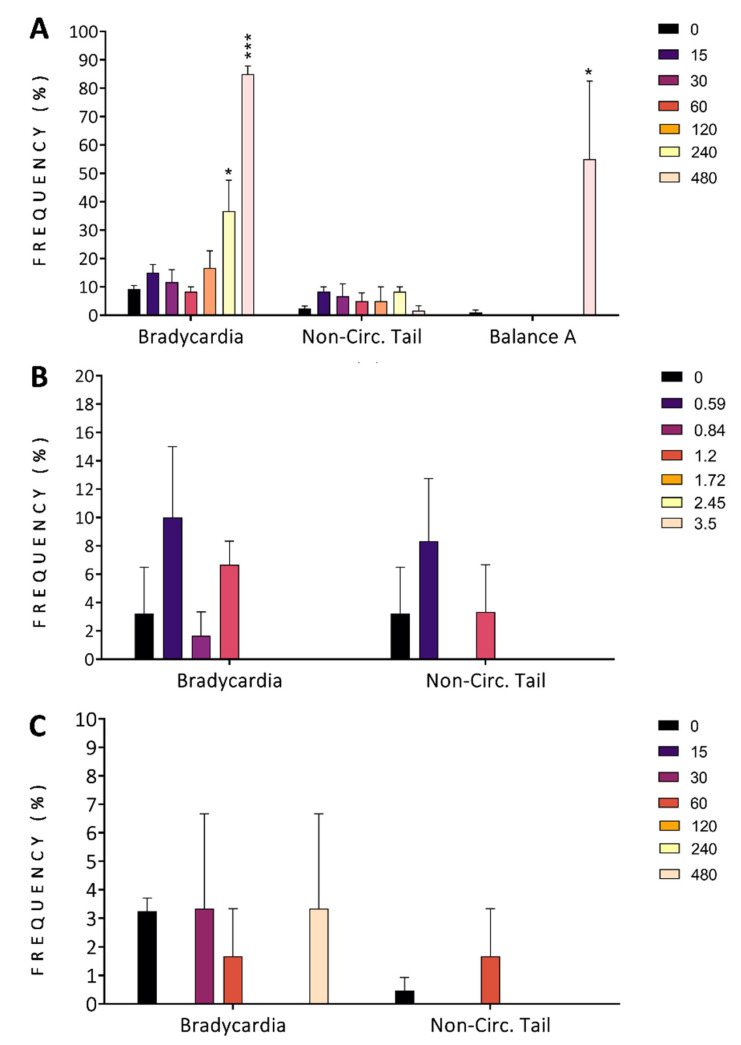
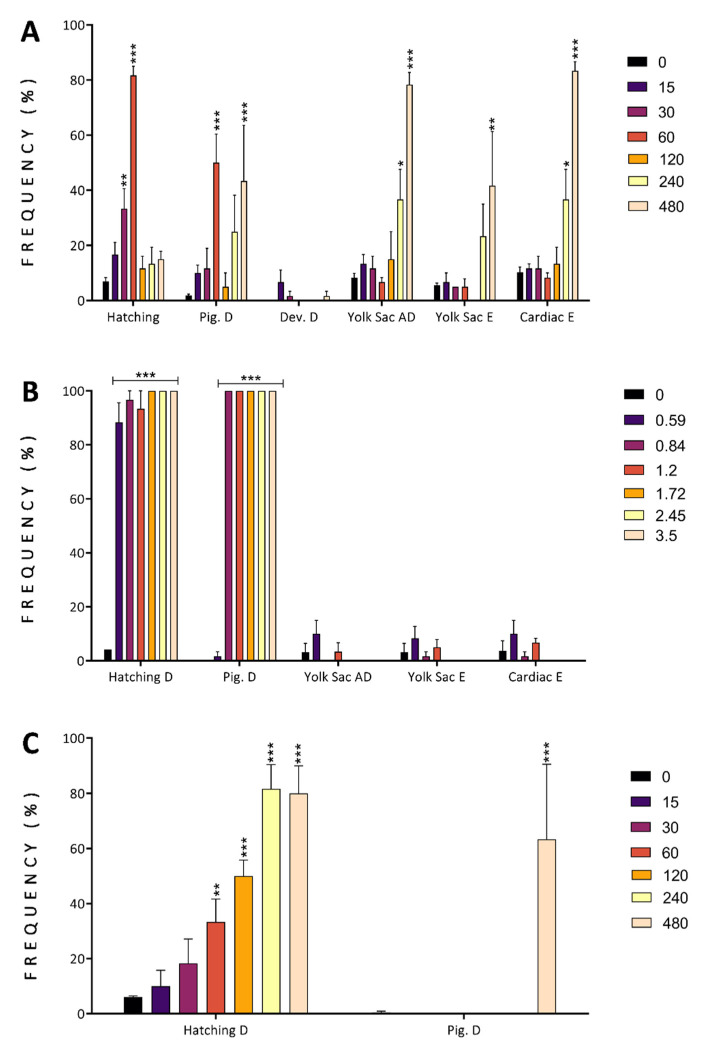
Plants play a pivotal role in drug discovery, constituting 50% of modern pharmacopeia. Many human diseases, including age-related degenerative diseases, converge onto common cellular oxidative stress pathways. This provides an opportunity to develop broad treatments to treat a wide range of diseases in the ageing population. Here, we characterize and assess the toxicological effects of finger lime (Citrus australasica), mountain pepper (Tasmannia lanceolata), and small-leaved tamarind (Diploglottis australis) extracts. The characterization demonstrates that these Australian native plants have antioxidant potential and, importantly, they have high concentrations of distinct combinations of different antioxidant classes. Using zebrafish larvae as a high-throughput pre-clinical in vivo toxicology screening model, our experiment effectively discriminates which of these extracts (and at what exposure levels) are suitable for development towards future therapies. The LC50-96h for finger lime and tamarind were >480 mg/L, and 1.70 mg/L for mountain pepper. Critically, this work shows that adverse effects are not correlated to the properties of these antioxidants, thus highlighting the need for combining characterization and in vivo screening to identify the most promising plant extracts for further development. Thus, we present a high-throughput pre-clinical screening that robustly tests natural plant products to utilize the diversity of antioxidant compounds for drug development.
植物在药物发现中起着关键作用,占现代药典的50%。许多人类疾病,包括与年龄相关的退行性疾病,都汇聚到常见的细胞氧化应激途径上。这为开发广泛的治疗方法以治疗老年人群中的多种疾病提供了机会。在此,我们对指橙(Citrus australasica)、山胡椒(Tasmannia lanceolata)和小叶罗望子(Diploglottis australis)提取物的毒理学效应进行了表征和评估。表征结果表明,这些澳大利亚本土植物具有抗氧化潜力,重要的是,它们含有高浓度的不同抗氧化剂类别的独特组合。我们使用斑马鱼幼体作为高通量临床前体内毒理学筛选模型,实验有效地辨别出这些提取物中哪些(以及在何种暴露水平下)适合用于未来治疗的开发。指橙和罗望子的96小时半数致死浓度(LC50)>480毫克/升,山胡椒的为1.70毫克/升。至关重要的是,这项研究表明不良反应与这些抗氧化剂的特性无关,从而突出了结合表征和体内筛选以确定最有前景的植物提取物用于进一步开发的必要性。因此,我们提出了一种高通量临床前筛选方法,该方法能有力地测试天然植物产品,以利用抗氧化化合物的多样性进行药物开发。