Abdelbaky Ahmed S, Abd El-Mageed Taia A, Babalghith Ahmad O, Selim Samy, Mohamed Abir M H A
Department of Biochemistry, Faculty of Agriculture, Fayoum University, Fayoum 63514, Egypt.
Department of Soil and Water, Faculty of Agriculture, Fayoum University, Fayoum 63514, Egypt.
Antioxidants (Basel). 2022 Jul 26;11(8):1444. doi: 10.3390/antiox11081444.
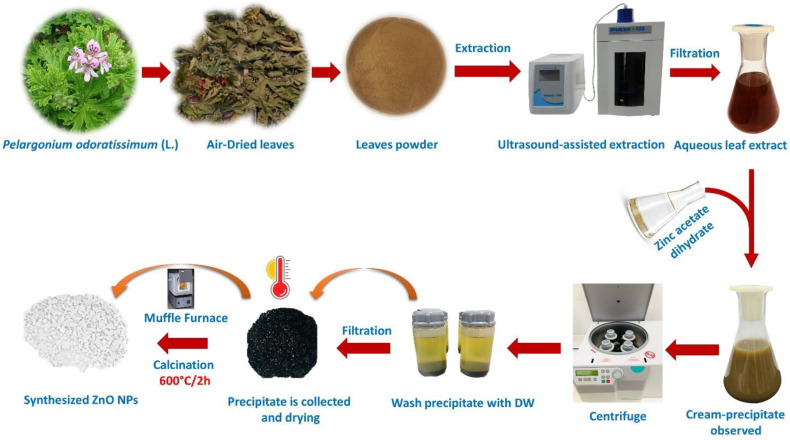
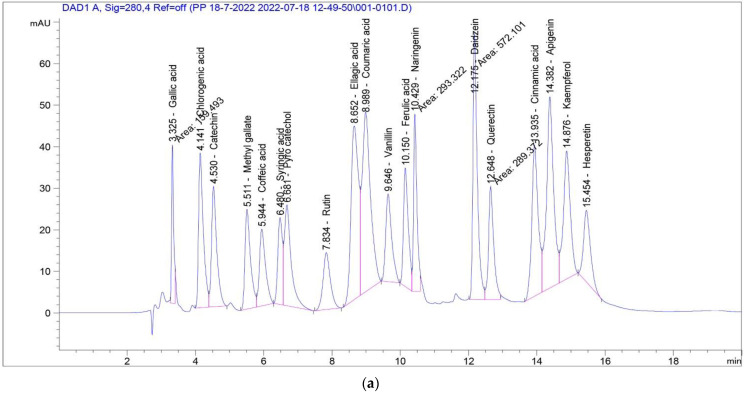
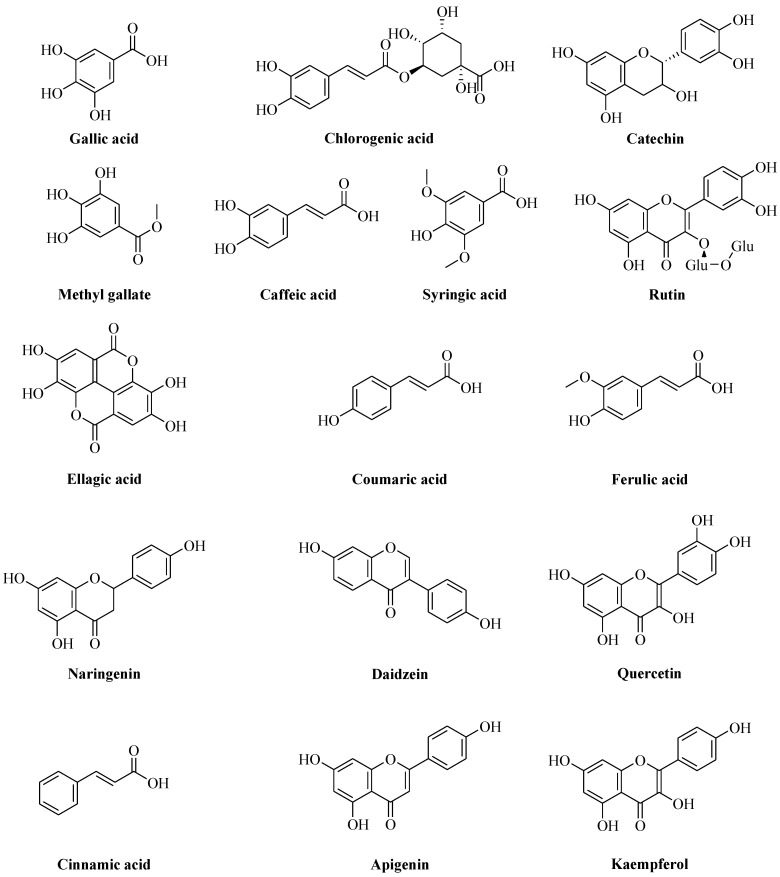
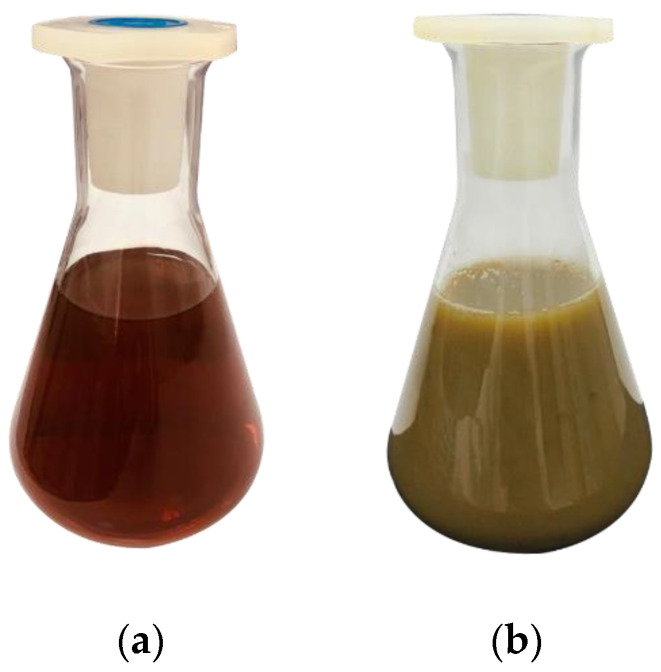
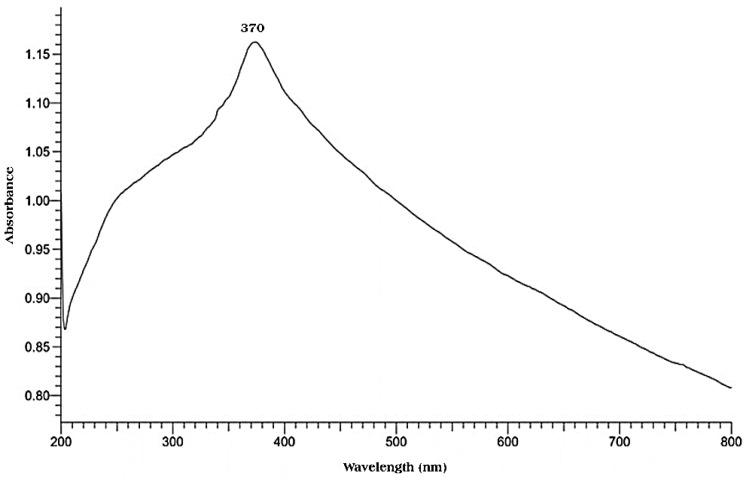
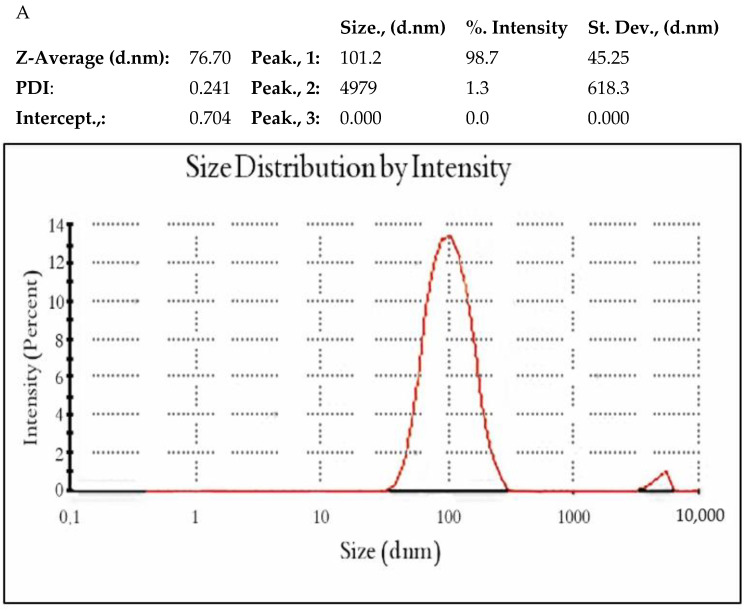
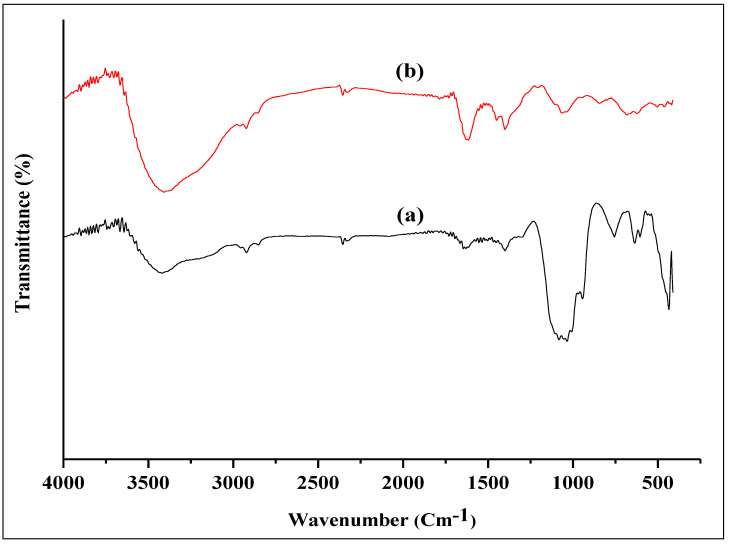
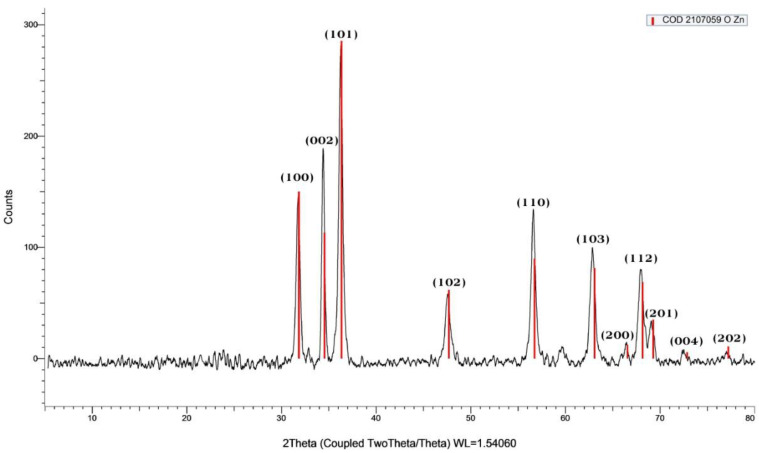
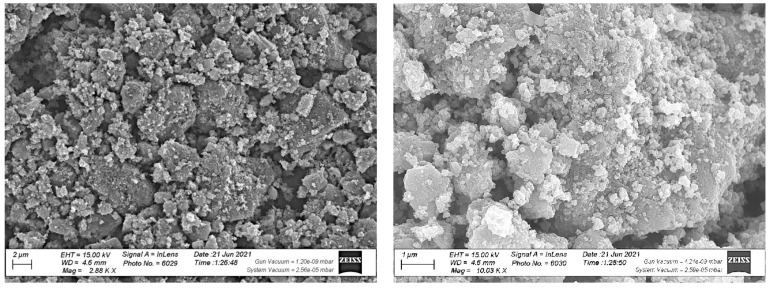
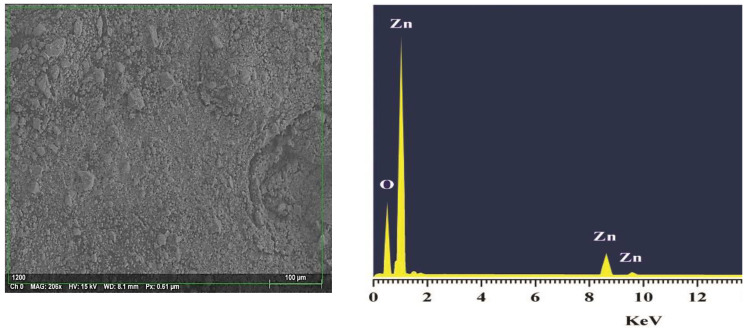
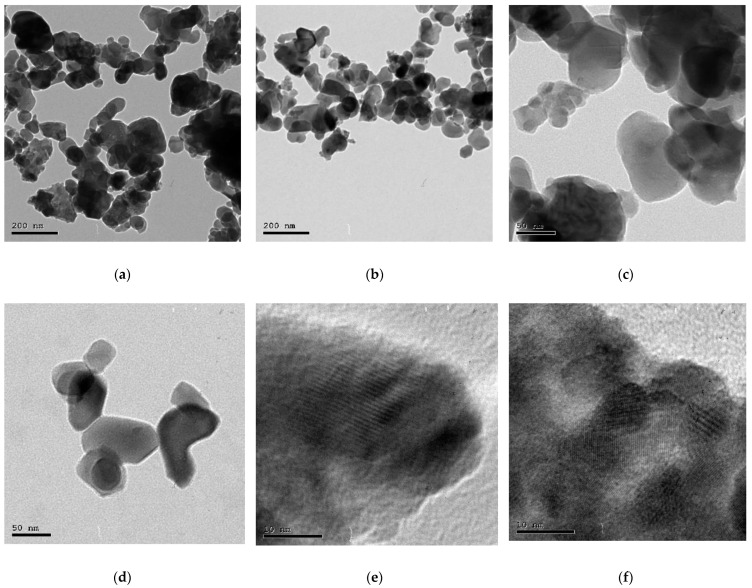
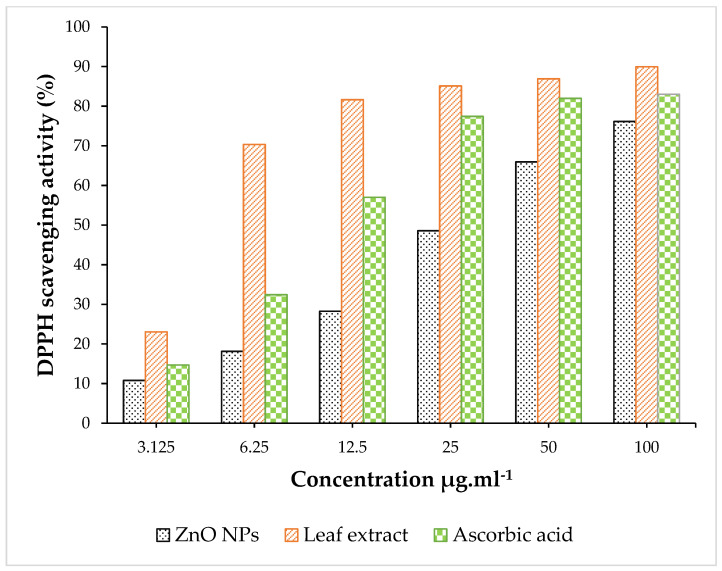
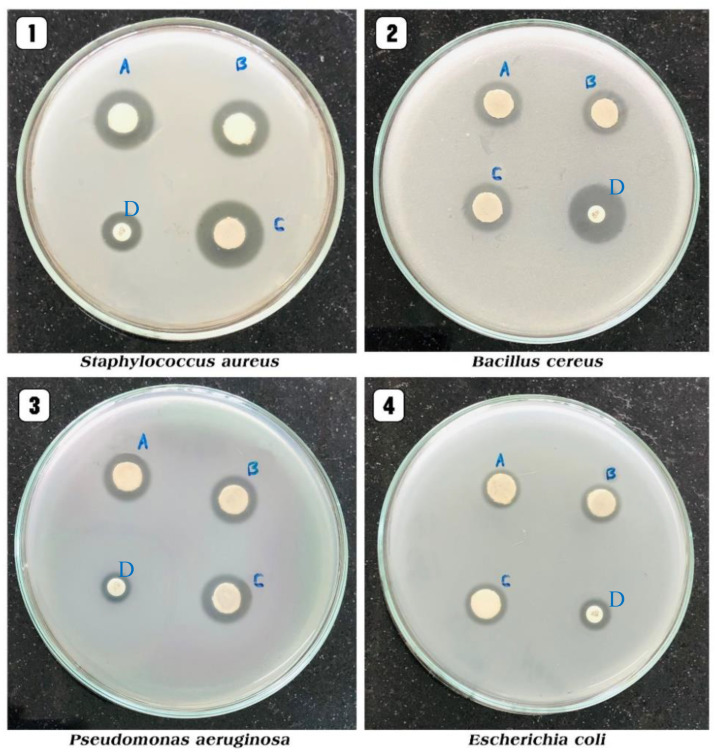
Nanoparticles (NPs) exhibit distinct features compared to traditional physico-chemical synthesis and they have many applications in a wide range of fields of life sciences such as surface coating agents, catalysts, food packaging, corrosion protection, environmental remediation, electronics, biomedical and antimicrobial. Green-synthesized metal NPs, mainly from plant sources, have gained a lot of attention due to their intrinsic characteristics like eco-friendliness, rapidity and cost-effectiveness. In this study, zinc oxide (ZnO) NPs have been synthesized employing an aqueous leaf extract of (L.) as a reducing agent; subsequently, the biosynthesized ZnO NPs were characterized by ultraviolet-visible spectroscopy (UV-Vis), dynamic light scattering (DLS), Fourier transform infrared (FTIR) spectroscopy, X-ray diffraction (XRD), field emission scanning electron microscopy (FESEM) and energy-dispersive X-ray spectroscopy (EDX), high-resolution transmission electron microscopy (HRTEM) and selected area electron diffraction (SAED). Moreover, aqueous plant leaf extract was subjected to both qualitative and quantitative analysis. Antioxidant activity of ZnO NPs was assessed by DPPH assay, with varying concentrations of ZnO NPs, which revealed scavenging activity with IC = 28.11 μg mL. Furthermore, the anti-bacterial efficacy of the green synthesized ZnO NPs against four foodborne pathogenic bacterial strains was examined using the disk diffusion assay, and (ATCC 8095), (ATCC10662) and (ATCC 25922) were found to be the most sensitive against biosynthesized ZnO NPs, whereas the least sensitivity was shown by (ATCC 13753). The anti-inflammatory effect was also evaluated for both ZnO NPs and the aqueous leaf extract of through the human red blood cells (HRBC) membrane stabilization method (MSM) in vitro models which includes hypotonicity-induced hemolysis. A maximum membrane stabilization of ZnO NPs was found to be 95.6% at a dose of 1000 μg mL compared with the standard indomethacin. The results demonstrated that leaf extract of is suitable for synthesizing ZnO NPs, with antioxidant, antibacterial as well as superior anti-inflammatory activity by improving the membrane stability of lysosome cells, which have physiological properties similar to erythrocyte membrane cells and have no hemolytic activity. Overall, this study provides biosynthesized ZnO NPs that can be used as a safe alternative to synthetic substances as well as a potential candidate for antioxidants, antibacterial and anti-inflammatory uses in the biomedical and pharmaceutical industries.
与传统物理化学合成相比,纳米颗粒(NPs)具有独特的特性,并且在生命科学的广泛领域中有许多应用,如表面涂层剂、催化剂、食品包装、腐蚀防护、环境修复、电子、生物医学和抗菌等。主要来源于植物的绿色合成金属纳米颗粒因其生态友好、快速和成本效益等内在特性而备受关注。在本研究中,以(L.)的水叶提取物作为还原剂合成了氧化锌(ZnO)纳米颗粒;随后,通过紫外可见光谱(UV-Vis)、动态光散射(DLS)、傅里叶变换红外(FTIR)光谱、X射线衍射(XRD)、场发射扫描电子显微镜(FESEM)和能量色散X射线光谱(EDX)、高分辨率透射电子显微镜(HRTEM)和选区电子衍射(SAED)对生物合成的ZnO纳米颗粒进行了表征。此外,对植物水叶提取物进行了定性和定量分析。通过DPPH法评估了不同浓度ZnO纳米颗粒的抗氧化活性,结果显示其清除活性的IC = 28.11 μg mL。此外,使用纸片扩散法检测了绿色合成的ZnO纳米颗粒对四种食源性病原体细菌菌株的抗菌效果,发现(ATCC 8095)、(ATCC10662)和(ATCC 25922)对生物合成的ZnO纳米颗粒最敏感,而(ATCC 13753)表现出的敏感性最低。还通过体外模型的人红细胞(HRBC)膜稳定化方法(MSM)评估了ZnO纳米颗粒和(L.)水叶提取物的抗炎作用,该模型包括低渗诱导的溶血。与标准吲哚美辛相比,在剂量为1000 μg mL时,ZnO纳米颗粒的最大膜稳定性为95.6%。结果表明,(L.)的叶提取物适合用于合成ZnO纳米颗粒,其具有抗氧化、抗菌以及通过提高溶酶体细胞的膜稳定性而具有优异的抗炎活性,溶酶体细胞具有与红细胞膜细胞相似的生理特性且无溶血活性。总体而言,本研究提供了生物合成的ZnO纳米颗粒,其可作为合成物质的安全替代品,以及在生物医学和制药行业中作为抗氧化、抗菌和抗炎用途的潜在候选物。