Wang Shuhang, Yang Yuqi, Li Lu, Ma Peiwen, Jiang Yale, Ge Minghui, Yu Yue, Huang Huiyao, Fang Yuan, Jiang Ning, Miao Huilei, Guo Hao, Yan Linlin, Ren Yong, Sun Lichao, Zha Yan, Li Ning
Clinical Cancer Center, National Cancer Center/National Clinical Research Center for Cancer/Cancer Hospital Chinese Academy of Medical Sciences and Peking Union Medical College, Beijing 100021, China.
NHC Key Laboratory of Pulmonary Immunological Diseases, Guizhou Provincial People's Hospital, Guiyang 550002, China.
Vaccines (Basel). 2022 Jul 22;10(8):1168. doi: 10.3390/vaccines10081168.
mRNA-based cancer vaccines have been considered a promising anticancer therapeutic approach against various cancers, yet their efficacy for malignant mesothelioma (MESO) is still not clear. The present study is designed to identify MESO antigens that have the potential for mRNA vaccine development, and to determine the immune subtypes for the selection of suitable patients.
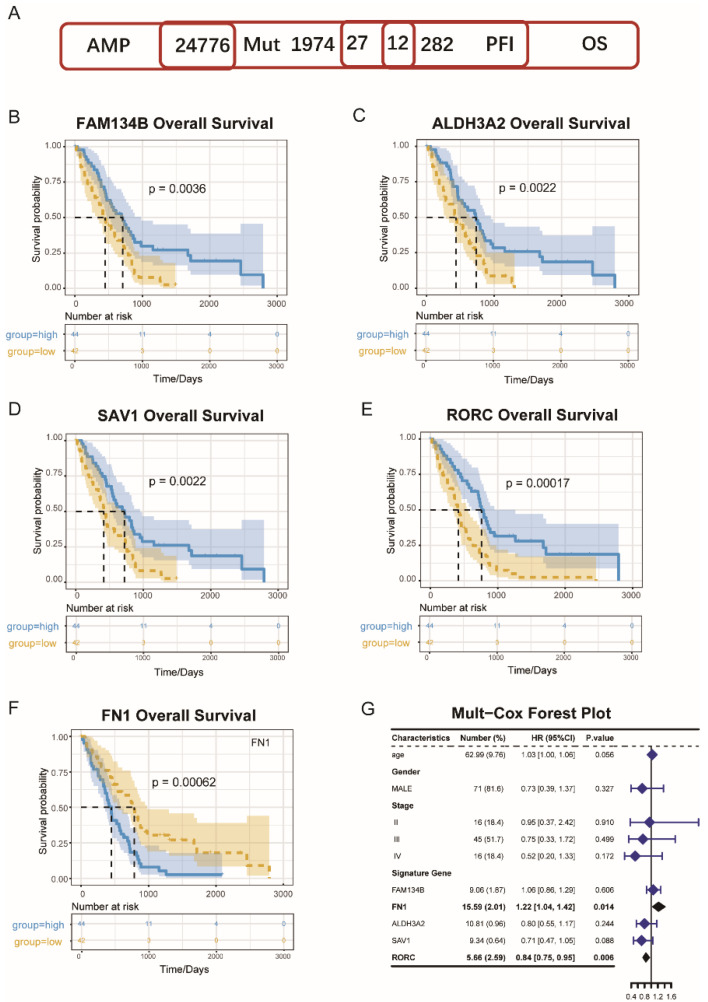
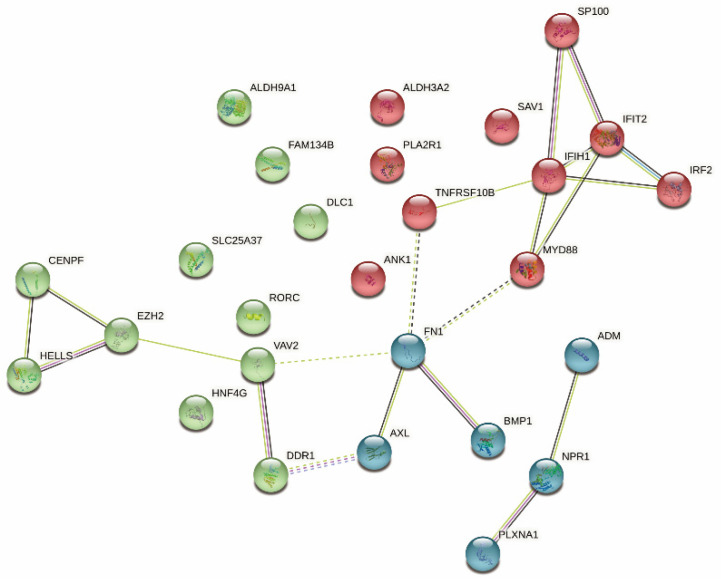
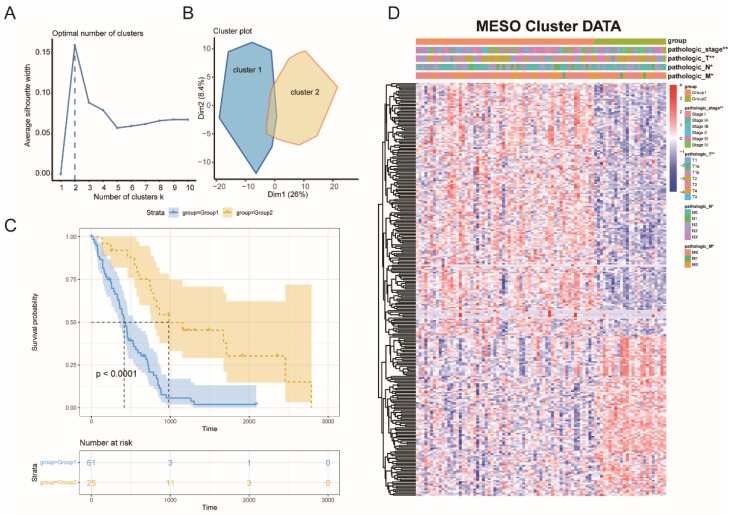
A total of 87 MESO datasets were used for the retrieval of RNA sequencing and clinical data from The Cancer Genome Atlas (TCGA) databases. The possible antigens were identified by a survival and a genome analysis. The samples were divided into two immune subtypes by the application of a consensus clustering algorithm. The functional annotation was also carried out by using the DAVID program. Furthermore, the characterization of each immune subtype related to the immune microenvironment was integrated by an immunogenomic analysis. A protein-protein interaction network was established to categorize the hub genes.
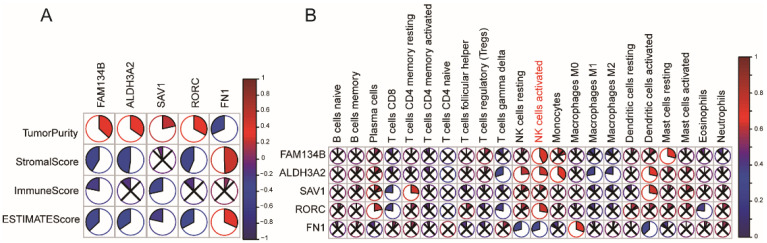
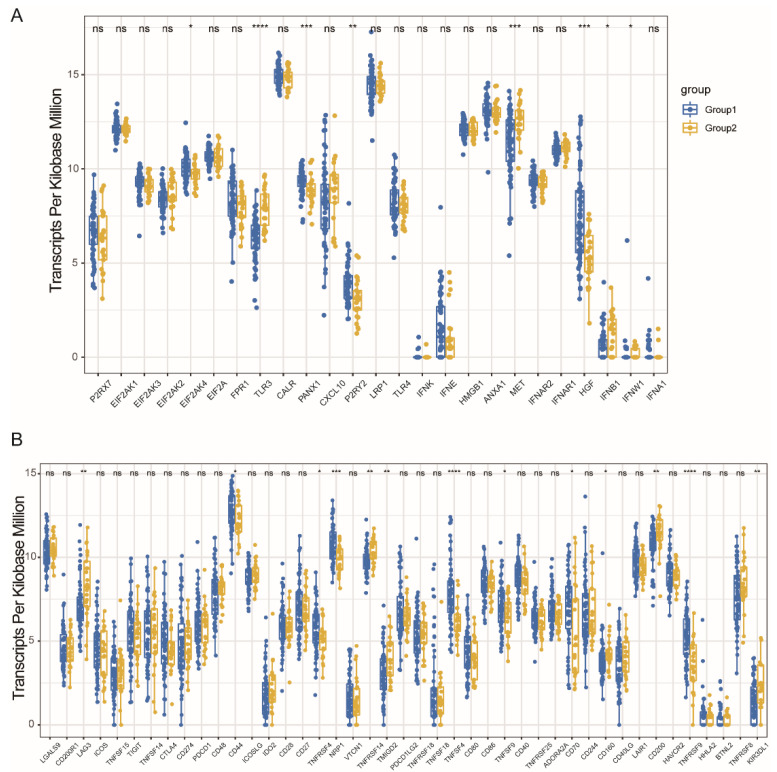
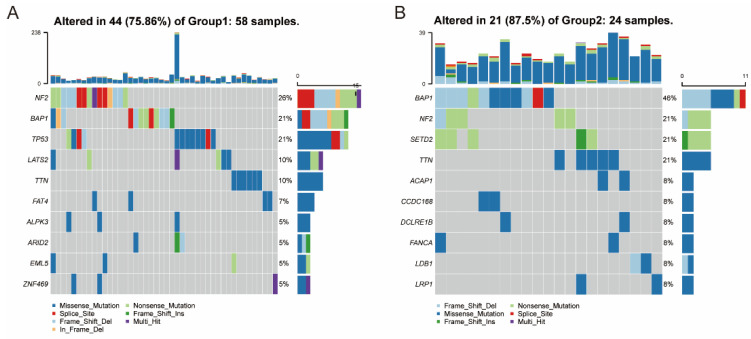
The five tumor antigens were identified in MESO. FAM134B, ALDH3A2, SAV1, and RORC were correlated with superior prognoses and the infiltration of antigen-presenting cells (APCs), while FN1 was associated with poor survival and the infiltration of APCs. Two immune subtypes were identified; TM2 exhibited significantly improved survival and was more likely to benefit from vaccination compared with TM1. TM1 was associated with a relatively quiet microenvironment, high tumor mutation burden, and enriched DNA damage repair pathways. The immune checkpoints and immunogenic cell death modulators were also differentially expressed between two subtypes. Finally, FN1 was identified to be the hub gene.
FAM134B, ALDH3A2, SAV1, RORC, and FN1 are considered as possible and effective mRNA anti-MESO antigens for the development of an mRNA vaccine, and TM2 patients are the most suitable for vaccination.
基于信使核糖核酸(mRNA)的癌症疫苗被认为是一种针对多种癌症的有前景的抗癌治疗方法,但其对恶性间皮瘤(MESO)的疗效仍不明确。本研究旨在鉴定具有mRNA疫苗开发潜力的MESO抗原,并确定免疫亚型以选择合适的患者。
共使用87个MESO数据集从癌症基因组图谱(TCGA)数据库中检索RNA测序和临床数据。通过生存分析和基因组分析鉴定可能的抗原。应用共识聚类算法将样本分为两种免疫亚型。还使用DAVID程序进行功能注释。此外,通过免疫基因组分析整合与免疫微环境相关的每种免疫亚型的特征。建立蛋白质-蛋白质相互作用网络对枢纽基因进行分类。
在MESO中鉴定出五种肿瘤抗原。FAM134B、ALDH3A2、SAV1和RORC与较好的预后以及抗原呈递细胞(APC)浸润相关,而FN1与较差的生存率和APC浸润相关。鉴定出两种免疫亚型;与TM1相比,TM2表现出显著改善的生存率,并且更有可能从疫苗接种中获益。TM1与相对安静的微环境、高肿瘤突变负担和富集的DNA损伤修复途径相关。两种亚型之间免疫检查点和免疫原性细胞死亡调节剂也存在差异表达。最后,确定FN1为枢纽基因。
FAM134B、ALDH3A2、SAV1、RORC和FN1被认为是开发mRNA疫苗可能有效的抗MESO mRNA抗原,并且TM2患者最适合接种疫苗。