Charles Perkins Centre, The University of Sydney, Sydney, NSW, Australia.
School of Medical Sciences, Faculty of Medicine and Health, University of Sydney, Sydney, NSW, Australia.
Nat Commun. 2022 Jul 27;13(1):4336. doi: 10.1038/s41467-022-31761-y.
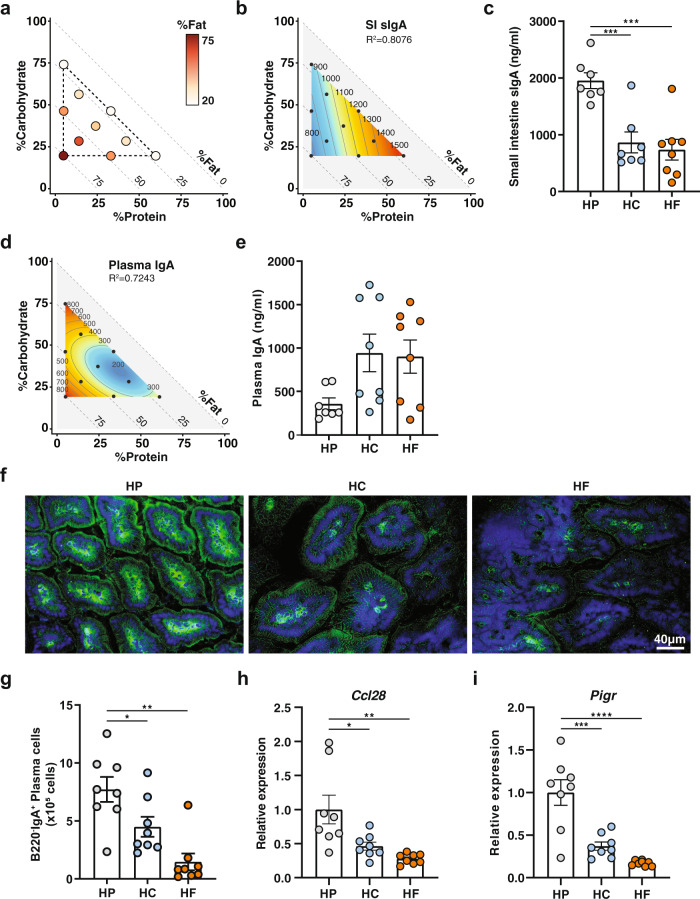
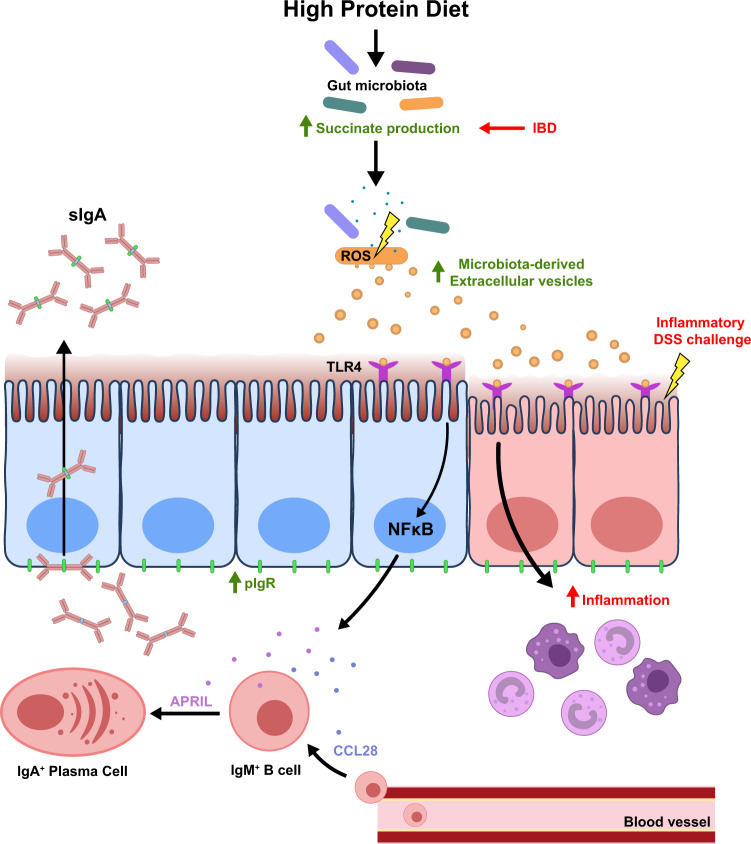
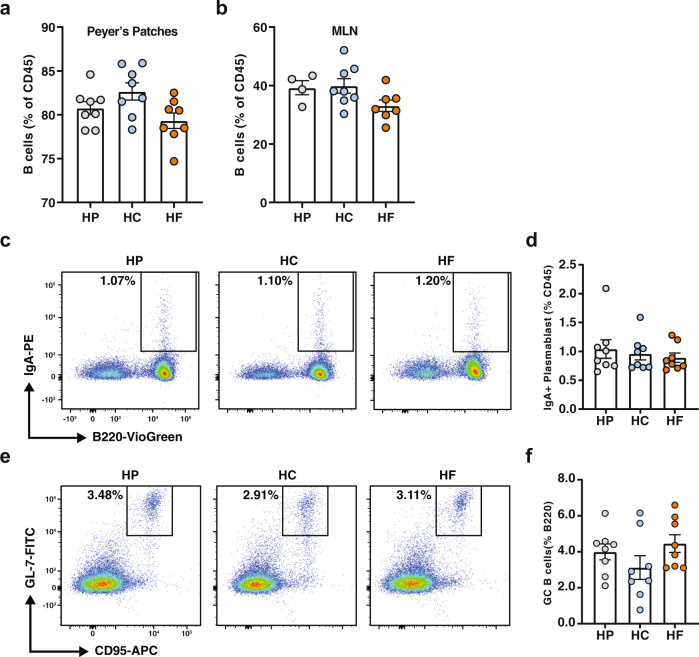
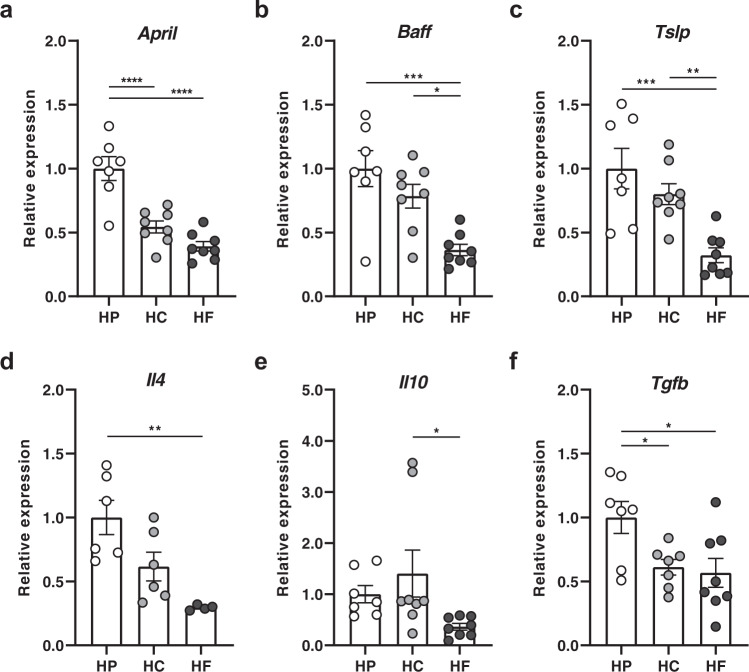
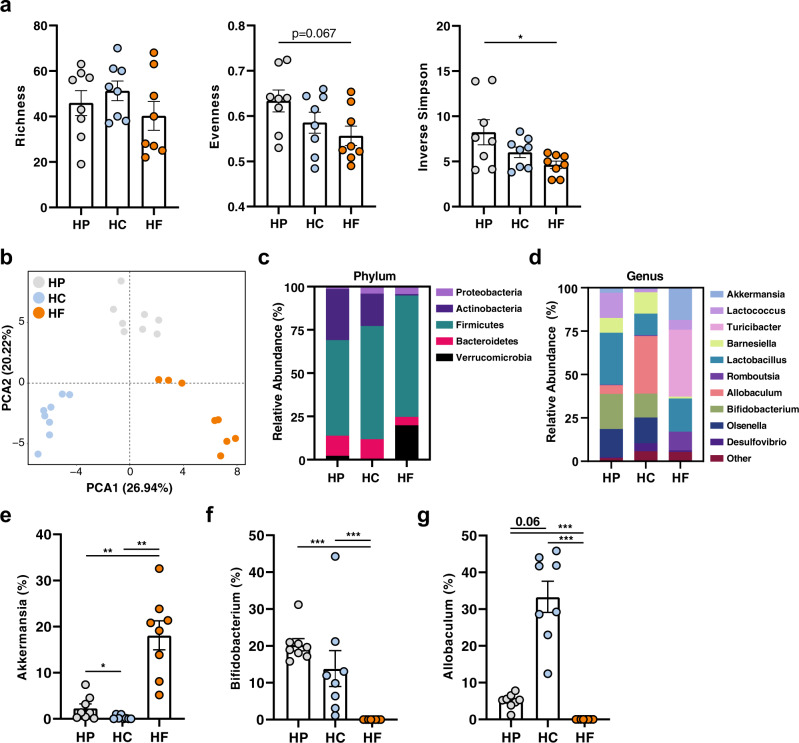
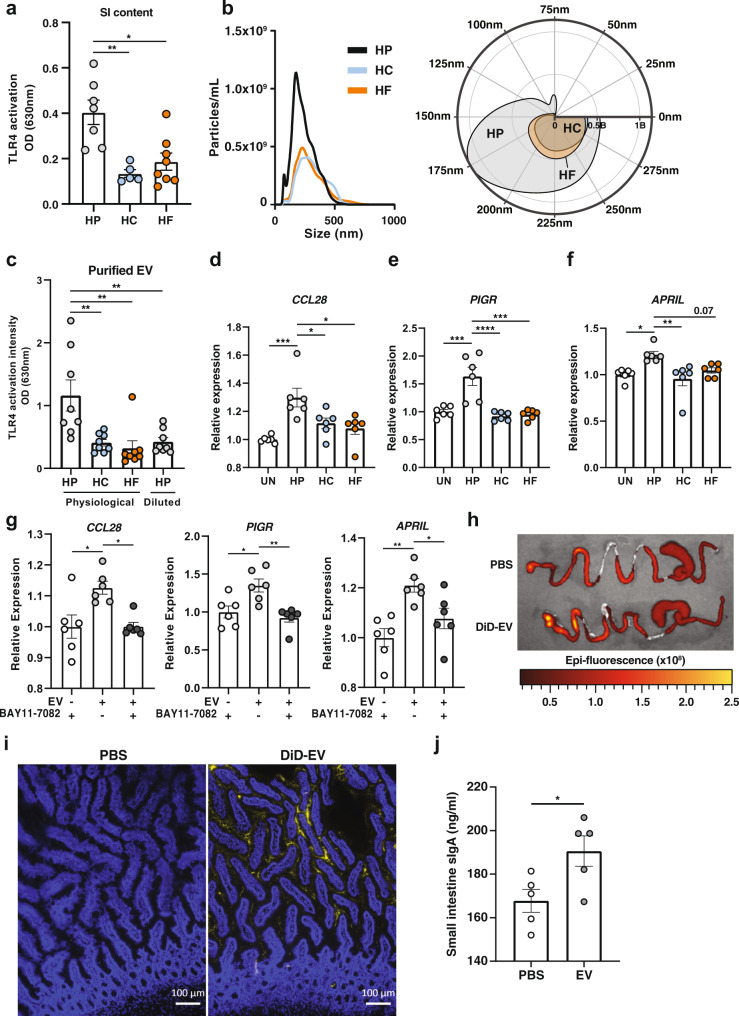
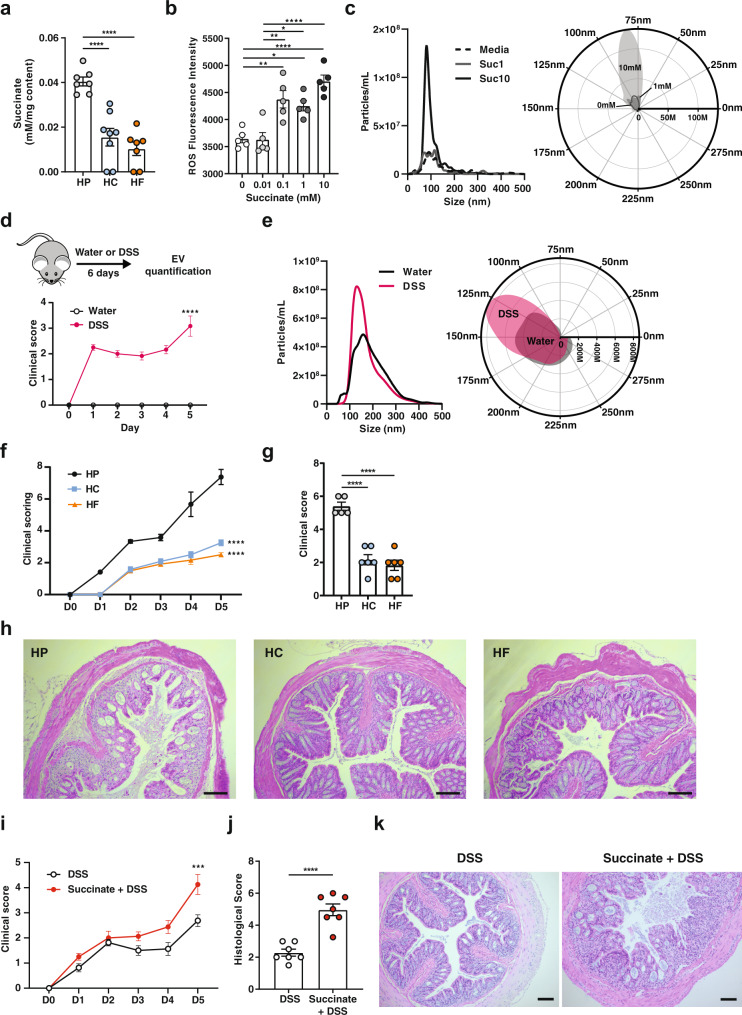
Secretory IgA is a key mucosal component ensuring host-microbiota mutualism. Here we use nutritional geometry modelling in mice fed 10 different macronutrient-defined, isocaloric diets, and identify dietary protein as the major driver of secretory IgA production. Protein-driven secretory IgA induction is not mediated by T-cell-dependent pathways or changes in gut microbiota composition. Instead, the microbiota of high protein fed mice produces significantly higher quantities of extracellular vesicles, compared to those of mice fed high-carbohydrate or high-fat diets. These extracellular vesicles activate Toll-like receptor 4 to increase the epithelial expression of IgA-inducing cytokine, APRIL, B cell chemokine, CCL28, and the IgA transporter, PIGR. We show that succinate, produced in high concentrations by microbiota of high protein fed animals, increases generation of reactive oxygen species by bacteria, which in turn promotes extracellular vesicles production. Here we establish a link between dietary macronutrient composition, gut microbial extracellular vesicles release and host secretory IgA response.
分泌型免疫球蛋白 A 是一种保证宿主-微生物共生的关键黏膜成分。在这里,我们使用营养几何模型,在喂食 10 种不同的宏量营养素定义的等热量饮食的小鼠中进行研究,发现蛋白质是分泌型免疫球蛋白 A 产生的主要驱动因素。蛋白驱动的分泌型免疫球蛋白 A 诱导不是通过 T 细胞依赖途径或肠道微生物群落组成的变化来介导的。相反,高蛋白饮食喂养的小鼠的微生物群落产生的细胞外囊泡数量明显高于高碳水化合物或高脂肪饮食喂养的小鼠。这些细胞外囊泡激活 Toll 样受体 4,增加上皮细胞表达 IgA 诱导细胞因子 APRIL、B 细胞趋化因子 CCL28 和 IgA 转运蛋白 PIGR。我们表明,由高蛋白饮食喂养的动物的微生物群落产生的大量琥珀酸,会增加细菌产生的活性氧的生成,进而促进细胞外囊泡的产生。在这里,我们建立了饮食中宏量营养素组成、肠道微生物细胞外囊泡释放和宿主分泌型免疫球蛋白 A 反应之间的联系。