Department of Neurovascular Center, Changhai Hospital, Naval Medical University, Shanghai, China.
Front Immunol. 2022 Jul 22;13:948457. doi: 10.3389/fimmu.2022.948457. eCollection 2022.
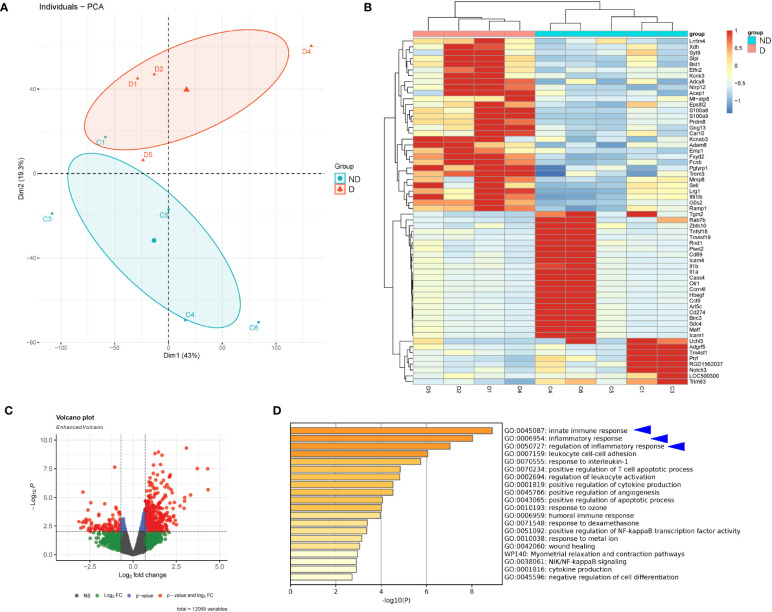
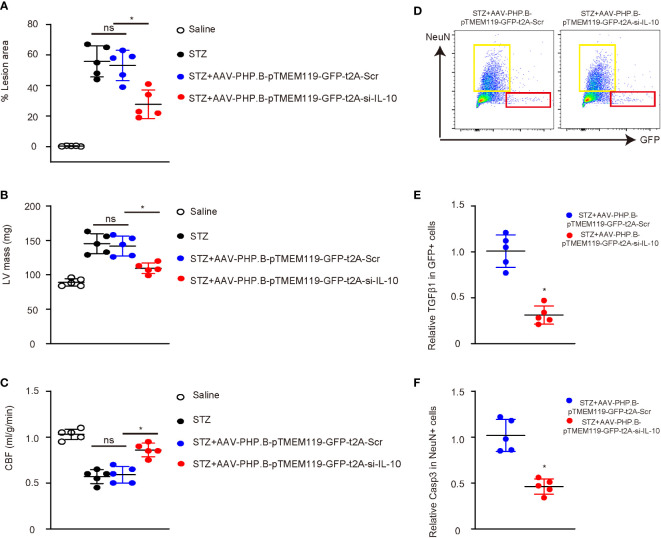
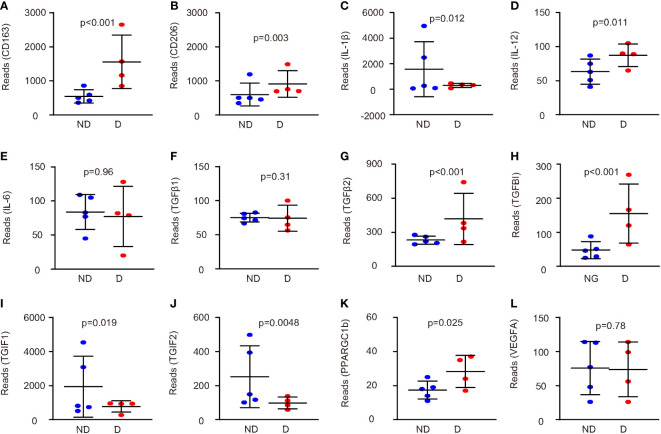
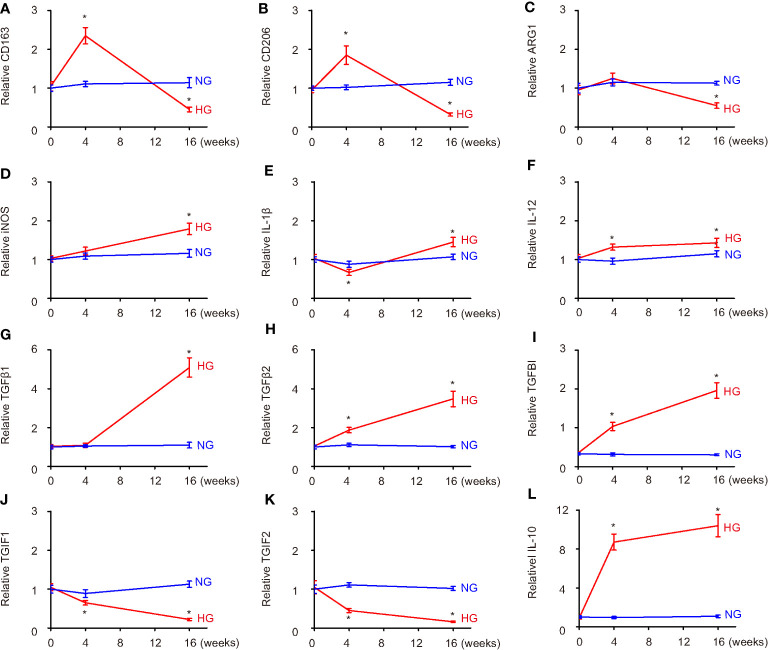
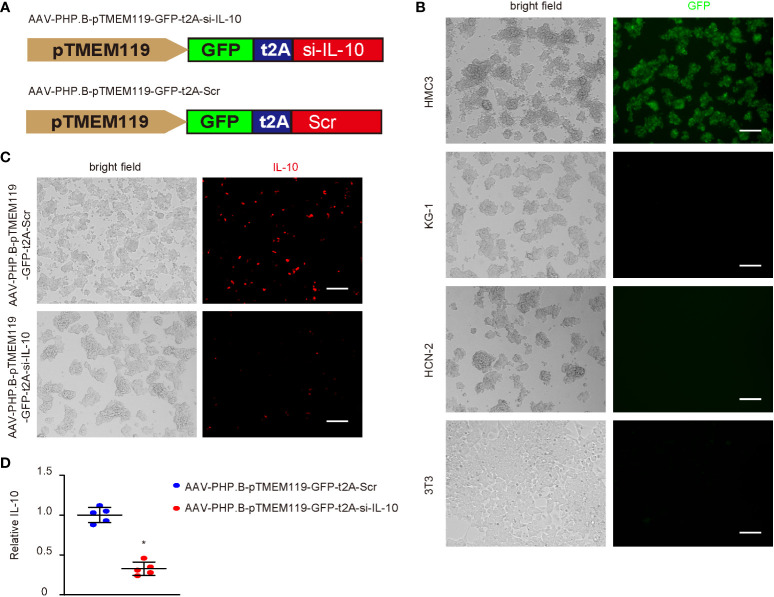
Diabetes increases the occurrence and severity of atherosclerosis. When plaques form in brain vessels, cerebral atherosclerosis causes thickness, rigidity, and unstableness of cerebral artery walls, leading to severe complications like stroke and contributing to cognitive impairment. So far, the molecular mechanism underlying cerebral atherosclerosis is not determined. Moreover, effective intervention strategies are lacking. In this study, we showed that polarization of microglia, the resident macrophage in the central nervous system, appeared to play a critical role in the pathological progression of cerebral atherosclerosis. Microglia likely underwent an M2c-like polarization in an environment long exposed to high glucose. Experimental suppression of microglia M2c polarization was achieved through transduction of microglia with an adeno-associated virus (serotype AAV-PHP.B) carrying siRNA for interleukin-10 (IL-10) under the control of a microglia-specific TMEM119 promoter, which significantly attenuated diabetes-associated cerebral atherosclerosis in a mouse model. Thus, our study suggests a novel translational strategy to prevent diabetes-associated cerebral atherosclerosis through control of microglia polarization.
糖尿病增加了动脉粥样硬化的发生和严重程度。当斑块在脑血管中形成时,脑动脉粥样硬化导致脑血管壁的厚度、硬度和不稳定性,导致严重的并发症,如中风,并导致认知障碍。到目前为止,脑动脉粥样硬化的分子机制尚未确定。此外,缺乏有效的干预策略。在这项研究中,我们表明,小胶质细胞的极化,即中枢神经系统中的常驻巨噬细胞,似乎在脑动脉粥样硬化的病理进展中发挥关键作用。小胶质细胞在长期暴露于高血糖的环境中可能经历了 M2c 样极化。通过使用携带白细胞介素 10(siRNA)的腺相关病毒(血清型 AAV-PHP.B)转导小胶质细胞,并在小胶质细胞特异性 TMEM119 启动子的控制下,实现了小胶质细胞 M2c 极化的实验抑制,这显著减轻了小鼠模型中与糖尿病相关的脑动脉粥样硬化。因此,我们的研究提出了一种通过控制小胶质细胞极化来预防与糖尿病相关的脑动脉粥样硬化的新的转化策略。