Ge Yu-Wei, Fan Zhang-Hao, Ke Qin-Fei, Guo Ya-Ping, Zhang Chang-Qing, Jia Wei-Tao
Department of Orthopedic Surgery, Shanghai Jiao Tong University Affiliated Sixth People's Hospital, Shanghai, 200233, People's Republic of China.
The Education Ministry Key Lab of Resource Chemistry and Shanghai Key Laboratory of Rare Earth Functional Materials, Shanghai Normal University, Shanghai, 200234, China.
Mater Today Bio. 2022 Jul 19;16:100362. doi: 10.1016/j.mtbio.2022.100362. eCollection 2022 Dec.
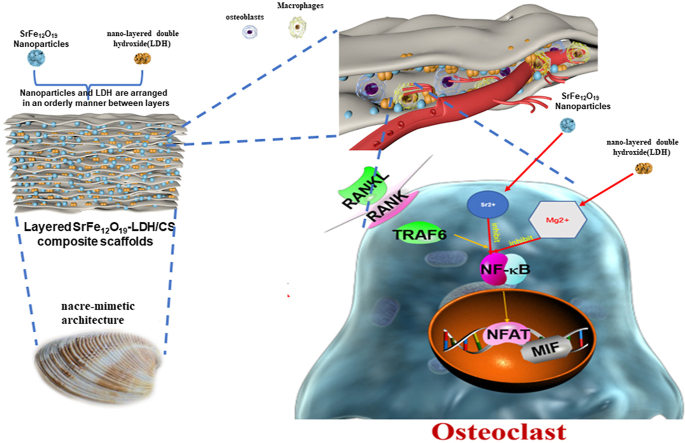
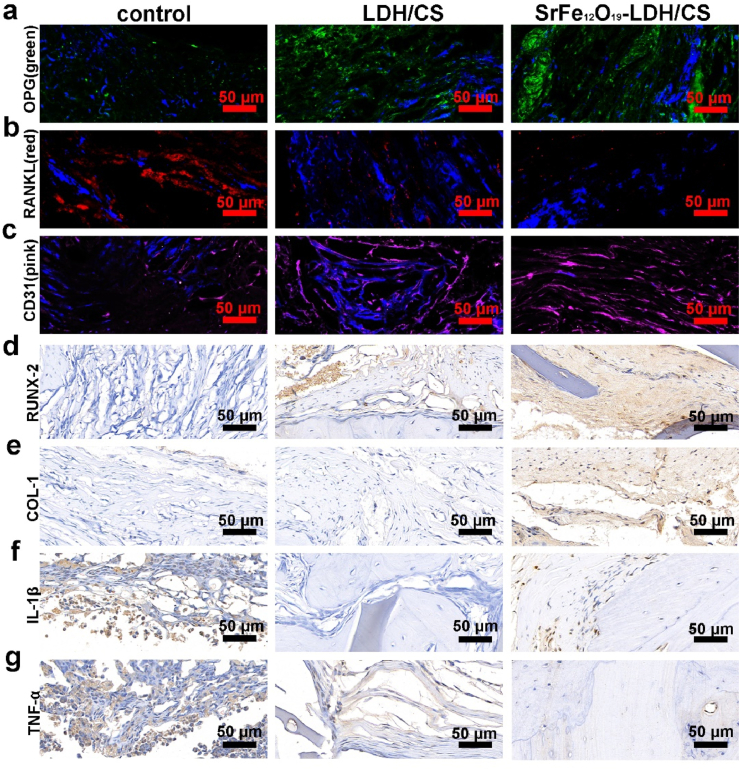
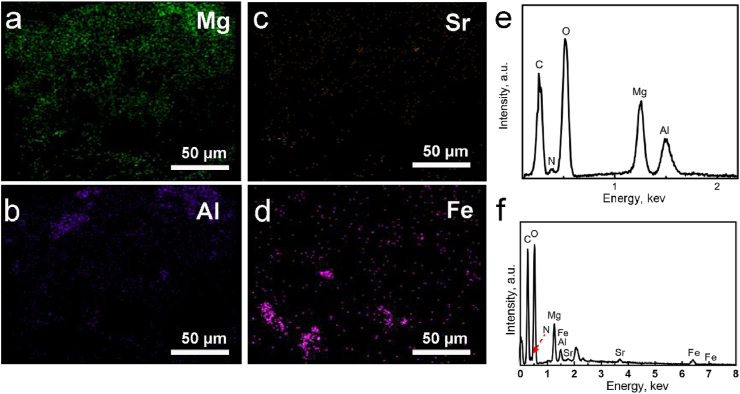
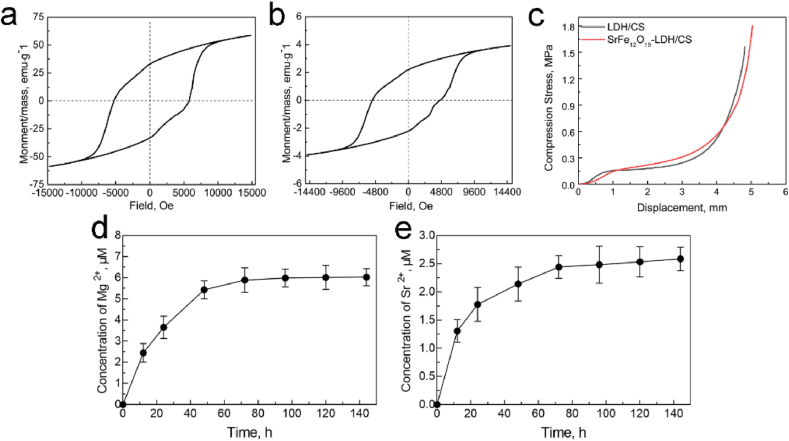
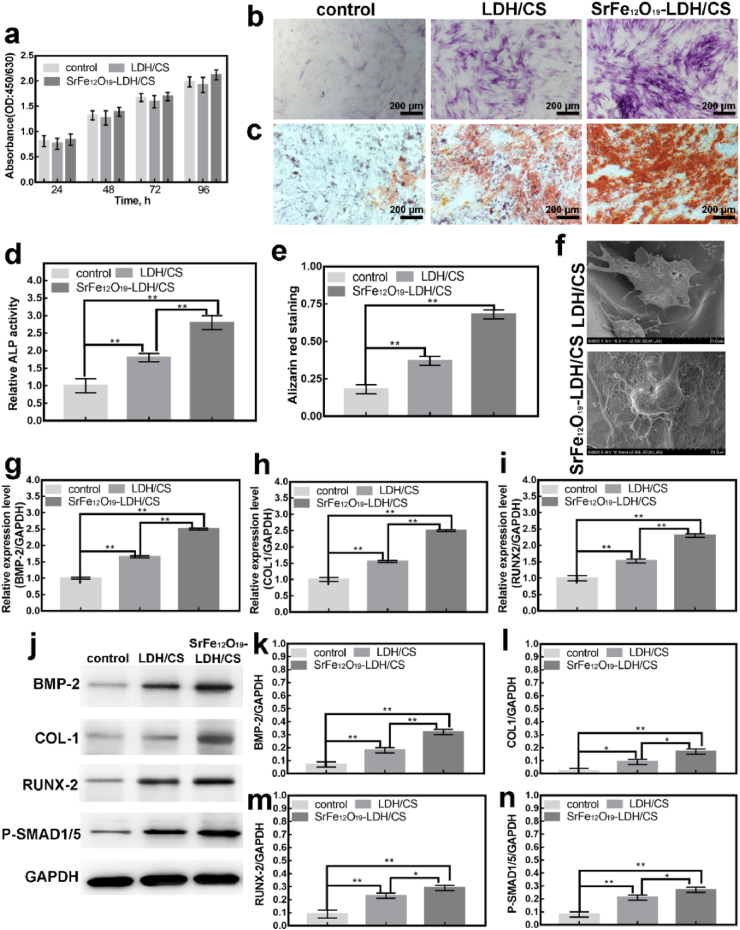
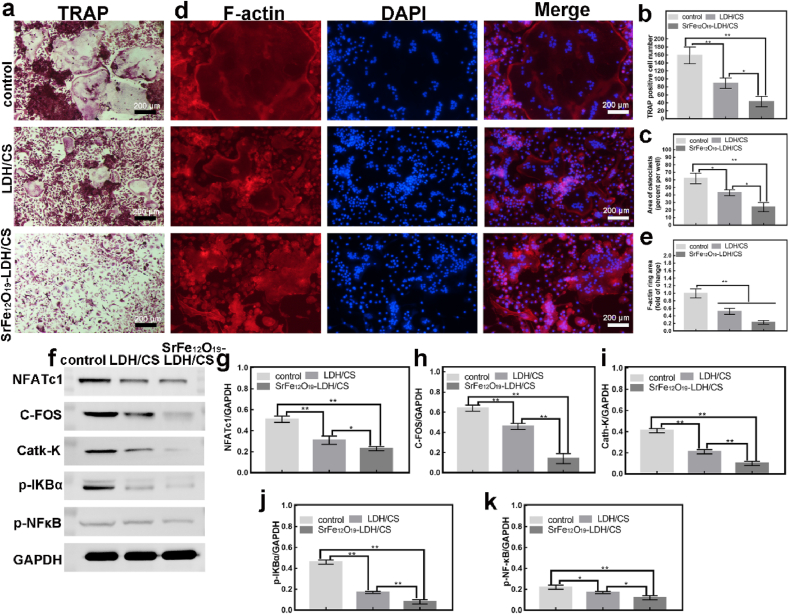
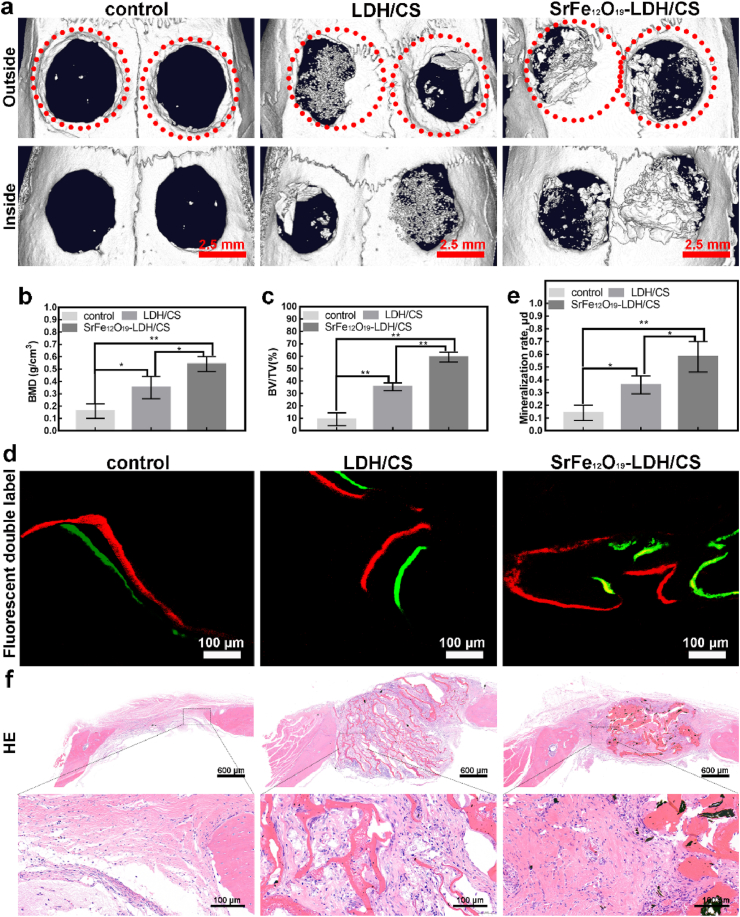
Osteoporotic bone defects result from an imbalance in bone homeostasis, excessive osteoclast activity, and the weakening of osteogenic mineralization, resulting in impaired bone regeneration. Herein, inspired by the hierarchical structures of mollusk nacre, nacre exhibits outstanding high-strength mechanical properties, which are in part due to its delicate layered structure. SrFeO nanoparticles and nano-layered double hydroxide (LDH) were incorporated into a bioactive chitosan (CS) matrix to form multifunctional layered nano-SrFeO-LDH/CS scaffolds. The compressive stress value of the internal ordered layer structure matches the trabecular bone (0.18 MPa). The as-released Mg ions from the nano-LDH can inhibit bone resorption in osteoclasts by inhibiting the NFκB signaling pathway. At the same time, the as-released Sr ions promote the high expression of osteoblast collagen 1 proteins and accelerate bone mineralization by activating the BMP-2/SMAD signaling pathway. the Mg ions released from the SrFeO-LDH/CS scaffolds inhibited the release of pro-inflammatory factors (IL-1β and TNF-α), while the as-released Sr ions promoted osteoblastic proliferation and the mineralization of osteoblasts inside the layered SrFeO-LDH/CS scaffolds. Immunofluorescence for OPG, RANKL, and CD31, showed that stable vasculature could be formed inside the layered SrFeO-LDH/CS scaffolds. Hence, this study on multifunctional SrFeO-LDH/CS scaffolds clarifies the regulatory mechanism of osteoporotic bone regeneration and is expected to provide a theoretical basis for the research, development, and clinical application of this scaffold on osteoporotic bone defects.
骨质疏松性骨缺损是由骨稳态失衡、破骨细胞活性过高和成骨矿化减弱导致的,从而造成骨再生受损。在此,受软体动物珍珠层的分层结构启发,珍珠层具有出色的高强度力学性能,这部分归因于其精致的层状结构。将SrFeO纳米颗粒和纳米层状双氢氧化物(LDH)掺入生物活性壳聚糖(CS)基质中,形成多功能层状纳米SrFeO-LDH/CS支架。内部有序层结构的压缩应力值与松质骨相匹配(0.18MPa)。纳米LDH释放的Mg离子可通过抑制NFκB信号通路来抑制破骨细胞中的骨吸收。同时,释放的Sr离子通过激活BMP-2/SMAD信号通路促进成骨细胞胶原蛋白1蛋白的高表达并加速骨矿化。SrFeO-LDH/CS支架释放的Mg离子抑制了促炎因子(IL-1β和TNF-α)的释放,而释放的Sr离子促进了成骨细胞的增殖以及层状SrFeO-LDH/CS支架内成骨细胞的矿化。对OPG、RANKL和CD31的免疫荧光显示,层状SrFeO-LDH/CS支架内可形成稳定的脉管系统。因此,这项关于多功能SrFeO-LDH/CS支架的研究阐明了骨质疏松性骨再生的调节机制,有望为该支架在骨质疏松性骨缺损方面的研究、开发和临床应用提供理论依据。