Department of Biochemistry, Case Western Reserve University, Cleveland, Ohio, United States of America.
Department of Genetics and Genome Sciences, Case Western Reserve University, Cleveland, Ohio, United States of America.
PLoS One. 2022 Aug 10;17(8):e0271695. doi: 10.1371/journal.pone.0271695. eCollection 2022.
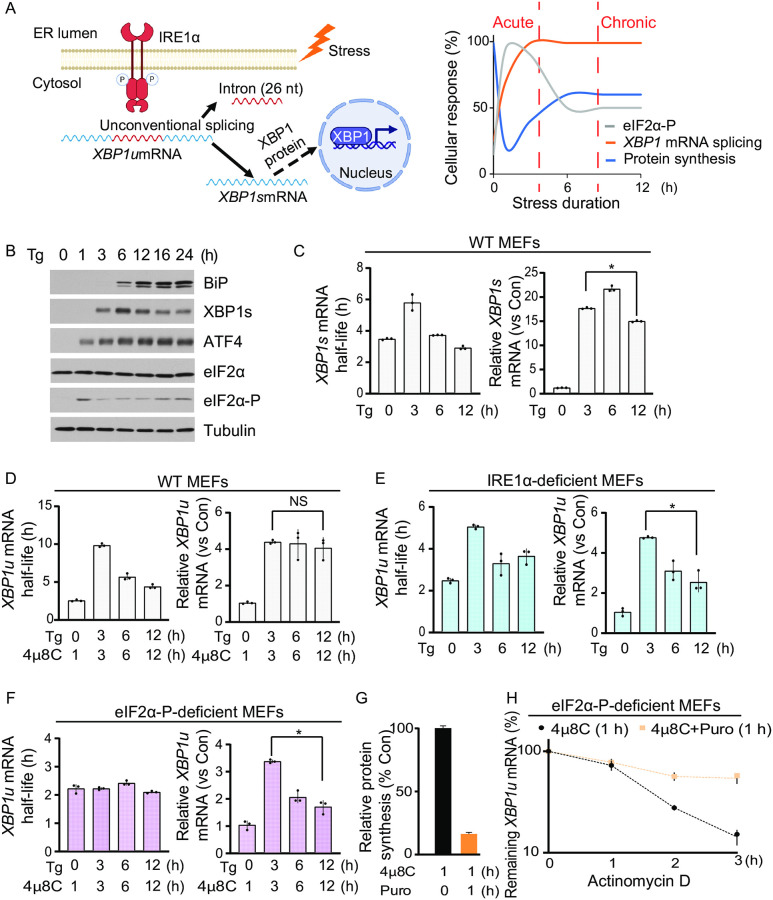
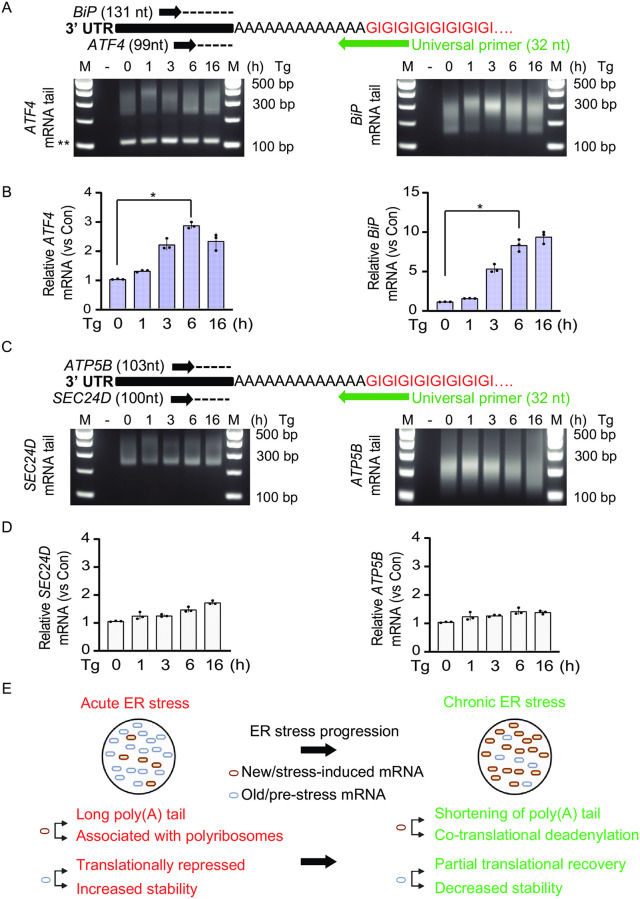
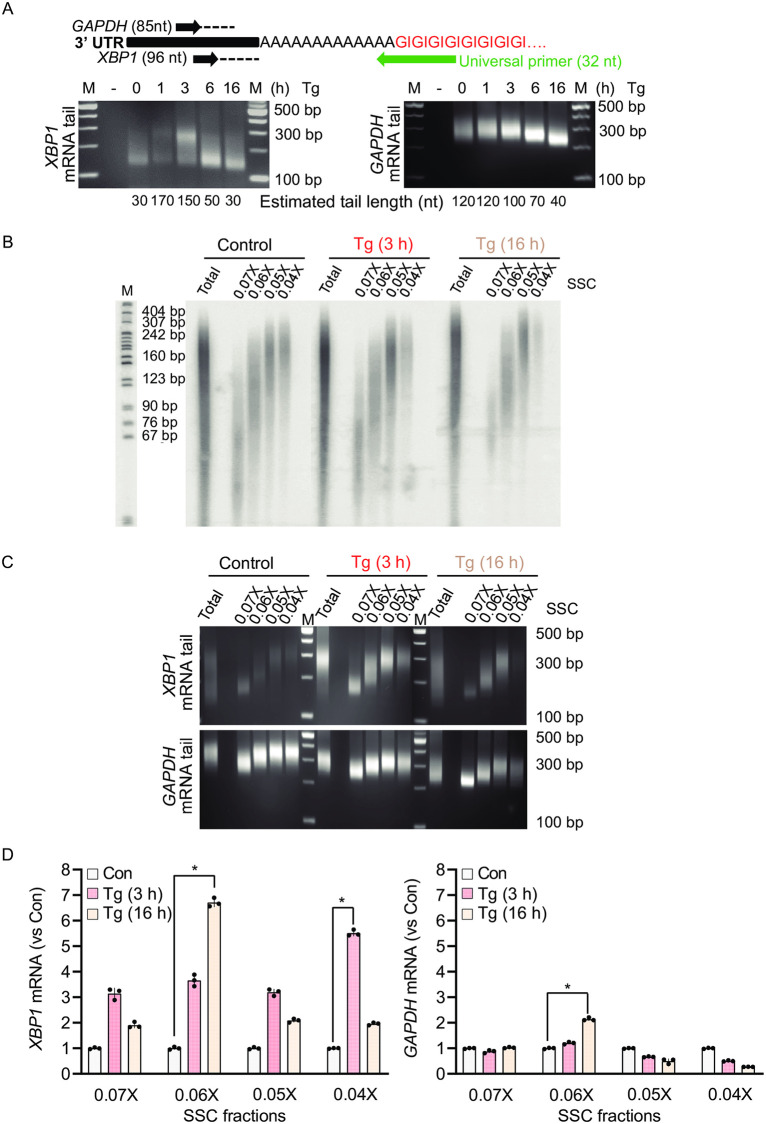
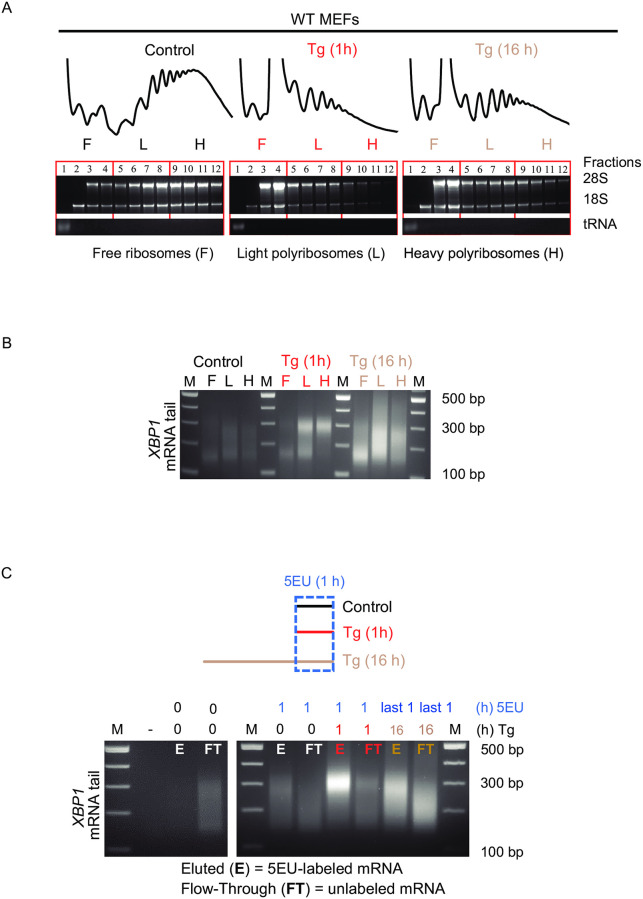
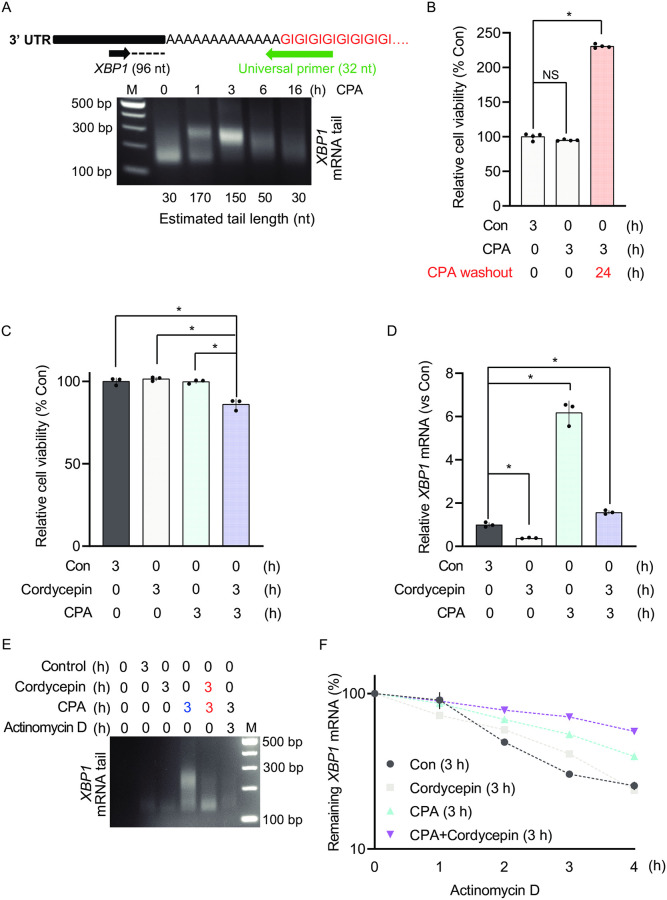
Endoplasmic Reticulum (ER) stress, caused by the accumulation of misfolded proteins in the ER, elicits a homeostatic mechanism known as the Unfolded Protein Response (UPR). The UPR reprograms gene expression to promote adaptation to chronic ER stress. The UPR comprises an acute phase involving inhibition of bulk protein synthesis and a chronic phase of transcriptional induction coupled with the partial recovery of protein synthesis. However, the role of transcriptional regulation in the acute phase of the UPR is not well understood. Here we analyzed the fate of newly synthesized mRNA encoding the protective and homeostatic transcription factor X-box binding protein 1 (XBP1) during this acute phase. We have previously shown that global translational repression induced by the acute UPR was characterized by decreased translation and increased stability of XBP1 mRNA. We demonstrate here that this stabilization is independent of new transcription. In contrast, we show XBP1 mRNA newly synthesized during the acute phase accumulates with long poly(A) tails and escapes translational repression. Inhibition of newly synthesized RNA polyadenylation during the acute phase decreased cell survival with no effect in unstressed cells. Furthermore, during the chronic phase of the UPR, levels of XBP1 mRNA with long poly(A) tails decreased in a manner consistent with co-translational deadenylation. Finally, additional pro-survival, transcriptionally-induced mRNAs show similar regulation, supporting the broad significance of the pre-steady state UPR in translational control during ER stress. We conclude that the biphasic regulation of poly(A) tail length during the UPR represents a previously unrecognized pro-survival mechanism of mammalian gene regulation.
内质网(ER)应激是由于 ER 中错误折叠的蛋白质积累引起的,它引发了一种称为未折叠蛋白反应(UPR)的稳态机制。UPR 重新编程基因表达,以促进对慢性 ER 应激的适应。UPR 包括一个急性期,涉及到大量蛋白质合成的抑制,以及一个与蛋白质合成部分恢复相关的转录诱导的慢性期。然而,转录调节在 UPR 的急性期中的作用还不是很清楚。在这里,我们分析了在这个急性期中编码保护性和稳态转录因子 X 盒结合蛋白 1(XBP1)的新合成 mRNA 的命运。我们之前已经表明,急性 UPR 诱导的全局翻译抑制的特征是 XBP1 mRNA 的翻译减少和稳定性增加。在这里,我们证明这种稳定性不依赖于新的转录。相比之下,我们表明在急性期新合成的 XBP1 mRNA 积累了长的 poly(A)尾巴,并逃避了翻译抑制。在急性期抑制新合成的 RNA 多聚腺苷酸化会降低细胞存活率,而对未应激细胞没有影响。此外,在 UPR 的慢性期,具有长 poly(A)尾巴的 XBP1 mRNA 的水平以与共翻译去腺苷酸化一致的方式下降。最后,额外的生存促进、转录诱导的 mRNA 也表现出类似的调节,支持了在 ER 应激期间翻译控制中预稳态 UPR 的广泛意义。我们得出结论,UPR 中 poly(A) 尾巴长度的双相调节代表了哺乳动物基因调节中以前未被认识的生存促进机制。