Department of Biological Chemistry, University of California, Irvine, Irvine, CA 92697, USA.
Department of Microbiology and Molecular Genetics, University of California, Irvine, Irvine, CA 92697, USA.
Sci Adv. 2022 Aug 12;8(32):eabo2389. doi: 10.1126/sciadv.abo2389. Epub 2022 Aug 10.
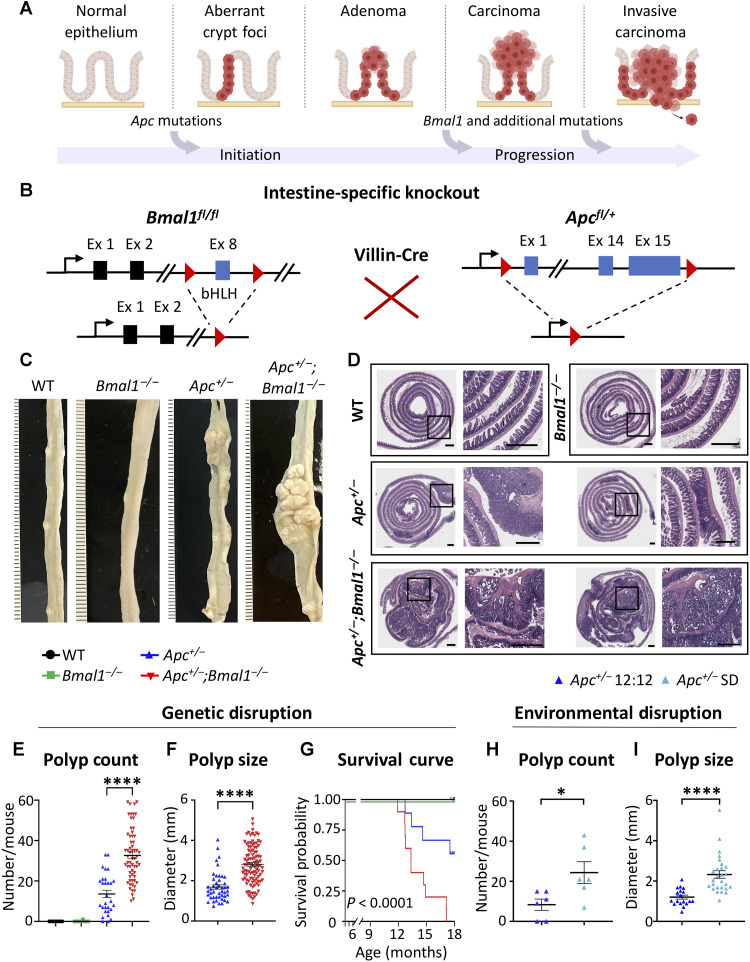
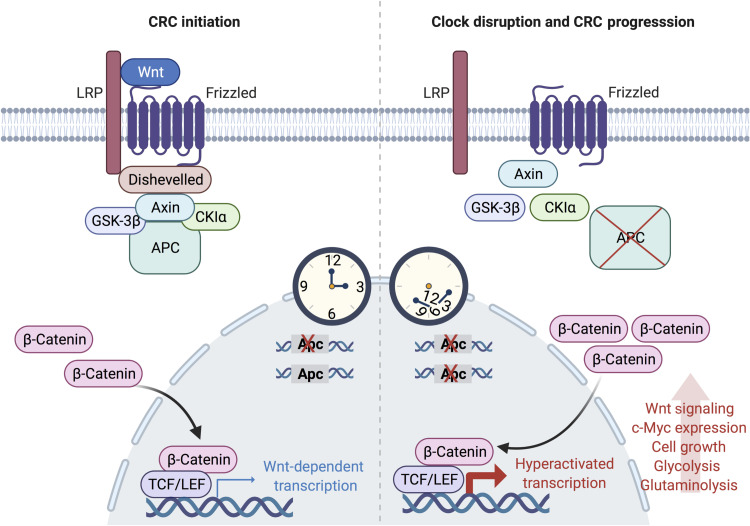
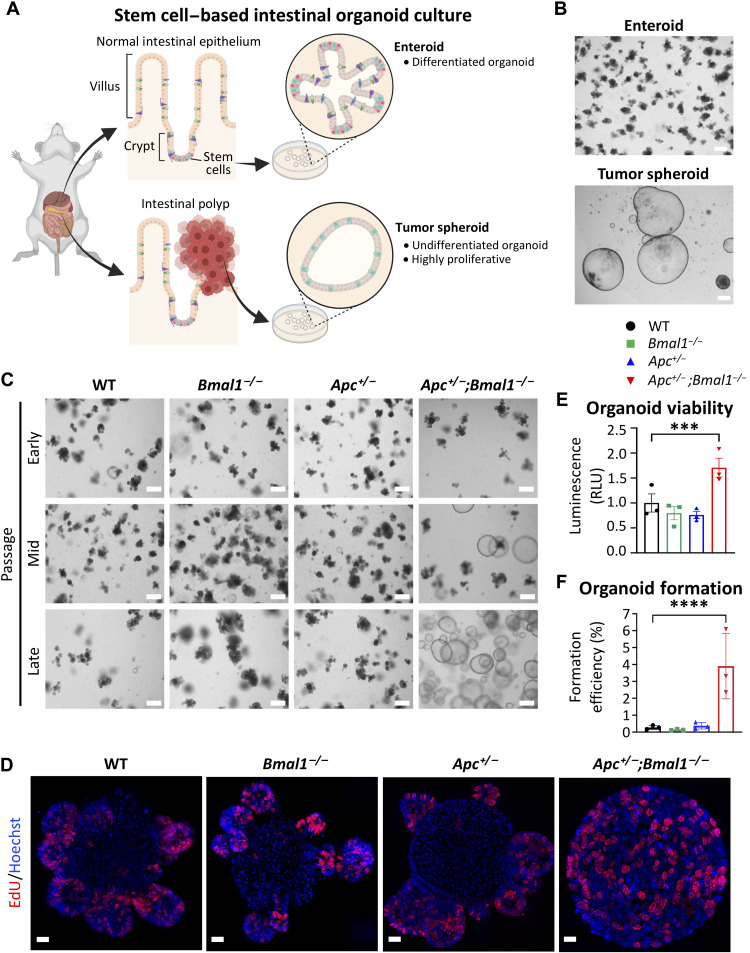
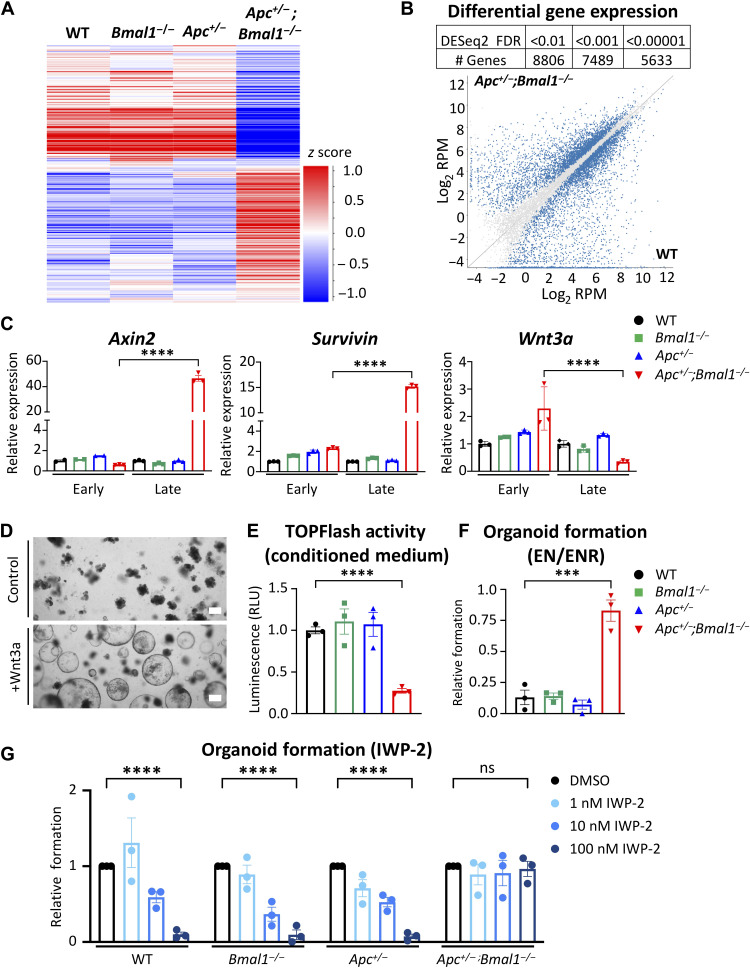
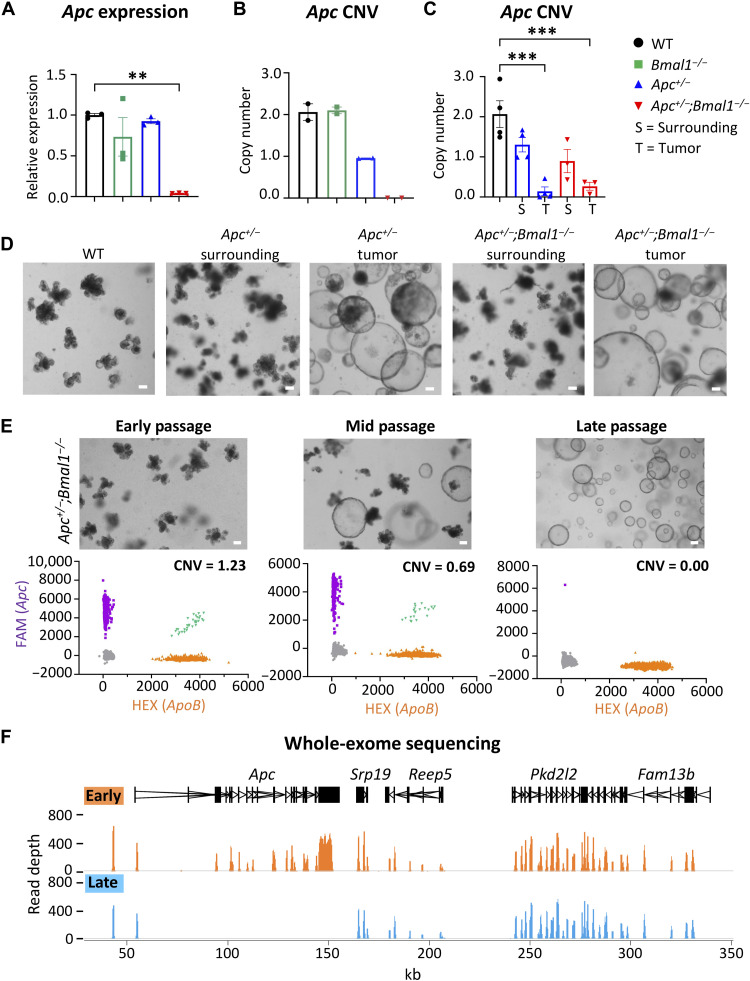
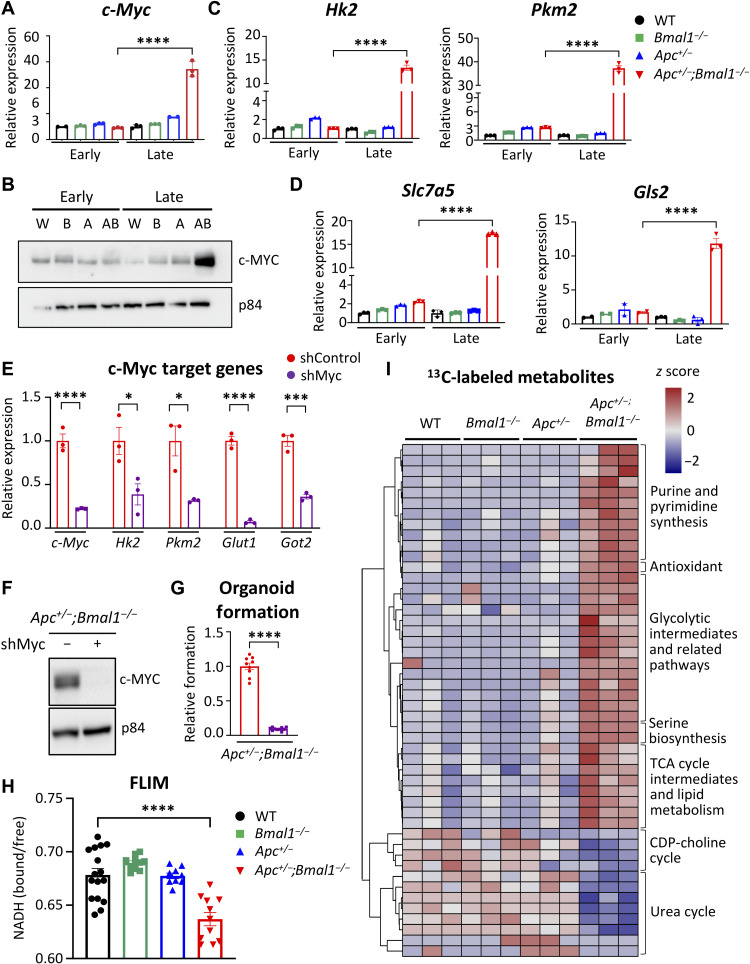
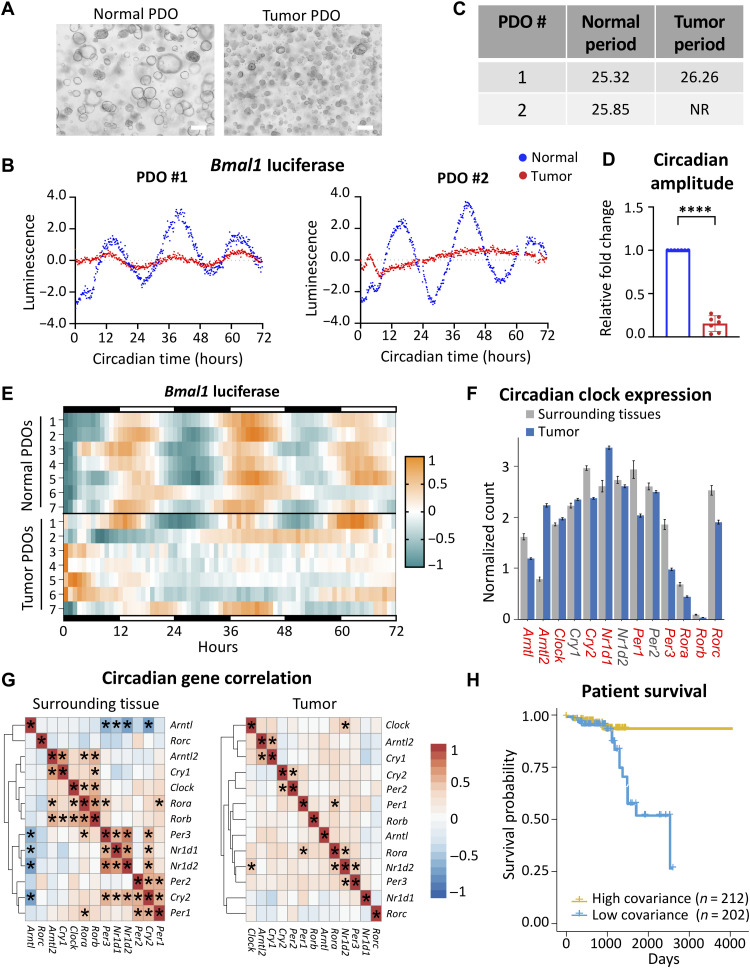
An alarming rise in young onset colorectal cancer (CRC) has been reported; however, the underlying molecular mechanism remains undefined. Suspected risk factors of young onset CRC include environmental aspects, such as lifestyle and dietary factors, which are known to affect the circadian clock. We find that both genetic disruption and environmental disruption of the circadian clock accelerate driven CRC pathogenesis in vivo. Using an intestinal organoid model, we demonstrate that clock disruption promotes transformation by driving loss of heterozygosity, which hyperactivates Wnt signaling. This up-regulates , a known Wnt target, which drives heightened glycolytic metabolism. Using patient-derived organoids, we show that circadian rhythms are lost in human tumors. Last, we identify that variance between core clock and Wnt pathway genes significantly predicts the survival of patients with CRC. Overall, our findings demonstrate a previously unidentified mechanistic link between clock disruption and CRC, which has important implications for young onset cancer prevention.
据报道,年轻起病结直肠癌(CRC)的发病率呈上升趋势;然而,其潜在的分子机制尚不清楚。年轻起病 CRC 的可疑危险因素包括环境方面,如生活方式和饮食因素,已知这些因素会影响生物钟。我们发现,生物钟的遗传和环境破坏均可加速体内驱动的 CRC 发病机制。通过使用肠类器官模型,我们证明生物钟破坏通过驱动杂合性丢失来促进转化,从而过度激活 Wnt 信号。这会上调已知的 Wnt 靶基因 ,从而驱动糖酵解代谢增强。通过使用患者来源的类器官,我们表明生物钟节律在人类肿瘤中丢失。最后,我们发现核心时钟和 Wnt 通路基因之间的差异显著预测 CRC 患者的生存。总的来说,我们的研究结果表明,生物钟破坏与 CRC 之间存在以前未被识别的机制联系,这对年轻起病癌症的预防具有重要意义。