Parag Sonam, Carnevale Katelyn
Dr. Kiran C. Patel College of Allopathic Medicine, Nova Southeastern University, Fort Lauderdale, USA.
Cureus. 2022 Jul 8;14(7):e26660. doi: 10.7759/cureus.26660. eCollection 2022 Jul.
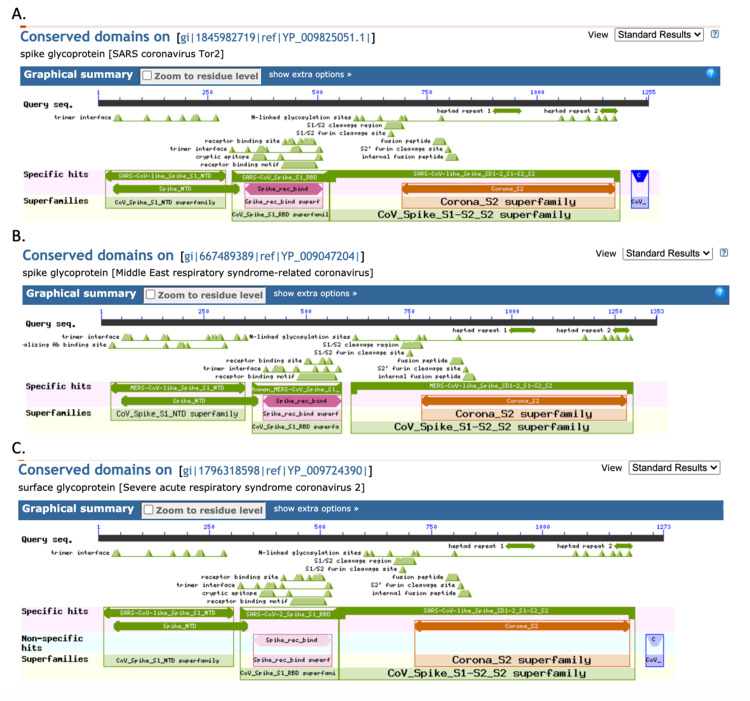
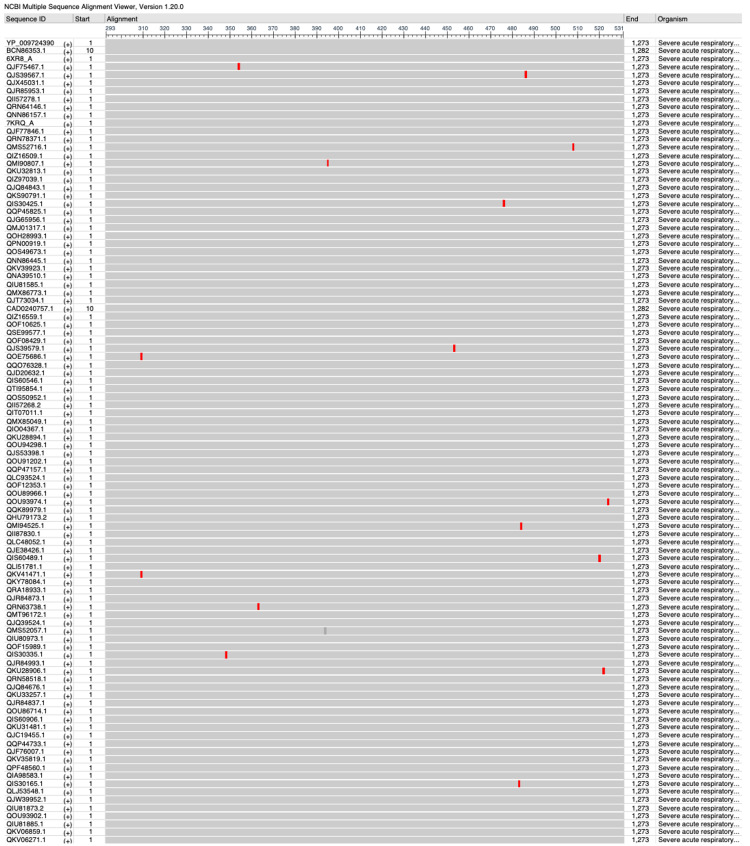
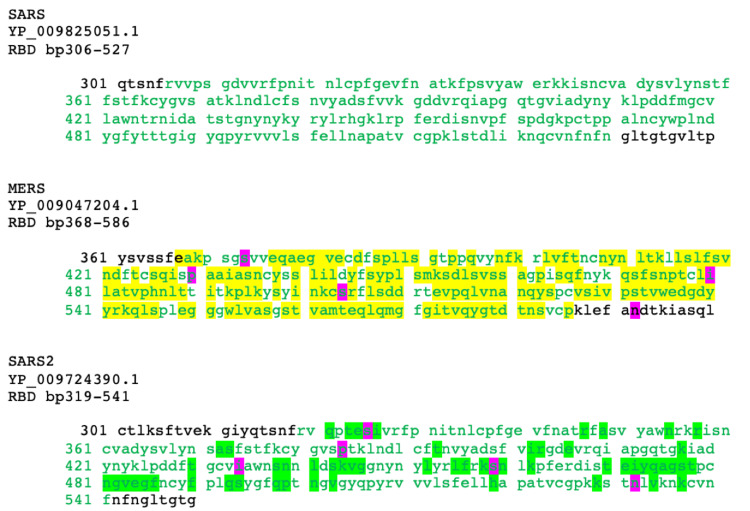
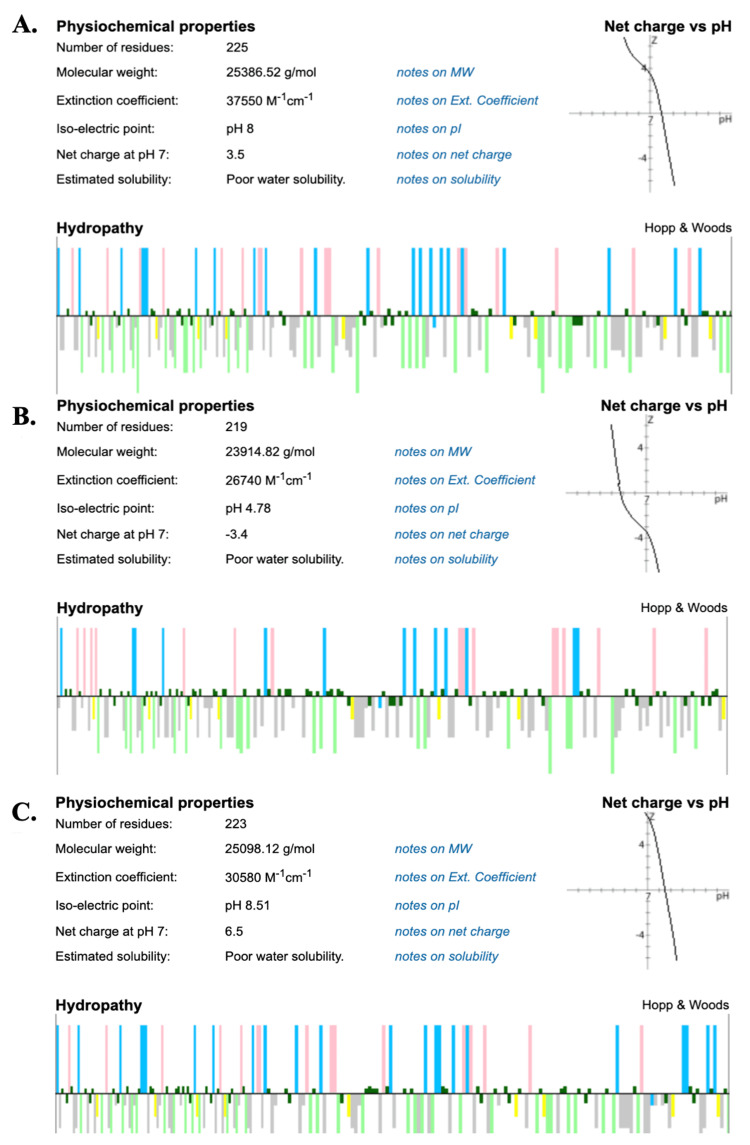
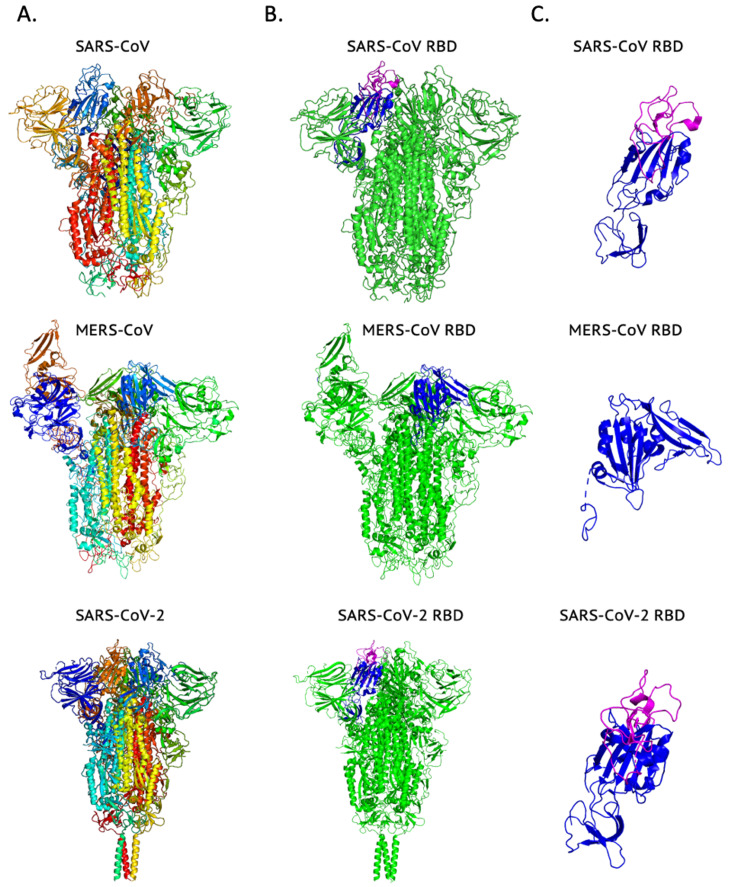
Objective This study investigated changes in viral protein structures within the receptor-binding domains (RBDs) of the viral particles of severe acute respiratory syndrome coronavirus (SARS-CoV), Middle East respiratory syndrome coronavirus (MERS-CoV), and severe acute respiratory syndrome coronavirus 2 (SARS-CoV-2), that may explain the evolution of increased infectivity. Background The emergence of severely pathogenic indicates increased infectivity and host range, possibly related to the evolution of the viral genome and subsequent proteins, specifically coronavirus spike proteins that are involved in host receptor binding and cell entry. Methods Amino acid sequences of the spike protein of each virus (SARS-CoV, MERS-CoV, and SARS-CoV-2) were obtained from the NCBI Virus Database, along with the sequences for their known receptors, and analyzed for sequence changes and peptide properties to determine the characteristics of the virus-receptor binding. Crystal structures were retrieved from the Protein Database for each virus and receptor and visualized using proteomic analysis software (PyMOL 2.1) (Schrödinger, Inc., New York, USA). Results SARS-CoV-2 displayed the largest magnitude difference (+32.4) in net charge between the virus and its receptor, angiotensin-converting enzyme 2 (ACE2), suggesting stronger electrostatic binding. SARS-CoV-2 also had the largest RBD (7140.29 Å), indicating more surface area for interaction with the ACE2 receptor. Conclusion The evolution of SARS-CoV-2 for a larger and more electrostatically "sticky" RBD compared to other pathogenic may contribute to observations of SARS-CoV-2 having a stronger or more stable binding, leading to increased transmissibility and infectivity. Further investigation of conserved genomic regions between these viruses may facilitate the development of viable vaccines and treatments.
目的 本研究调查了严重急性呼吸综合征冠状病毒(SARS-CoV)、中东呼吸综合征冠状病毒(MERS-CoV)和严重急性呼吸综合征冠状病毒2(SARS-CoV-2)病毒颗粒受体结合域(RBD)内病毒蛋白结构的变化,这些变化可能解释传染性增加的演变。背景 高致病性病毒的出现表明传染性和宿主范围增加,这可能与病毒基因组及后续蛋白质的演变有关,特别是参与宿主受体结合和细胞进入的冠状病毒刺突蛋白。方法 从NCBI病毒数据库中获取每种病毒(SARS-CoV、MERS-CoV和SARS-CoV-2)刺突蛋白的氨基酸序列及其已知受体的序列,并分析序列变化和肽特性以确定病毒-受体结合的特征。从蛋白质数据库中检索每种病毒和受体的晶体结构,并使用蛋白质组学分析软件(PyMOL 2.1)(美国纽约薛定谔公司)进行可视化。结果 SARS-CoV-2与其受体血管紧张素转换酶2(ACE2)之间的净电荷差异最大(+32.4),表明静电结合更强。SARS-CoV-2的RBD也最大(7140.29 Å),表明与ACE2受体相互作用的表面积更大。结论 与其他致病性病毒相比,SARS-CoV-2进化出更大且静电“粘性”更强的RBD,这可能有助于解释观察到的SARS-CoV-2具有更强或更稳定的结合,从而导致传播性和传染性增加。对这些病毒之间保守基因组区域的进一步研究可能有助于开发有效的疫苗和治疗方法。