Department of Medical Laboratory Sciences, Faculty of Applied Health Sciences, The Hashemite University, Zarqa 13133, Jordan.
Cell Therapy Center (CTC), The University of Jordan, Amman 11942, Jordan.
Cells. 2020 Dec 8;9(12):2638. doi: 10.3390/cells9122638.
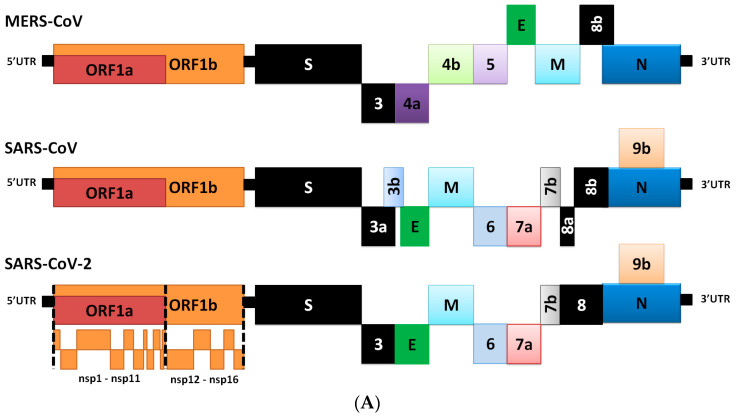
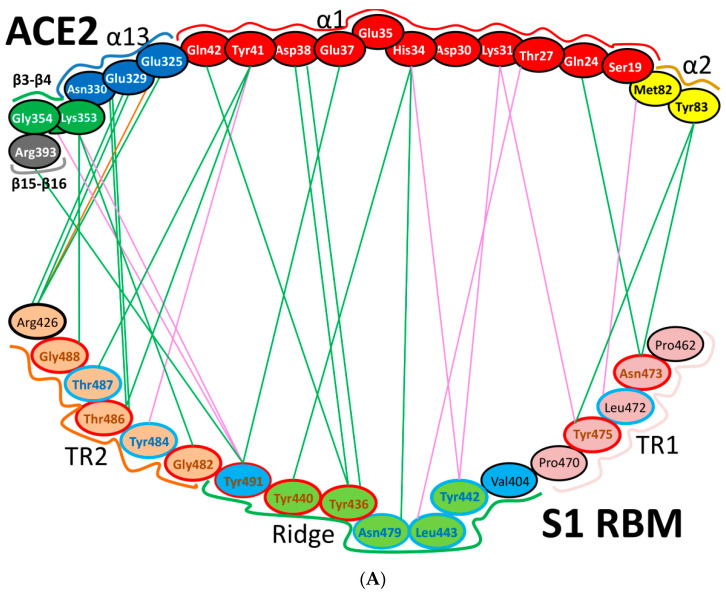
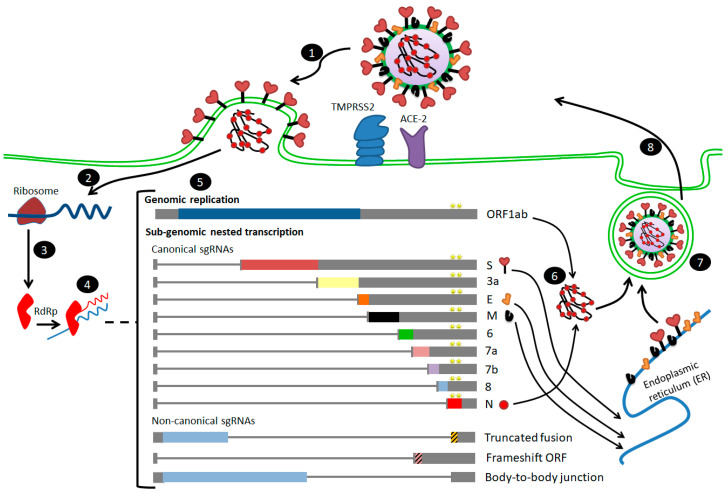
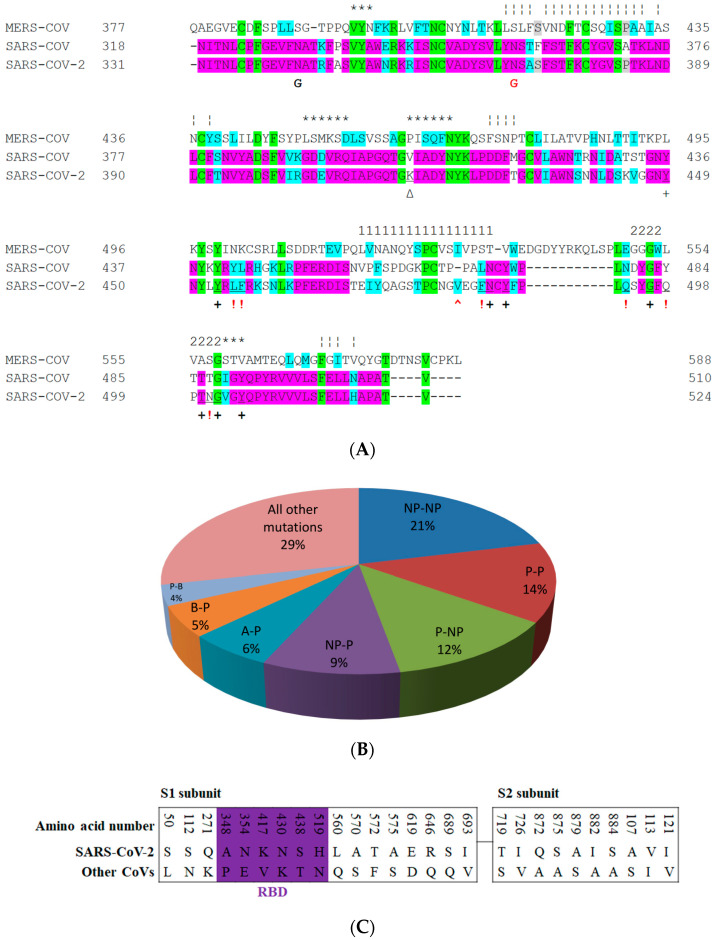
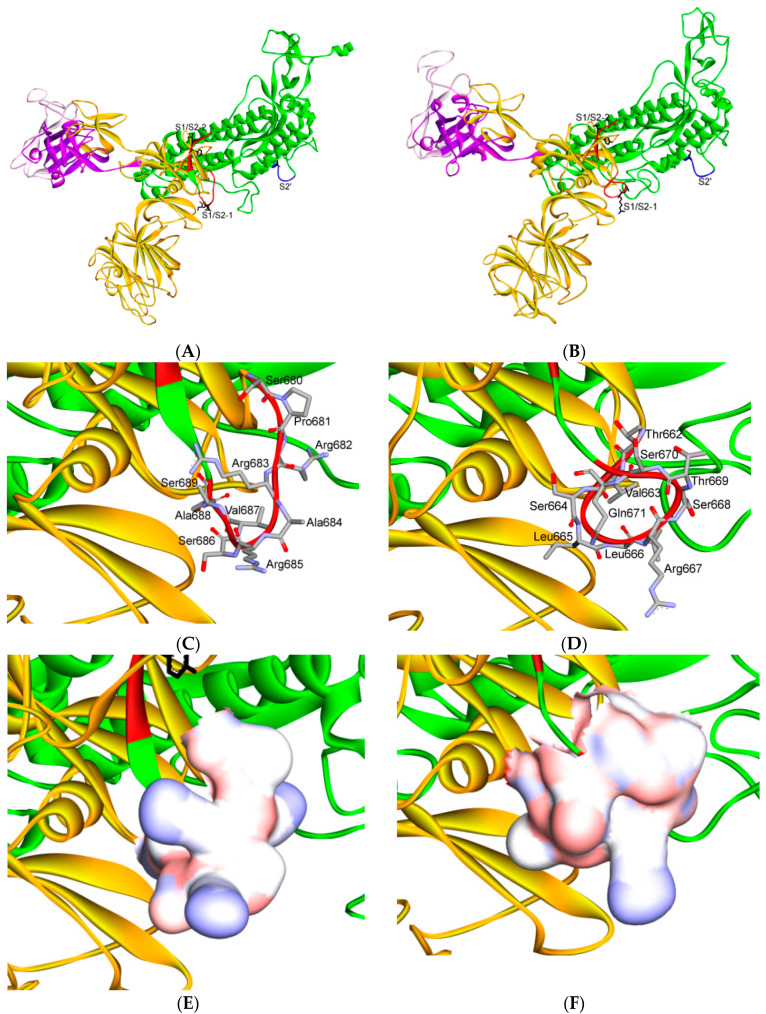
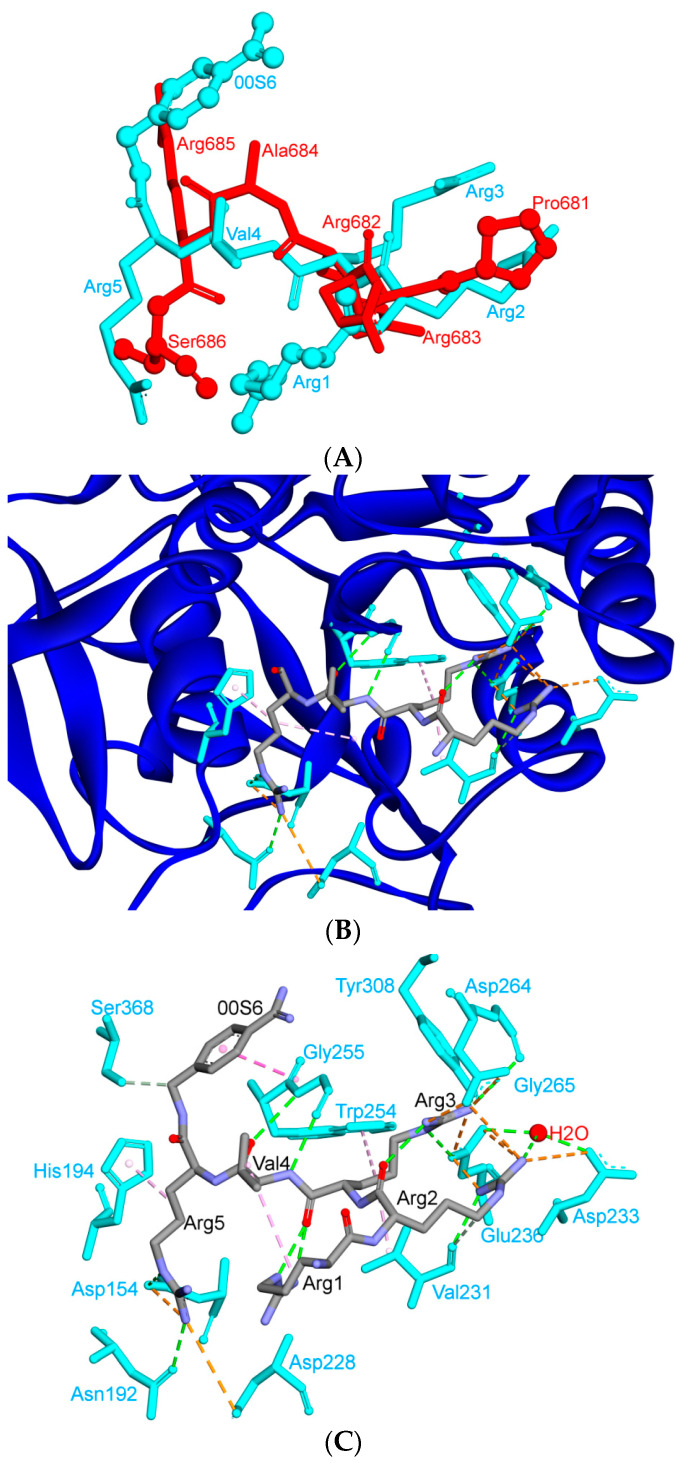
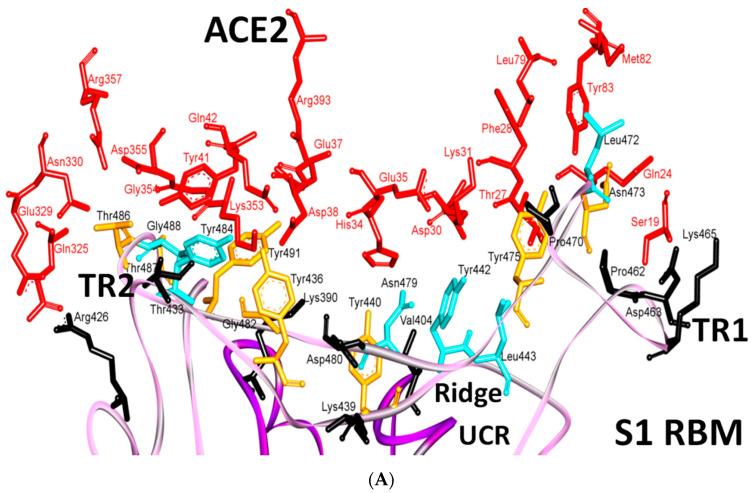
The severe acute respiratory syndrome coronavirus-2 (SARS-CoV-2) has recently emerged in China and caused a disease called coronavirus disease 2019 (COVID-19). The virus quickly spread around the world, causing a sustained global outbreak. Although SARS-CoV-2, and other coronaviruses, SARS-CoV and Middle East respiratory syndrome CoV (MERS-CoV) are highly similar genetically and at the protein production level, there are significant differences between them. Research has shown that the structural spike (S) protein plays an important role in the evolution and transmission of SARS-CoV-2. So far, studies have shown that various genes encoding primarily for elements of S protein undergo frequent mutation. We have performed an in-depth review of the literature covering the structural and mutational aspects of S protein in the context of SARS-CoV-2, and compared them with those of SARS-CoV and MERS-CoV. Our analytical approach consisted in an initial genome and transcriptome analysis, followed by primary, secondary and tertiary protein structure analysis. Additionally, we investigated the potential effects of these differences on the S protein binding and interactions to angiotensin-converting enzyme 2 (ACE2), and we established, after extensive analysis of previous research articles, that SARS-CoV-2 and SARS-CoV use different ends/regions in S protein receptor-binding motif (RBM) and different types of interactions for their chief binding with ACE2. These differences may have significant implications on pathogenesis, entry and ability to infect intermediate hosts for these coronaviruses. This review comprehensively addresses in detail the variations in S protein, its receptor-binding characteristics and detailed structural interactions, the process of cleavage involved in priming, as well as other differences between coronaviruses.
严重急性呼吸综合征冠状病毒 2 型(SARS-CoV-2)最近在中国出现,并导致一种称为 2019 年冠状病毒病(COVID-19)的疾病。该病毒迅速在全球范围内传播,导致持续的全球爆发。尽管 SARS-CoV-2 与其他冠状病毒(SARS-CoV 和中东呼吸综合征冠状病毒(MERS-CoV))在遗传和蛋白质生产水平上高度相似,但它们之间存在显著差异。研究表明,结构刺突(S)蛋白在 SARS-CoV-2 的进化和传播中发挥重要作用。到目前为止,研究表明,编码 S 蛋白主要元件的各种基因经常发生突变。我们对涵盖 SARS-CoV-2 中 S 蛋白结构和突变方面的文献进行了深入回顾,并将其与 SARS-CoV 和 MERS-CoV 进行了比较。我们的分析方法包括初始基因组和转录组分析,随后是一级、二级和三级蛋白质结构分析。此外,我们还研究了这些差异对 S 蛋白与血管紧张素转换酶 2(ACE2)结合和相互作用的潜在影响,并通过对以前的研究文章进行广泛分析后得出结论,SARS-CoV-2 和 SARS-CoV 在 S 蛋白受体结合基序(RBM)中使用不同的末端/区域,并且以不同类型的相互作用与其主要与 ACE2 结合。这些差异可能对这些冠状病毒的发病机制、进入和感染中间宿主的能力产生重大影响。本综述全面详细地介绍了 S 蛋白、其受体结合特性和详细的结构相互作用、参与引发的切割过程以及冠状病毒之间的其他差异。