Berhe Kidanemaryam, Gebrearegay Freweini, Gebreegziabher Hadush, Weldegerima Lemlem, Kahsay Amaha, Hadush Haven, Gebremariam Brhane, Fseha Berhane, Gebremariam Gebrehiwot, Etsay Natnael, Hailu Micheale
Department of Nutrition, School of Public Health, College of Health Sciences, Mekelle University, Mekelle City, Tigray, Ethiopia.
Department of Pediatrics and Child Health Nursing, School of Nursing, College of Health Sciences, Mekelle University, Mekelle City, Tigray, Ethiopia.
Arch Public Health. 2022 Aug 11;80(1):189. doi: 10.1186/s13690-022-00942-y.
In Ethiopia, there are primary studies on adolescent anemia with imprecise and inconclusive findings. Besides, there was no meta-analysis pooled the magnitude and associated factors of anemia among adolescent girls in Ethiopia. Estimating the pooled magnitude and associated factors of anemia among adolescent girls is helpful for evidence-based interventions in Ethiopia.
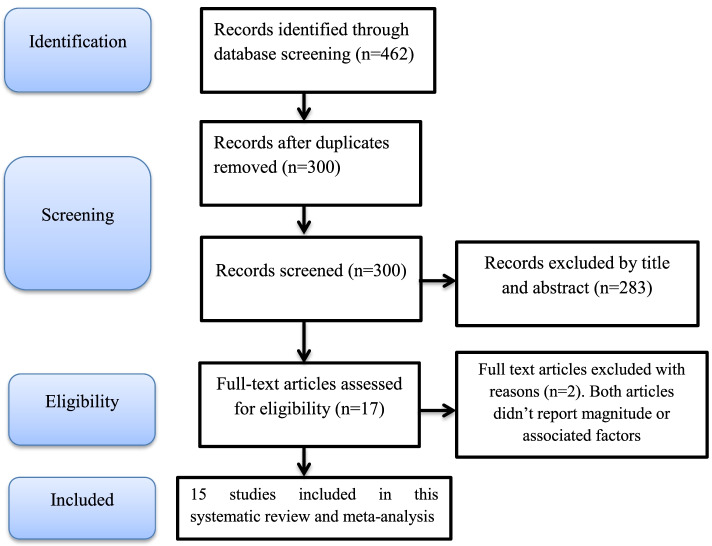
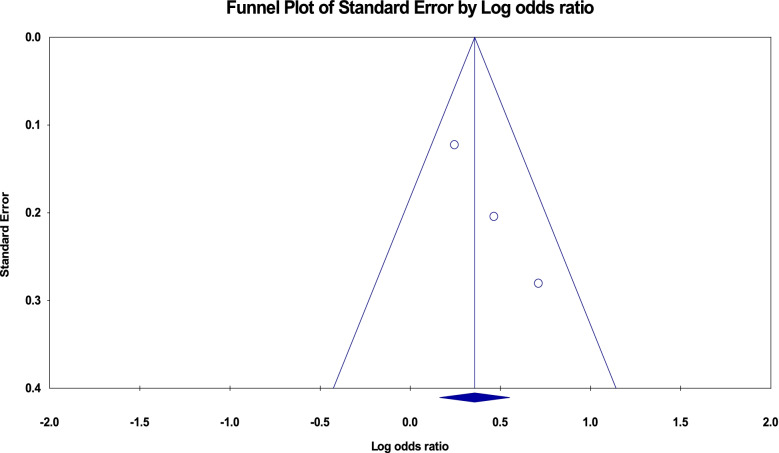
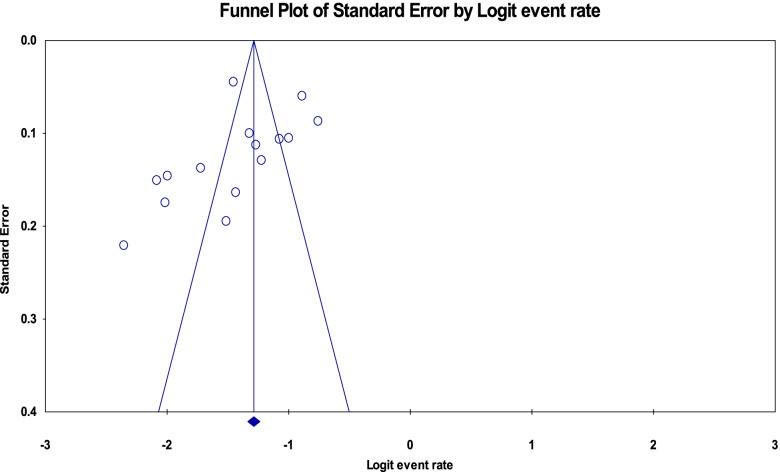
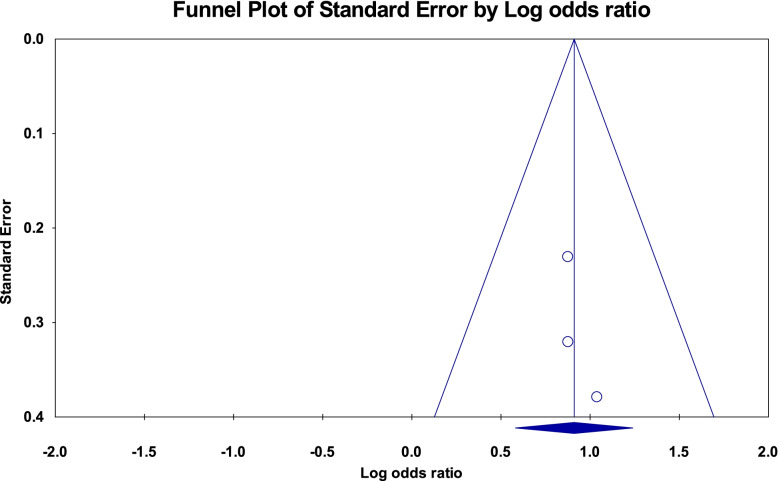
The authors used a preferred reporting item for systematic reviews and meta-analysis (PRISMA). We included articles and survey reports published until May 2021 using searching engines of Google, Google Scholar, PubMed, Scopus, and Cumulative Index to Nursing and Allied Health Literature. To assess the quality of studies, we used Newcastle-Ottawa quality assessment scale for non-randomized. Two authors independently assessed the quality of the studies. We computed the pool magnitude and odds ratio of the associated factors with their 95%CI using Comprehensive Meta-Analysis software. Publication bias assessed using funnel plots and Egger's test.
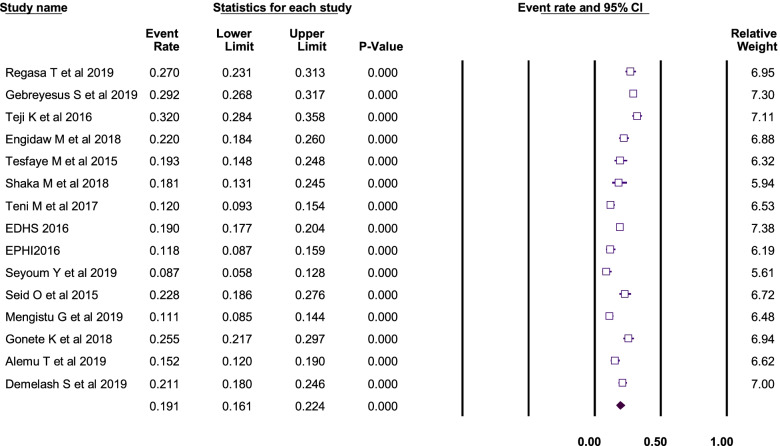
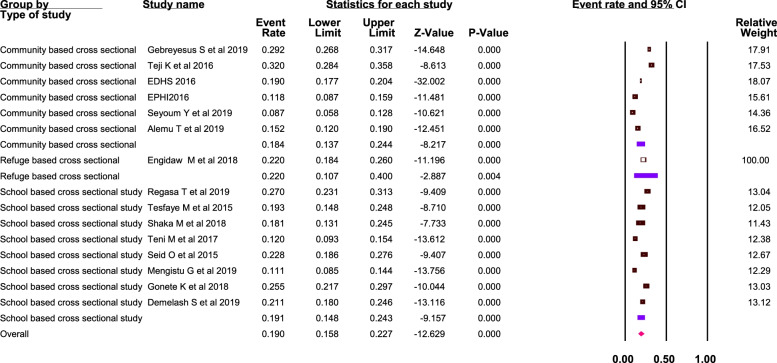
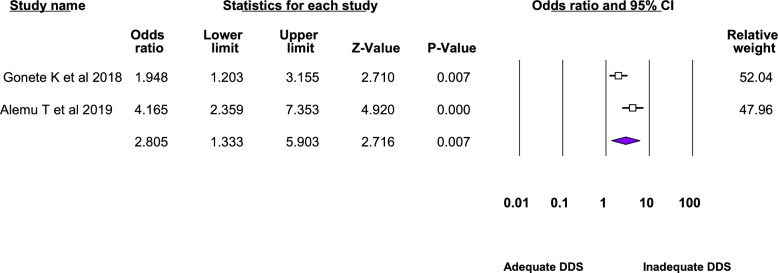
In this review, we included a total of 15 studies with 9,669 adolescent girls. Using the random-effects model, the pooled magnitude of anemia among the Ethiopian adolescent girls was 19.1% (95%CI: 16.1%, 24.6%). The associated factors were attained menarche (adjusted odds ratio (AOR) = 1.96), ≥ 5 days of blood flow during menses (AOR = 6.21), food insecurity (AOR = 1.48), inadequate diet diversity score (AOR = 2.81), presence of intestinal parasite (AOR = 3.51), low body mass index (AOR = 2.49), and rural residence (AOR = 1.79).
The pooled magnitude of anemia among adolescent girls in Ethiopia was 19.1% depicting a mild public health problem; while attained menarche, ≥ 5 days' blood flow during menses, food insecurity, inadequate diet diversity score, intestinal parasites, low body mass index, and rural residence were the associated factors. Hence, addressing health and nutrition wellness of adolescent girls should be center of concern in health, nutrition, agriculture, research, strategies and policies in Ethiopia.
在埃塞俄比亚,有关于青少年贫血的初步研究,但结果不精确且尚无定论。此外,还没有对埃塞俄比亚青春期女孩贫血的严重程度及其相关因素进行荟萃分析。估算青春期女孩贫血的综合严重程度及其相关因素,有助于在埃塞俄比亚开展循证干预措施。
作者采用系统评价与荟萃分析的首选报告项目(PRISMA)。我们通过谷歌、谷歌学术、PubMed、Scopus以及护理与联合健康文献累积索引等搜索引擎,纳入了截至2021年5月发表的文章和调查报告。为评估研究质量,我们使用了针对非随机研究的纽卡斯尔-渥太华质量评估量表。两位作者独立评估研究质量。我们使用综合荟萃分析软件计算相关因素的合并效应量和比值比及其95%置信区间。采用漏斗图和埃格检验评估发表偏倚。
在本综述中,我们共纳入了15项研究,涉及9669名青春期女孩。采用随机效应模型,埃塞俄比亚青春期女孩贫血的合并效应量为19.1%(95%置信区间:16.1%,24.6%)。相关因素包括月经初潮(调整后比值比[AOR]=1.96)、月经期间血流量≥5天(AOR=6.21)、粮食不安全(AOR=1.48)、饮食多样性得分不足(AOR=2.81)、肠道寄生虫感染(AOR=3.51)、低体重指数(AOR=2.49)以及农村居住环境(AOR=1.79)。
埃塞俄比亚青春期女孩贫血的合并效应量为19.1%,表明这是一个轻度的公共卫生问题;而月经初潮、月经期间血流量≥5天、粮食不安全、饮食多样性得分不足、肠道寄生虫感染、低体重指数以及农村居住环境是相关因素。因此,关注青春期女孩的健康和营养状况应成为埃塞俄比亚卫生、营养、农业、研究、战略和政策的核心关注点。