Institute of Nanfan & Seed Industry, Guangdong Academy of Science, Guangzhou, 510316, Guangdong, China.
Guangdong Laboratory for Lingnan Modern Agriculture, Guangzhou, 510642, Guangdong, China.
BMC Plant Biol. 2022 Aug 13;22(1):398. doi: 10.1186/s12870-022-03787-3.
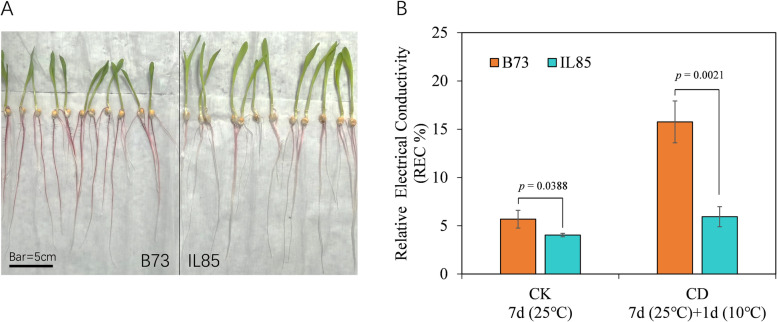
As maize originated in tropical or subtropical zones, most maize germplasm is extremely sensitive to low temperatures during the seedling stage. Clarifying the molecular mechanism of cold acclimation would facilitate the breeding of cold tolerant maize varieties, which is one of the major sustainability factors for crop production. To meet this goal, we investigated two maize inbred lines with contrasting levels of cold tolerance at the seedling stage (IL85, a cold tolerant line; B73, a cold sensitive line), and performed full-length transcriptome sequencing on the root tips of seedlings before and after 24 h of cold treatment.
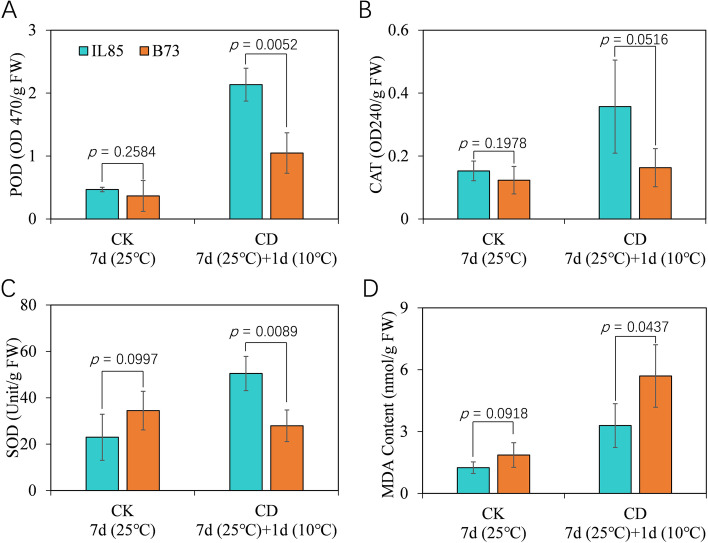
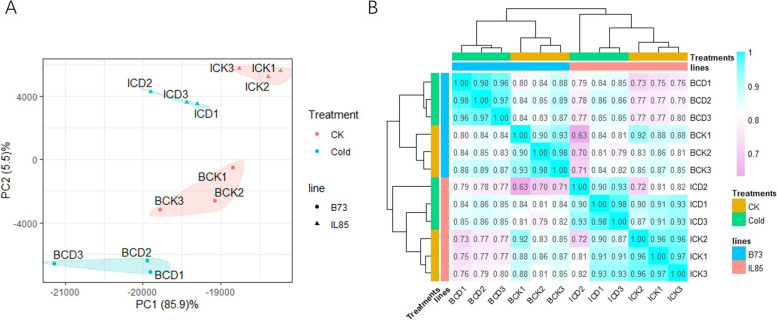
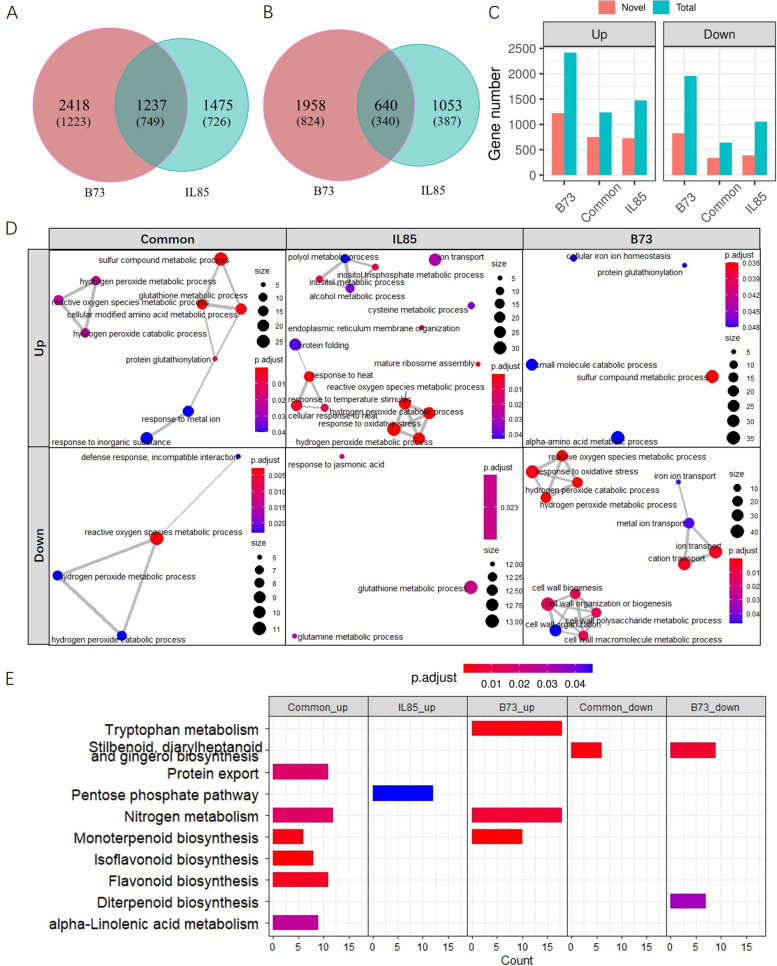
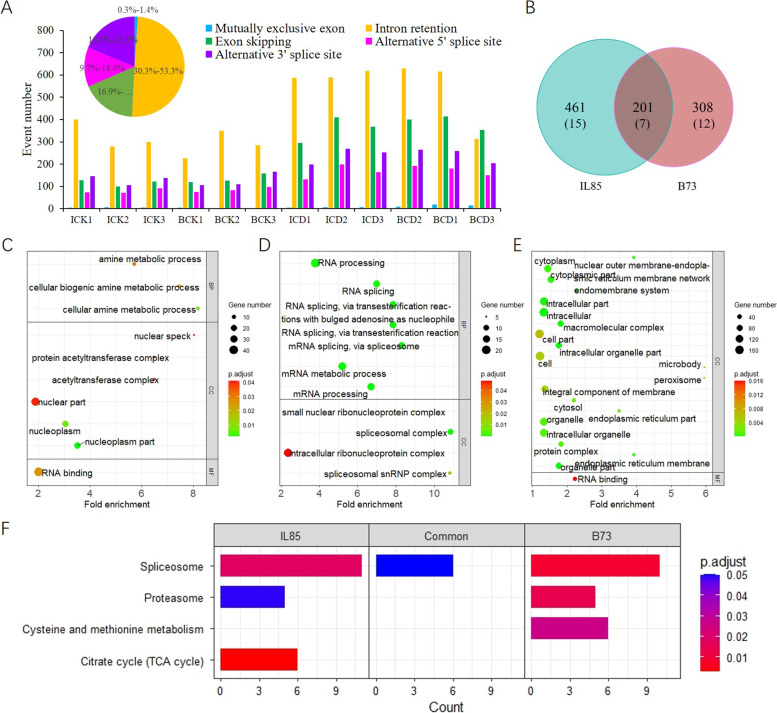
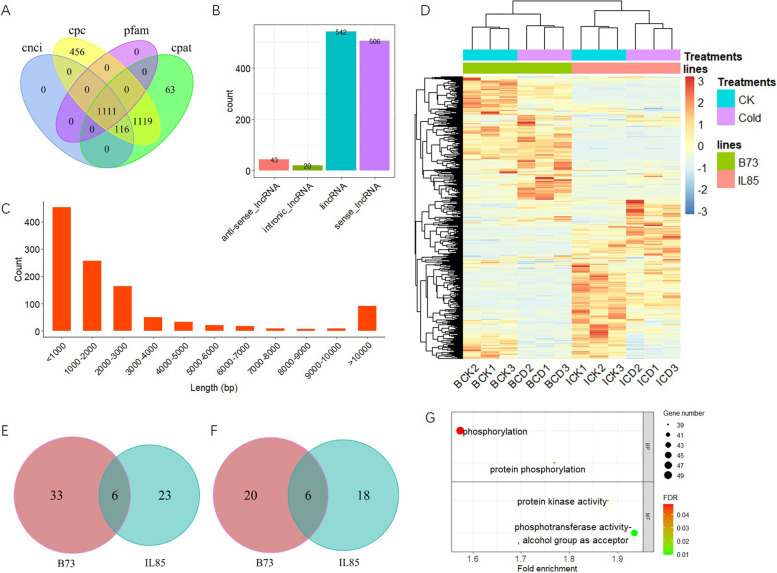
We identified 152,263 transcripts, including 20,993 novel transcripts, and determined per-transcript expression levels. A total of 1,475 transcripts were specifically up-regulated in the cold tolerant line IL85 under cold stress. GO enrichment analysis revealed that 25 transcripts were involved in reactive oxygen species (ROS) metabolic processes and 15 transcripts were related to the response to heat. Eight genes showed specific differential alternative splicing (DAS) in IL85 under cold stress, and were mainly involved in amine metabolism. A total of 1,111 lncRNAs were further identified, 62 of which were up-regulated in IL85 or B73 under cold stress, and their corresponding target genes were enriched in protein phosphorylation.
These results provide new insights into the molecular mechanism of cold acclimation during the seedling stage in maize, and will facilitate the development of cultivars with improved cold stress tolerance.
由于玉米起源于热带或亚热带地区,大多数玉米种质对幼苗期的低温极为敏感。阐明冷驯化的分子机制将有助于培育耐寒玉米品种,这是作物生产可持续性的主要因素之一。为了实现这一目标,我们研究了两个在幼苗期对低温具有不同耐受性的玉米自交系(IL85,耐寒系;B73,感温系),并在冷处理前和冷处理 24 小时后对幼苗根尖进行全长转录组测序。
我们鉴定了 152263 个转录本,包括 20993 个新转录本,并确定了每个转录本的表达水平。在冷胁迫下,耐寒系 IL85 中有 1475 个转录本特异性上调。GO 富集分析表明,25 个转录本参与活性氧(ROS)代谢过程,15 个转录本与耐热反应有关。在冷胁迫下,IL85 中有 8 个基因表现出特异性差异剪接(DAS),主要涉及胺代谢。共鉴定出 1111 个 lncRNA,其中 62 个在 IL85 或 B73 冷胁迫下上调,其相应的靶基因富集在蛋白质磷酸化中。
这些结果为玉米幼苗期冷驯化的分子机制提供了新的见解,并将有助于培育具有提高的耐冷胁迫能力的品种。