Donders Institute for Brain, Cognition and Behaviour, Radboud University, Nijmegen, Netherlands.
Department of Psychology, Institute for Mind and Brain, University of South Carolina, Columbia, SC, 29201, USA.
Behav Res Methods. 2023 Sep;55(6):2853-2884. doi: 10.3758/s13428-022-01934-0. Epub 2022 Aug 15.
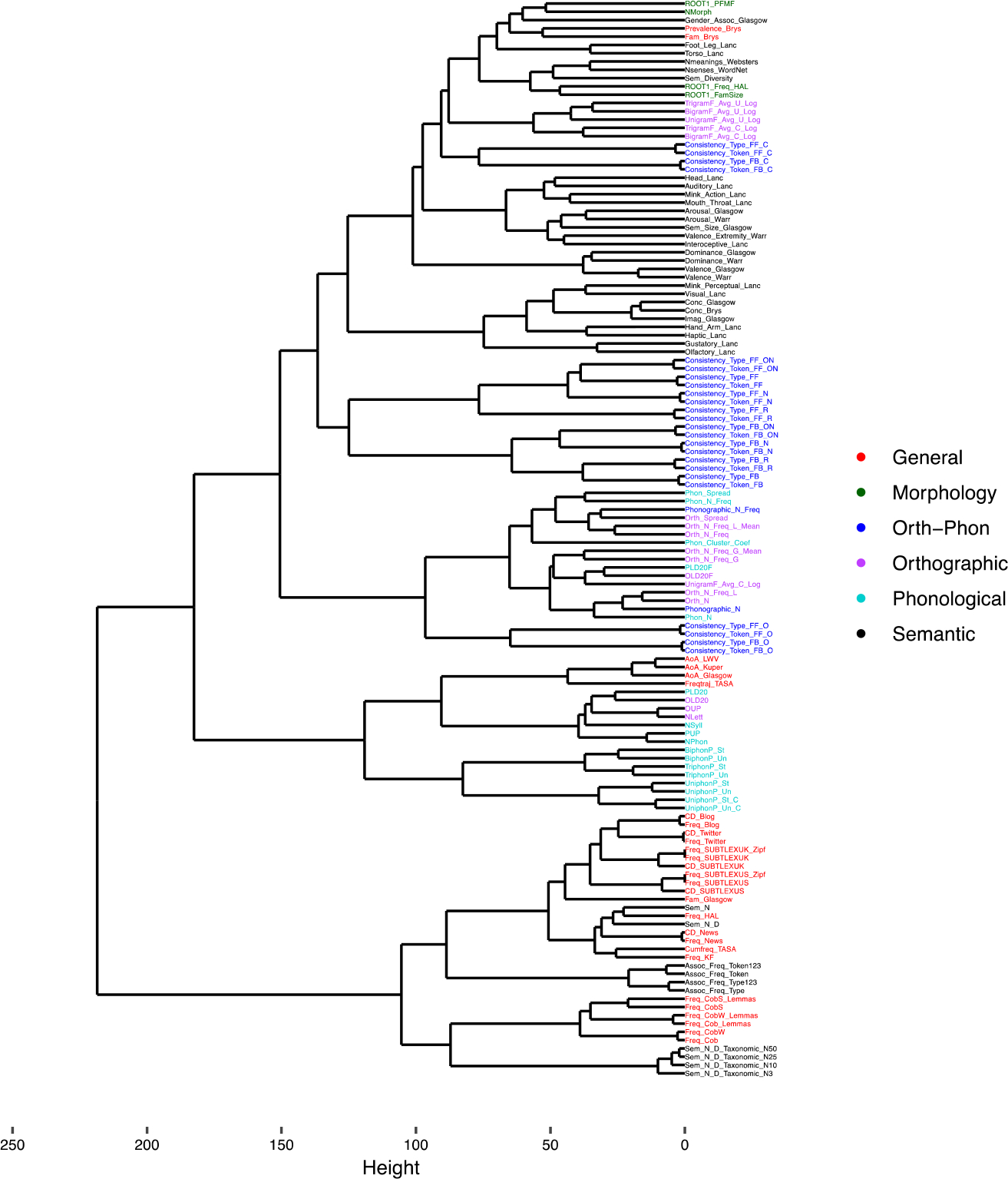
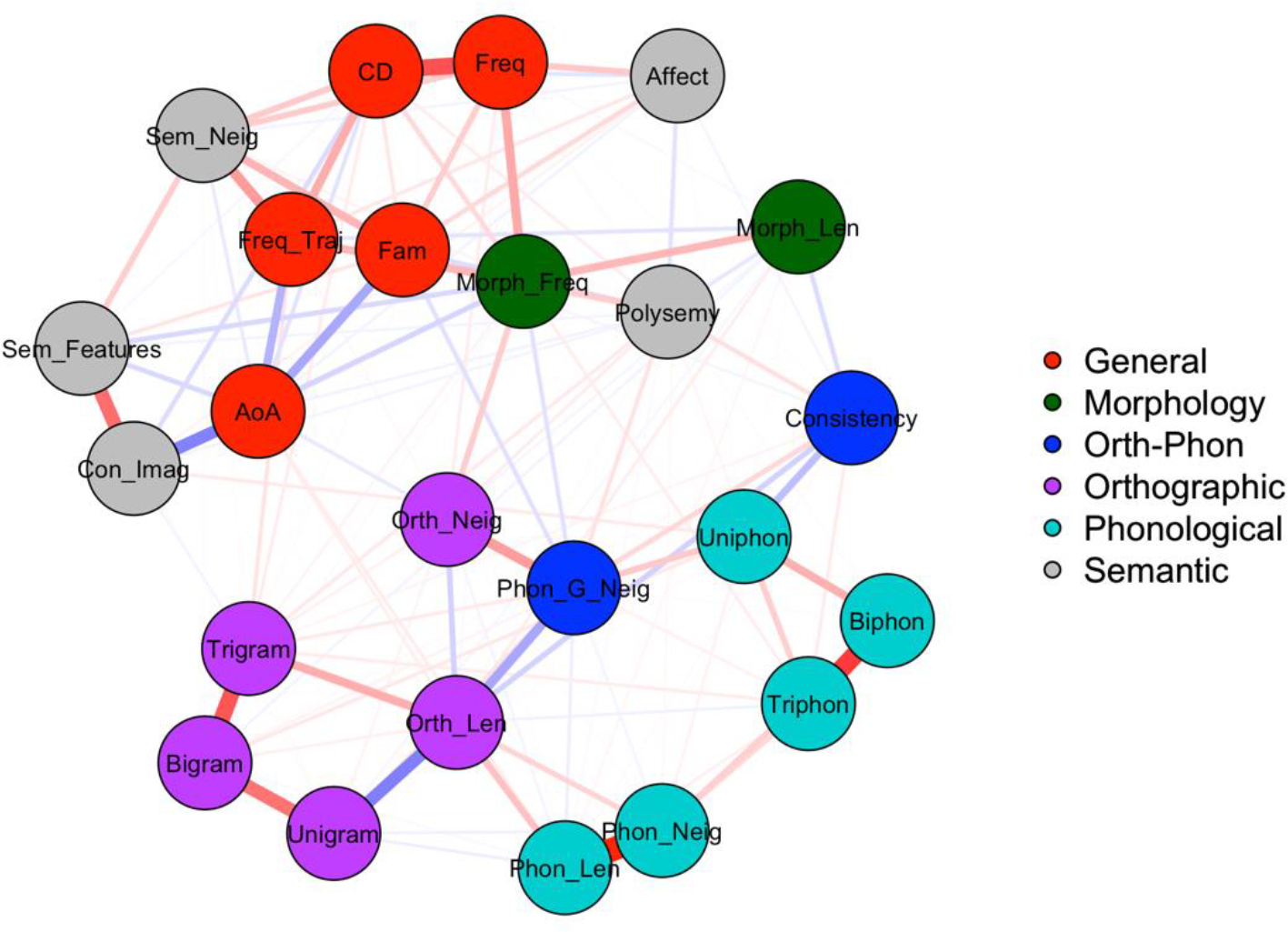
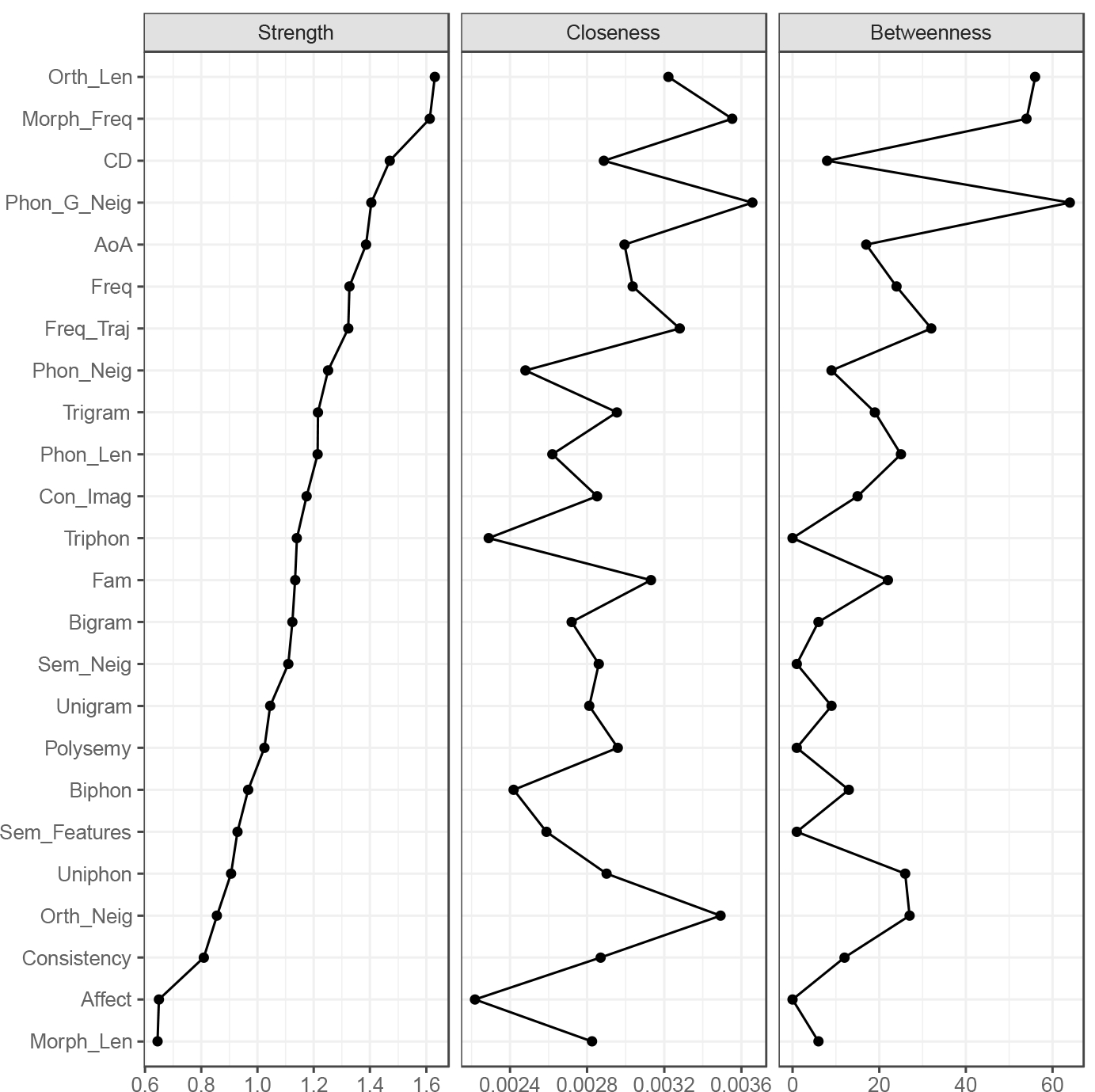
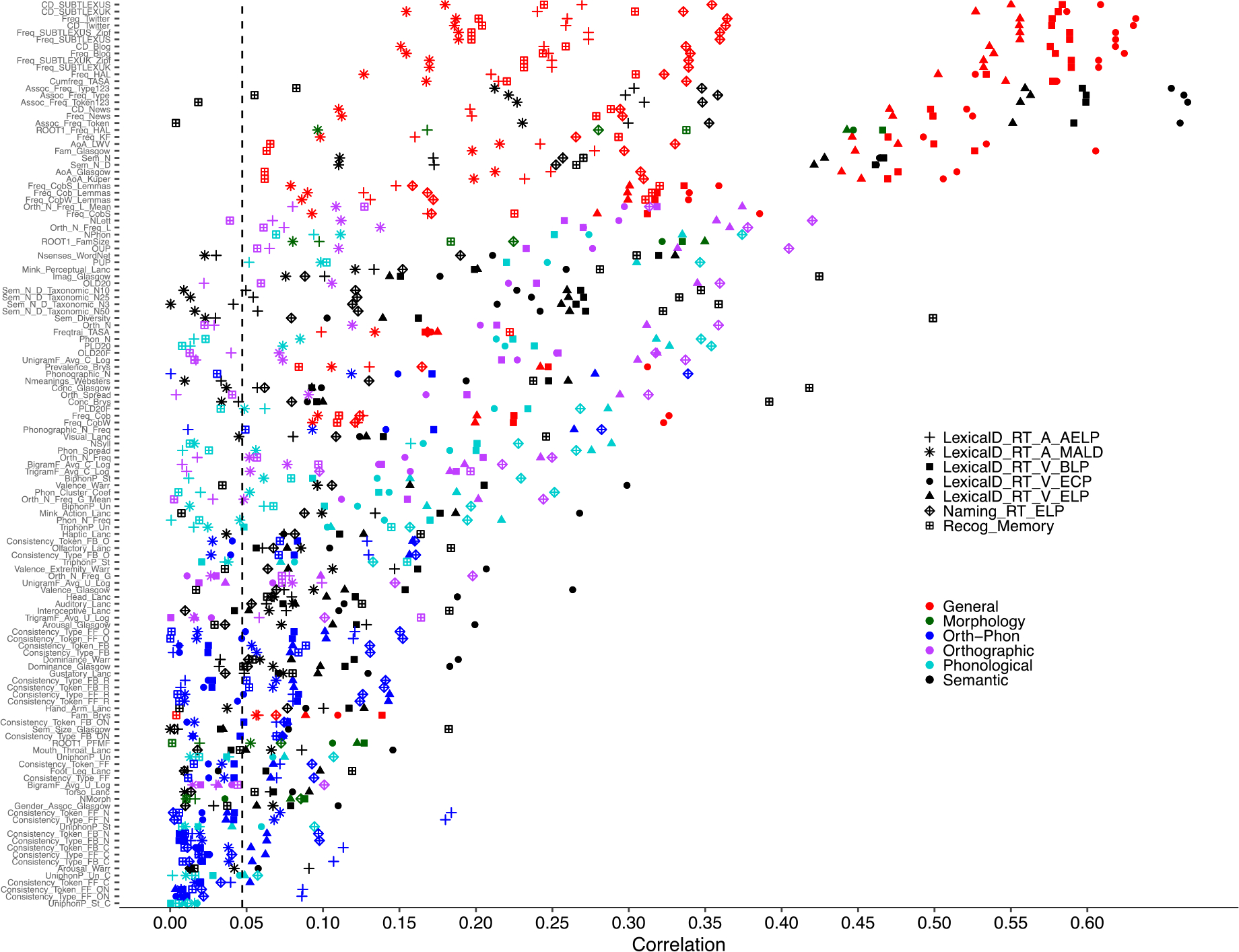
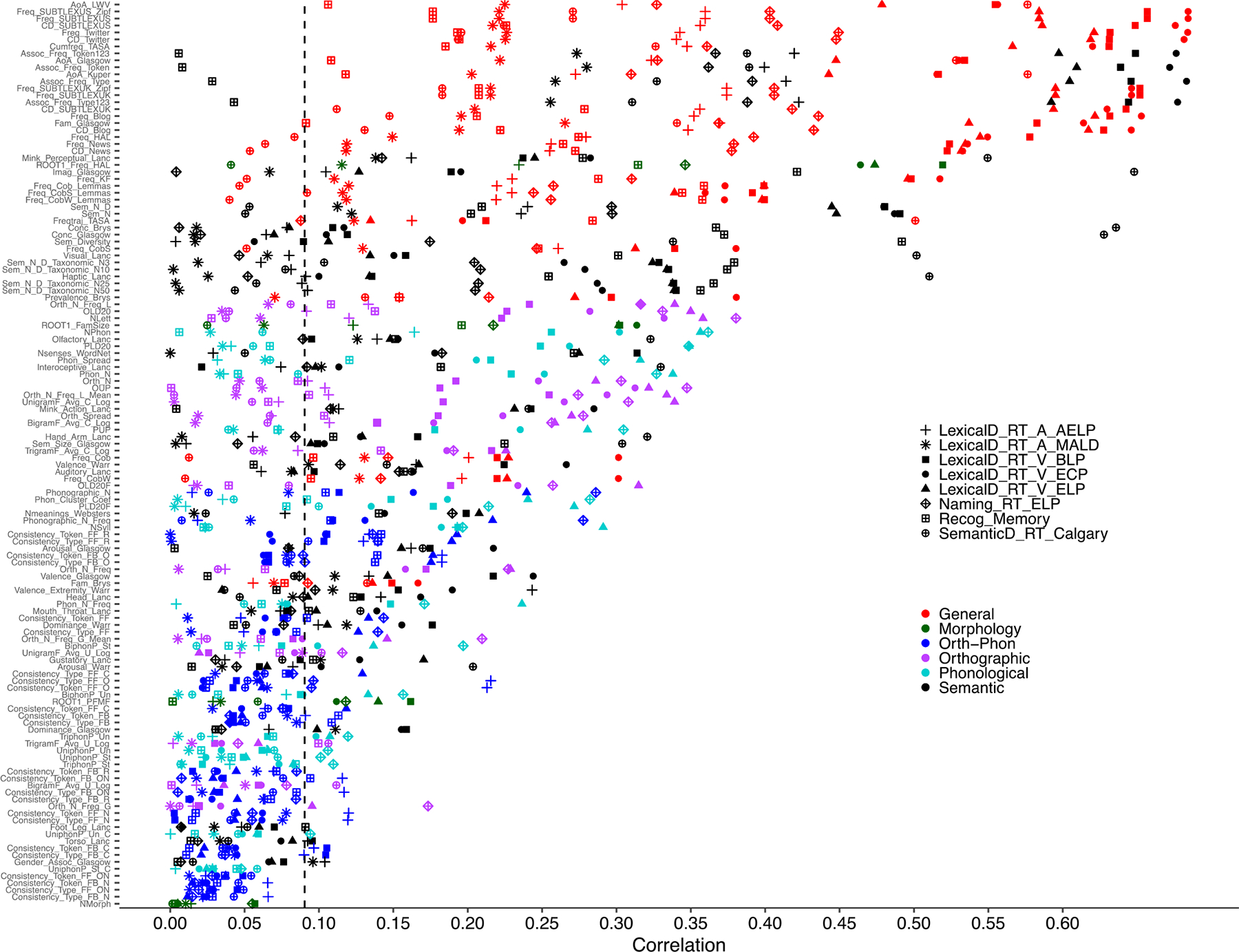
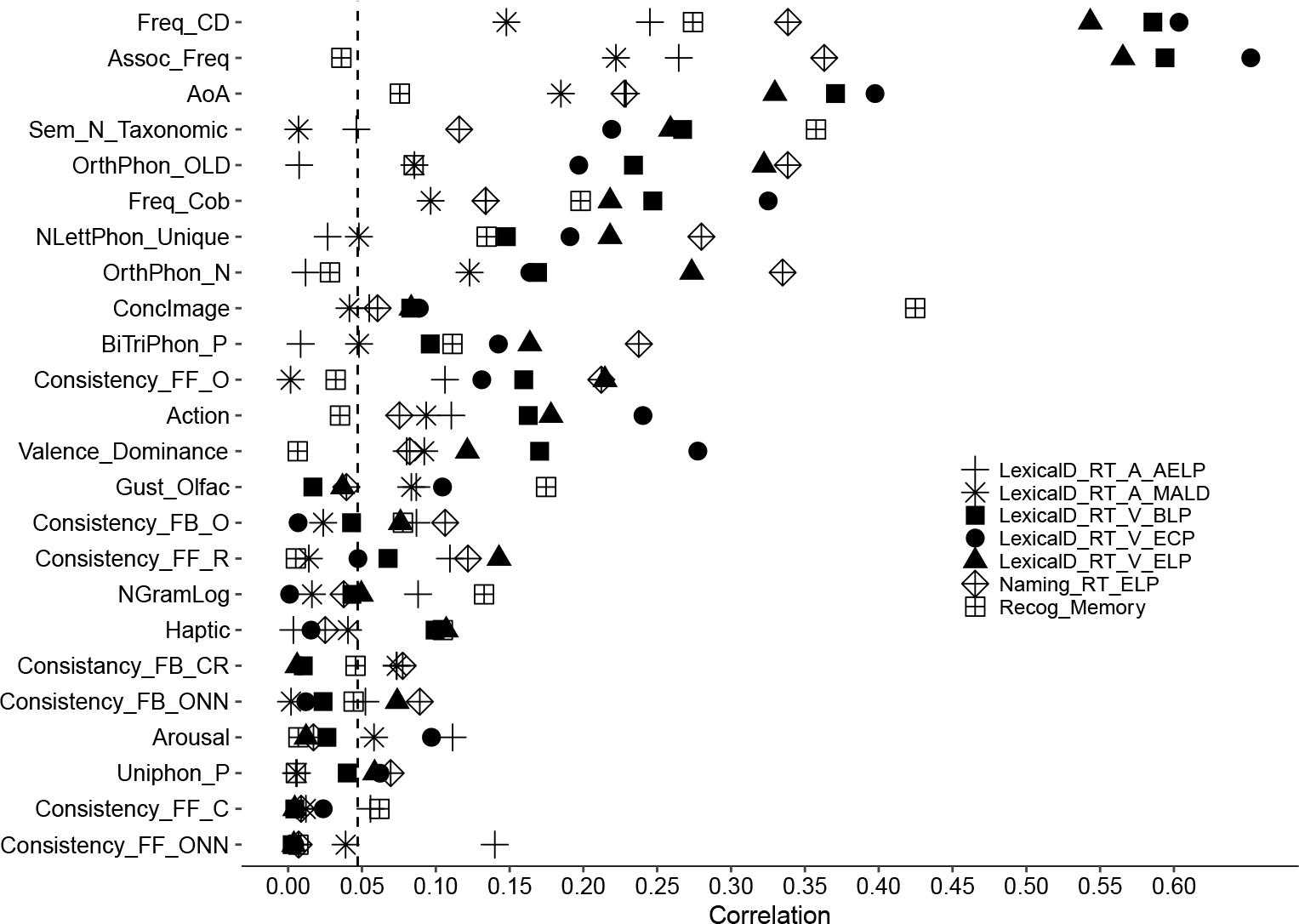
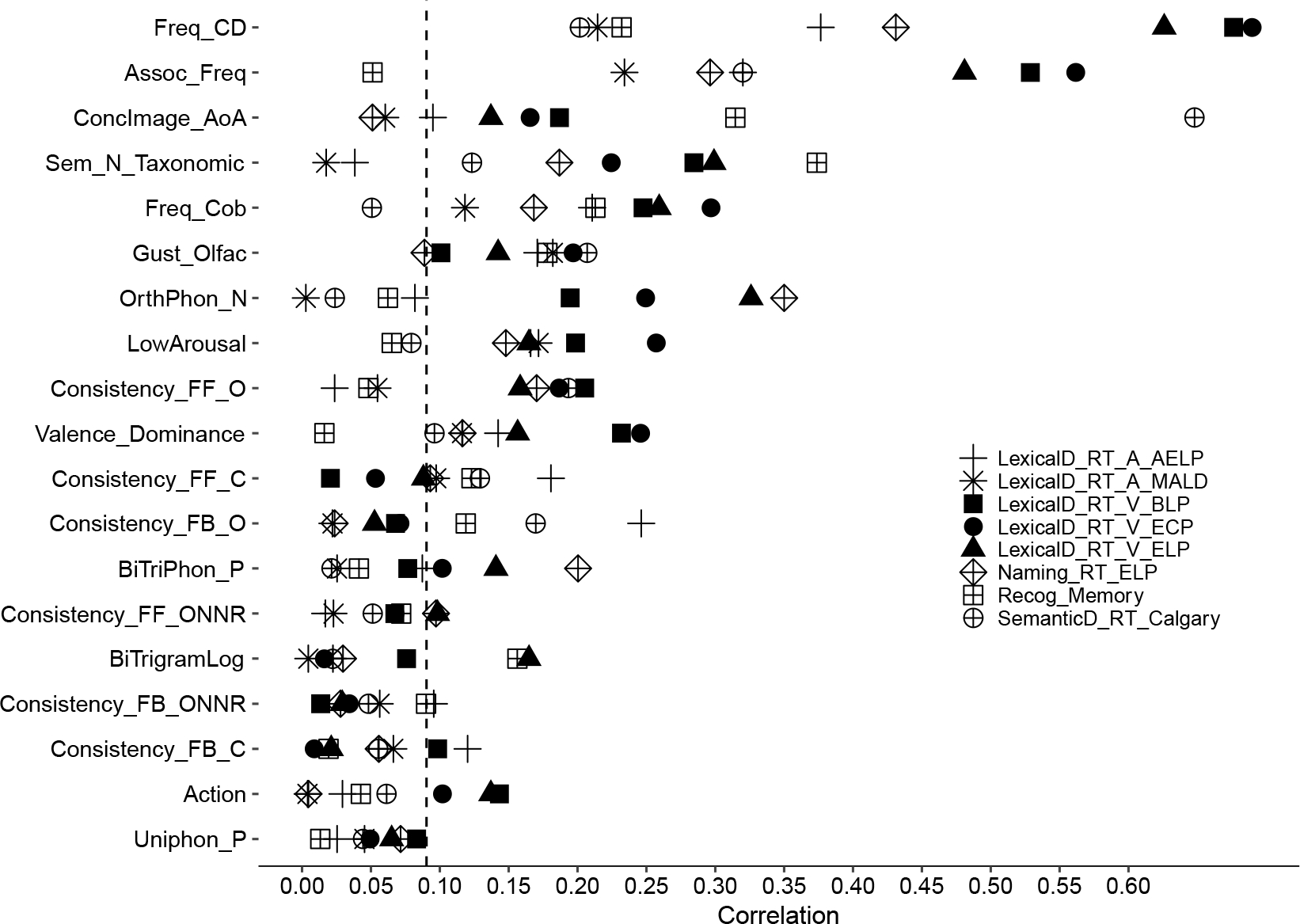
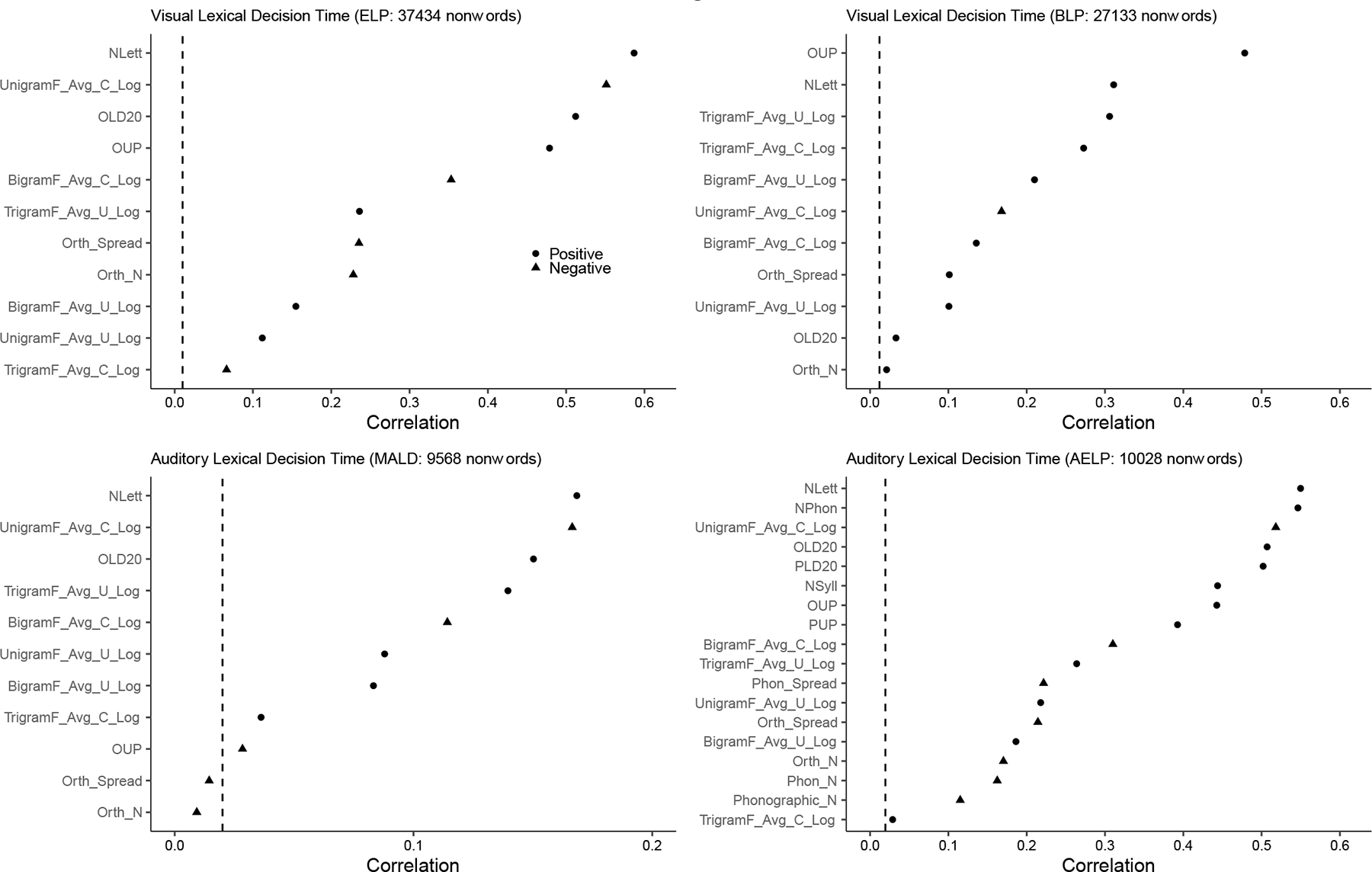
The number of databases that provide various measurements of lexical properties for psycholinguistic research has increased rapidly in recent years. The proliferation of lexical variables, and the multitude of associated databases, makes the choice, comparison, and standardization of these variables in psycholinguistic research increasingly difficult. Here, we introduce The South Carolina Psycholinguistic Metabase (SCOPE), which is a metabase (or a meta-database) containing an extensive, curated collection of psycholinguistic variable values from major databases. The metabase currently contains 245 lexical variables, organized into seven major categories: General (e.g., frequency), Orthographic (e.g., bigram frequency), Phonological (e.g., phonological uniqueness point), Orth-Phon (e.g., consistency), Semantic (e.g., concreteness), Morphological (e.g., number of morphemes), and Response variables (e.g., lexical decision latency). We hope that SCOPE will become a valuable resource for researchers in psycholinguistics and affiliated disciplines such as cognitive neuroscience of language, computational linguistics, and communication disorders. The availability and ease of use of the metabase with comprehensive set of variables can facilitate the understanding of the unique contribution of each of the variables to word processing, and that of interactions between variables, as well as new insights and development of improved models and theories of word processing. It can also help standardize practice in psycholinguistics. We demonstrate use of the metabase by measuring relationships between variables in multiple ways and testing their individual contribution towards a number of dependent measures, in the most comprehensive analysis of this kind to date. The metabase is freely available at go.sc.edu/scope.
近年来,提供各种词汇属性测量的数据库数量在医学领域迅速增加。词汇变量的激增,以及与之相关的众多数据库,使得在心理语言学研究中选择、比较和标准化这些变量变得越来越困难。在这里,我们介绍南卡罗来纳心理语言学元数据库(SCOPE),这是一个元数据库(或元数据库),其中包含来自主要数据库的广泛的、经过精心整理的心理语言学变量值集合。该元数据库目前包含 245 个词汇变量,分为七个主要类别:一般(例如,频率)、正字法(例如,双字母频率)、音韵学(例如,音韵独特性点)、正字法-音韵(例如,一致性)、语义(例如,具体性)、形态学(例如,词素数量)和反应变量(例如,词汇判断潜伏期)。我们希望 SCOPE 将成为心理语言学研究人员以及认知神经语言学、计算语言学和言语障碍等相关学科的宝贵资源。元数据库的可用性和易用性,以及其全面的变量集,可以促进对每个变量对单词处理的独特贡献的理解,以及变量之间的相互作用的理解,以及对单词处理的改进模型和理论的新见解和发展。它还可以帮助规范心理语言学的实践。我们通过多种方式测量变量之间的关系,并测试它们对多个因变量的单独贡献,进行了迄今为止最全面的此类分析,展示了元数据库的使用。该元数据库可在 go.sc.edu/scope 免费获得。