Department of Internal Medicine, Yale School of Medicine, New Haven, United States.
Translational Sciences, Sanofi, Framingham, United States.
Elife. 2022 Aug 16;11:e79830. doi: 10.7554/eLife.79830.
Neuronopathic Gaucher disease (nGD) is a rare neurodegenerative disorder caused by biallelic mutations in and buildup of glycosphingolipids in lysosomes. Neuronal injury and cell death are prominent pathological features; however, the role of in individual cell types and involvement of microglia, blood-derived macrophages, and immune infiltrates in nGD pathophysiology remains enigmatic.
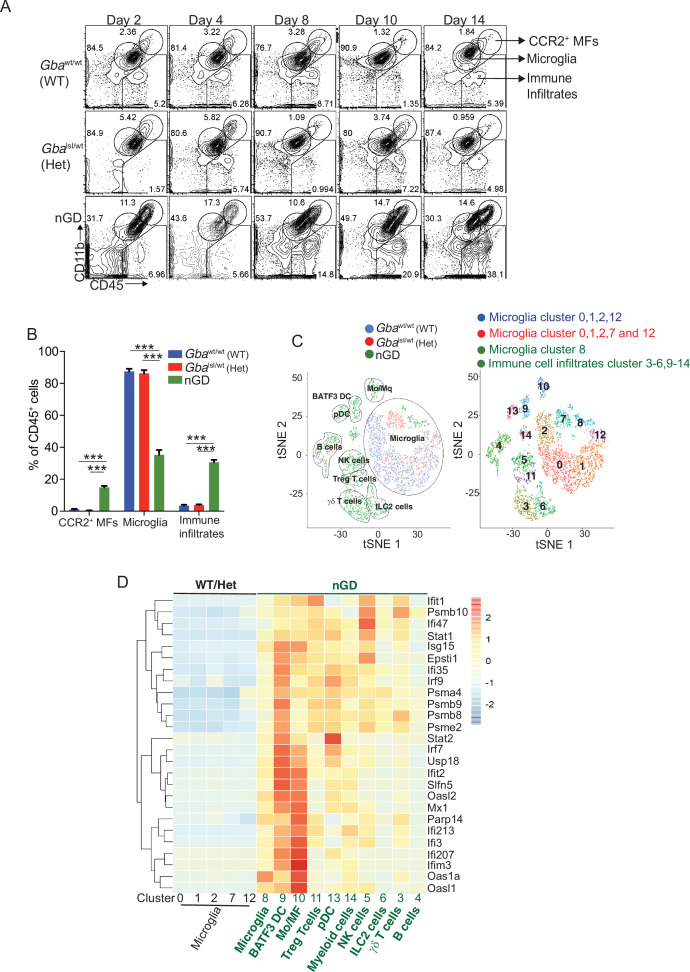
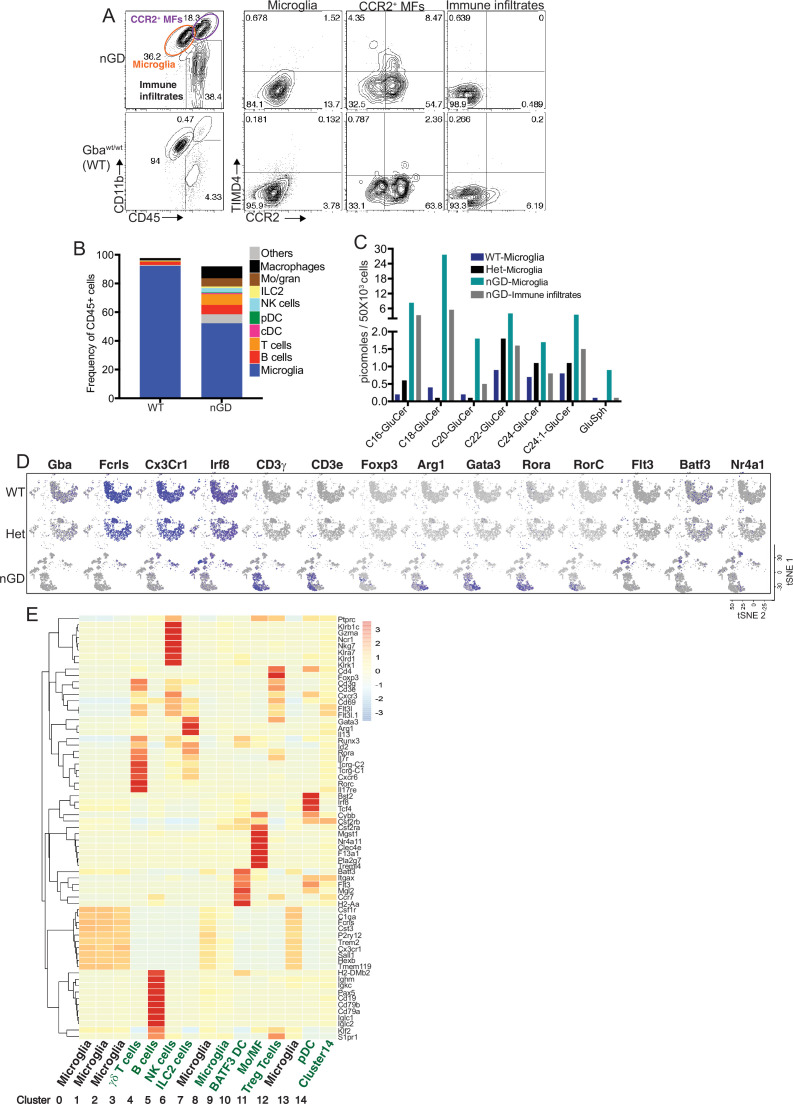
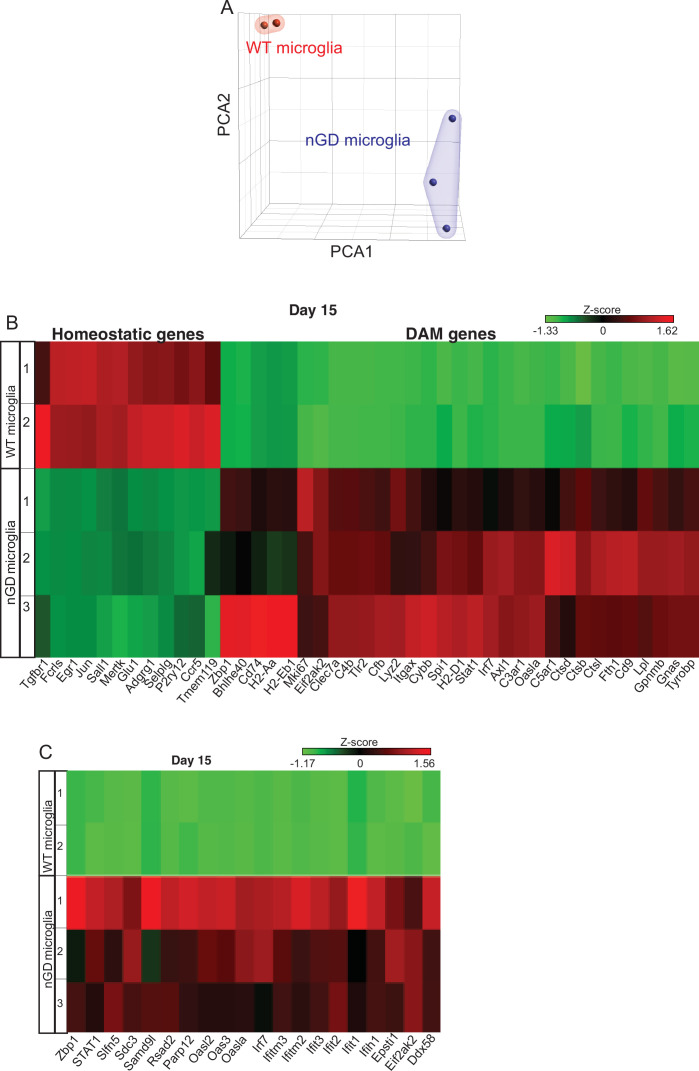
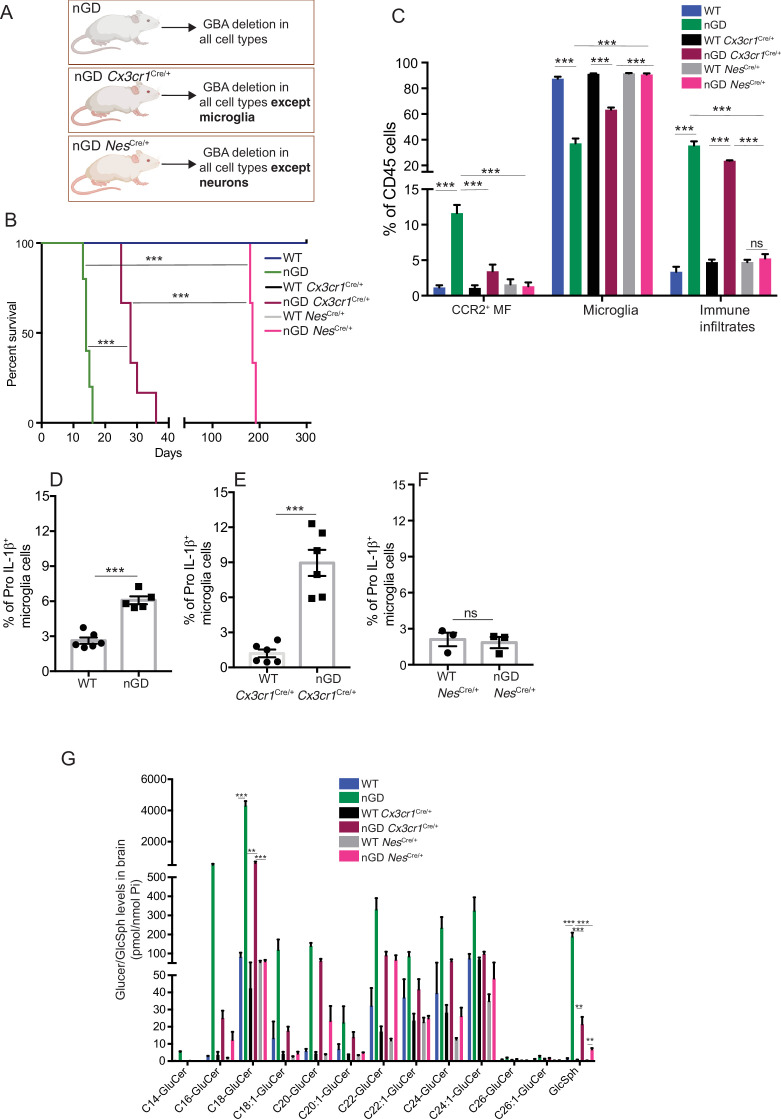
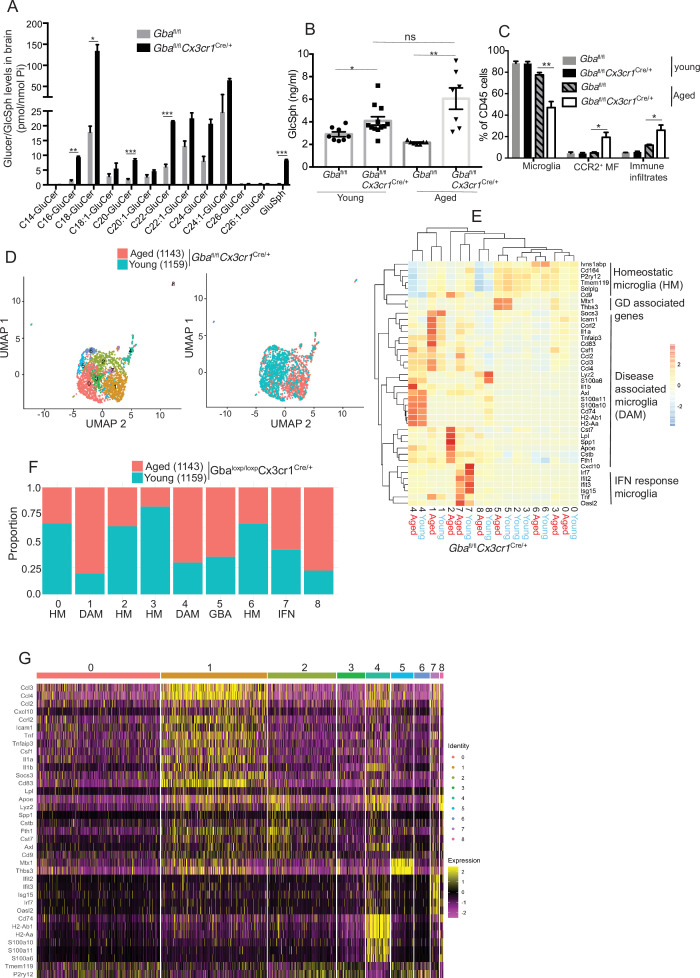
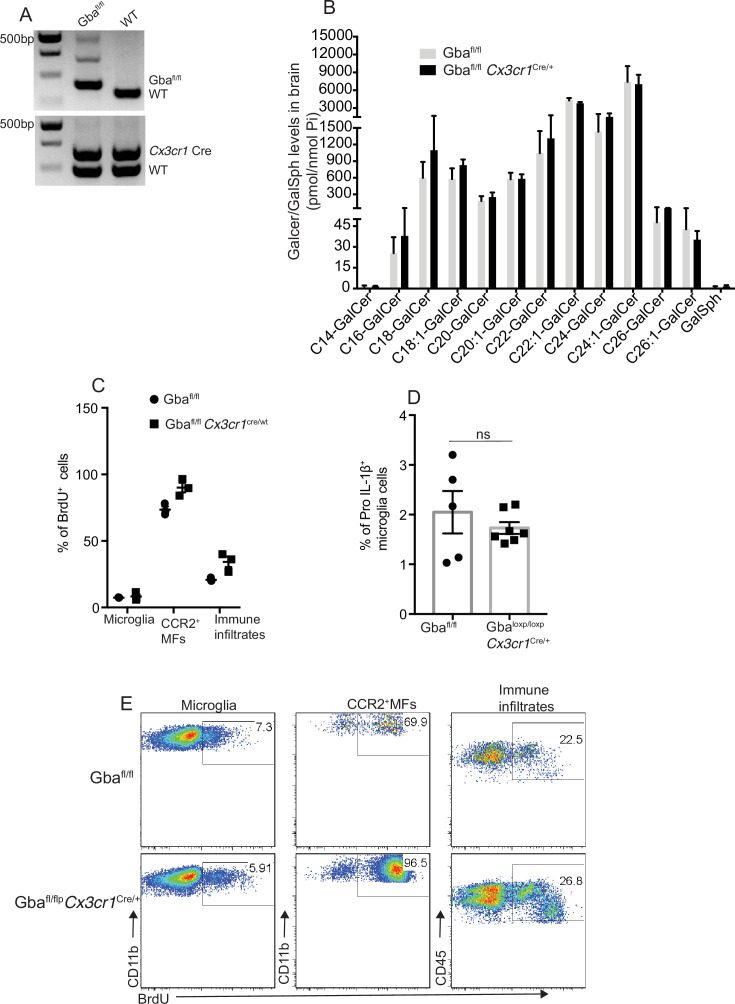
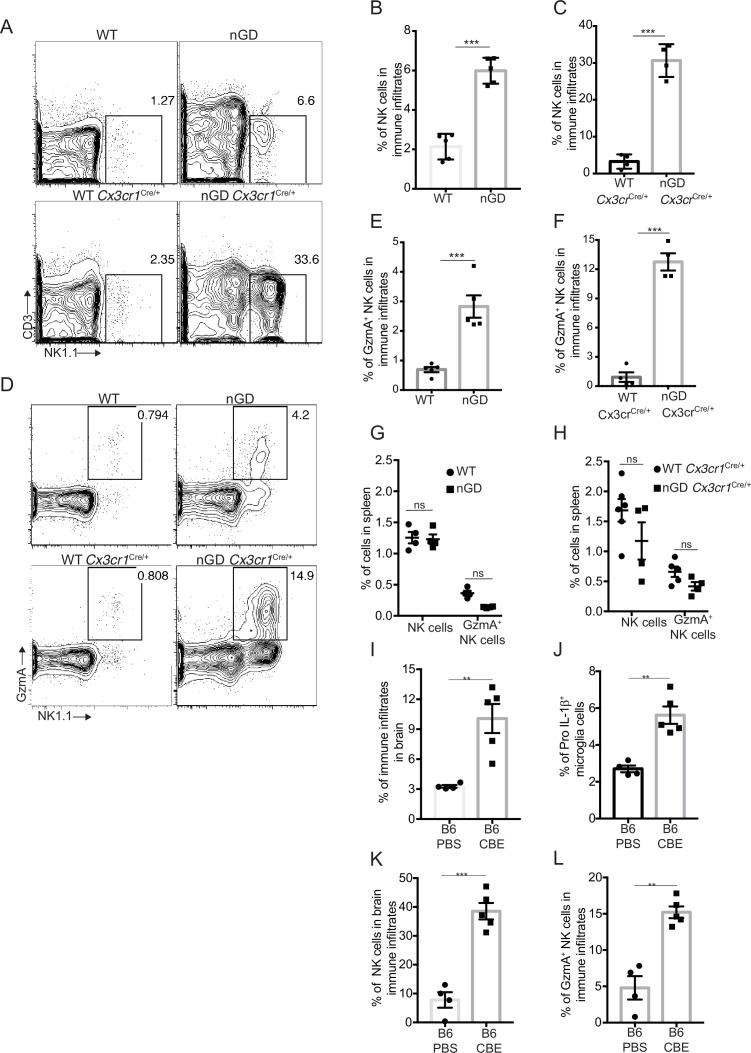
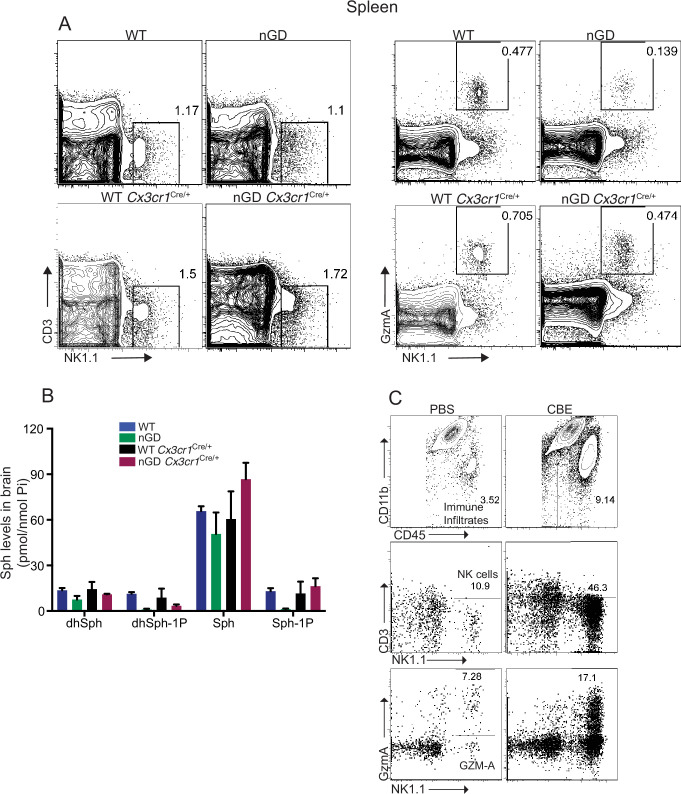
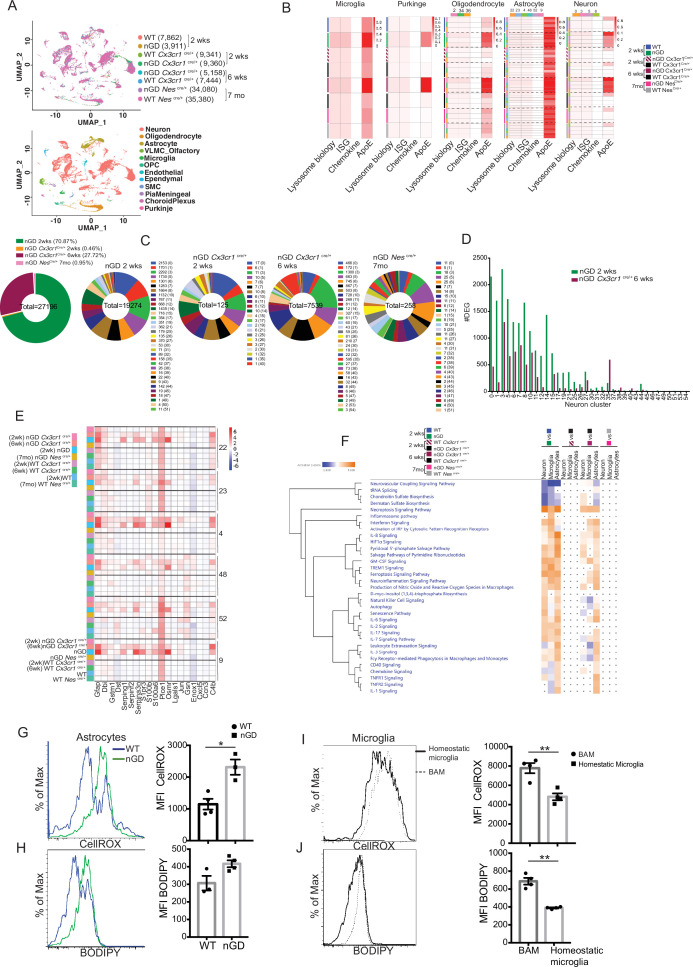
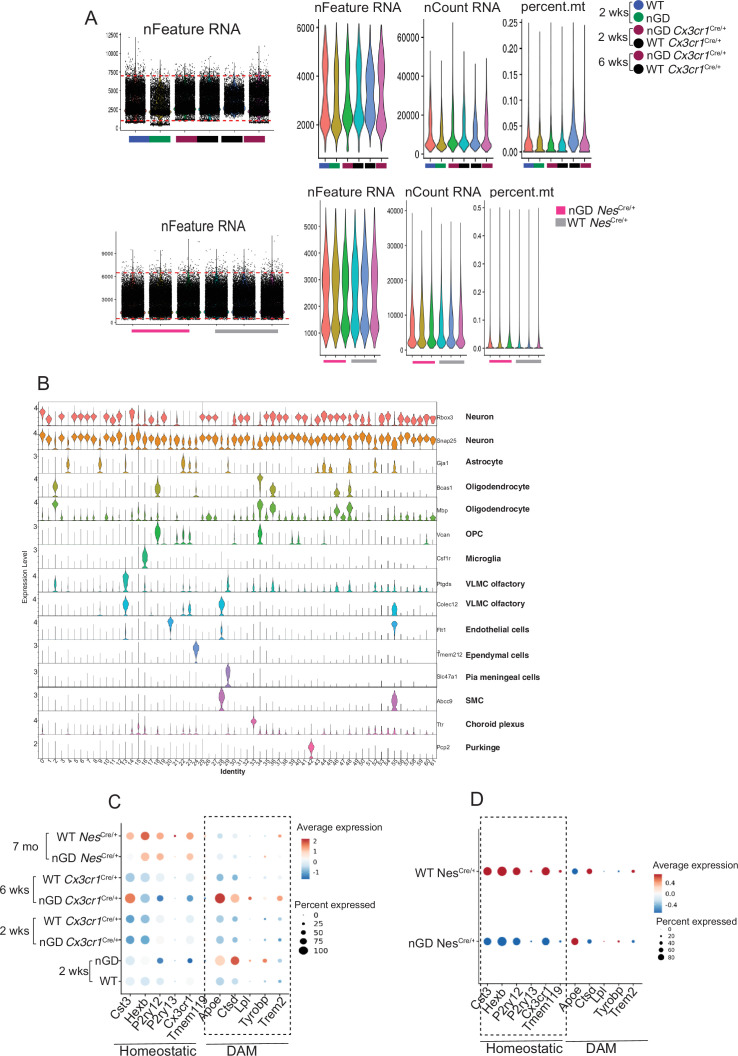
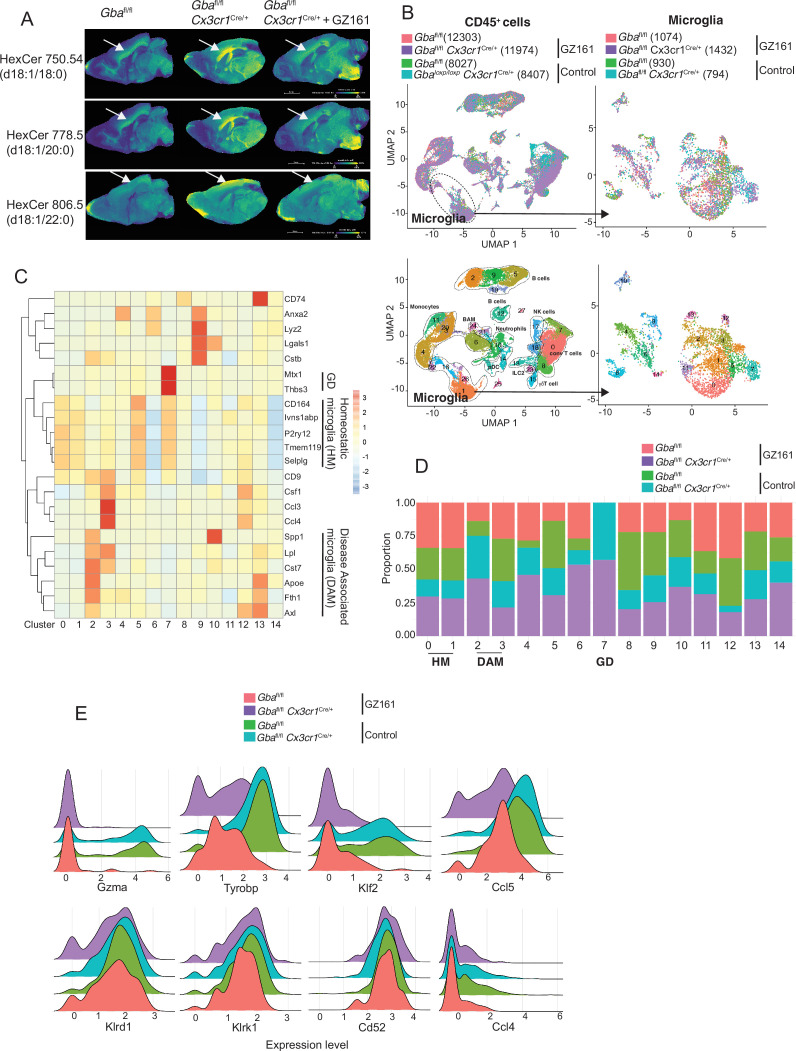
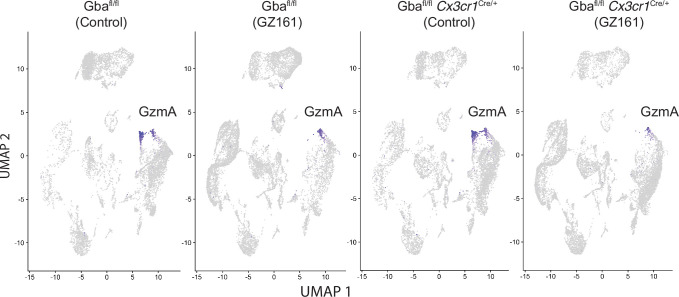
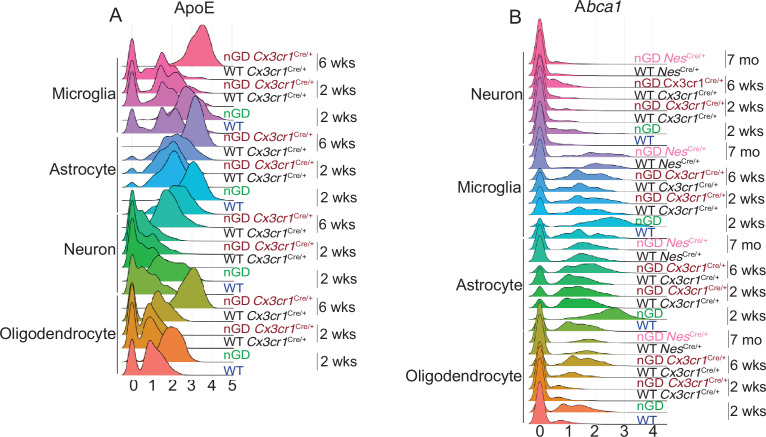
Here, using single-cell resolution of mouse nGD brains, lipidomics, and newly generated biomarkers, we found induction of neuroinflammation pathways involving microglia, NK cells, astrocytes, and neurons.
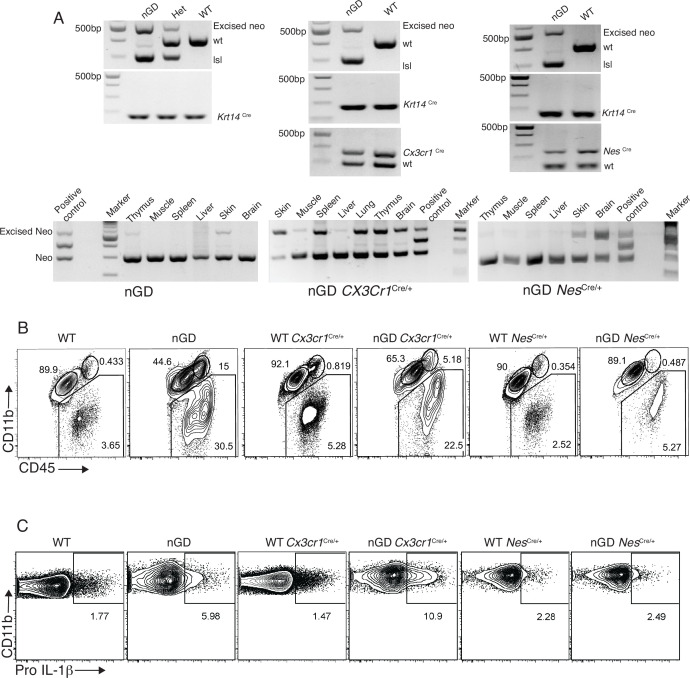
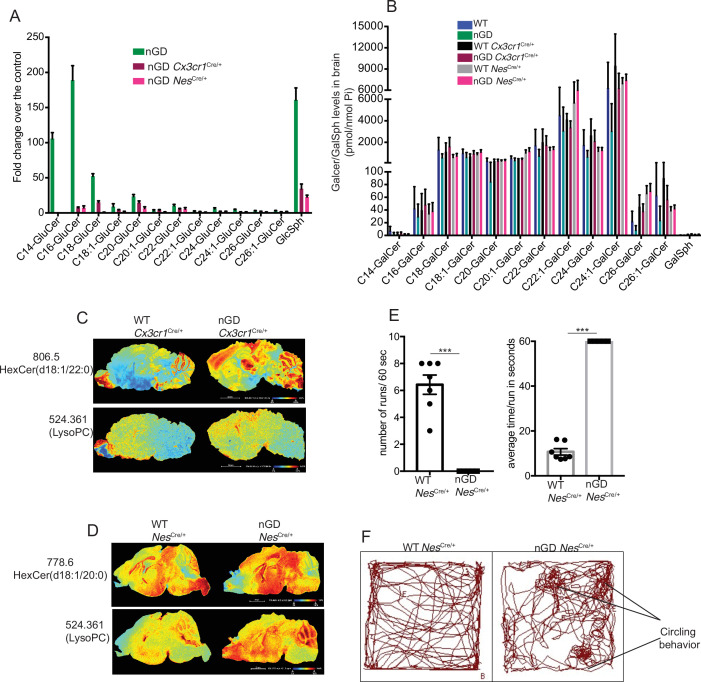
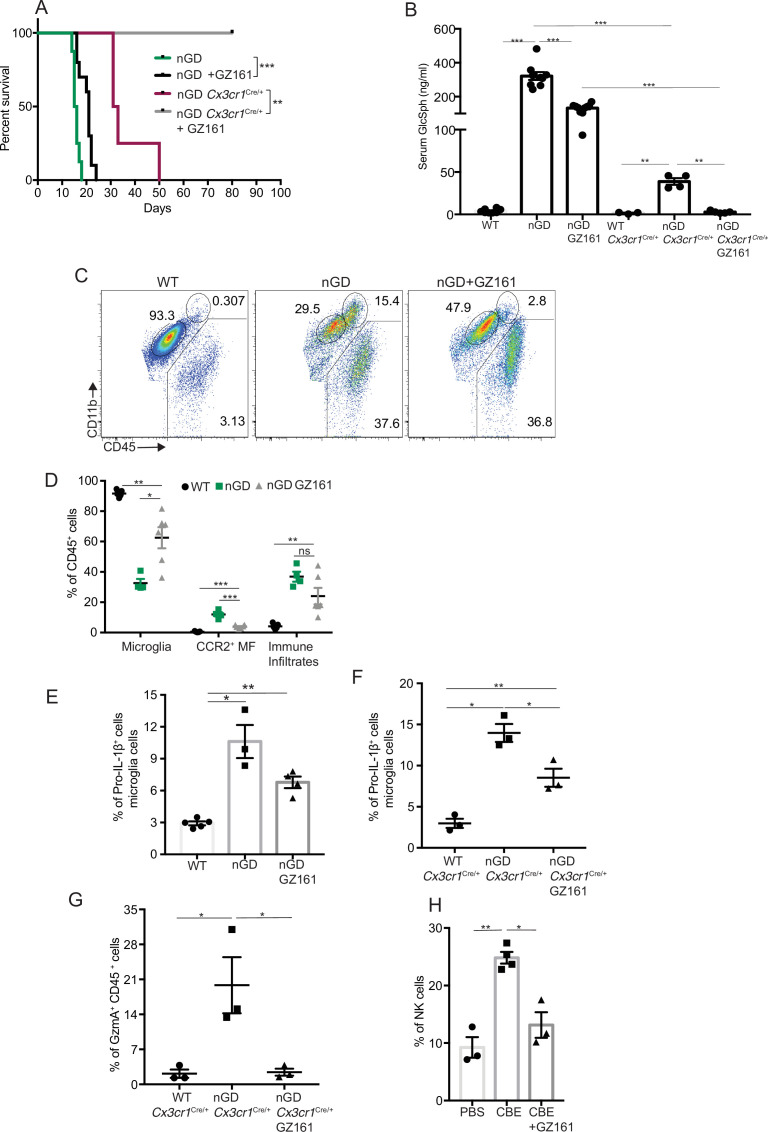
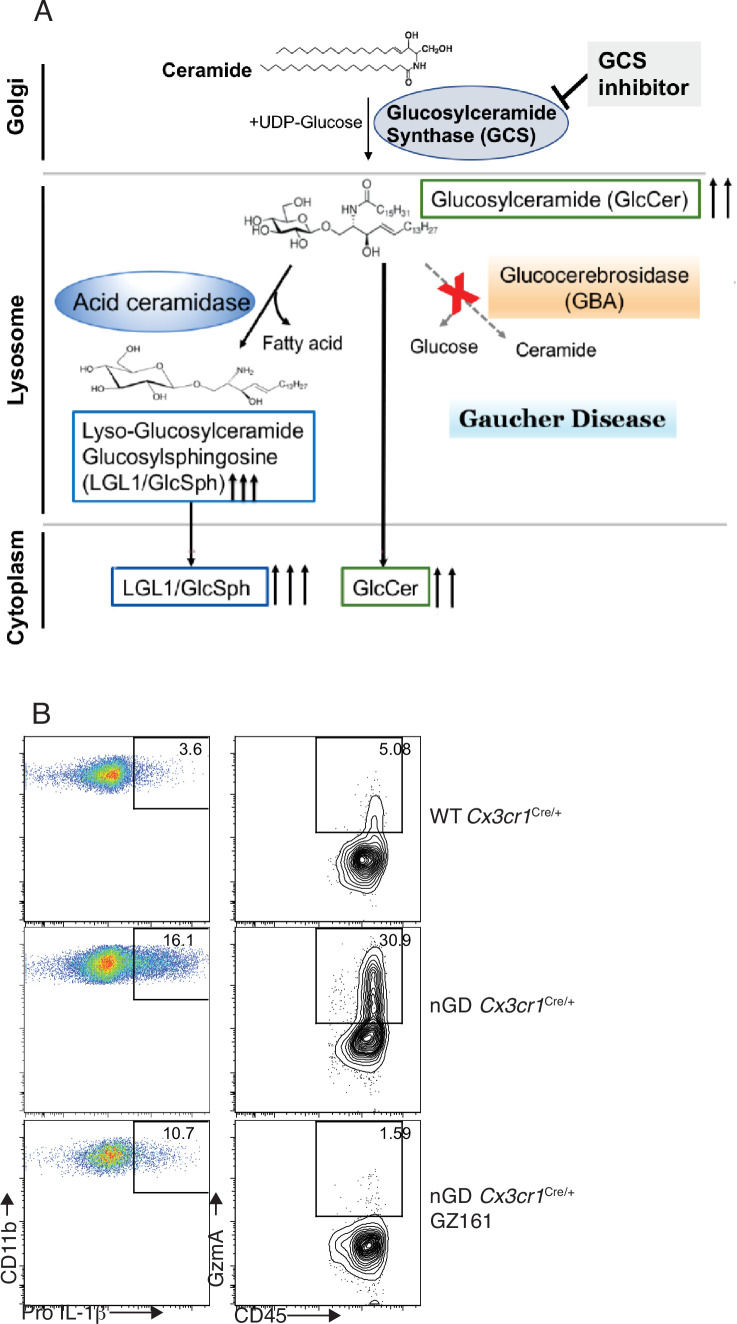
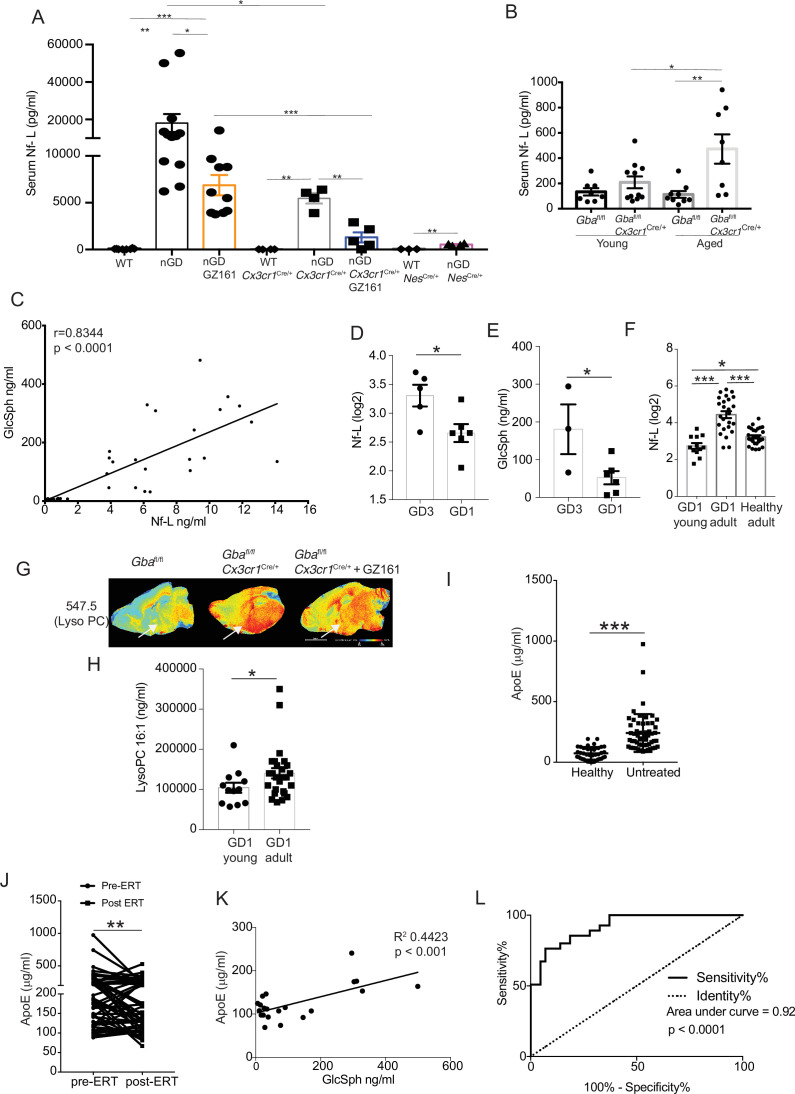
Targeted rescue of in microglia and neurons, respectively, in -deficient, nGD mice reversed the buildup of glucosylceramide (GlcCer) and glucosylsphingosine (GlcSph), concomitant with amelioration of neuroinflammation, reduced serum neurofilament light chain (Nf-L), and improved survival. Serum GlcSph concentration was correlated with serum Nf-L and ApoE in nGD mouse models as well as in GD patients. rescue in microglia/macrophage compartment prolonged survival, which was further enhanced upon treatment with brain-permeant inhibitor of glucosylceramide synthase, effects mediated via improved glycosphingolipid homeostasis, and reversal of neuroinflammation involving activation of microglia, brain macrophages, and NK cells.
Together, our study delineates individual cellular effects of deficiency in nGD brains, highlighting the central role of neuroinflammation driven by microglia activation. Brain-permeant small-molecule inhibitor of glucosylceramide synthase reduced the accumulation of bioactive glycosphingolipids, concomitant with amelioration of neuroinflammation involving microglia, NK cells, astrocytes, and neurons. Our findings advance nGD disease biology whilst identifying compelling biomarkers of nGD to improve patient management, enrich clinical trials, and illuminate therapeutic targets.
Research grant from Sanofi; other support includes R01NS110354, Yale Liver Center P30DK034989, pilot project grant.
神经病变型戈谢病(nGD)是一种罕见的神经退行性疾病,由 和 中的双等位基因突变引起,并在溶酶体中积累糖脂。神经元损伤和细胞死亡是突出的病理特征;然而, 在单个细胞类型中的作用,以及小胶质细胞、血源性巨噬细胞和免疫浸润物在 nGD 病理生理学中的参与仍然是个谜。
在这里,我们使用小鼠 nGD 大脑的单细胞分辨率、脂质组学和新生成的生物标志物,发现了涉及小胶质细胞、自然杀伤 (NK) 细胞、星形胶质细胞和神经元的神经炎症途径的诱导。
分别在 -缺陷型 nGD 小鼠中靶向拯救小胶质细胞和神经元,逆转了葡糖脑苷脂 (GlcCer) 和葡糖鞘氨醇 (GlcSph) 的积累,同时改善了神经炎症、降低了血清神经丝轻链 (Nf-L),并提高了存活率。nGD 小鼠模型和 GD 患者的血清 GlcSph 浓度与血清 Nf-L 和 ApoE 相关。小胶质细胞/巨噬细胞隔室中 的拯救延长了存活时间,当用脑可渗透的葡糖脑苷脂合酶抑制剂治疗时,进一步增强了效果,其作用是通过改善糖脂稳态和逆转涉及小胶质细胞、脑巨噬细胞和 NK 细胞激活的神经炎症来介导的。
总之,我们的研究描绘了 nGD 大脑中 缺乏的单个细胞效应,突出了小胶质细胞激活驱动的神经炎症的核心作用。脑可渗透的葡糖脑苷脂合酶抑制剂可减少生物活性糖脂的积累,同时改善涉及小胶质细胞、NK 细胞、星形胶质细胞和神经元的神经炎症。我们的发现推进了 nGD 疾病生物学的发展,同时确定了 nGD 的有前途的生物标志物,以改善患者管理、丰富临床试验并阐明治疗靶点。
赛诺菲研究资助;其他支持包括 R01NS110354、耶鲁肝脏中心 P30DK034989、试点项目资助。