State Key Laboratory of Medicinal Chemical Biology, Frontiers Science Center for Cell Responses, Key Laboratory of Bioactive Materials, Ministry of Education, College of Life Sciences, Nankai University, Tianjin 300071, China.
Tianjin Key Laboratory of Biomedical Materials, Key Laboratory of Biomaterials and Nanotechnology for Cancer Immunotherapy, Institute of Biomedical Engineering, Chinese Academy of Medical Sciences and Peking Union Medical College, Tianjin 300192, China.
Biosensors (Basel). 2022 Aug 17;12(8):646. doi: 10.3390/bios12080646.
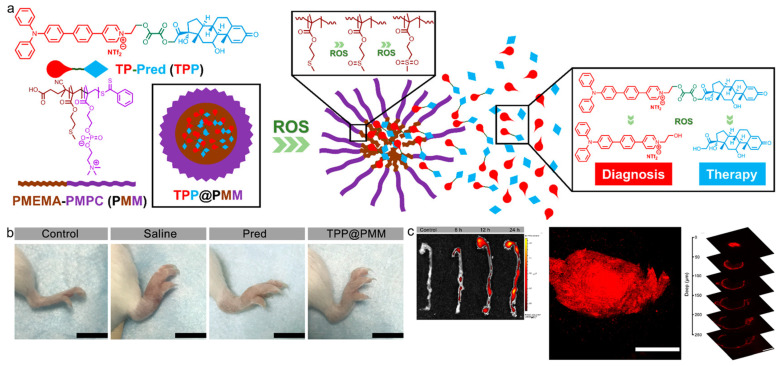
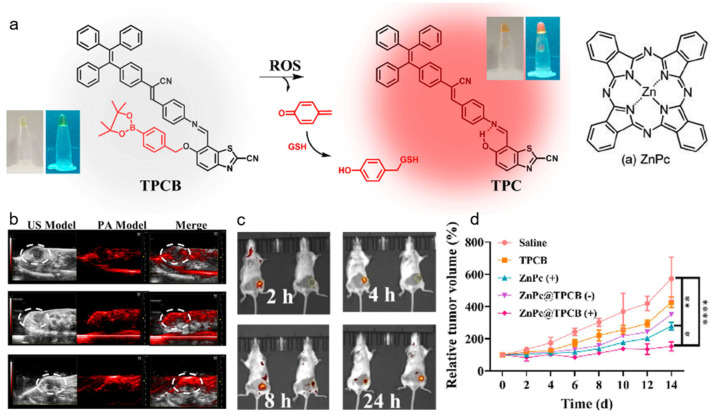
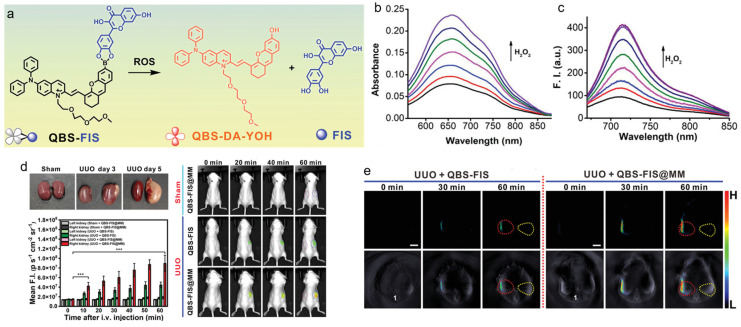
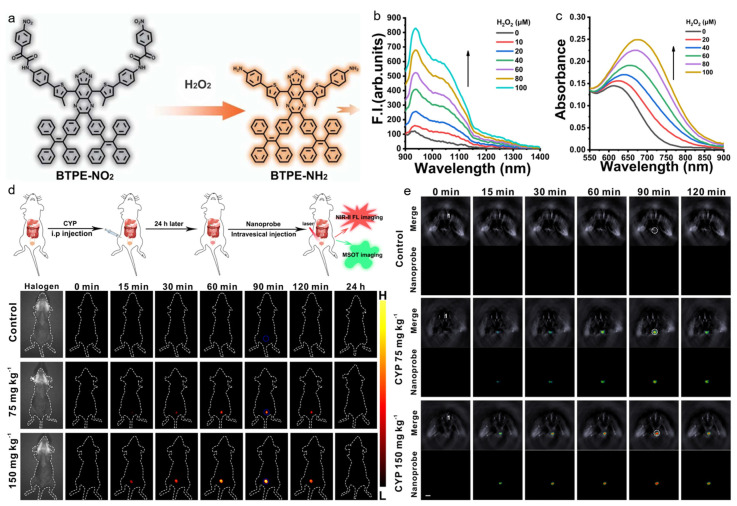
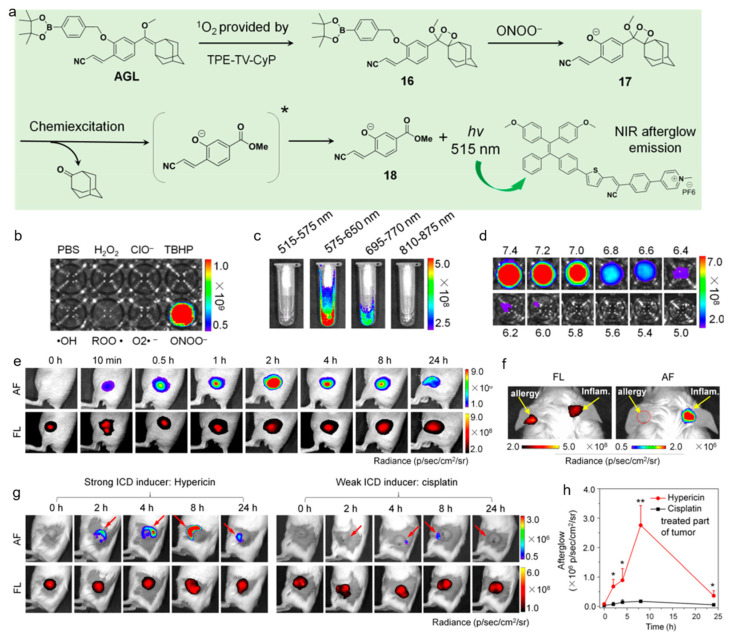
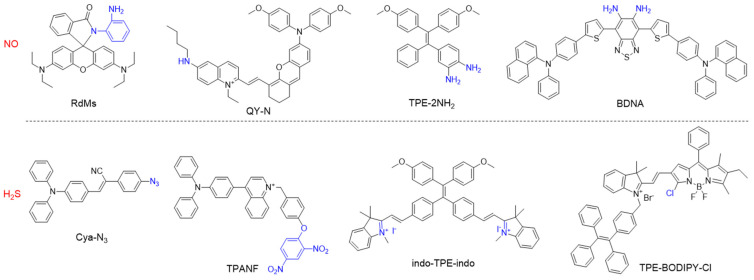
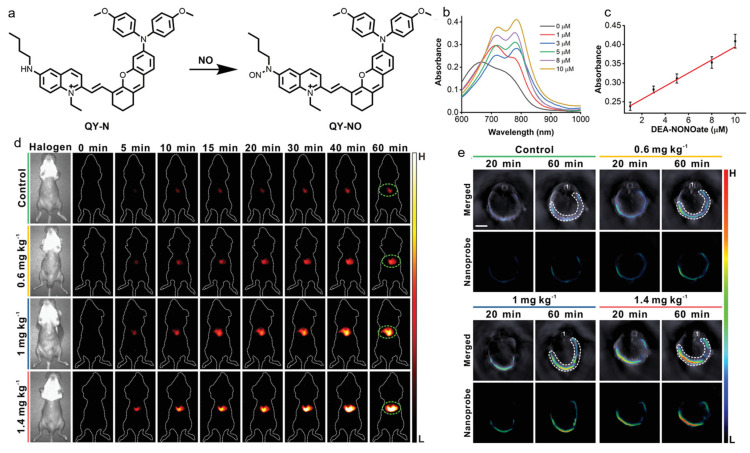
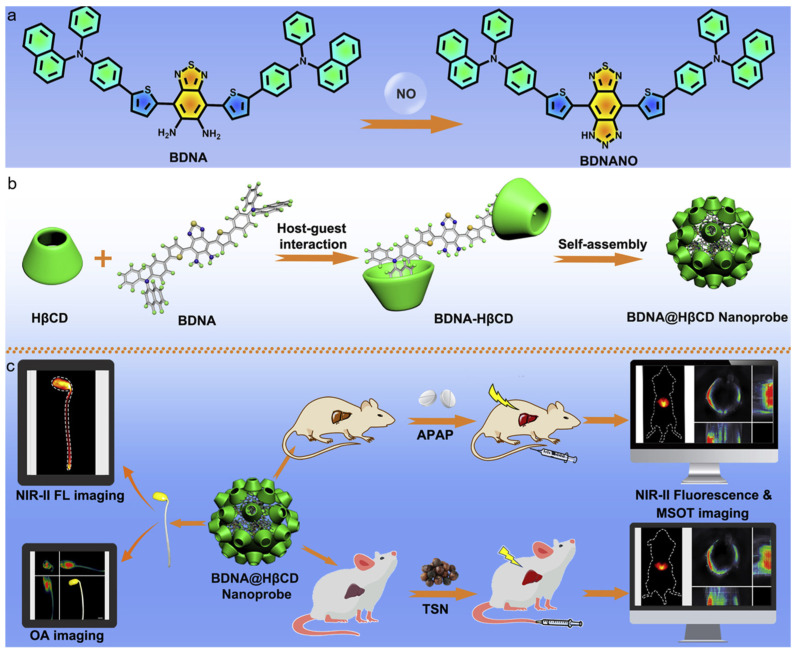
Precision medicine requires highly sensitive and specific diagnostic strategies with high spatiotemporal resolution. Accurate detection and monitoring of endogenously generated biomarkers at the very early disease stage is of extensive importance for precise diagnosis and treatment. Aggregation-induced emission luminogens (AIEgens) have emerged as a new type of excellent optical agents, which show great promise for numerous biomedical applications. In this review, we highlight the recent advances of AIE-based probes for detecting reactive species (including reactive oxygen species (ROS), reactive nitrogen species (RNS), reactive sulfur species (RSS), and reactive carbonyl species (RCS)) and related biomedical applications. The molecular design strategies for increasing the sensitivity, tuning the response wavelength, and realizing afterglow imaging are summarized, and theranostic applications in reactive species-related major diseases such as cancer, inflammation, and vascular diseases are reviewed. The challenges and outlooks for the reactive species-activatable AIE systems for disease diagnostics and therapeutics are also discussed. This review aims to offer guidance for designing AIE-based specifically activatable optical agents for biomedical applications, as well as providing a comprehensive understanding about the structure-property application relationships. We hope it will inspire more interesting researches about reactive species-activatable probes and advance clinical translations.
精准医学需要具有高时空分辨率的高度敏感和特异的诊断策略。在疾病的早期阶段,对内源性生物标志物进行准确的检测和监测对于精准诊断和治疗具有重要意义。聚集诱导发光(AIE)材料作为一种新型的优秀光学试剂,在许多生物医学应用中具有广阔的应用前景。在这篇综述中,我们重点介绍了基于 AIE 的探针在检测活性物质(包括活性氧(ROS)、活性氮(RNS)、活性硫(RSS)和活性羰基(RCS))及其相关生物医学应用方面的最新进展。总结了提高灵敏度、调节响应波长和实现余晖成像的分子设计策略,并综述了在与活性物质相关的重大疾病(如癌症、炎症和血管疾病)中的治疗应用。还讨论了用于疾病诊断和治疗的活性物质激活型 AIE 系统的挑战和展望。本综述旨在为设计用于生物医学应用的基于 AIE 的特异性激活光学试剂提供指导,并对结构-性质-应用关系有更全面的了解。我们希望它能激发更多关于活性物质激活探针的有趣研究,并推动其临床转化。