School of Chemistry, The University of Birmingham, Edgbaston, Birmingham B15 2TT, U.K.
Acc Chem Res. 2022 Sep 6;55(17):2355-2369. doi: 10.1021/acs.accounts.2c00293. Epub 2022 Aug 25.
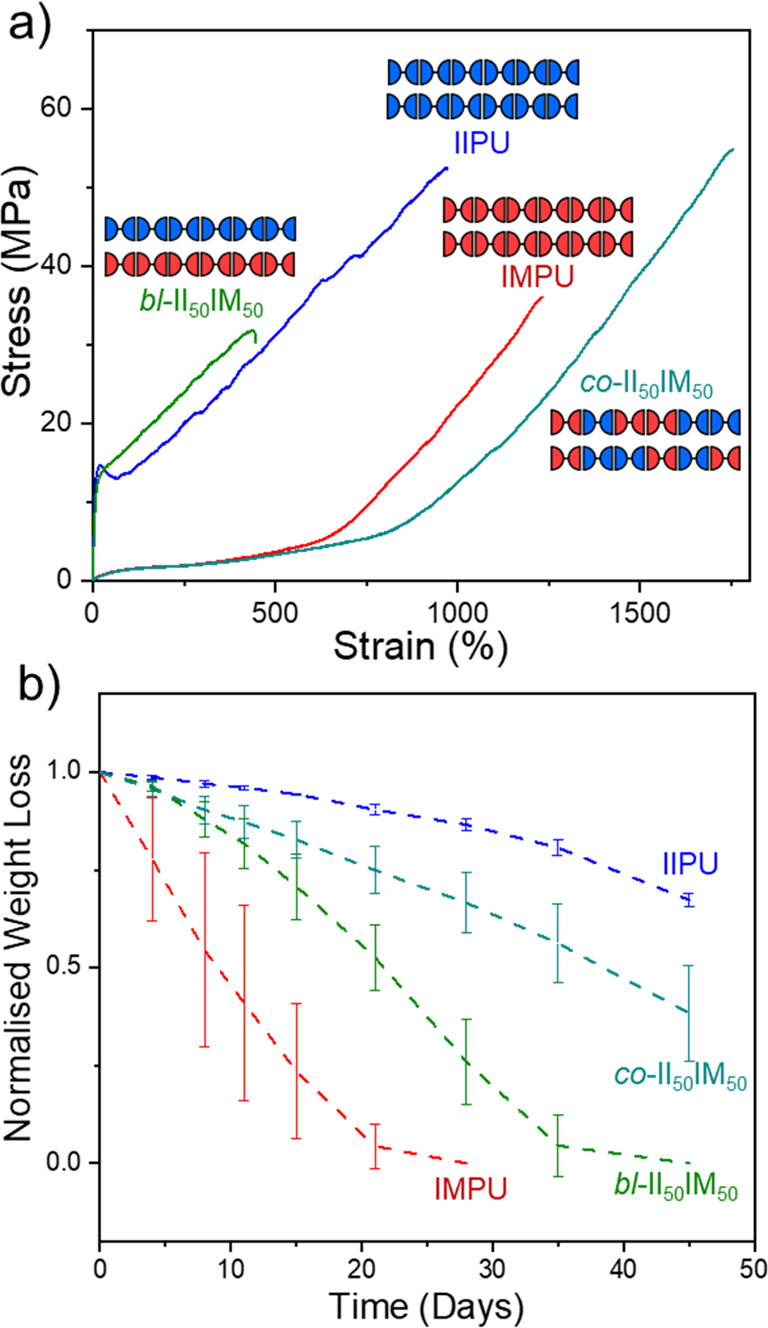
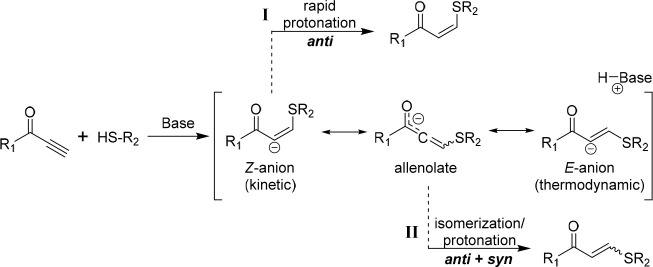
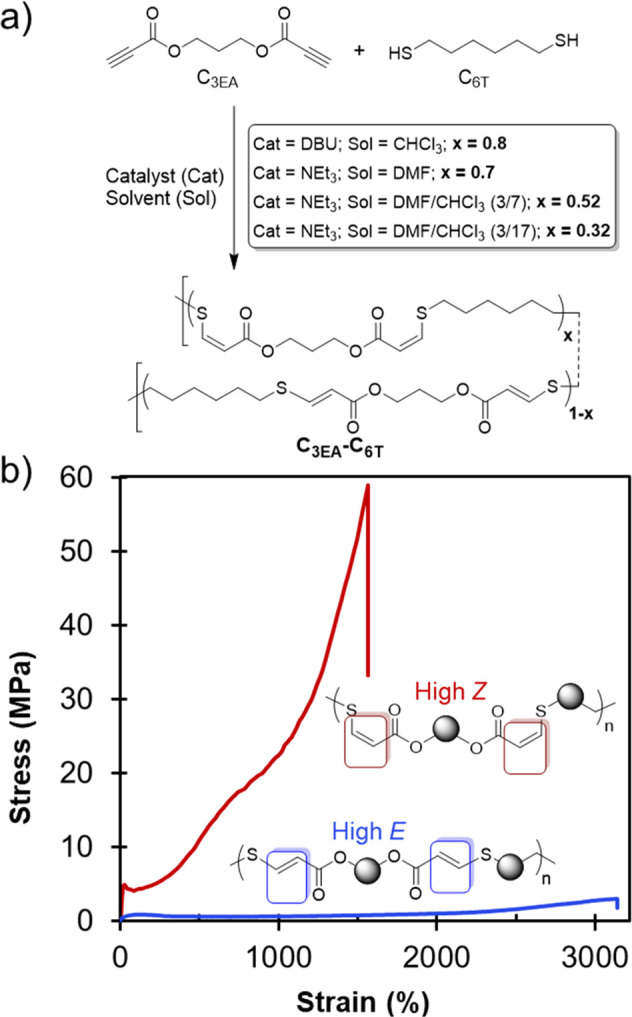
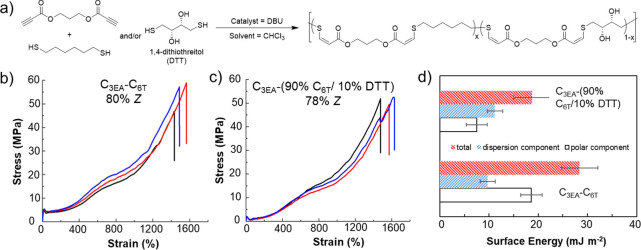
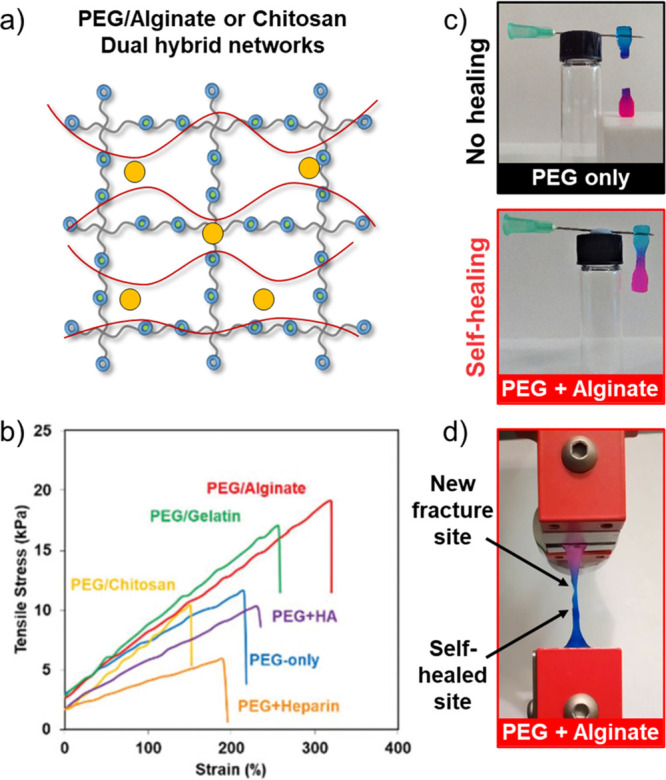
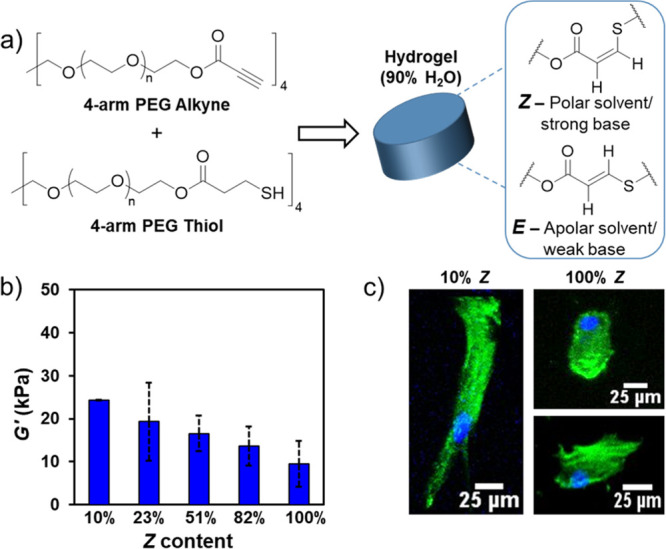
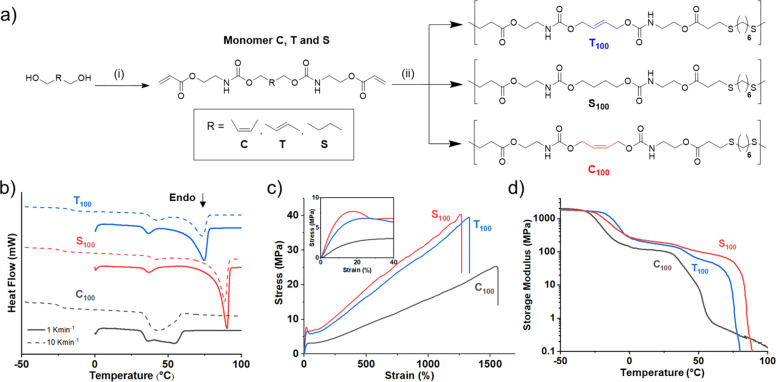
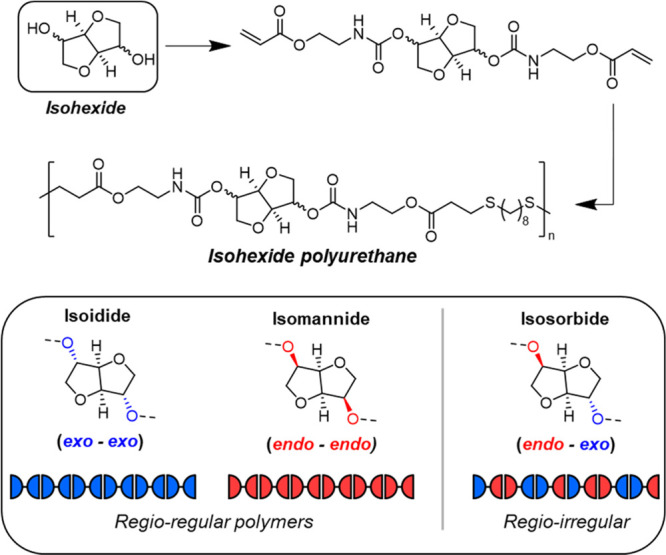
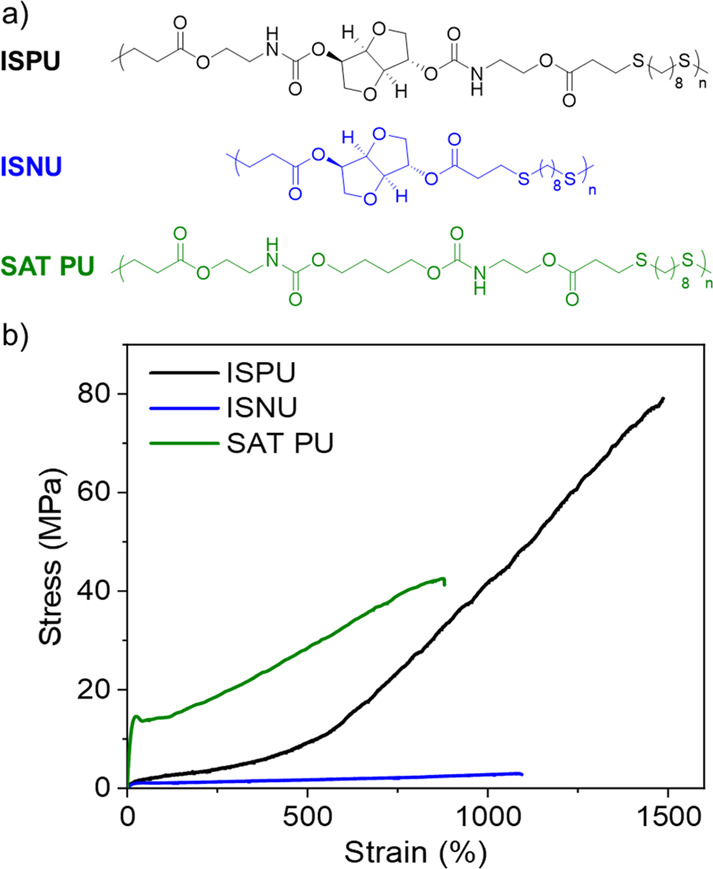
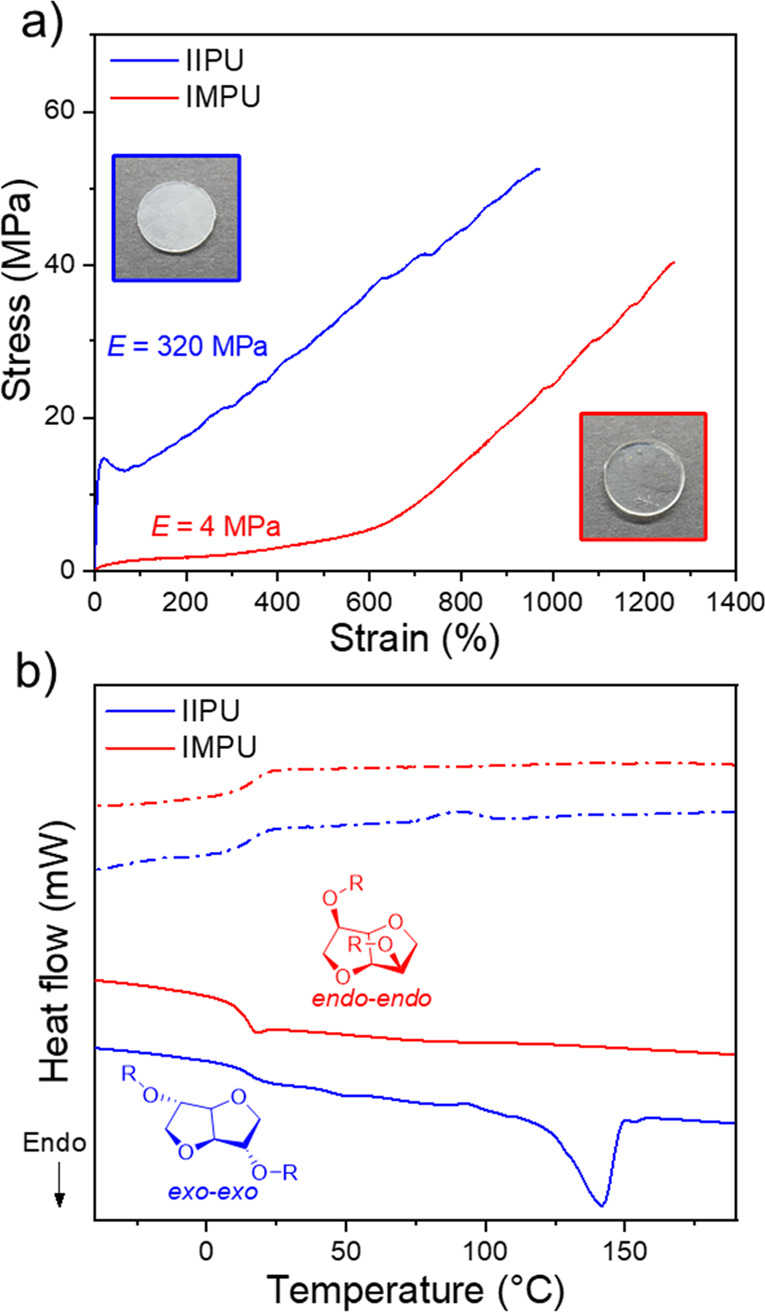
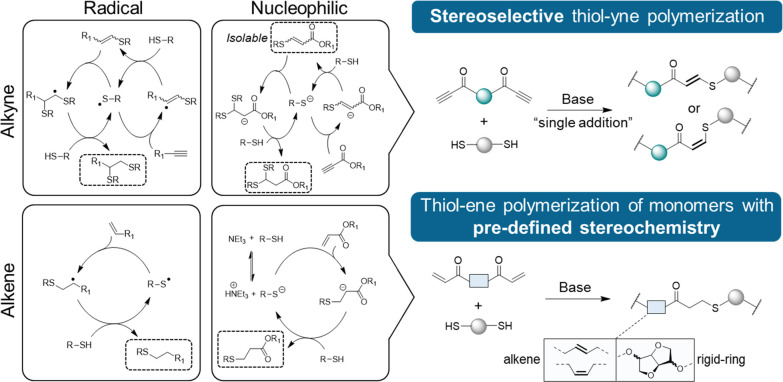
Polymer sustainability is synonymous with "bioderived polymers" and the zeitgeist of "using renewable feedstocks". However, this sentiment does not adequately encompass the requirements of sustainability in polymers. In addition to recycling considerations and mechanical performance, following green chemistry principles also needs to be maximized to improve the sustainability of polymer synthesis. The synthetic cost (, maximizing atom economy, reducing chemical hazards, and lowering energy requirements) of producing polymers should be viewed as equally important to the monomer source (biomass vs petrol platform chemicals). Therefore, combining the use of renewable feedstocks with efficient syntheses and green chemistry principles is imperative to delivering truly sustainable polymers. The high efficiency, atom economy, and single reaction trajectories that define click chemistry reactions position them as ideal chemical approaches to synthesize polymers in a sustainable manner while simultaneously expanding the structural scope of accessible polymers from sustainably sourced chemicals.Click step-growth polymerization using the thiol-yne Michael addition, a reaction first reported over a century ago, has emerged as an extremely mild and atom-efficient pathway to yield high-performance polymers with controllable / stereochemistry along the polymer backbone. Building on studies of aromatic thiol-yne polymers, around 10 years ago our group began investigating the thiol-yne reaction for the stereocontrolled synthesis of alkene-containing aliphatic polyesters. Our early studies established a convenient path to high-molecular-weight (>100 kDa) rich or -rich step-growth polymers by judiciously changing the catalyst and/or reaction solvent. This method has since been adapted to synthesize fast-degrading polyesters, high-performance polyamides, and resilient hydrogel biomaterials. Across several systems, we have observed dramatic differences in material properties among polymers with different alkene stereochemistry.We have also explored the analogous thiol-ene Michael reaction to create high-performance poly(ester-urethanes) with precise / stereochemistry. In contrast to the stereoselective thiol-yne polymerization, here the use of monomers with predefined / (geometric) isomerism (arising from either alkenes or the planar rigidity of ring units) affords polymers with total control over stereochemistry. This advancement has enabled the synthesis of tough, degradable materials that are derived from sustainable monomer feedstocks. Employing isomers of sugar-derived isohexides, bicyclic rigid-rings possessing geometric isomerism, led to degradable polymers with fundamentally opposing mechanical behavior (, plastic vs elastic) simply by adjusting the stereochemistry of the isohexide.In this Account, we feature our investigation of thiol-yne/-ene click step-growth polymers and efforts to establish structure-property relationships toward degradable materials with practical mechanical performance in the context of sustainable polymers and/or biomaterials. We have paid attention to installing and controlling geometric isomerism by using these click reactions, an overarching objective of our work in this research area. The exquisite control of geometric isomerism that is possible within polymer backbones, as enabled by convenient click chemistry reactions, showcases a powerful approach to creating multipurpose degradable polymers.
聚合物的可持续性是“生物衍生聚合物”和“使用可再生原料”时代精神的代名词。然而,这种观点并不能充分涵盖聚合物可持续性的要求。除了考虑回收利用和机械性能外,遵循绿色化学原则也需要最大化,以提高聚合物合成的可持续性。生产聚合物的合成成本(最大限度地提高原子经济性、降低化学危害和降低能源需求)应被视为与单体来源(生物质与石油平台化学品)同等重要。因此,将可再生原料的使用与高效合成和绿色化学原则相结合,对于提供真正可持续的聚合物至关重要。定义点击化学反应的高效率、原子经济性和单一反应轨迹使它们成为以可持续方式合成聚合物的理想化学方法,同时从可持续来源的化学品扩展可访问聚合物的结构范围。使用硫醇-炔迈克尔加成的点击逐步聚合反应,这是一种 100 多年前首次报道的反应,已经成为一种非常温和且原子高效的方法,可以沿着聚合物主链得到具有可控/立体化学的高性能聚合物。在对芳香族硫醇-炔聚合物进行研究的基础上,大约 10 年前,我们小组开始研究硫醇-炔反应,以立体控制合成含烯键的脂肪族聚酯。我们的早期研究通过巧妙地改变催化剂和/或反应溶剂,为高分子量(>100 kDa)富或富逐步增长聚合物开辟了一条方便的途径。此后,该方法已被改编用于合成快速降解的聚酯、高性能聚酰胺和弹性水凝胶生物材料。在几个系统中,我们观察到具有不同烯键立体化学的聚合物之间的材料性能存在显著差异。我们还探索了类似的硫醇-烯烃迈克尔反应,以创建具有精确/立体化学的高性能聚酯-聚氨酯。与立体选择性硫醇-炔聚合反应相反,这里使用具有预定义/(几何)异构体的单体(源于烯烃或环单元的平面刚性)可提供对立体化学具有完全控制的聚合物。这一进展使合成具有坚韧、可降解的材料成为可能,这些材料源自可持续的单体原料。使用糖衍生的异己二醇的异构体,具有几何异构体的双环刚性环,通过调整异己二醇的立体化学,导致具有根本相反机械性能(,塑性与弹性)的可降解聚合物。在本报告中,我们介绍了我们对硫醇-炔/-烯点击逐步增长聚合物的研究以及为在可持续聚合物和/或生物材料的背景下建立具有实用机械性能的可降解材料的结构-性能关系所做的努力。我们一直关注通过这些点击反应来安装和控制几何异构体,这是我们在该研究领域工作的总体目标。通过方便的点击化学反应,可以在聚合物主链中实现对几何异构体的精确控制,展示了一种创建多功能可降解聚合物的强大方法。