School of Politics and Public Administration, China University of Political Science and Law, Beijing 100088, China.
School of Foreign Studies, China University of Political Science and Law, Beijing 100088, China.
Int J Environ Res Public Health. 2022 Aug 17;19(16):10200. doi: 10.3390/ijerph191610200.
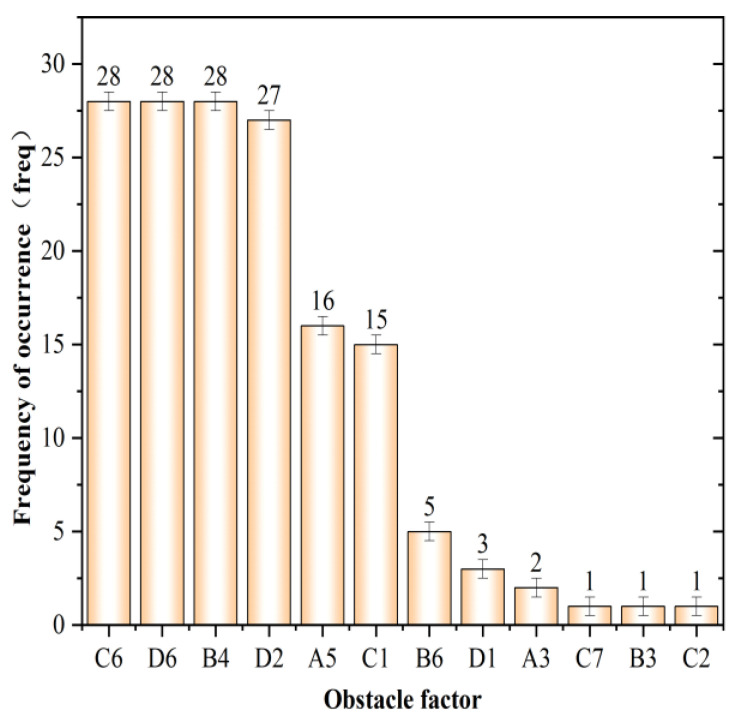
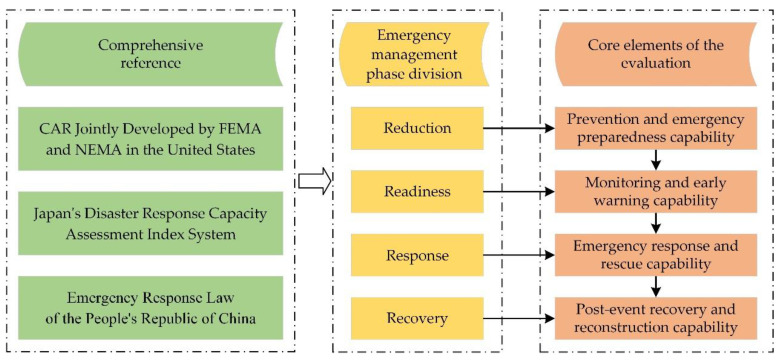
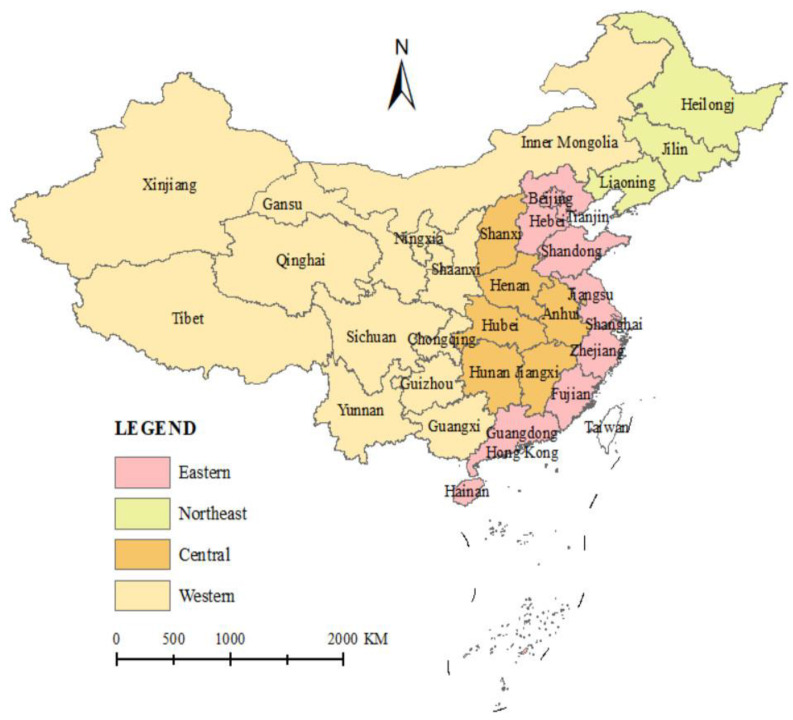
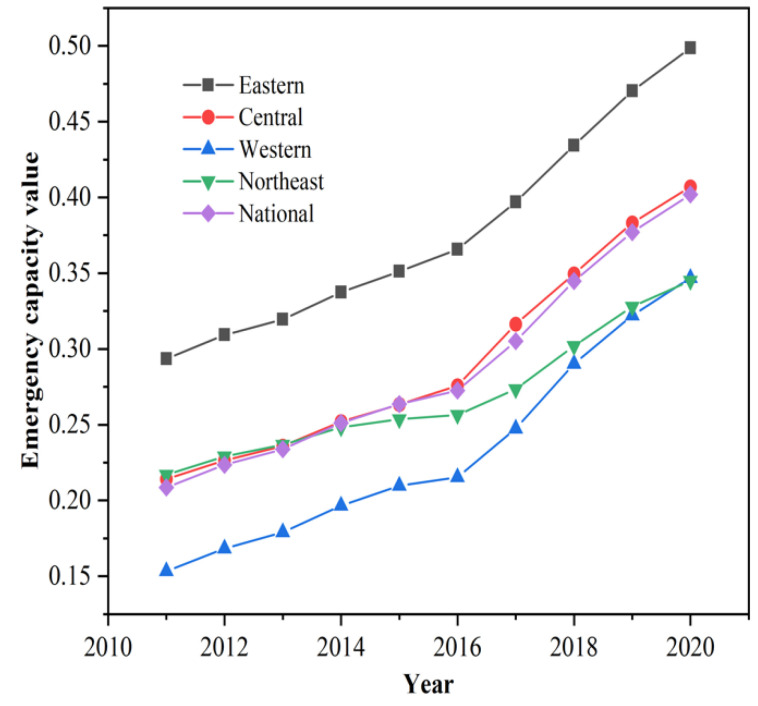
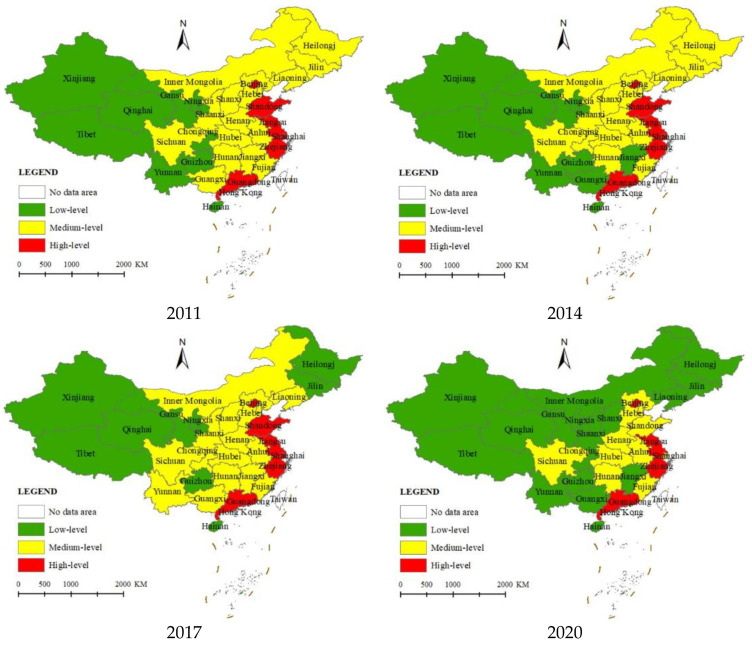
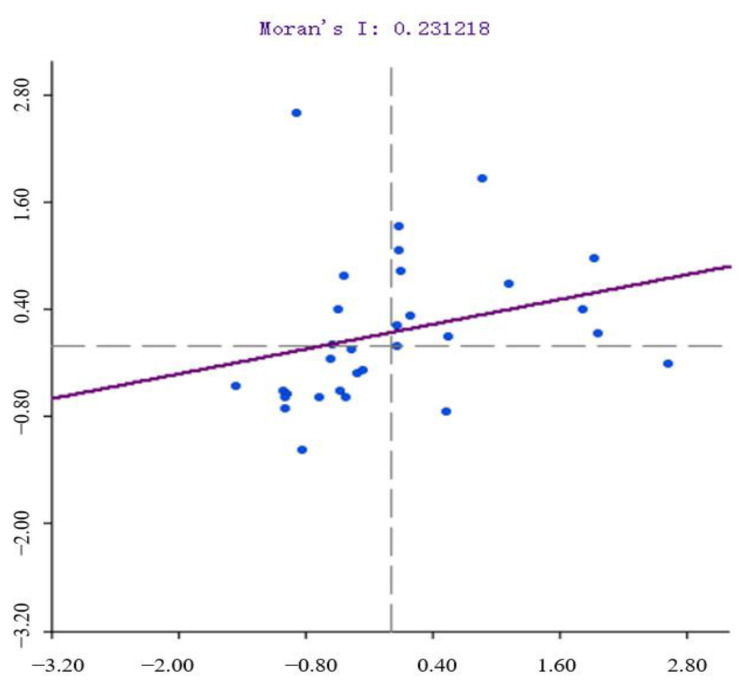
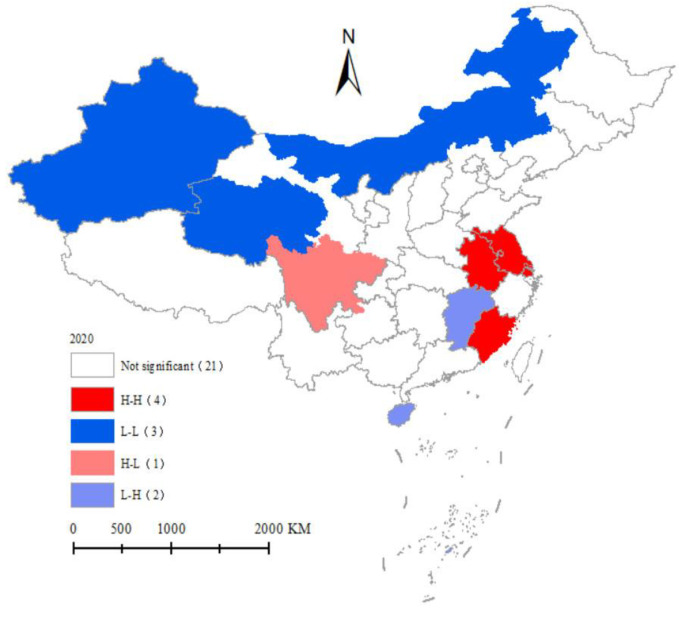
Emergency response capability evaluation is an essential means to strengthen emergency response capacity-building and improve the level of government administration. Based on the whole life cycle of emergency management, the emergency capability evaluation index system is constructed from four aspects: prevention and emergency preparedness, monitoring and early warning, emergency response and rescue, and recovery and reconstruction. Firstly, the entropy method is applied to measure the emergency response capability level of 31 Chinese provinces from 2011 to 2020. Second, the Theil index and ESDA (Exploratory Spatial Data Analysis) are applied in exploring the regional differences and spatial-temporal distribution characteristics of China's emergency response capacity. Finally, the obstacle degree model is used to explore the obstacle factors and obstacle degrees that affect the emergency response capability. The results show that: (1) The average value of China's emergency response capacity is 0.277, with a steady growth trend and a gradient distribution of "high in the east, low in the west, and average in center and northeast" in the four major regions. (2) From the perspective of spatial distribution characteristics, the unbalanced regional development leads to the obvious aggregation effect of "high-efficiency aggregation and low-efficiency aggregation", and the interaction of the "centripetal effect" and "centrifugal effect" finally forms the spatial clustering result of emergency response capability level in China. (3) Examining the source of regional differences, inter-regional differences are the decisive factor affecting the overall differences in emergency response capability, and the inter-regional differences show a reciprocating fluctuation of narrowing-widening-narrowing from 2011 to 2020. (4) Main obstacles restricting the improvement of China's emergency response capabilities are "the business volume of postal and telecommunication services per capita", "the daily disposal capacity of city sewage" and "the general public budget revenue by region". The extent of the obstacles' impacts in 2020 are 12.19%, 7.48%, and 7.08%, respectively. Based on the evaluation results, the following countermeasures are proposed: to realize the balance of each stage of emergency management during the holistic process; to strengthen emergency coordination and balanced regional development; and to implement precise measures to make up for the shortcomings of emergency response capabilities.
应急能力评估是加强应急能力建设、提高政府治理水平的重要手段。基于应急管理全生命周期,从预防与应急准备、监测与预警、应急处置与救援、恢复与重建四个方面构建应急能力评价指标体系。首先,运用熵值法测度 2011-2020 年中国 31 个省(自治区、直辖市)的应急能力水平。其次,运用 Theil 指数和探索性空间数据分析(ESDA)方法,揭示中国应急能力的区域差异和时空分布特征。最后,运用障碍度模型探究影响应急能力的障碍因素及其障碍度。结果表明:(1)中国应急能力均值为 0.277,呈稳步增长趋势,四大地区呈现“东部高、西部低、中部和东北部居中”的梯度分布。(2)从空间分布特征看,区域发展不平衡导致“高效集聚-低效率集聚”的明显集聚效应,“向心效应”和“离心效应”的交互作用最终形成中国应急能力水平的空间聚类结果。(3)考察区域差异的来源,区际差异是影响应急能力整体差异的决定性因素,区际差异在 2011-2020 年呈现先缩小后扩大再缩小的波动变化。(4)制约中国应急能力提升的主要障碍因素是“人均邮政业务总量”“城市污水处理日处理能力”和“地区一般公共预算收入”,2020 年其障碍度的影响程度分别为 12.19%、7.48%和 7.08%。基于评价结果,提出实现应急管理全流程各阶段均衡发展、强化应急协同与区域均衡发展、实施精准措施弥补应急能力短板等对策建议。