University of Kansas Alzheimer's Disease Center, Kansas City, KS 66205, USA.
Department of Biochemistry and Molecular Biology, University of Kansas Medical Center, 3901 Rainbow Blvd, Kansas City, KS 66160, USA.
Int J Mol Sci. 2022 Aug 16;23(16):9212. doi: 10.3390/ijms23169212.
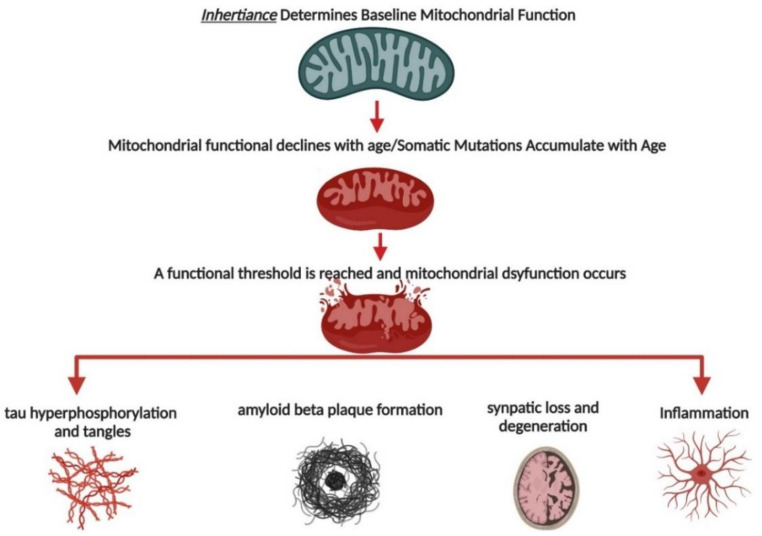
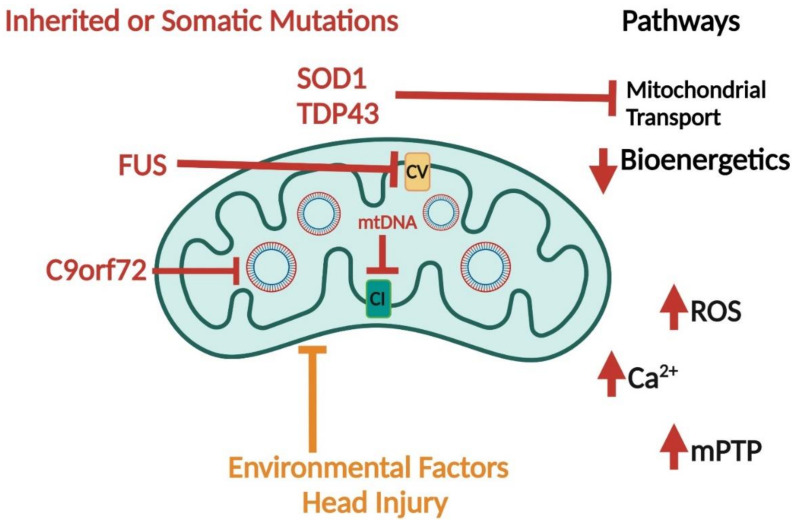
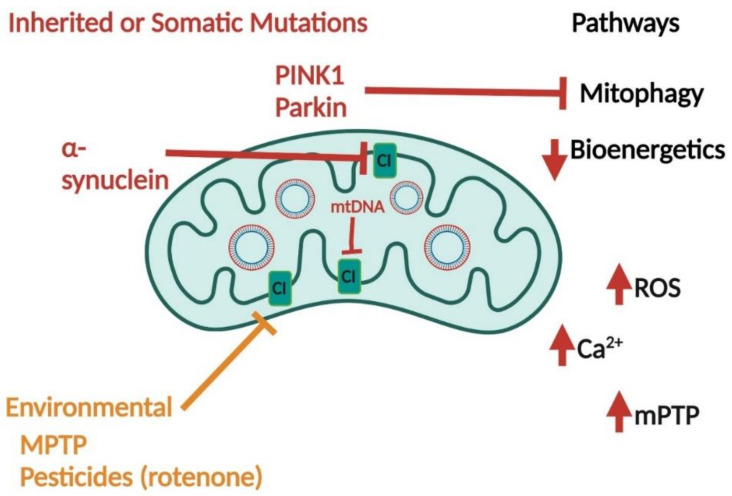
Bioenergetic and mitochondrial dysfunction are common hallmarks of neurodegenerative diseases. Decades of research describe how genetic and environmental factors initiate changes in mitochondria and bioenergetics across Alzheimer's disease (AD), Parkinson's disease (PD), and amyotrophic lateral sclerosis (ALS). Mitochondria control many cellular processes, including proteostasis, inflammation, and cell survival/death. These cellular processes and pathologies are common across neurodegenerative diseases. Evidence suggests that mitochondria and bioenergetic disruption may drive pathological changes, placing mitochondria as an upstream causative factor in neurodegenerative disease onset and progression. Here, we discuss evidence of mitochondrial and bioenergetic dysfunction in neurodegenerative diseases and address how mitochondria can drive common pathological features of these diseases.
生物能量和线粒体功能障碍是神经退行性疾病的共同特征。几十年来的研究描述了遗传和环境因素如何引发阿尔茨海默病(AD)、帕金森病(PD)和肌萎缩侧索硬化症(ALS)中线粒体和生物能量的变化。线粒体控制着许多细胞过程,包括蛋白质稳态、炎症和细胞存活/死亡。这些细胞过程和病理学在神经退行性疾病中很常见。有证据表明,线粒体和生物能量的破坏可能导致病理性变化,使线粒体成为神经退行性疾病发病和进展的上游因果因素。在这里,我们讨论了神经退行性疾病中线粒体和生物能量障碍的证据,并探讨了线粒体如何驱动这些疾病的常见病理特征。