Jiangsu Provincial Key Laboratory of Crop Genetics and Physiology, Yangzhou University, Yangzhou 225009, China.
School of Biological Sciences, University of Western Australia, Perth, WA 6009, Australia.
Int J Mol Sci. 2022 Aug 22;23(16):9477. doi: 10.3390/ijms23169477.
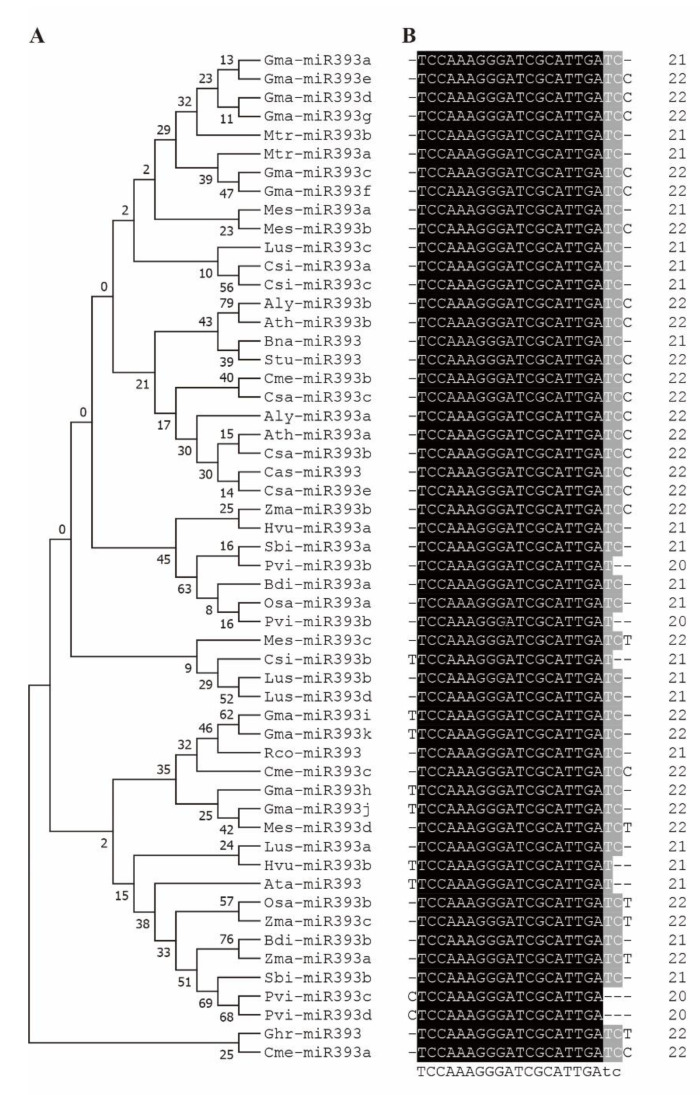
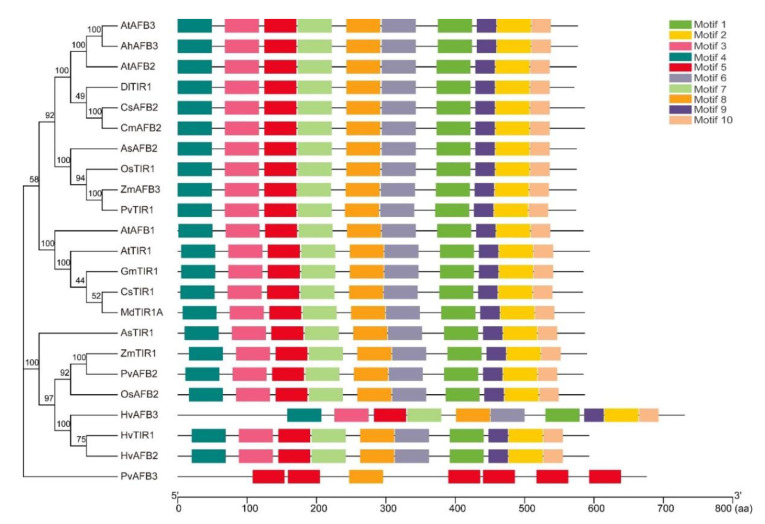
MicroRNAs (miRNAs), a class of endogenous small RNAs, are broadly involved in plant development, morphogenesis and responses to various environmental stresses, through manipulating the cleavage, translational expression, or DNA methylation of target mRNAs. miR393 is a conserved miRNA family present in many plants, which mainly targets genes encoding the transport inhibitor response1 (TIR1)/auxin signaling F-box (AFB) auxin receptors, and thus greatly affects the auxin signal perception, Aux/IAA degradation, and related gene expression. This review introduces the advances made on the miR393/target module regulating plant development and the plant's responses to biotic and abiotic stresses. This module is valuable for genetic manipulation of optimized conditions for crop growth and development and would also be helpful in improving crop yield through molecular breeding.
MicroRNAs (miRNAs),一类内源性的小分子 RNA,广泛参与植物的发育、形态发生以及对各种环境胁迫的响应,通过操纵靶 mRNA 的切割、翻译表达或 DNA 甲基化。miR393 是存在于许多植物中的一个保守 miRNA 家族,主要靶向编码运输抑制剂反应 1 (TIR1)/生长素信号 F-box (AFB) 生长素受体的基因,因此极大地影响了生长素信号的感知、Aux/IAA 的降解以及相关基因的表达。本综述介绍了 miR393/靶标模块调节植物发育和植物对生物和非生物胁迫反应的最新进展。该模块对于遗传操纵作物生长和发育的优化条件具有重要价值,并且通过分子育种也有助于提高作物产量。