Diabetes Research Group, Division of Infection and Immunity, School of Medicine, Cardiff University, Cardiff, United Kingdom.
Systems Immunity Research Institute, School of Medicine, Cardiff University, Cardiff, United Kingdom.
Front Endocrinol (Lausanne). 2022 Aug 10;13:920261. doi: 10.3389/fendo.2022.920261. eCollection 2022.
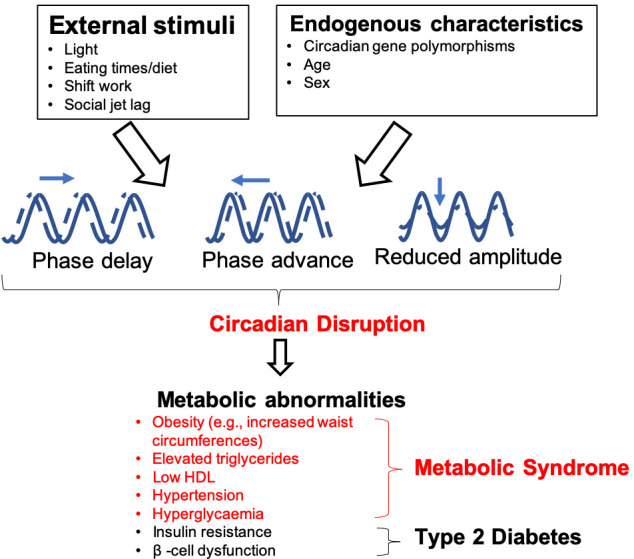
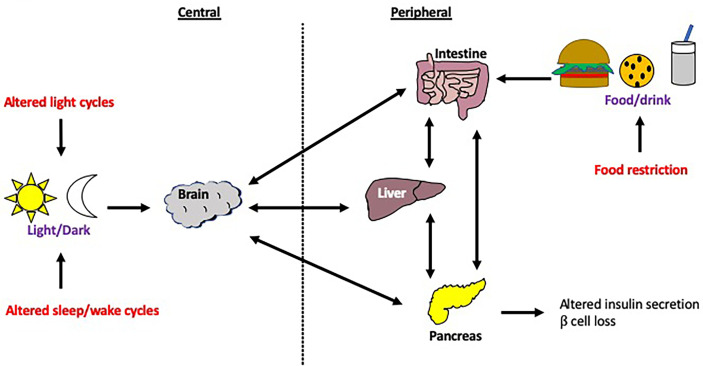
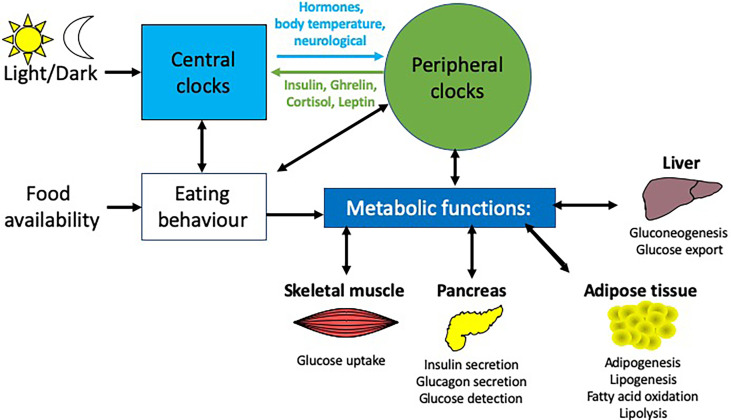
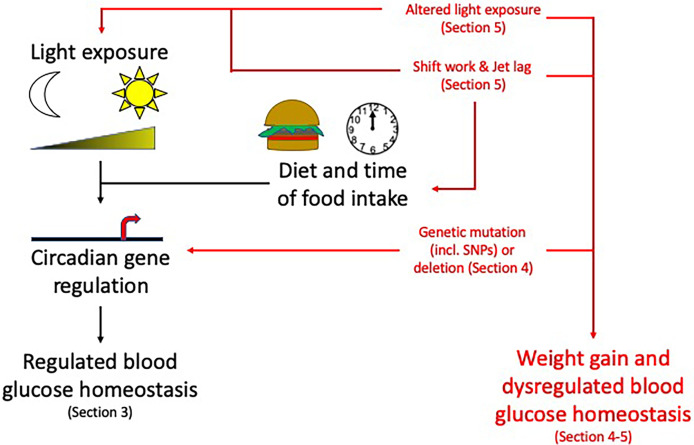
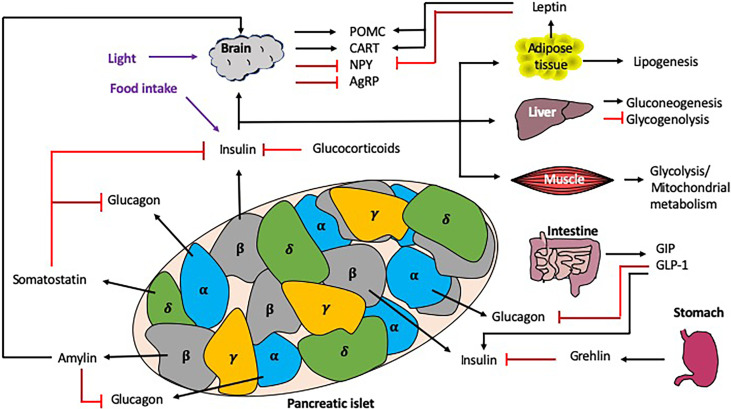
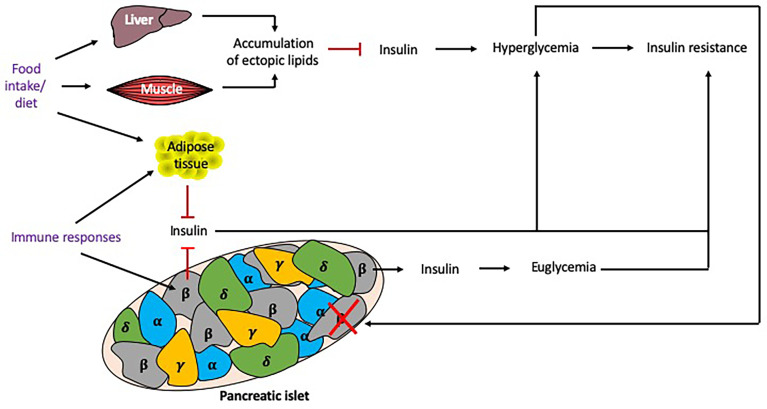
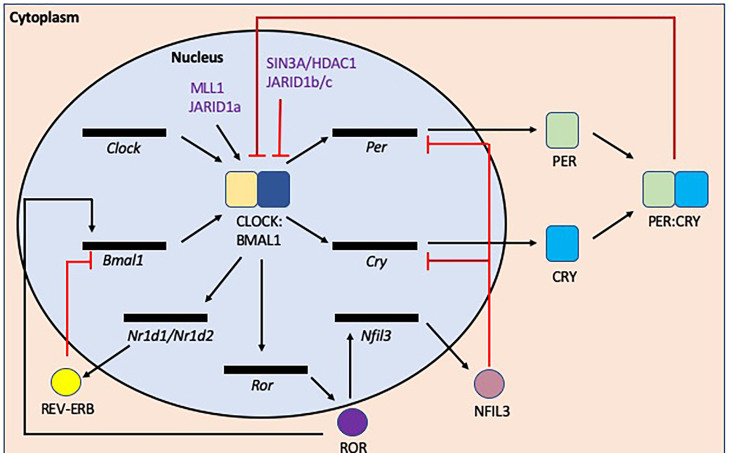
Type 2 diabetes mellitus, obesity and metabolic syndrome are becoming more prevalent worldwide and will present an increasingly challenging burden on healthcare systems. These interlinked metabolic abnormalities predispose affected individuals to a plethora of complications and comorbidities. Furthermore, diabetes is estimated by the World Health Organization to have caused 1.5 million deaths in 2019, with this figure projected to rise in coming years. This highlights the need for further research into the management of metabolic diseases and their complications. Studies on circadian rhythms, referring to physiological and behavioral changes which repeat approximately every 24 hours, may provide important insight into managing metabolic disease. Epidemiological studies show that populations who are at risk of circadian disruption such as night shift workers and regular long-haul flyers are also at an elevated risk of metabolic abnormalities such as insulin resistance and obesity. Aberrant expression of circadian genes appears to contribute to the dysregulation of metabolic functions such as insulin secretion, glucose homeostasis and energy expenditure. The potential clinical implications of these findings have been highlighted in animal studies and pilot studies in humans giving rise to the development of circadian interventions strategies including chronotherapy (time-specific therapy), time-restricted feeding, and circadian molecule stabilizers/analogues. Research into these areas will provide insights into the future of circadian medicine in metabolic diseases. In this review, we discuss the physiology of metabolism and the role of circadian timing in regulating these metabolic functions. Also, we review the clinical aspects of circadian physiology and the impact that ongoing and future research may have on the management of metabolic disease.
2 型糖尿病、肥胖症和代谢综合征在全球范围内变得越来越普遍,将给医疗保健系统带来日益严峻的挑战。这些相互关联的代谢异常使受影响的个体容易出现多种并发症和合并症。此外,世界卫生组织估计,2019 年糖尿病导致 150 万人死亡,预计未来几年这一数字还会上升。这凸显了需要进一步研究代谢性疾病及其并发症的管理。关于昼夜节律的研究,指的是大约每 24 小时重复一次的生理和行为变化,可能为代谢性疾病的管理提供重要的见解。流行病学研究表明,那些面临昼夜节律紊乱风险的人群,如夜班工人和经常长途飞行的人,也面临着代谢异常的风险增加,如胰岛素抵抗和肥胖。昼夜节律基因的异常表达似乎导致了代谢功能的失调,如胰岛素分泌、葡萄糖稳态和能量消耗。这些发现的潜在临床意义已在动物研究和人类初步研究中得到强调,促使开发了昼夜节律干预策略,包括时间特异性治疗、限时进食和昼夜节律分子稳定剂/类似物。对这些领域的研究将为代谢性疾病的昼夜节律医学的未来提供深入了解。在这篇综述中,我们讨论了代谢的生理学以及昼夜节律定时在调节这些代谢功能中的作用。我们还回顾了昼夜生理学的临床方面以及正在进行和未来的研究可能对代谢性疾病管理产生的影响。