Department of Medical Laboratory Sciences, College of Medicine and Health Sciences, Wollo University, Dessie, Ethiopia.
Department of Microbiology, Immunology and Parasitology, College of Health Sciences, Addis Ababa University, Addis Ababa, Ethiopia.
PLoS Negl Trop Dis. 2022 Aug 30;16(8):e0010728. doi: 10.1371/journal.pntd.0010728. eCollection 2022 Aug.
Schistosomes are blood dwelling parasites that affect more than 260 million people globally, and over 800 million people are at risk of infection in 74 countries. It causes acute and chronic debilitating diseases. The parasite is reported to alter the hematological and biochemical parameters in humans. Therefore, this study was aimed to evaluate the hematological and biochemical changes in S. mansoni infected adult patients compared to apparently healthy controls.
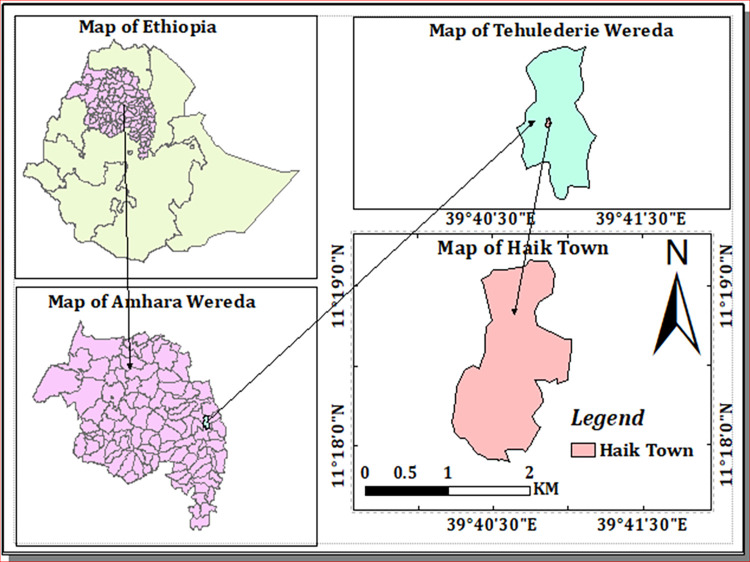
A comparative cross-sectional study was conducted at Haik Primary Hospital from February to April 2021. One hundred and eighty study participants consisting of 90 S. mansoni infected patients and 90 apparently healthy controls were recruited using systematic random sampling method. Socio-demographic characteristics and other variables were collected using questionnaires. Stool sample was examined microscopically to detect S. mansoni infection using direct wet mount and Kato Katz technique. In apparently healthy controls, S. mansoni infection was rule out using direct wet mount and Kato Katz technique. Moreover, the intensity of S. mansoni infection was assessed using Kato Katz technique. Blood sample was collected from each study participant to determine the hematological and biochemical profiles. Data were entered in to Epi Data version 3.1 and analyzed using SPSS version 26.0 software. Kolmogorov-Smirnov and Shapiro Wilk normality tests were done to assess the distribution of continuous variables. The Mann-Whitney U test and Kruskal Wallis H test was done to compare the differences among nonnormally distributed variables between S. mansoni infected patients and healthy controls. P-values <0.05 at 95%CI were considered as statistically significant.
The mean age (SD) of S. mansoni infected patients and apparently healthy controls was 30.33 (±12.26) and 31.2 (±12.85) years old, respectively. The prevalence of anemia, and thrombocytopenia among S. mansoni infected patients were 23.3% and 26.7%, respectively. Erythrocytic sedimentation rate (ESR) was significantly elevated among S. mansoni infected patients than apparently healthy controls. The median white blood cell count, red blood cell count, red blood cell indices, and platelet indices were significantly lower among S. mansoni infected patients compared to apparently healthy controls (P<0.05). On the other hand, the median eosinophil count was significantly elevated among S. mansoni infected patients compared to apparently healthy controls (P<0.05). This study also showed significantly elevated values of serum alanine aminotransferase, aspartate aminotransferase, alkaline phosphatase, and direct bilirubin and lower albumin, total cholesterol and triglycerides among S. mansoni infected patients compared to apparently healthy controls. Kruskal Wallis H test showed a significant difference in the median of most hematological and biochemical parameters between moderate and heavy intensity of infection with light intensity of infection and apparently healthy controls.
The findings of this study showed significantly altered hematological values and liver function tests among S. mansoni infected patients compared to apparently healthy controls. Therefore, screening of S. mansoni infected patients for various hematological and biochemical parameters and providing treatment to the underlying abnormalities is very crucial to avoid schistosomiasis associated morbidity and mortality.
血吸虫是一种寄生在血液中的寄生虫,影响着全球超过 2.6 亿人,在 74 个国家,超过 8 亿人面临感染风险。它会导致急性和慢性的使人虚弱的疾病。据报道,寄生虫会改变人类的血液学和生化参数。因此,本研究旨在比较曼氏血吸虫感染的成年患者与明显健康对照者的血液学和生化变化。
这是一项在 2021 年 2 月至 4 月期间在海克综合医院进行的比较性横断面研究。采用系统随机抽样方法,招募了 180 名研究参与者,包括 90 名曼氏血吸虫感染患者和 90 名明显健康对照者。使用问卷收集社会人口统计学特征和其他变量。通过直接湿涂片和加藤厚涂片技术检查粪便样本以检测曼氏血吸虫感染。在明显健康对照者中,通过直接湿涂片和加藤厚涂片技术排除曼氏血吸虫感染。此外,使用加藤厚涂片技术评估曼氏血吸虫感染的强度。从每位研究参与者采集血液样本,以确定血液学和生化特征。数据输入到 Epi Data 版本 3.1 中,并使用 SPSS 版本 26.0 软件进行分析。使用 Kolmogorov-Smirnov 和 Shapiro-Wilk 正态性检验评估连续变量的分布。曼-惠特尼 U 检验和克鲁斯卡尔-沃利斯 H 检验用于比较曼氏血吸虫感染患者和健康对照组之间非正态分布变量之间的差异。95%CI 置信区间的 P 值<0.05 被认为具有统计学意义。
曼氏血吸虫感染患者和明显健康对照组的平均年龄(SD)分别为 30.33(±12.26)岁和 31.2(±12.85)岁。曼氏血吸虫感染患者贫血和血小板减少的患病率分别为 23.3%和 26.7%。红细胞沉降率(ESR)在曼氏血吸虫感染患者中明显高于明显健康对照组。曼氏血吸虫感染患者的白细胞计数、红细胞计数、红细胞指数和血小板指数中位数明显低于明显健康对照组(P<0.05)。另一方面,曼氏血吸虫感染患者的嗜酸性粒细胞计数中位数明显高于明显健康对照组(P<0.05)。本研究还表明,与明显健康对照组相比,曼氏血吸虫感染患者的血清丙氨酸氨基转移酶、天冬氨酸氨基转移酶、碱性磷酸酶和直接胆红素显著升高,而白蛋白、总胆固醇和甘油三酯水平降低。克鲁斯卡尔-沃利斯 H 检验显示,在中度和重度感染与轻度感染以及明显健康对照组之间,大多数血液学和生化参数的中位数存在显著差异。
与明显健康对照组相比,曼氏血吸虫感染患者的血液学值和肝功能试验明显改变。因此,对曼氏血吸虫感染患者进行各种血液学和生化参数筛查,并对潜在异常进行治疗,对于避免血吸虫病相关的发病率和死亡率非常重要。