Gene & Stem Cell Therapy Program Centenary Institute, The University of Sydney, Camperdown, NSW 2050, Australia.
Faculty of Medicine & Health, The University of Sydney, Sydney, NSW 2006, Australia.
Cell Rep Methods. 2022 Aug 22;2(8):100275. doi: 10.1016/j.crmeth.2022.100275.
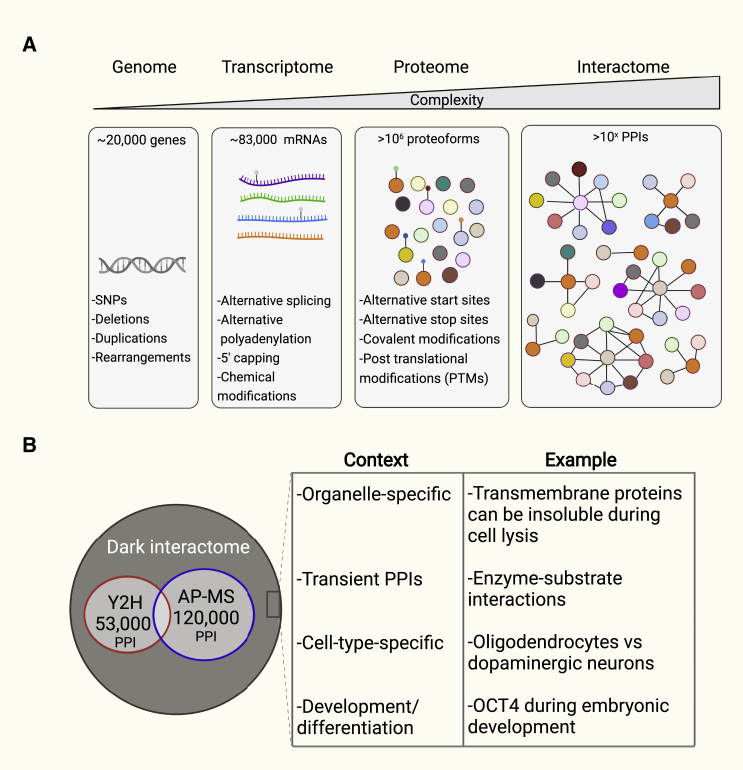
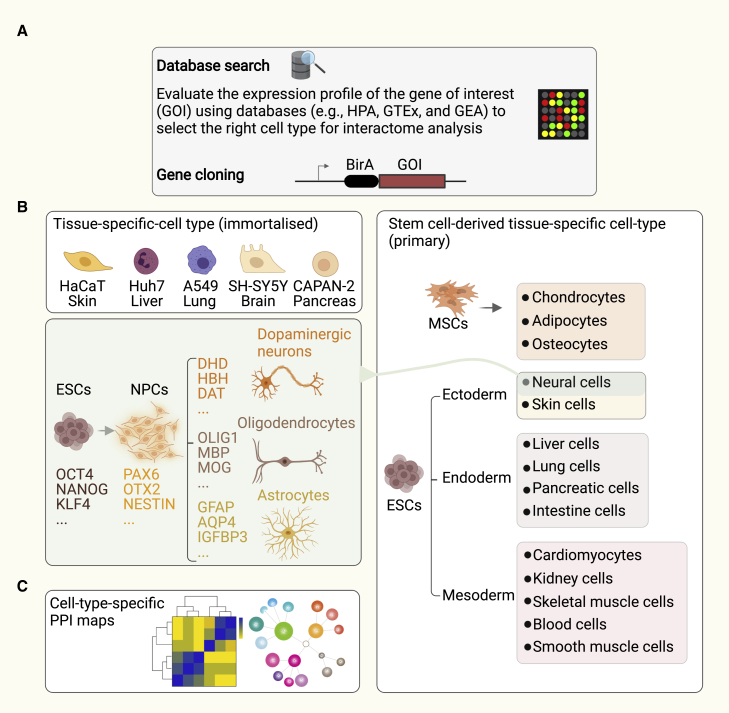
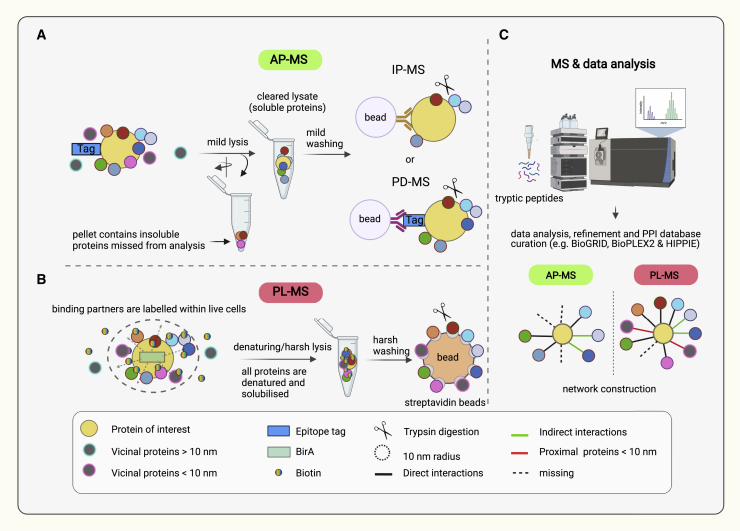
In living systems, a complex network of protein-protein interactions (PPIs) underlies most biochemical events. The human protein-protein interactome has been surveyed using yeast two-hybrid (Y2H)- and mass spectrometry (MS)-based approaches such as affinity purification coupled to MS (AP-MS). Despite decades of systematic investigations and collaborative multi-disciplinary efforts, there is no "gold standard" for documenting PPIs. A surprisingly large fraction of the human interactome remains uncharted, which we refer to as the "dark interactome." In this review, we highlight the complexity of the human interactome and discuss the current status of the human reference interactome maps. We discuss why a large proportion of the human interactome has remained refractory to traditional approaches. We propose an experimental model that can enable the identification of the dark interactome in a cell-type-specific manner. We also propose a framework to implement when embarking on studies designed to rigorously identify and characterize protein interactions.
在生命系统中,大多数生化事件都依赖于蛋白质-蛋白质相互作用(PPIs)的复杂网络。人类蛋白质-蛋白质相互作用组已经使用酵母双杂交(Y2H)和基于质谱(MS)的方法进行了调查,例如亲和纯化结合 MS(AP-MS)。尽管经过几十年的系统研究和多学科合作努力,但仍没有用于记录 PPIs 的“金标准”。人类相互作用组中有很大一部分仍然未知,我们称之为“暗相互作用组”。在这篇综述中,我们强调了人类相互作用组的复杂性,并讨论了人类参考相互作用组图谱的现状。我们讨论了为什么人类相互作用组的很大一部分仍然对传统方法具有抗性。我们提出了一个实验模型,可以实现以细胞类型特异性方式鉴定暗相互作用组。我们还提出了一个框架,用于实施旨在严格鉴定和表征蛋白质相互作用的研究。