Department of Obstetrics and Gynecology, Tongji Hospital, Tongji Medical College, Huazhong University of Science and Technology, Wuhan, China.
Front Endocrinol (Lausanne). 2022 Aug 19;13:952471. doi: 10.3389/fendo.2022.952471. eCollection 2022.
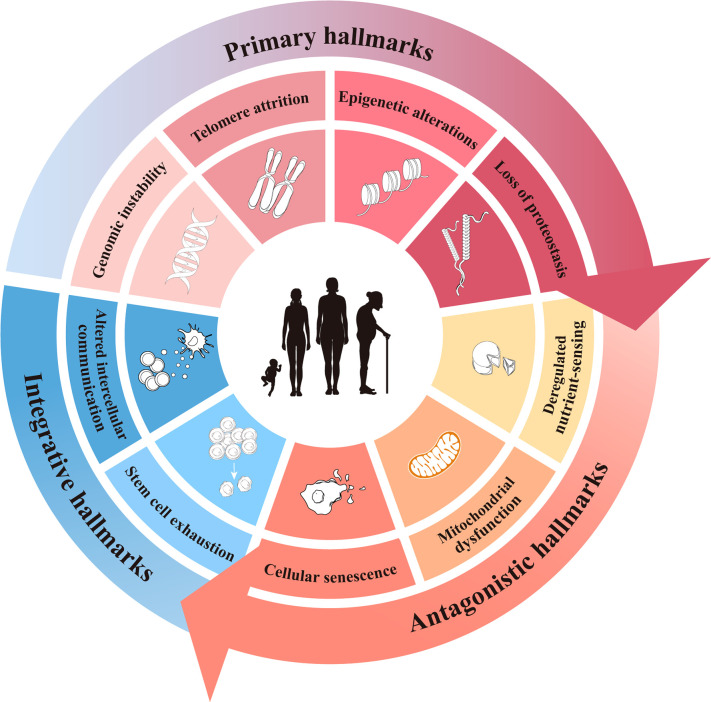
Progressive loss of physiological integrity and accumulation of degenerative changes leading to functional impairment and increased susceptibility to diseases are the main features of aging. The ovary, the key organ that maintains female reproductive and endocrine function, enters aging earlier and faster than other organs and has attracted extensive attention from society. Ovarian aging is mainly characterized by the progressive decline in the number and quality of oocytes, the regulatory mechanisms of which have yet to be systematically elucidated. This review discusses the hallmarks of aging to further highlight the main characteristics of ovarian aging and attempt to explore its clinical symptoms and underlying mechanisms. Finally, the intervention strategies related to aging are elaborated, especially the potential role of stem cells and cryopreservation of embryos, oocytes, or ovarian tissue in the delay of ovarian aging.
随着生理完整性的逐渐丧失和退行性变化的积累,导致功能障碍和疾病易感性增加,这是衰老的主要特征。卵巢作为维持女性生殖和内分泌功能的关键器官,比其他器官更早、更快地进入衰老阶段,引起了社会的广泛关注。卵巢衰老的主要特征是卵母细胞数量和质量的逐渐下降,但其调节机制尚未得到系统阐明。本综述讨论了衰老的特征,以进一步强调卵巢衰老的主要特征,并尝试探讨其临床症状和潜在机制。最后,阐述了与衰老相关的干预策略,特别是干细胞和胚胎、卵母细胞或卵巢组织冷冻保存在延缓卵巢衰老方面的潜在作用。