Department of Neurobiology, School of Life Sciences, China Medical University, Shenyang, PR China.
Key Laboratory of Cell Biology, Ministry of Public Health of China, China Medical University, Shenyang, PR China.
Commun Biol. 2022 Sep 5;5(1):908. doi: 10.1038/s42003-022-03878-9.
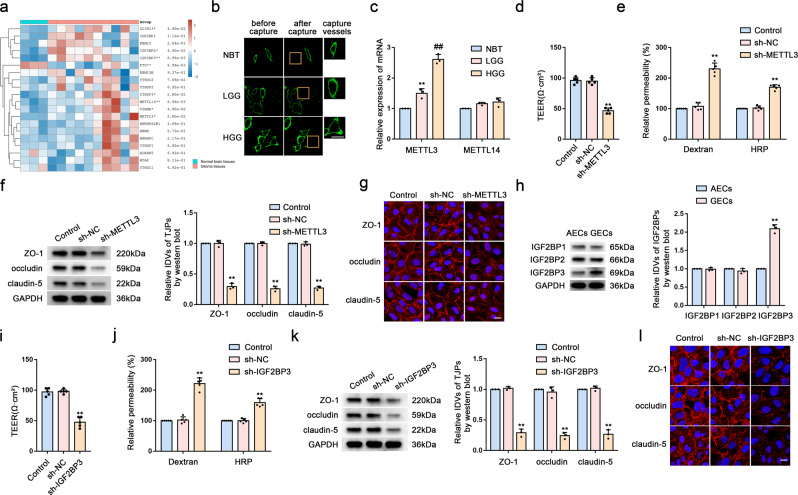
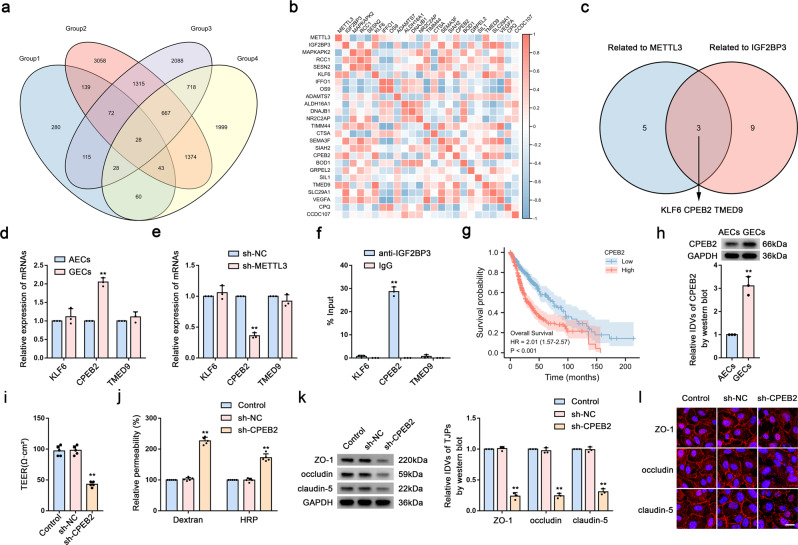
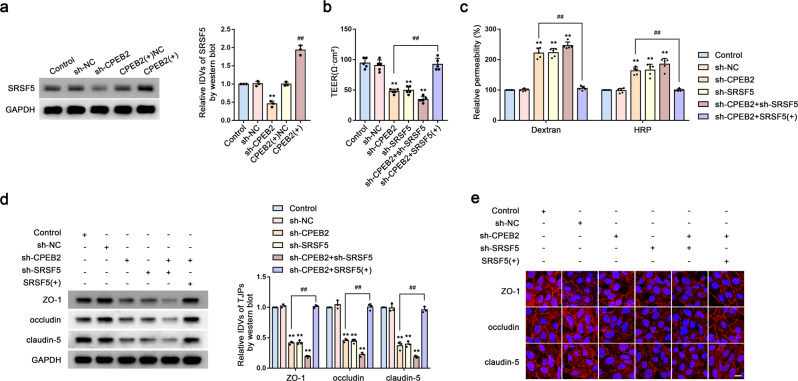
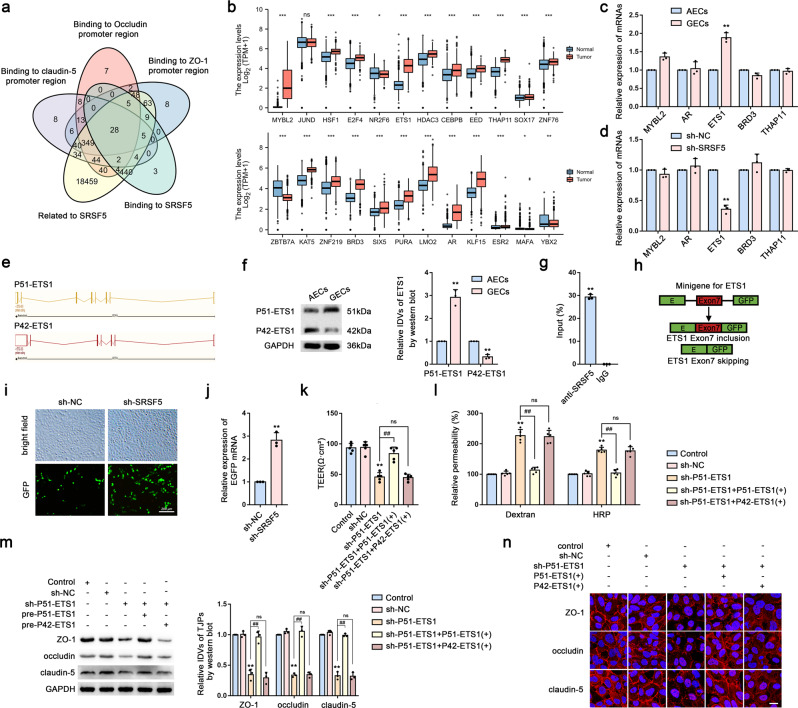
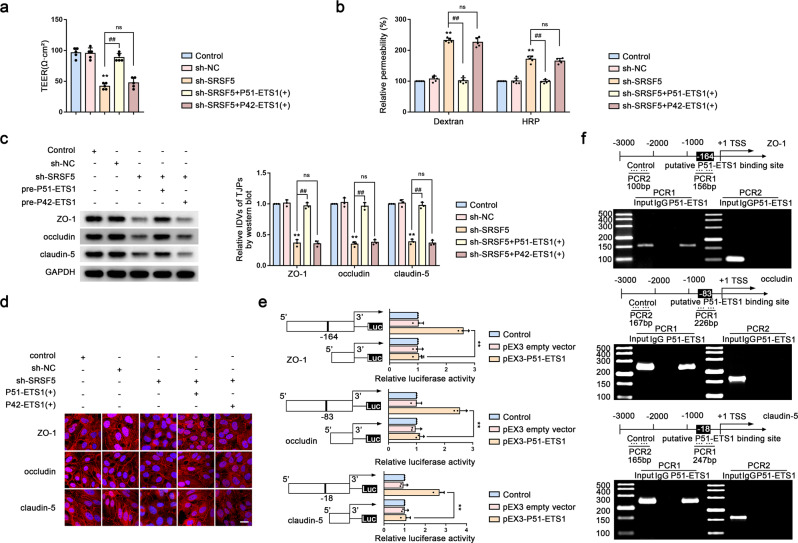
The blood-tumor barrier (BTB) contributes to poor therapeutic efficacy by limiting drug uptake; therefore, elevating BTB permeability is essential for glioma treatment. Here, we prepared astrocyte microvascular endothelial cells (ECs) and glioma microvascular ECs (GECs) as in vitro blood-brain barrier (BBB) and BTB models. Upregulation of METTL3 and IGF2BP3 in GECs increased the stability of CPEB2 mRNA through its m6A methylation. CPEB2 bound to and increased SRSF5 mRNA stability, which promoted the ETS1 exon inclusion. P51-ETS1 promoted the expression of ZO-1, occludin, and claudin-5 transcriptionally, thus regulating BTB permeability. Subsequent in vivo knockdown of these molecules in glioblastoma xenograft mice elevated BTB permeability, promoted doxorubicin penetration, and improved glioma-specific chemotherapeutic effects. These results provide a theoretical and experimental basis for epigenetic regulation of the BTB, as well as insight into comprehensive glioma treatment.
血脑屏障(BTB)通过限制药物摄取来降低治疗效果;因此,提高 BTB 的通透性对于治疗脑胶质瘤至关重要。在这里,我们制备了星形胶质细胞微血管内皮细胞(ECs)和脑胶质瘤微血管内皮细胞(GECs)作为体外血脑屏障(BBB)和 BTB 模型。GECs 中 METTL3 和 IGF2BP3 的上调通过其 m6A 甲基化增加了 CPEB2 mRNA 的稳定性。CPEB2 与 SRSF5 mRNA 结合并增加其稳定性,从而促进了 ETS1 外显子的包含。P51-ETS1 转录激活 ZO-1、occludin 和 claudin-5 的表达,从而调节 BTB 的通透性。随后在脑胶质瘤异种移植小鼠中敲低这些分子,可提高 BTB 的通透性,促进阿霉素的渗透,并提高脑胶质瘤的化学治疗效果。这些结果为 BTB 的表观遗传调控提供了理论和实验基础,并深入了解了全面的脑胶质瘤治疗。