Key Laboratory of Shaanxi Province for Craniofacial Precision Medicine Research, College of Stomatology, Xi'an Jiaotong University, Xi'an, China.
State Key Laboratory Breeding Base of Basic Science of Stomatology (Hubei-MOST) & Key Laboratory of Oral Biomedicine Ministry of Education, School and Hospital of Stomatology, Wuhan University, Wuhan, China.
Int J Oral Sci. 2022 Sep 5;14(1):44. doi: 10.1038/s41368-022-00191-3.
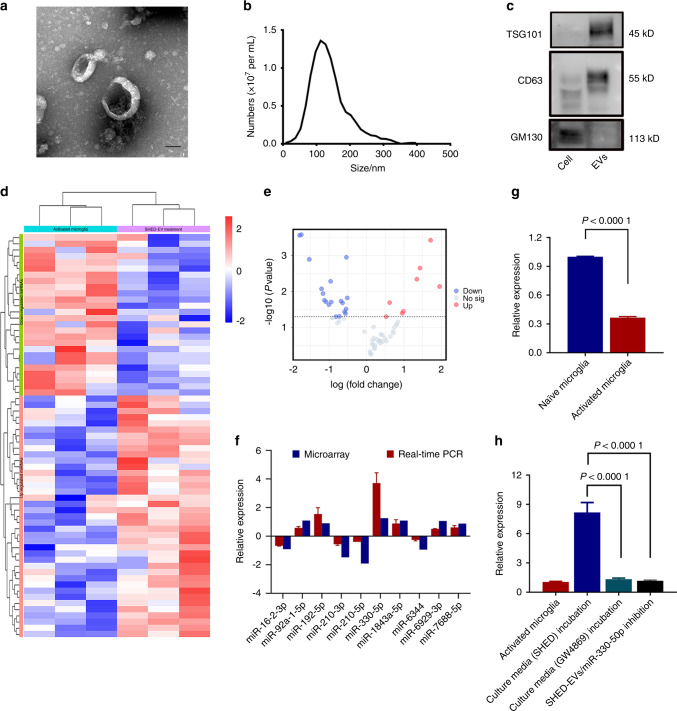
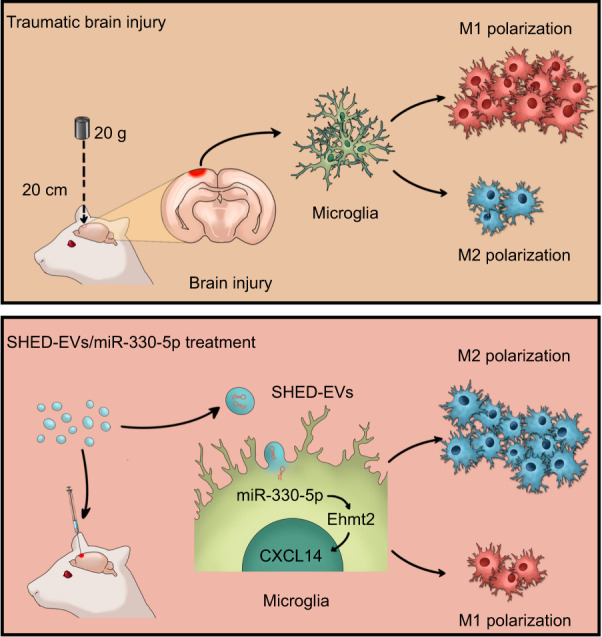
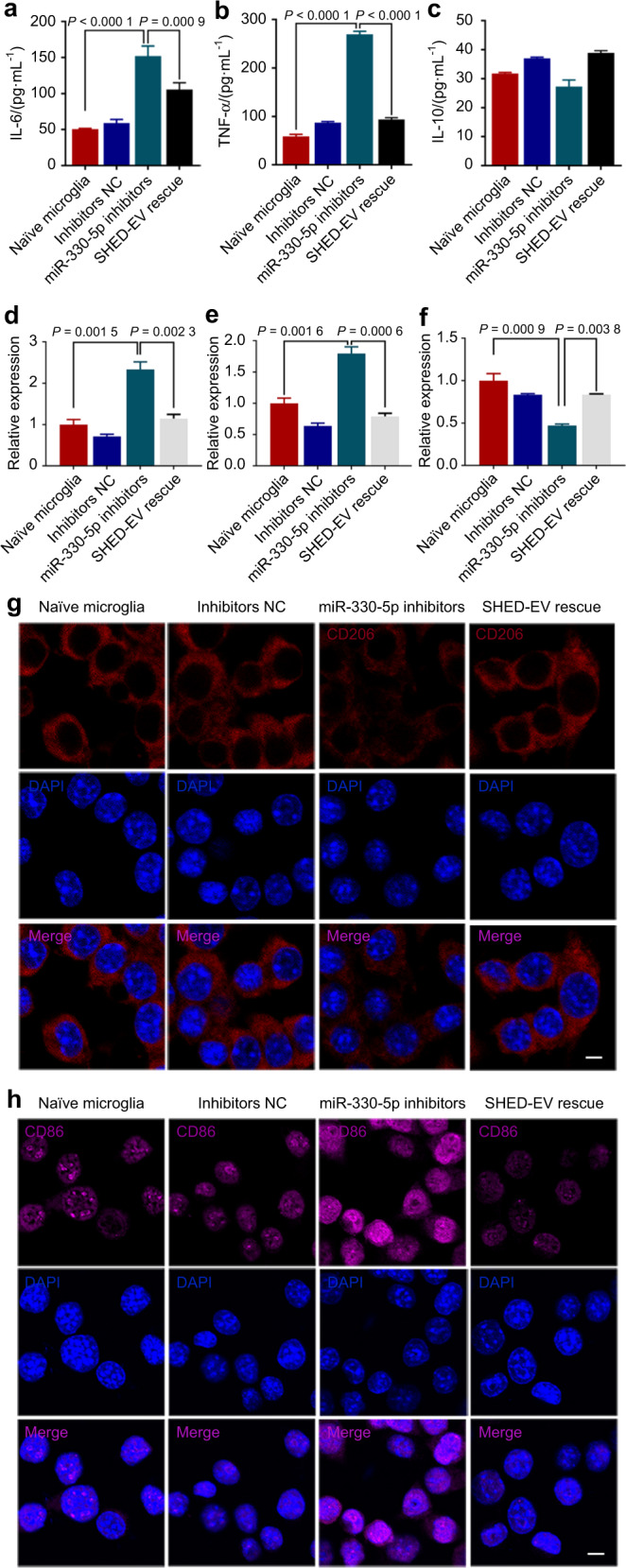
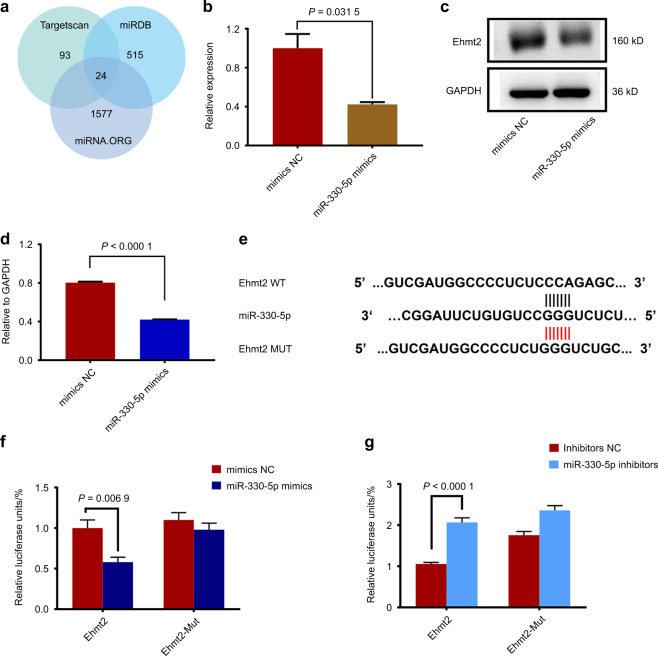
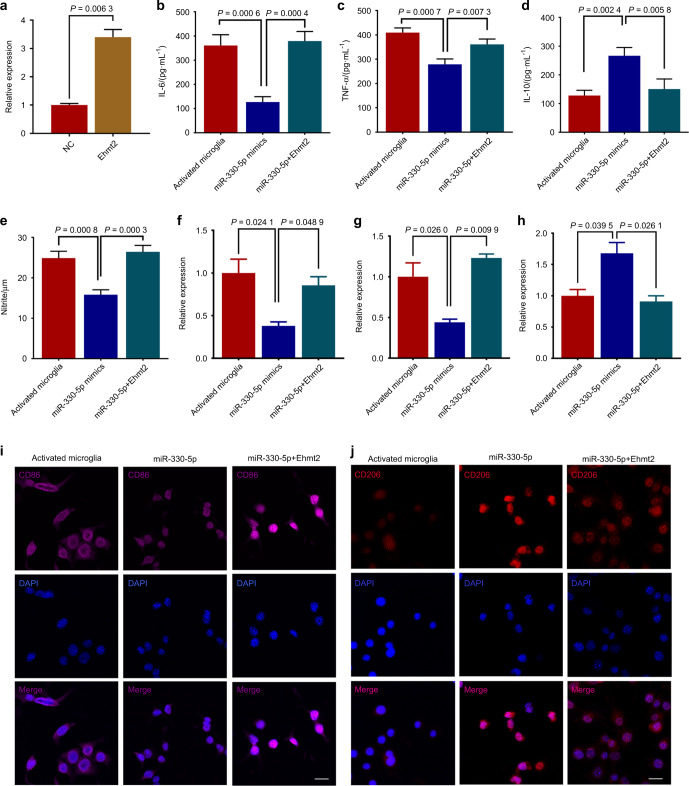
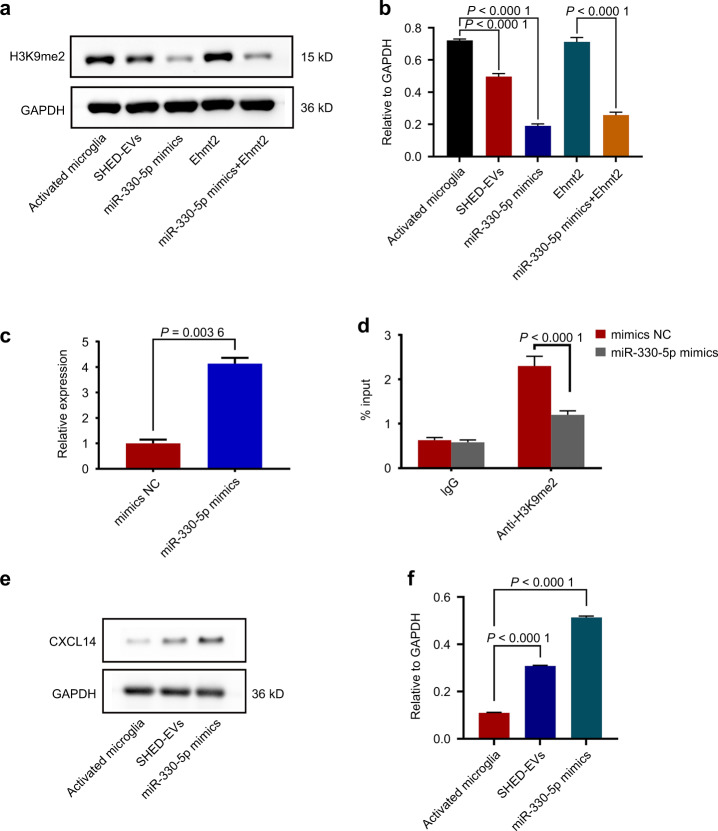
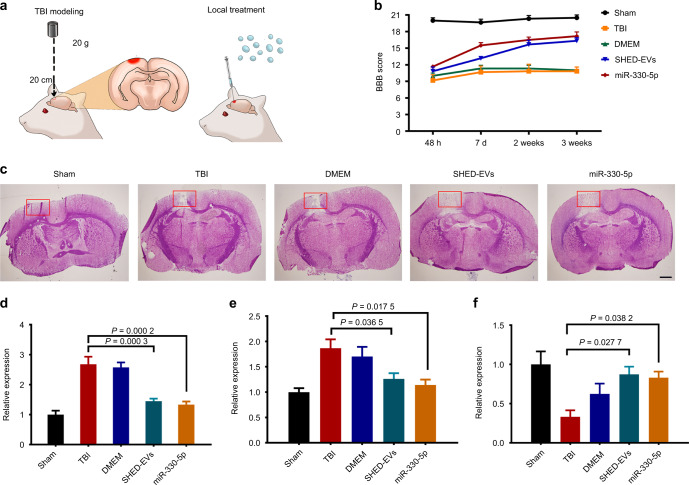
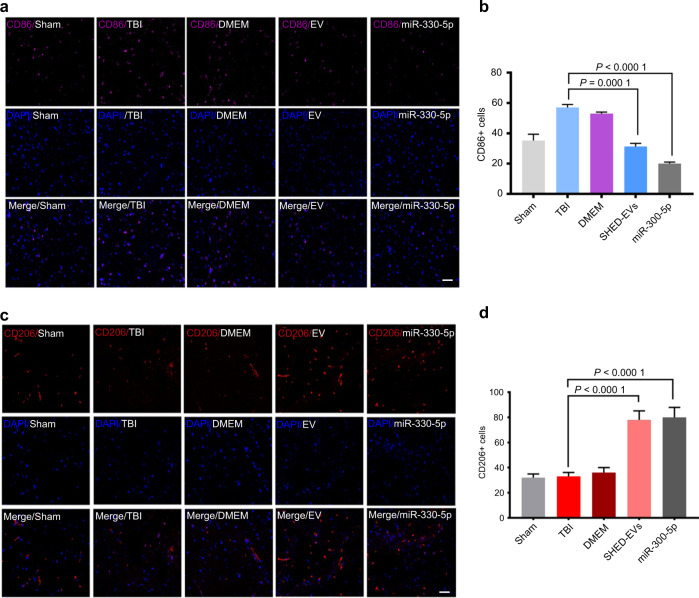
Traumatic brain injury (TBI) contributes to the key causative elements of neurological deficits. However, no effective therapeutics have been developed yet. In our previous work, extracellular vesicles (EVs) secreted by stem cells from human exfoliated deciduous teeth (SHED) offered new insights as potential strategies for functional recovery of TBI. The current study aims to elucidate the mechanism of action, providing novel therapeutic targets for future clinical interventions. With the miRNA array performed and Real-time PCR validated, we revealed the crucial function of miR-330-5p transferred by SHED-derived EVs (SHED-EVs) in regulating microglia, the critical immune modulator in central nervous system. MiR-330-5p targeted Ehmt2 and mediated the transcription of CXCL14 to promote M2 microglia polarization and inhibit M1 polarization. Identified in our in vivo data, SHED-EVs and their effector miR-330-5p alleviated the secretion of inflammatory cytokines and resumed the motor functional recovery of TBI rats. In summary, by transferring miR-330-5p, SHED-EVs favored anti-inflammatory microglia polarization through Ehmt2 mediated CXCL14 transcription in treating traumatic brain injury.
创伤性脑损伤(TBI)是导致神经功能缺陷的主要病因之一。然而,目前尚未开发出有效的治疗方法。在我们之前的工作中,人乳牙脱落牙髓干细胞(SHED)分泌的细胞外囊泡(EVs)为 TBI 的功能恢复提供了新的策略。本研究旨在阐明其作用机制,为未来的临床干预提供新的治疗靶点。通过 miRNA 芯片和实时 PCR 验证,我们揭示了 SHED-EVs 中转录的 miR-330-5p 调节小胶质细胞的关键功能,小胶质细胞是中枢神经系统中关键的免疫调节剂。miR-330-5p 靶向 Ehmt2 并介导 CXCL14 的转录,从而促进 M2 小胶质细胞极化并抑制 M1 极化。在我们的体内数据中发现,SHED-EVs 及其效应 miR-330-5p 减轻了 TBI 大鼠的炎症细胞因子分泌,恢复了其运动功能的恢复。综上所述,SHED-EVs 通过 Ehmt2 介导的 CXCL14 转录转移 miR-330-5p,有利于抗炎性小胶质细胞极化,从而治疗创伤性脑损伤。