Laboratory of Molecular Genetics, The Rockefeller University, New York, NY, USA.
Bioinformatics Resource Center, The Rockefeller University, New York, NY, USA.
Nature. 2022 Sep;609(7928):761-771. doi: 10.1038/s41586-022-05161-7. Epub 2022 Sep 7.
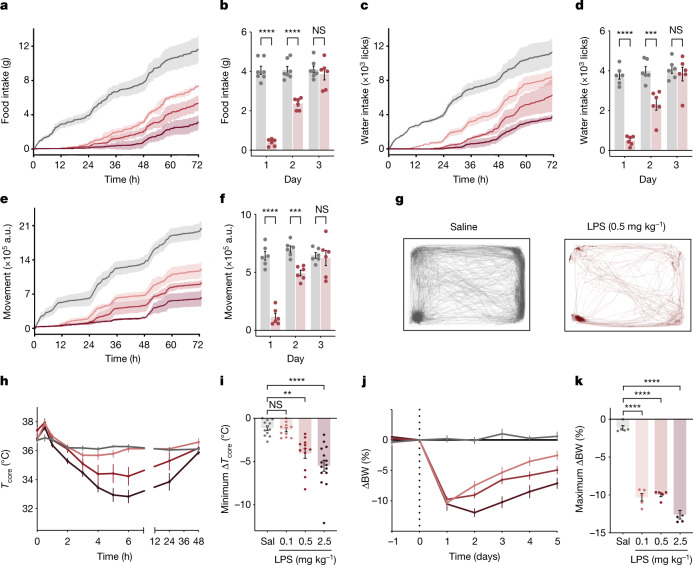
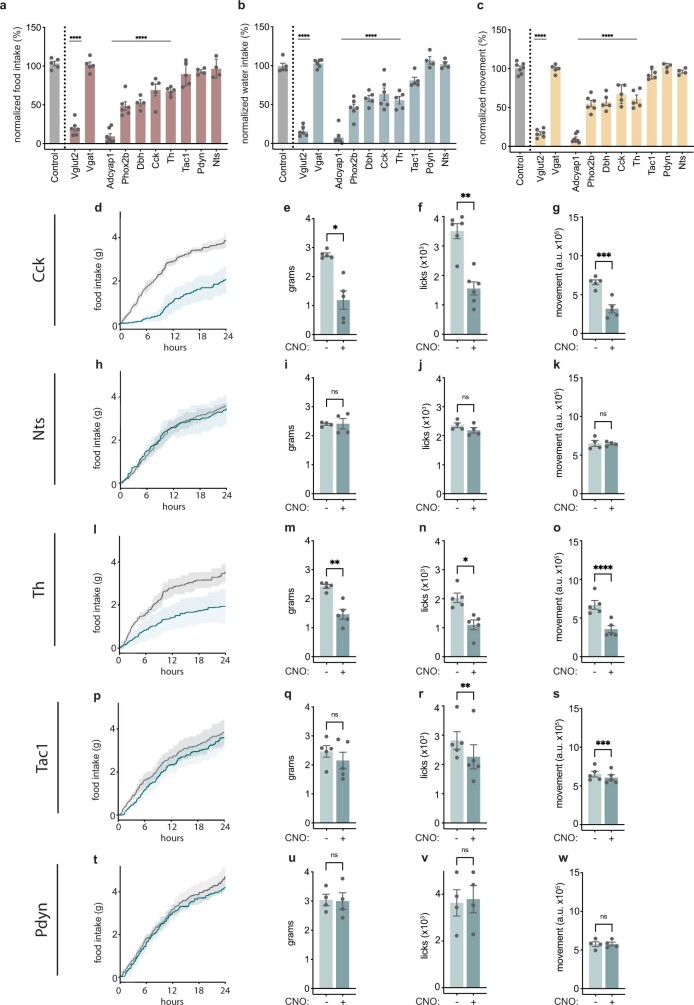
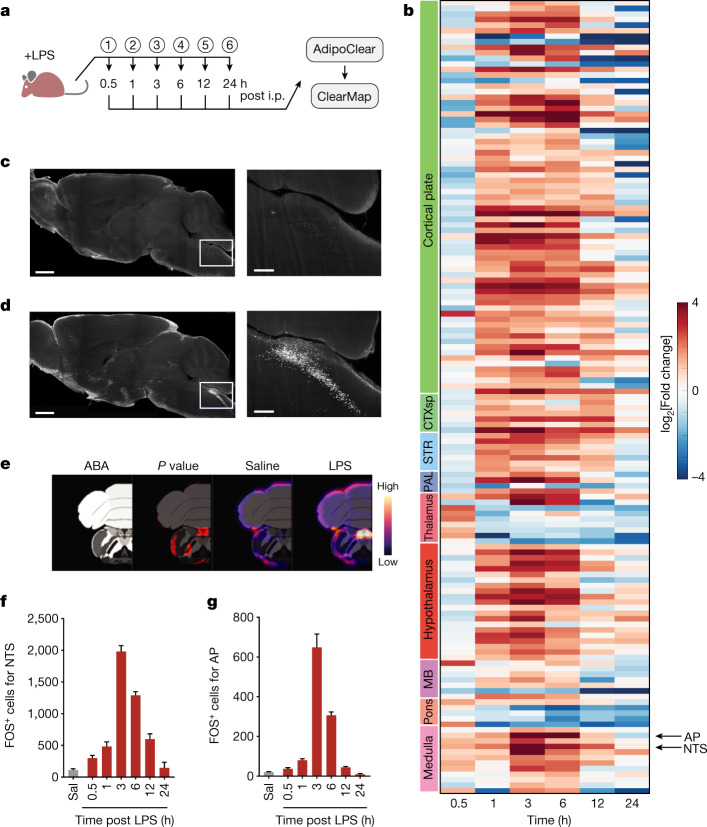
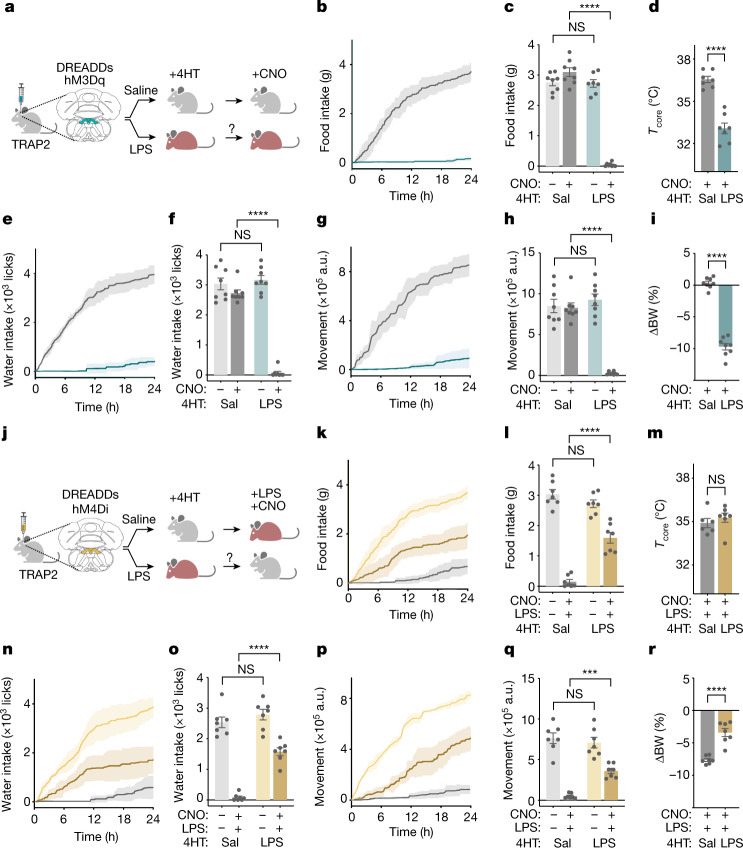
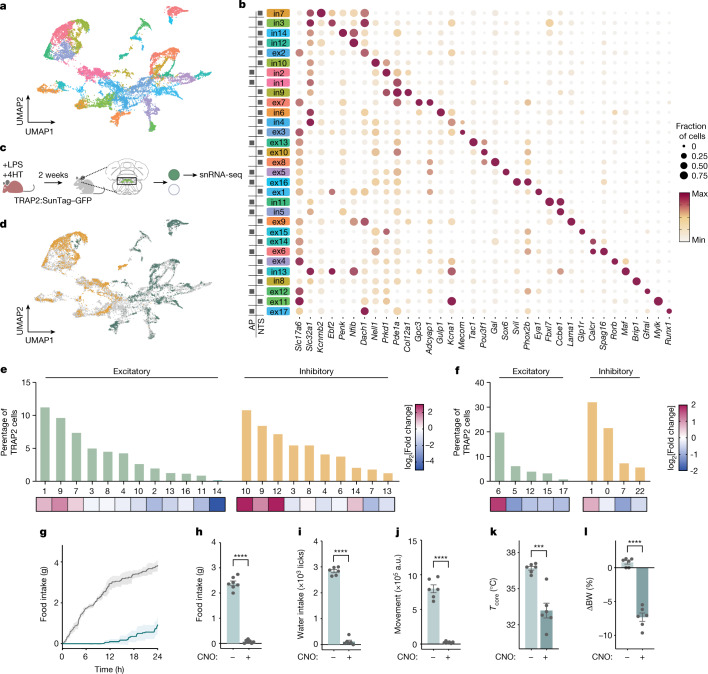
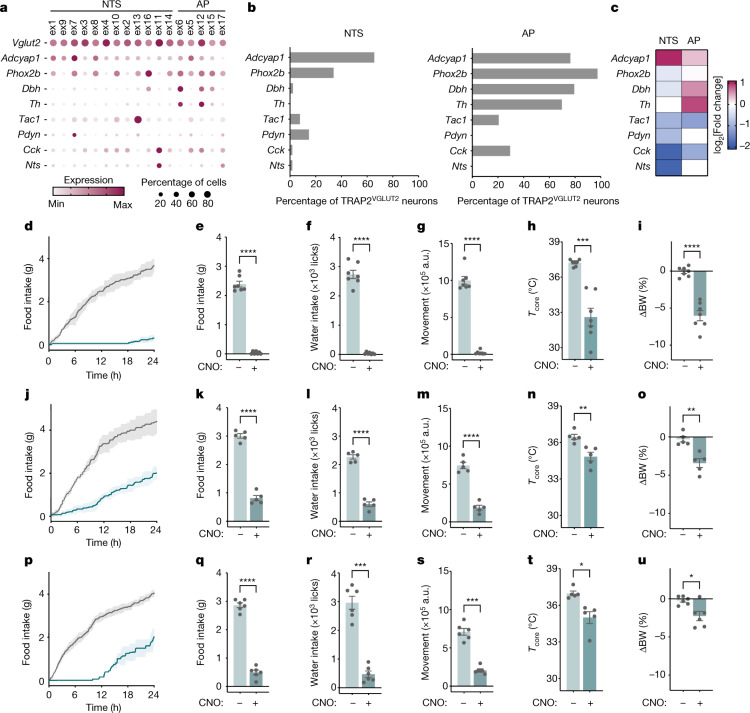
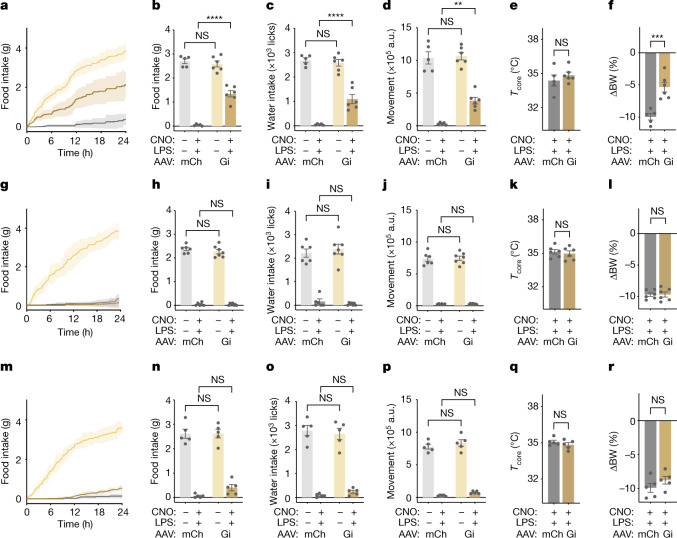
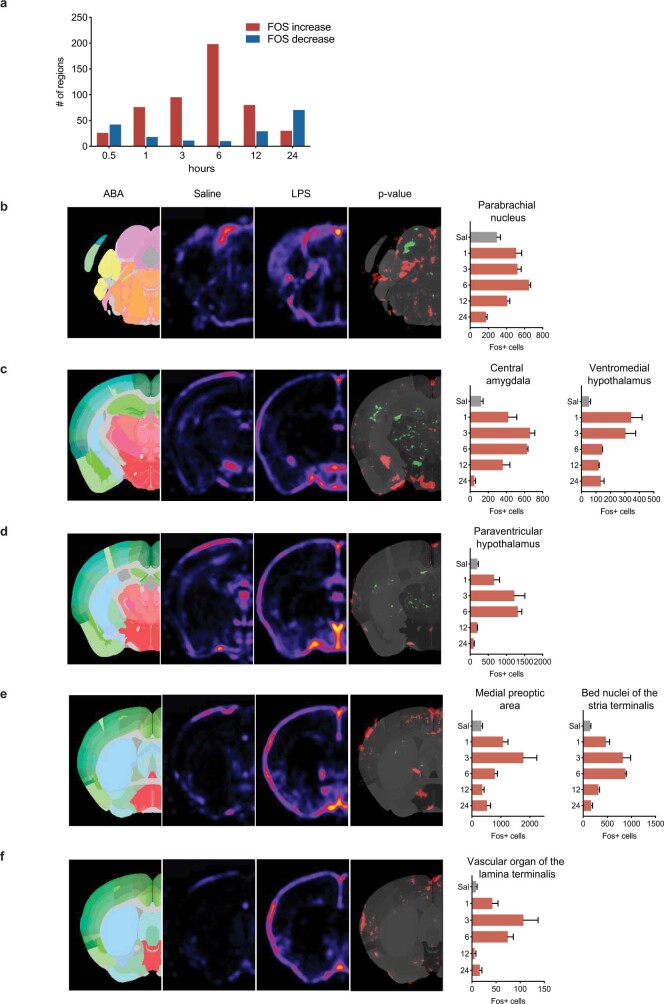
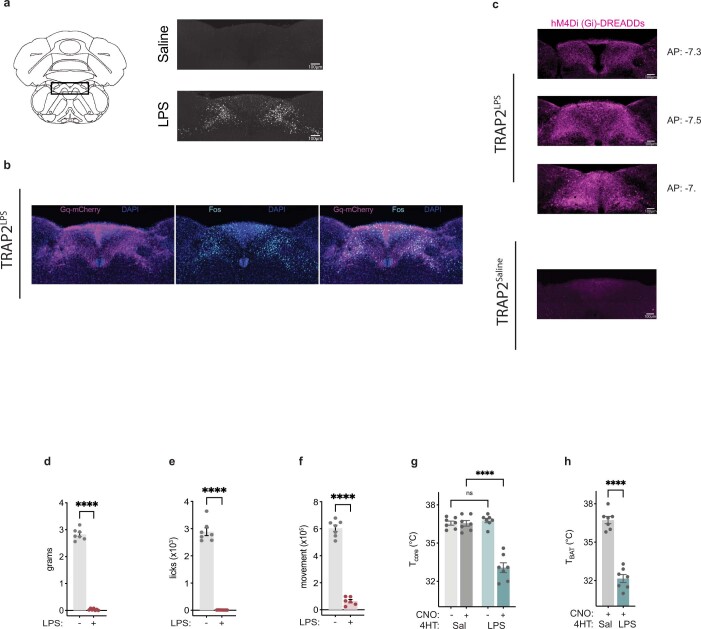
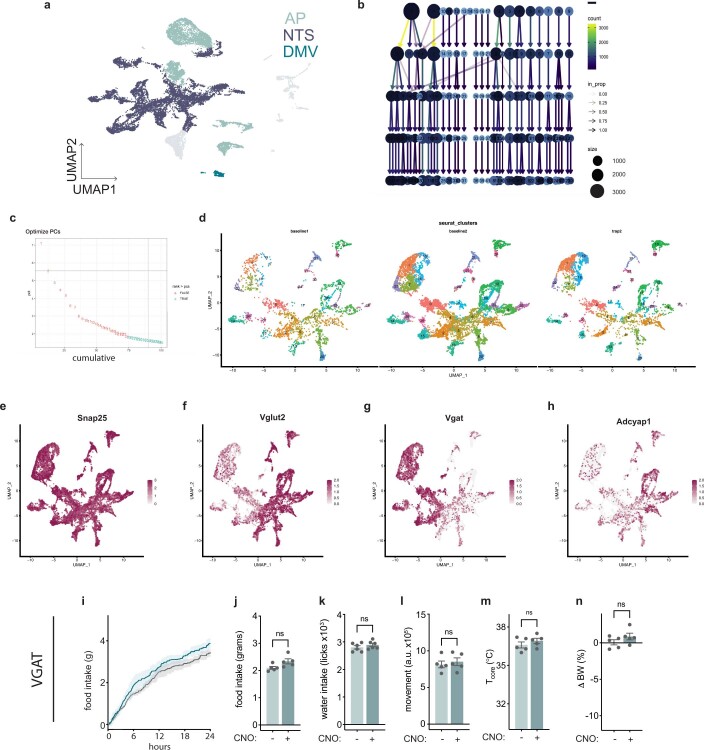
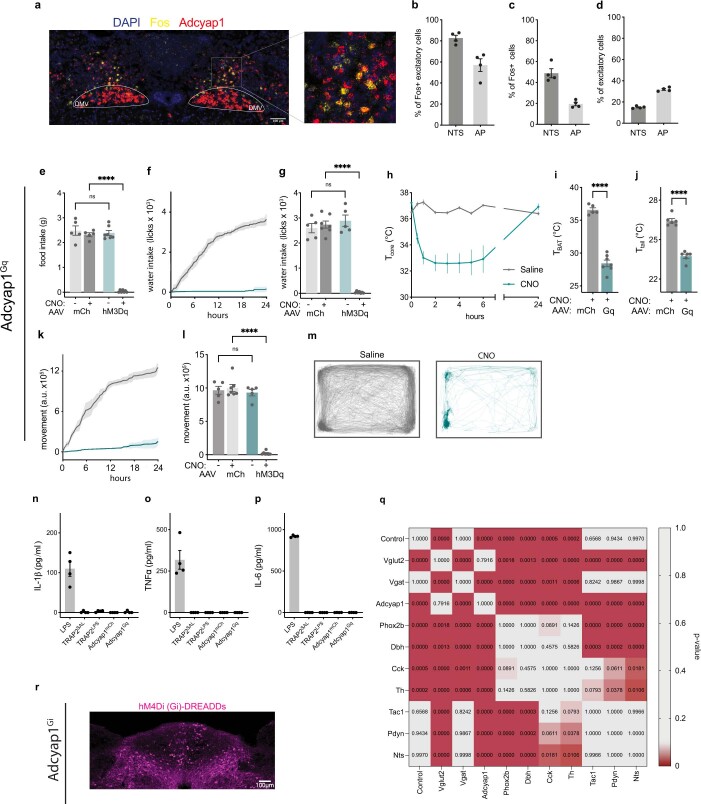
Infections induce a set of pleiotropic responses in animals, including anorexia, adipsia, lethargy and changes in temperature, collectively termed sickness behaviours. Although these responses have been shown to be adaptive, the underlying neural mechanisms have not been elucidated. Here we use of a set of unbiased methodologies to show that a specific subpopulation of neurons in the brainstem can control the diverse responses to a bacterial endotoxin (lipopolysaccharide (LPS)) that potently induces sickness behaviour. Whole-brain activity mapping revealed that subsets of neurons in the nucleus of the solitary tract (NTS) and the area postrema (AP) acutely express FOS after LPS treatment, and we found that subsequent reactivation of these specific neurons in FOS (also known as TRAP2) mice replicates the behavioural and thermal component of sickness. In addition, inhibition of LPS-activated neurons diminished all of the behavioural responses to LPS. Single-nucleus RNA sequencing of the NTS-AP was used to identify LPS-activated neural populations, and we found that activation of ADCYAP1 neurons in the NTS-AP fully recapitulates the responses elicited by LPS. Furthermore, inhibition of these neurons significantly diminished the anorexia, adipsia and locomotor cessation seen after LPS injection. Together these studies map the pleiotropic effects of LPS to a neural population that is both necessary and sufficient for canonical elements of the sickness response, thus establishing a critical link between the brain and the response to infection.
感染会在动物体内引发一系列多效反应,包括厌食、口渴、昏睡和体温变化,这些反应统称为疾病行为。尽管这些反应被证明是适应性的,但潜在的神经机制尚未阐明。在这里,我们使用一组无偏的方法学来表明,脑干中特定的神经元亚群可以控制对细菌内毒素(脂多糖(LPS))的多种反应,这种内毒素强烈诱导疾病行为。全脑活动图谱显示,孤束核(NTS)和穹窿下器(AP)中的神经元亚群在 LPS 处理后急性表达 FOS,我们发现,随后在 FOS(也称为 TRAP2)小鼠中重新激活这些特定神经元可以复制疾病的行为和体温成分。此外,抑制 LPS 激活的神经元可减少 LPS 引起的所有行为反应。使用 NTS-AP 的单细胞 RNA 测序来鉴定 LPS 激活的神经群体,我们发现 NTS-AP 中的 ADCYAP1 神经元的激活完全再现了 LPS 引起的反应。此外,抑制这些神经元可显著减少 LPS 注射后出现的厌食、口渴和运动停止。这些研究将 LPS 的多效效应映射到一个神经群体,该群体既是疾病反应的经典元素所必需的,也是充分的,从而在大脑和对感染的反应之间建立了一个关键联系。