Daniolou Sofia, Pandis Nikolaos, Znoj Hansjörg
Department of Psychology, University of Bern, 3012 Bern, Switzerland.
Department of Orthodontics and Dentofacial Orthopedics, University of Bern, 3010 Bern, Switzerland.
J Clin Med. 2022 Aug 30;11(17):5100. doi: 10.3390/jcm11175100.
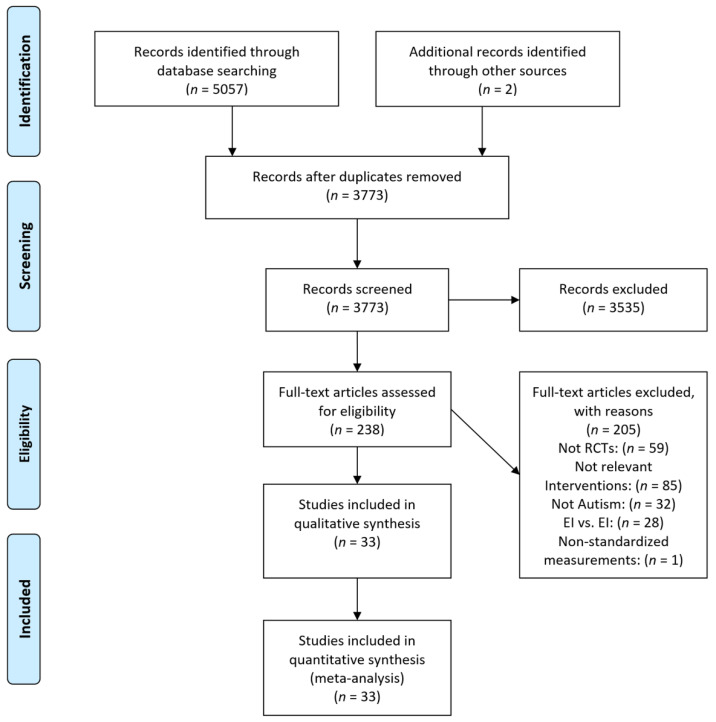
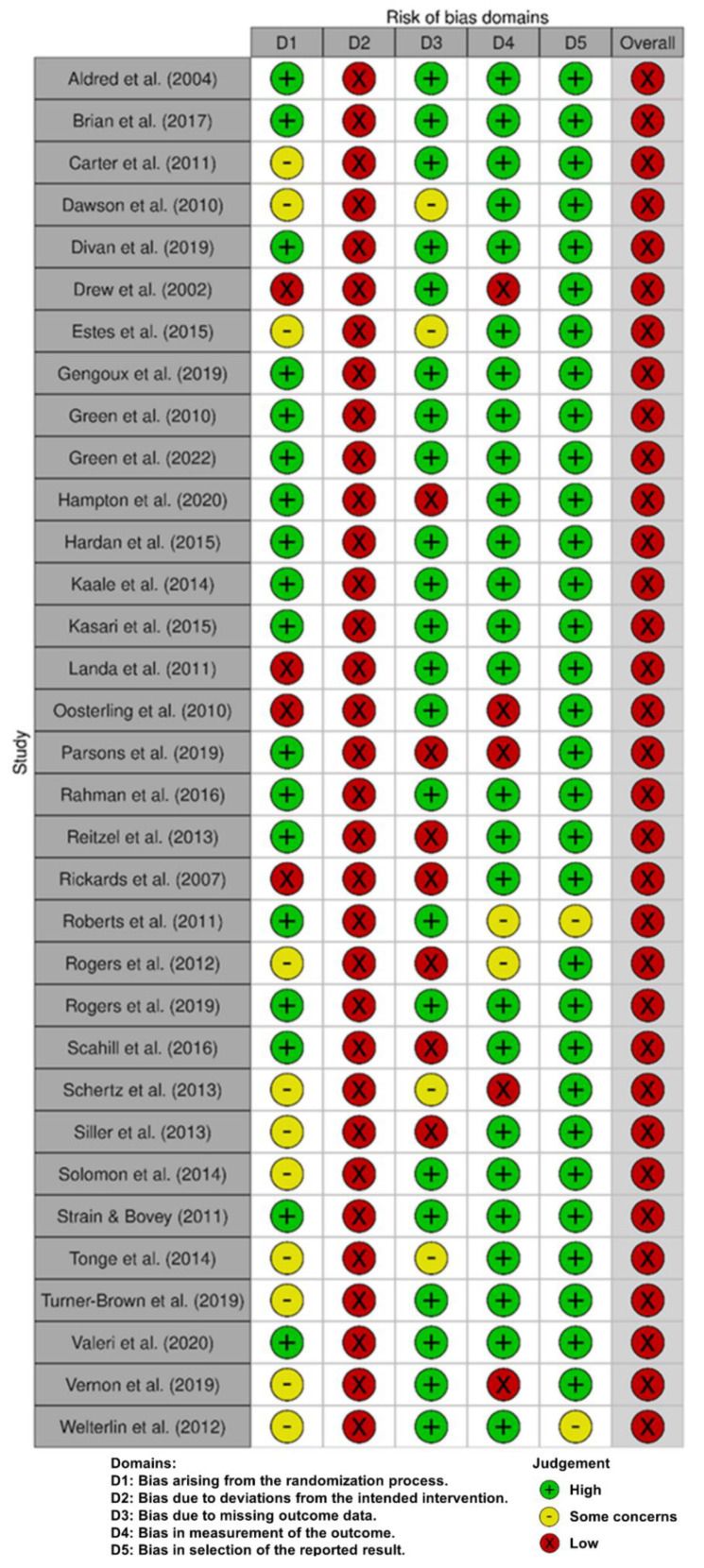
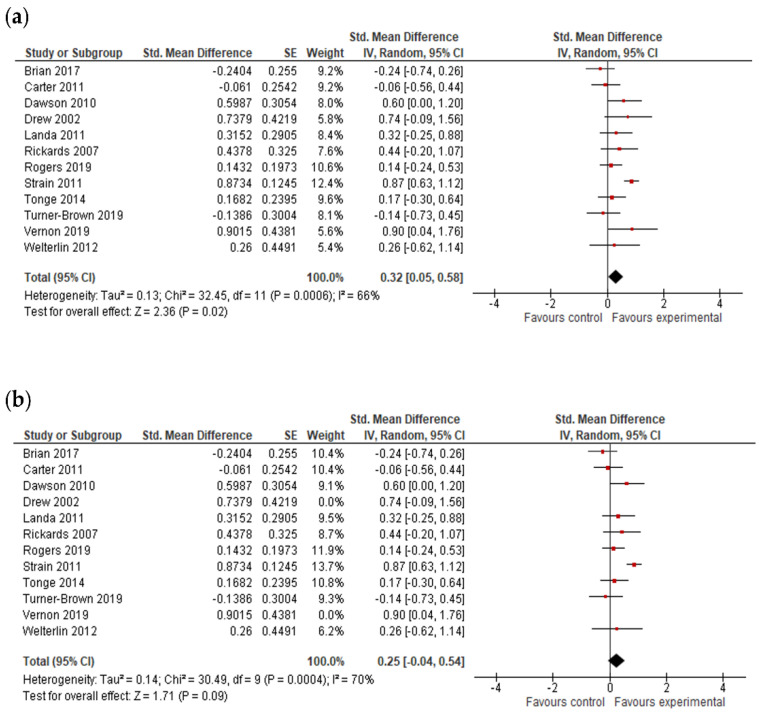
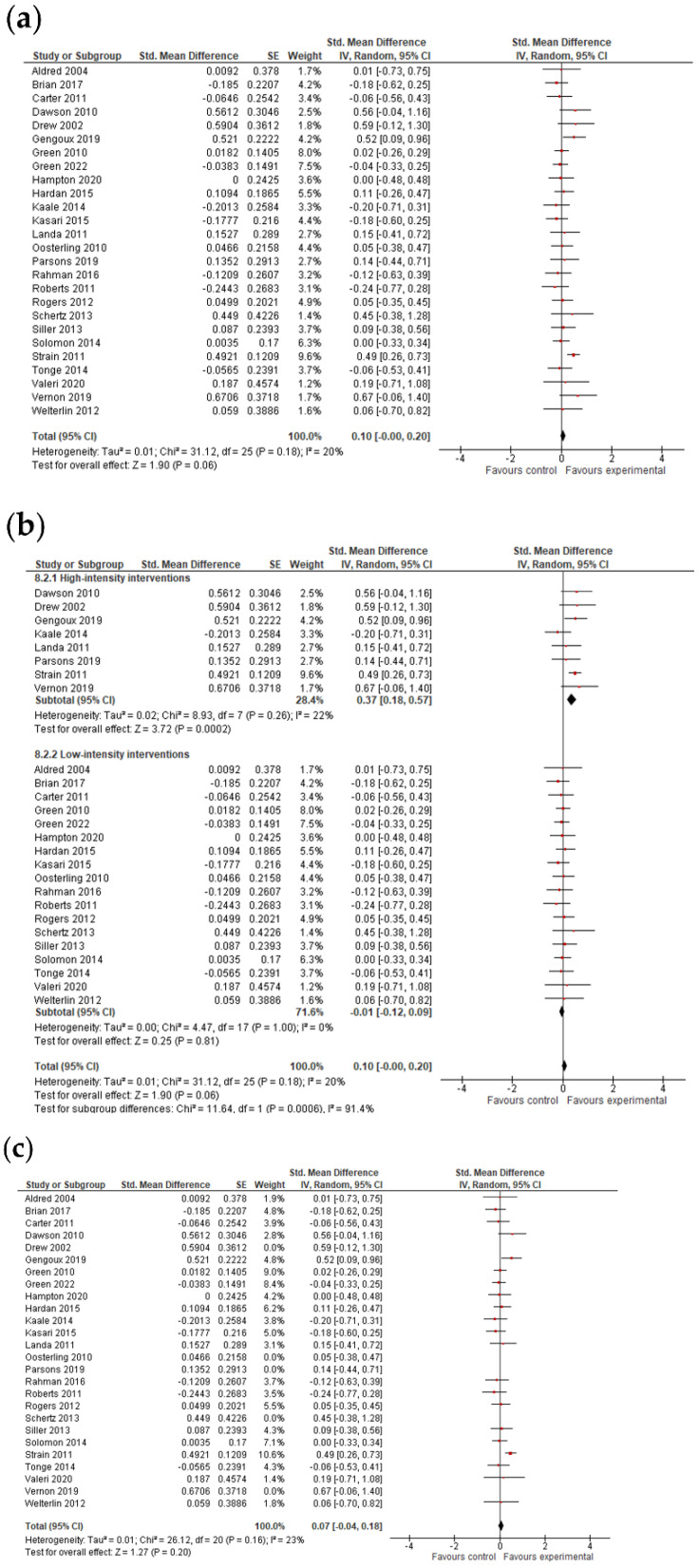
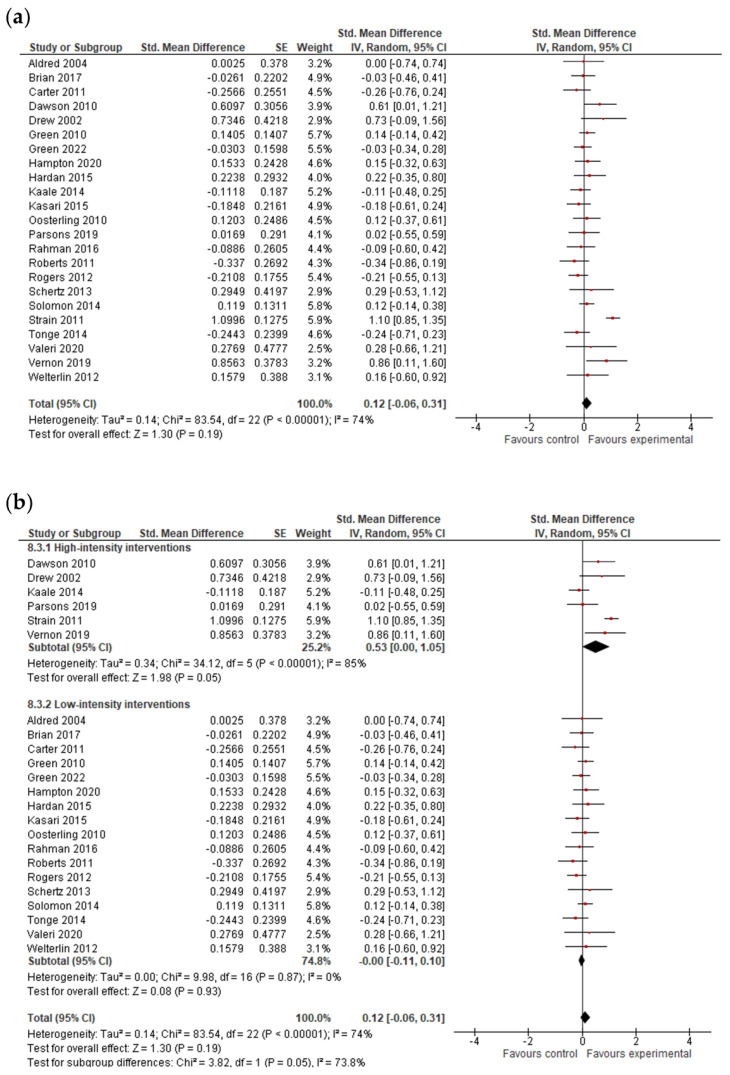
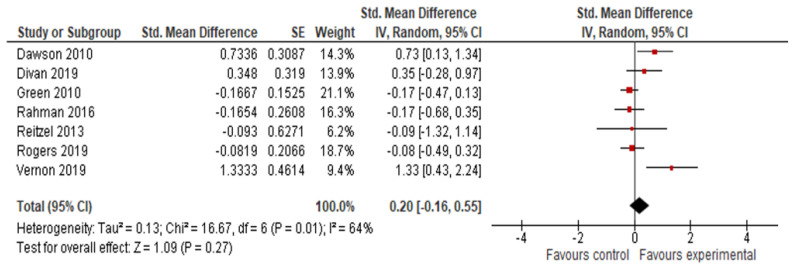
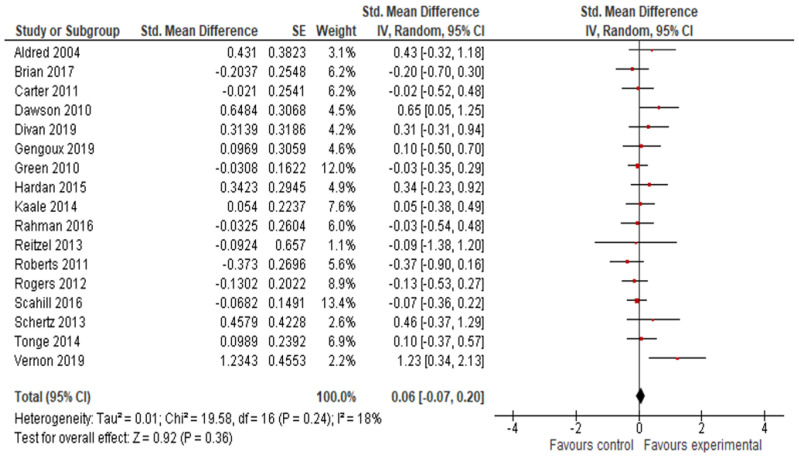
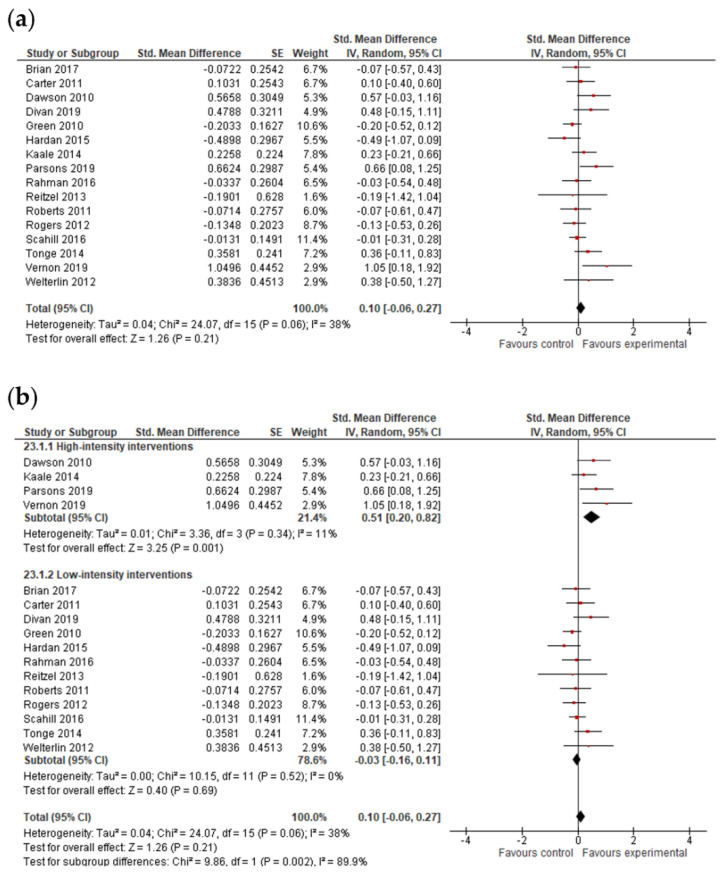
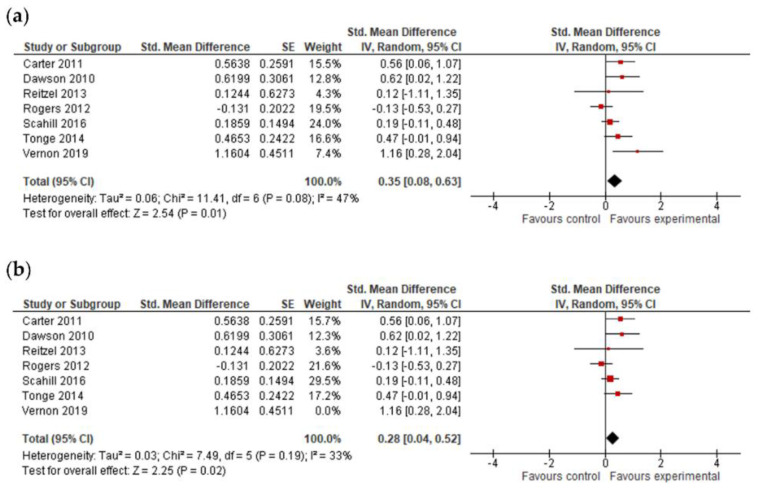
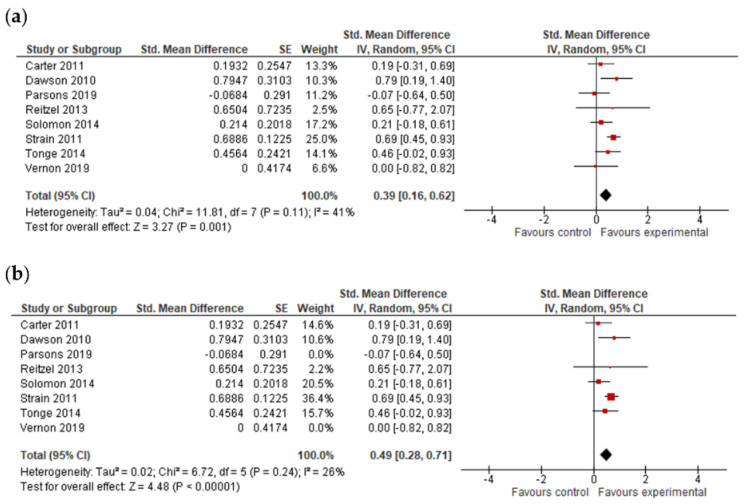
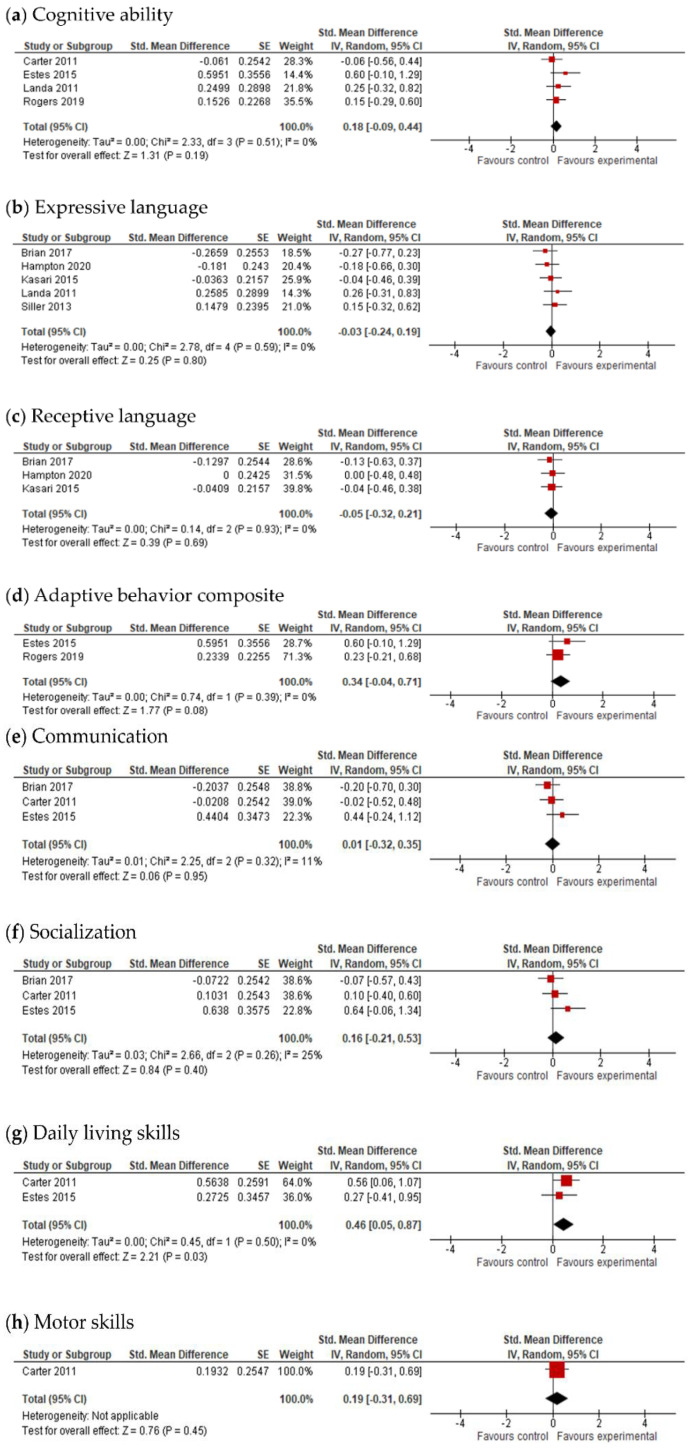
The superiority of early interventions for children with autism spectrum disorders (ASDs) compared to treatment as usual (TAU) has recently been questioned. This study was aimed to investigate the efficacy of early interventions in improving the cognitive ability, language, and adaptive behavior of pre-school children with ASDs through a systematic review of randomized controlled trials (RCTs). In total, 33 RCTs were included in the meta-analysis using the random effects model. The total sample consisted of 2581 children (age range: 12-132 months). Early interventions led to positive outcomes for cognitive ability ( = 0.32; 95% CI: 0.05, 0.58; = 0.02), daily living skills ( = 0.35; 95% CI: 0.08, 0.63; = 0.01), and motor skills ( = 0.39; 95% CI: 0.16, 0.62; = 0.001), while no positive outcomes were found for the remaining variables. However, when studies without the blinding of outcome assessment were excluded, positive outcomes of early interventions only remained for daily living skills ( = 0.28; 95% CI: 0.04, 0.52; = 0.02) and motor skills ( = 0.40; 95% CI: 0.11, 0.69; = 0.007). Although early intervention might not have positive impacts on children with ASDs for several outcomes compared to controls, these results should be interpreted with caution considering the great variability in participant and intervention characteristics.
与常规治疗(TAU)相比,自闭症谱系障碍(ASD)儿童早期干预的优越性最近受到了质疑。本研究旨在通过对随机对照试验(RCT)的系统评价,探讨早期干预对改善ASD学龄前儿童认知能力、语言和适应性行为的疗效。使用随机效应模型进行的荟萃分析共纳入了33项RCT。总样本包括2581名儿童(年龄范围:12 - 132个月)。早期干预在认知能力(效应量 = 0.32;95%置信区间:0.05,0.58;P = 0.02)、日常生活技能(效应量 = 0.35;95%置信区间:0.08,0.63;P = 0.01)和运动技能(效应量 = 0.39;95%置信区间:0.16,0.62;P = 0.001)方面产生了积极结果,而其余变量未发现积极结果。然而,当排除未对结果评估进行盲法处理的研究时,则早期干预的积极结果仅保留在日常生活技能(效应量 = 0.28;95%置信区间:0.04,0.52;P = 0.02)和运动技能(效应量 = 0.40;95%置信区间:0.11,0.69;P = 0.007)方面。尽管与对照组相比,早期干预可能不会对ASD儿童的多个结果产生积极影响,但考虑到参与者和干预特征的巨大变异性,对这些结果的解释应谨慎。