Cai Jiehui, Ji Zeqi, Wu Jinyao, Chen Lingzhi, Zheng Daitian, Chen Yaokun, Zhang Xinkang, Xie Wanchun, Huang Jieying, Chen Manqi, Lin Ru, Lin Weixun, Chen Yexi, Li Zhiyang
Department of Thyroid, Breast and Hernia Surgery, The Second Affiliated Hospital of Shantou University Medical College, Shantou, China.
Front Genet. 2022 Aug 25;13:949314. doi: 10.3389/fgene.2022.949314. eCollection 2022.
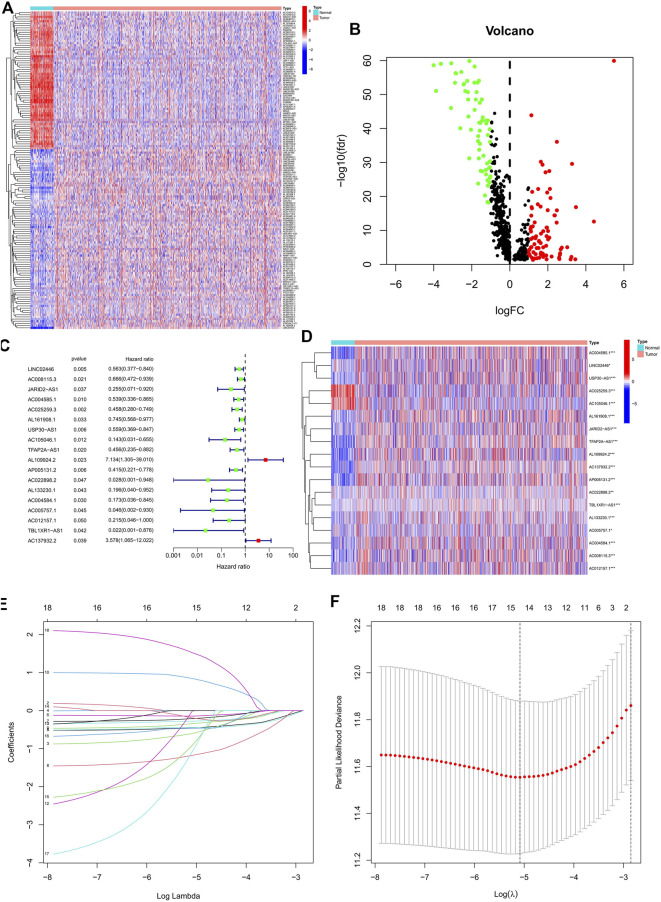
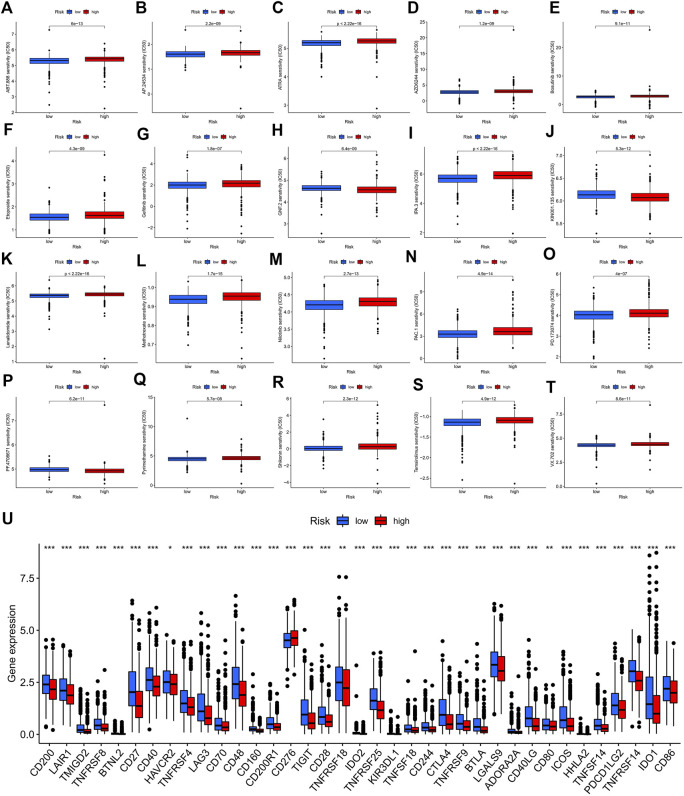
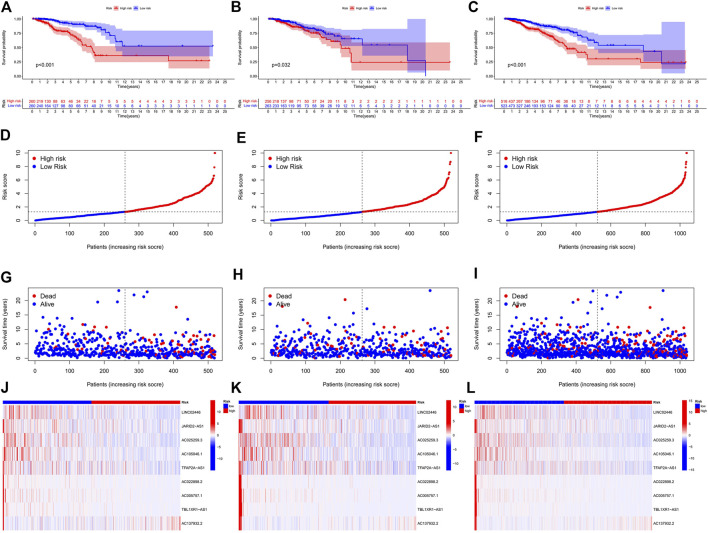
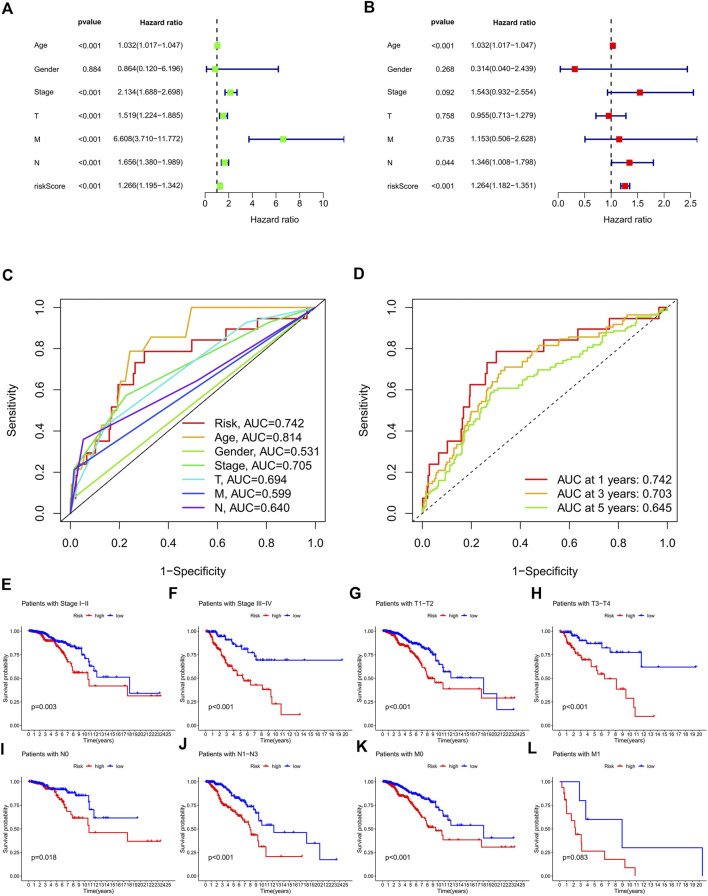
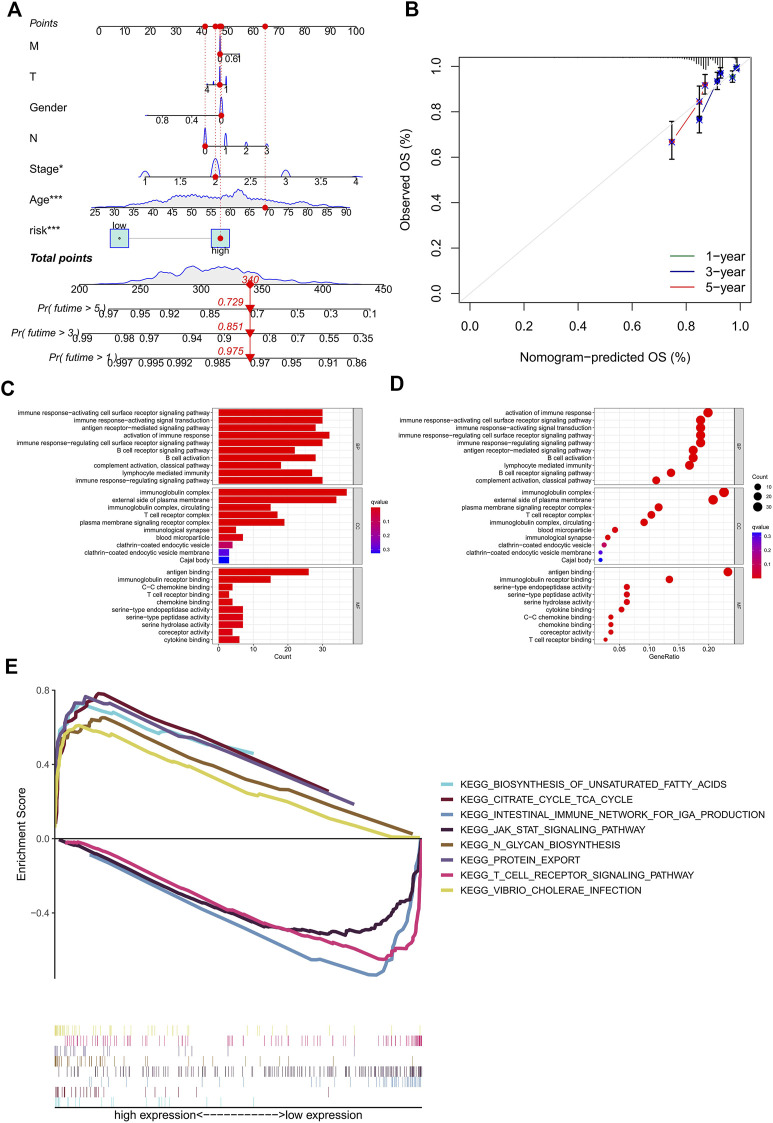
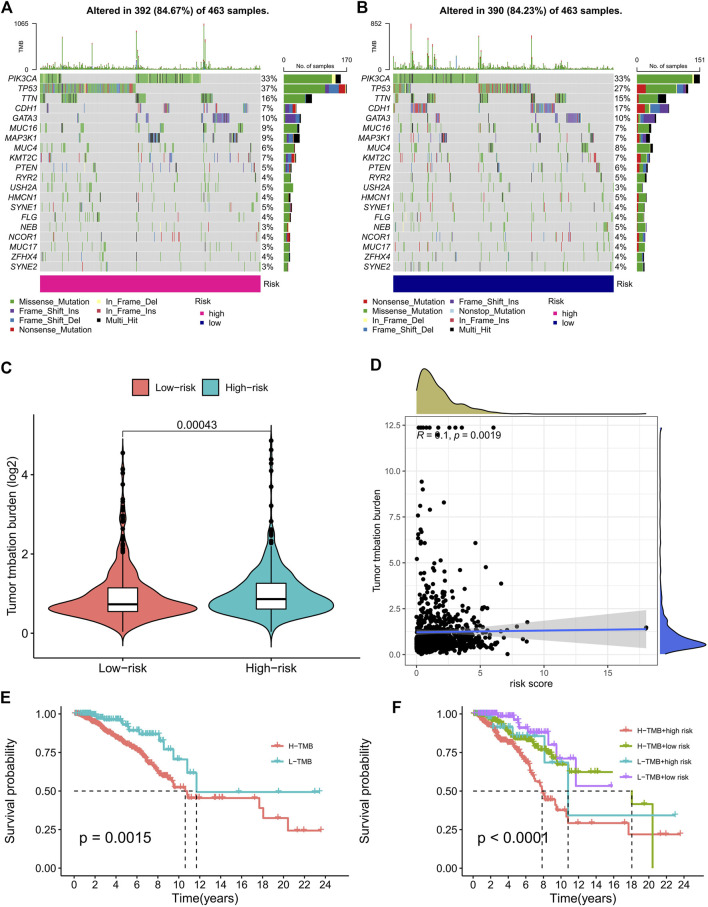
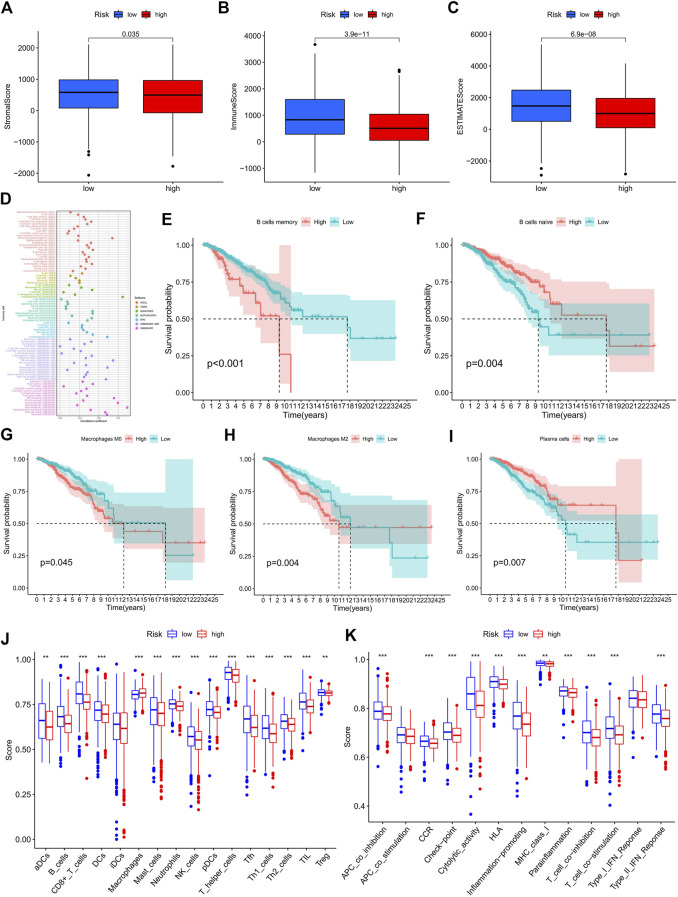
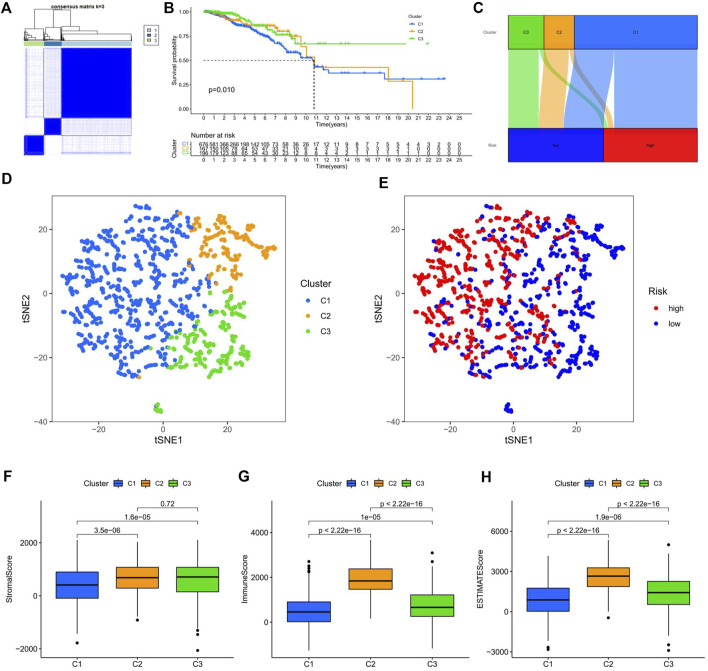
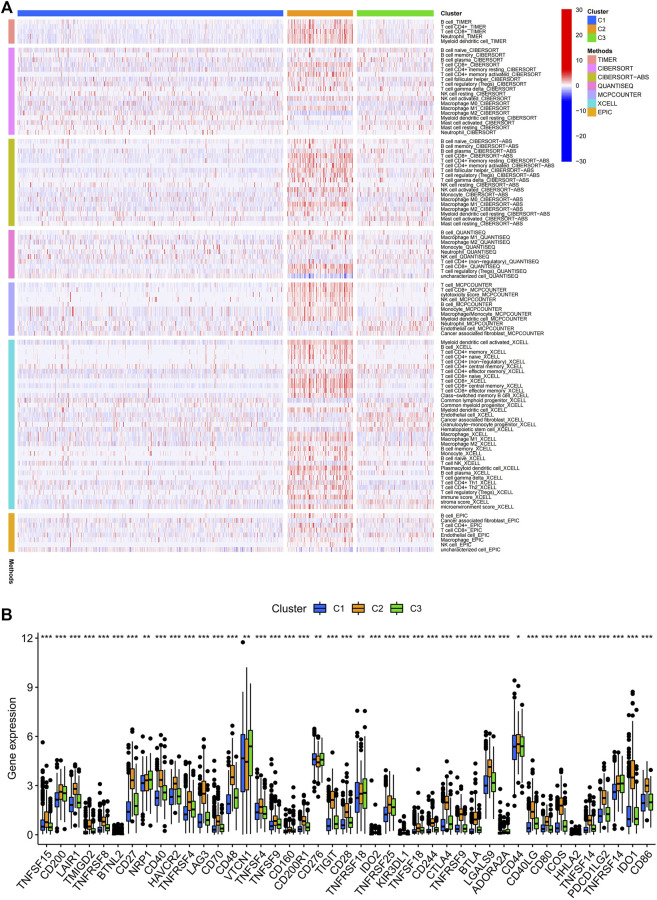
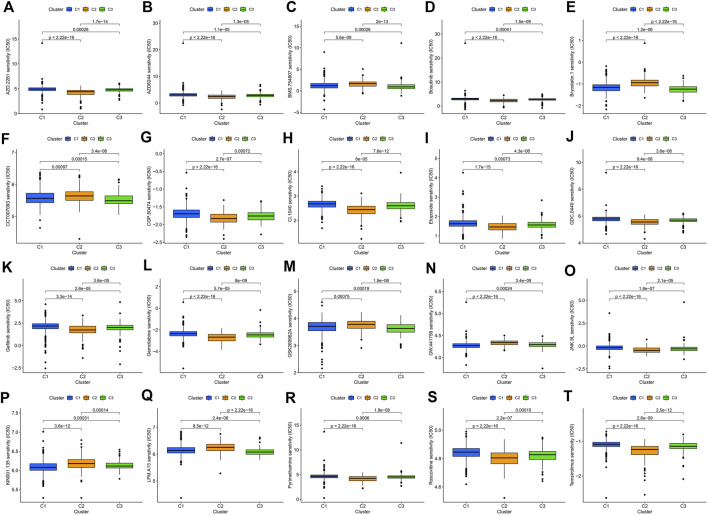
Breast cancer (BC), the most common malignancy in women, has a high cancer-related mortality. Endoplasmic reticulum stress (ERS), a response to the accumulation of unfolded proteins, has emerging roles in tumorigenesis, including invasion, metastasis, immune escape, etc. However, few studies have focused on the correlation between ERS with long non-coding RNAs (lncRNAs) in BC. We attempted to construct an ERS-related lncRNA prognostic signature and study its value in BC from tumor mutational burden (TMB), tumor immune microenvironment (TIME), cluster, clinical treatment, and so on. In the present study, transcriptomic and clinical data of BC patients were extracted from The Cancer Genome Atlas (TCGA) database. Correlation test, Cox regression analysis, least absolute shrinkage, and selection operator (LASSO) method were performed to determine an ERS-related lncRNA prognostic signature. Survival and predictive performance were analyzed according to Kaplan-Meier curves and receiver operating characteristic (ROC) curves, while nomograms and calibration curves were established. Then, an enrichment analysis was performed to study the functions and biological processes of ERS-related lncRNAs. TMB and TIME were also analyzed to assess the mutational status and immune status. Additionally, by using consensus cluster analysis, we compared differences among tumor subtypes. Drug sensitivity analysis and immunologic efficacy evaluations were performed together for further exploration. We identified a novel prognostic signature consisting of 9 ERS-related lncRNAs. High-risk patients had worse prognoses. The signature had a good predictive performance as an independent prognostic indicator and was significantly associated with clinicopathological characteristics. Enrichment analysis showed that metabolic pathways were enriched in high-risk patients, while immune pathways were more active in low-risk patients. Low-risk patients had lower TMB, higher immune scores, and stronger immune functions. Cluster analysis clarified that cluster 2 had the most active immune functions and was sensitive to more drugs, which may have the best clinical immunological efficacy. A clinical efficacy evaluation revealed that patients in the low-risk group may benefit more from chemotherapy, targeted therapy, and immunotherapy. The novel signature has significant clinical implications in prognosis prediction for BC. Our study clarifies that there is a potential connection between the ERS-related lncRNAs and BC, which may provide new treatment guidelines for BC.
乳腺癌(BC)是女性中最常见的恶性肿瘤,其癌症相关死亡率很高。内质网应激(ERS)是对未折叠蛋白积累的一种反应,在肿瘤发生过程中发挥着新出现的作用,包括侵袭、转移、免疫逃逸等。然而,很少有研究关注BC中ERS与长链非编码RNA(lncRNAs)之间的相关性。我们试图构建一个与ERS相关的lncRNA预后特征,并从肿瘤突变负担(TMB)、肿瘤免疫微环境(TIME)、聚类、临床治疗等方面研究其在BC中的价值。在本研究中,从癌症基因组图谱(TCGA)数据库中提取了BC患者的转录组和临床数据。进行相关性检验、Cox回归分析、最小绝对收缩和选择算子(LASSO)方法以确定与ERS相关的lncRNA预后特征。根据Kaplan-Meier曲线和受试者工作特征(ROC)曲线分析生存和预测性能,同时建立列线图和校准曲线。然后,进行富集分析以研究与ERS相关的lncRNAs的功能和生物学过程。还分析了TMB和TIME以评估突变状态和免疫状态。此外,通过使用共识聚类分析,我们比较了肿瘤亚型之间的差异。一起进行药物敏感性分析和免疫疗效评估以进行进一步探索。我们鉴定出一个由9个与ERS相关的lncRNAs组成的新的预后特征。高危患者的预后较差。该特征作为独立的预后指标具有良好的预测性能,并且与临床病理特征显著相关。富集分析表明,代谢途径在高危患者中富集,而免疫途径在低危患者中更活跃。低危患者的TMB较低,免疫评分较高,免疫功能较强。聚类分析表明,聚类2具有最活跃的免疫功能,并且对更多药物敏感,这可能具有最佳的临床免疫疗效。临床疗效评估显示,低危组患者可能从化疗、靶向治疗和免疫治疗中获益更多。这个新的特征在BC的预后预测中具有重要的临床意义。我们的研究阐明了与ERS相关的lncRNAs与BC之间存在潜在联系,这可能为BC提供新的治疗指南。