Menezes Ralciane de Paula, Bessa Meliza Arantes de Souza, Siqueira Camila de Paula, Teixeira Samuel Cota, Ferro Eloisa Amália Vieira, Martins Mário Machado, Cunha Luis Carlos Scalon, Martins Carlos Henrique Gomes
Technical School of Health, Federal University of Uberlândia, Uberlândia 38400-732, MG, Brazil.
Laboratory of Antimicrobial Testing, Federal University of Uberlândia, Uberlândia 38400-732, MG, Brazil.
Antibiotics (Basel). 2022 Aug 26;11(9):1154. doi: 10.3390/antibiotics11091154.
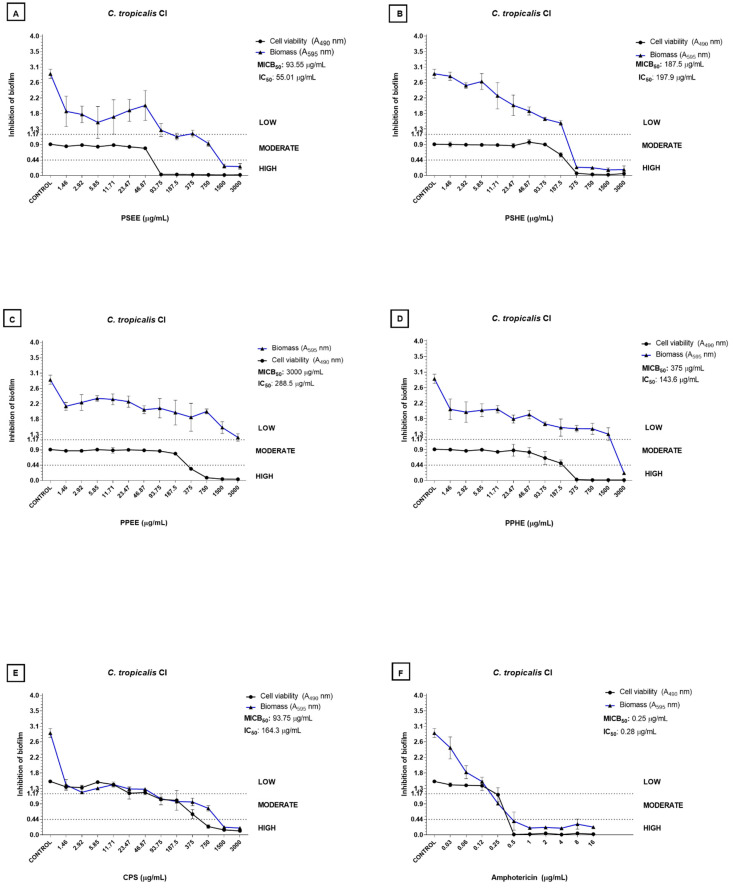
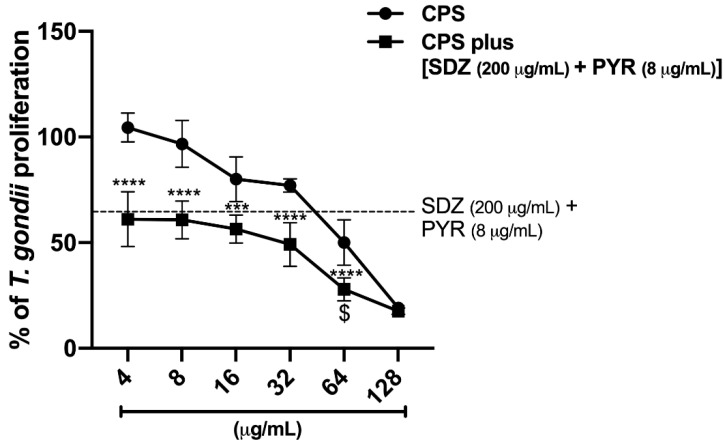
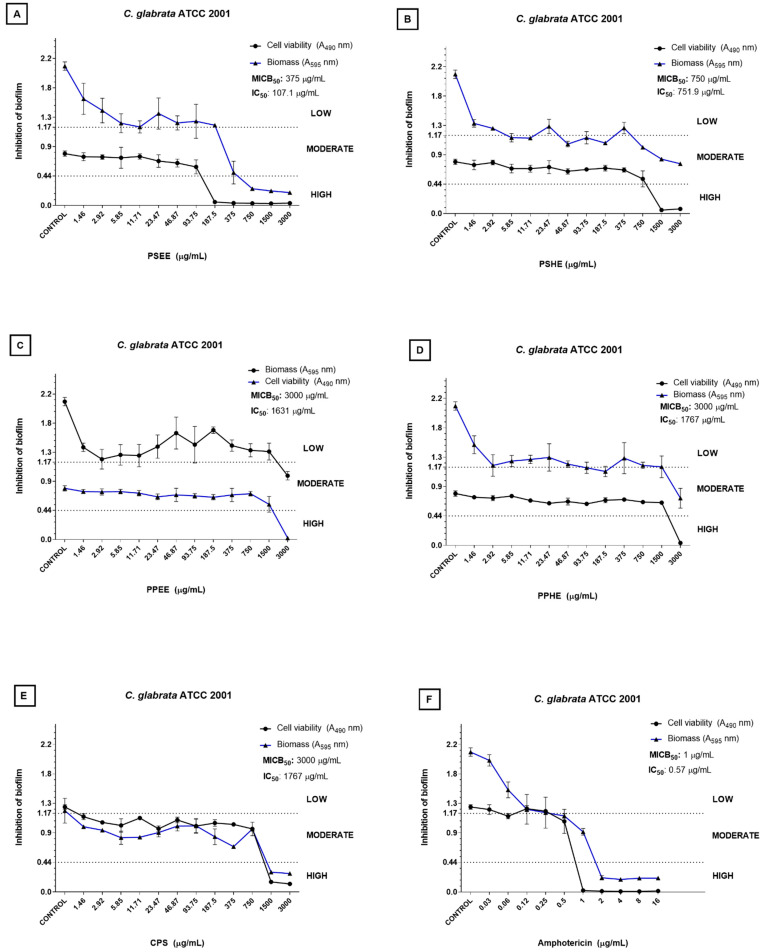
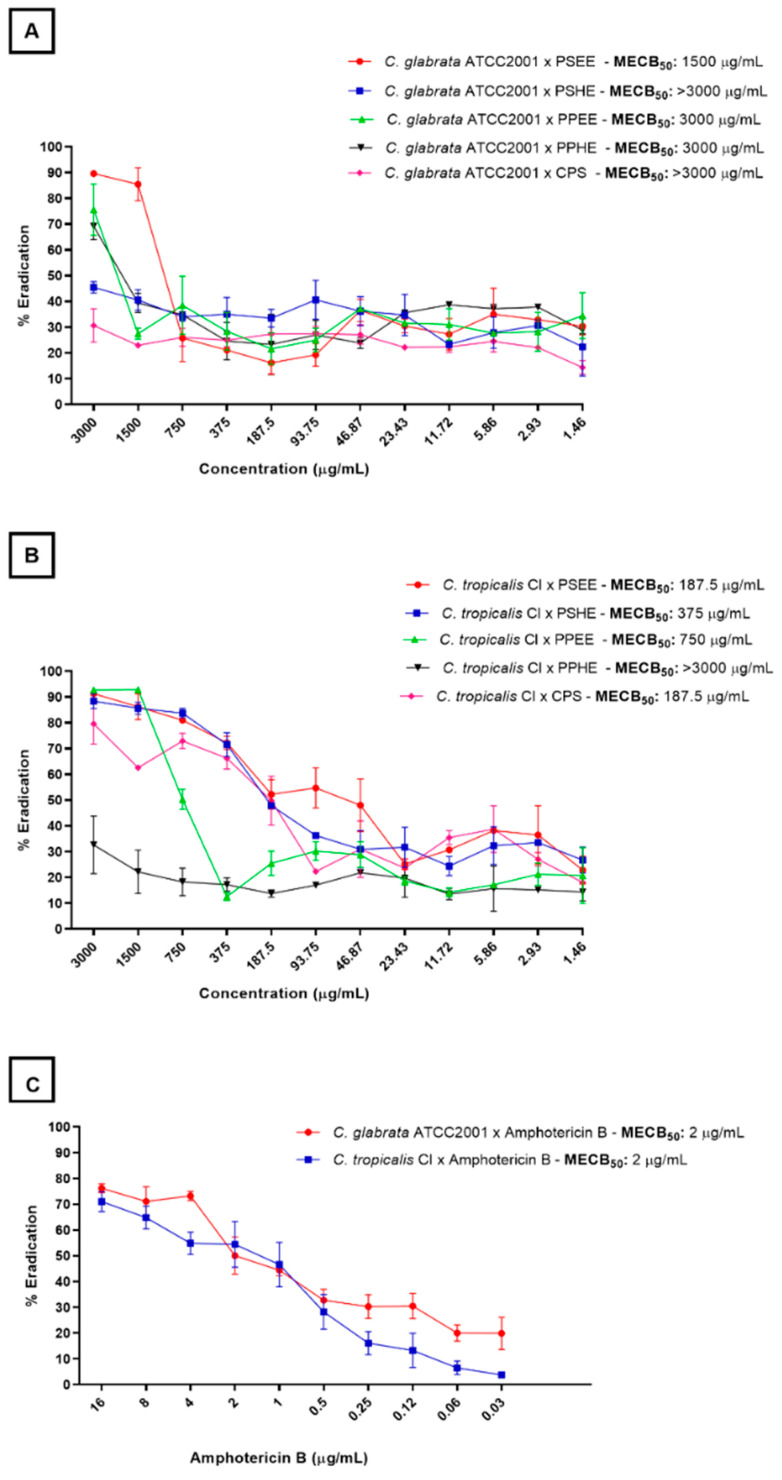
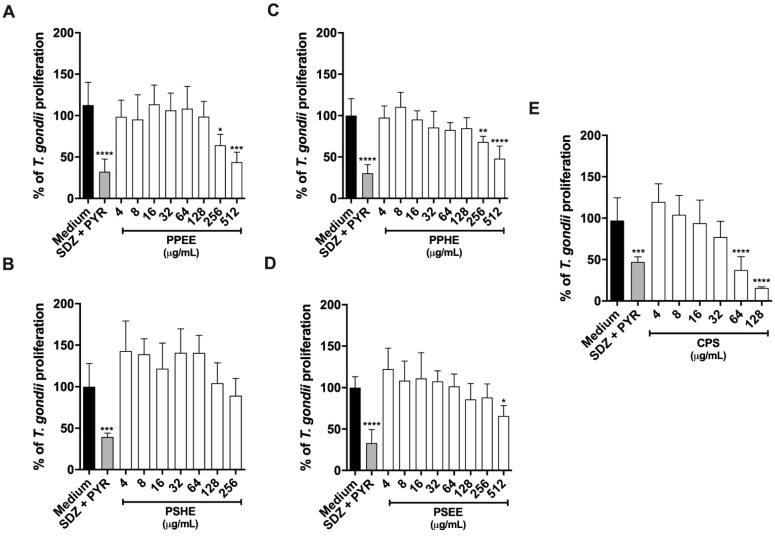
Bacterial, fungal, and parasitic infections increase morbimortality rates and hospital costs. This study aimed to assess the antimicrobial and antiparasitic activities of the crude extract from the seeds and peel of the pepper Jacq. and of the isolated compound capsaicin and to evaluate their ability to inhibit biofilm formation, eradicate biofilm, and reduce hemolysin production by species. The crude ethanolic and hexane extracts were obtained by maceration at room temperature, and their chemical compositions were analyzed by liquid chromatography coupled to mass spectrometry (LC-MS). The antimicrobial activity of the samples was evaluated by determining the minimum inhibitory concentration. Inhibition of biofilm formation and biofilm eradication by the samples were evaluated based on biomass and cell viability. Reduction of spp. hemolytic activity by the samples was determined on sheep blood agar plates. The antiparasitic action of the samples was evaluated by determining their ability to inhibit intracellular proliferation. LC-MS-ESI analyses helped to identify organic and phenolic acids, flavonoids, capsaicinoids, and fatty acids in the ethanolic extracts, as well as capsaicinoids and fatty acids in the hexane extracts. Antifungal action was more evident against and . The samples inhibited biofilm formation and eradicated the biofilm formed by more effectively. Sub-inhibitory concentrations of the samples significantly reduced the and hemolytic activity. The samples only altered host cell viability when tested at higher concentrations; however, at non-toxic concentrations, they reduced growth. In association with gold standard drugs used to treat toxoplasmosis, capsaicin improved their antiparasitic activity. These results are unprecedented and encouraging, indicating the Jacq. peel and seed extracts and capsaicin display antifungal and antiparasitic activities.
细菌、真菌和寄生虫感染会增加发病率和死亡率,并提高医院成本。本研究旨在评估辣椒种子和果皮粗提物以及分离出的化合物辣椒素的抗菌和抗寄生虫活性,并评估它们抑制生物膜形成、消除生物膜以及减少某些物种溶血素产生的能力。通过在室温下浸渍获得粗乙醇提取物和己烷提取物,并通过液相色谱-质谱联用(LC-MS)分析其化学成分。通过测定最低抑菌浓度来评估样品的抗菌活性。基于生物量和细胞活力评估样品对生物膜形成的抑制作用和对生物膜的消除作用。在绵羊血琼脂平板上测定样品对某些物种溶血活性的降低情况。通过测定样品抑制细胞内增殖的能力来评估其抗寄生虫作用。LC-MS-ESI分析有助于鉴定乙醇提取物中的有机酸、酚酸、黄酮类化合物、辣椒素类化合物和脂肪酸,以及己烷提取物中的辣椒素类化合物和脂肪酸。抗真菌作用对某些真菌更为明显。样品能更有效地抑制生物膜形成并消除由某些细菌形成的生物膜。亚抑菌浓度的样品能显著降低某些细菌的溶血活性。样品仅在高浓度测试时才会改变宿主细胞活力;然而,在无毒浓度下,它们能抑制某些寄生虫的生长。与用于治疗弓形虫病的金标准药物联合使用时,辣椒素可提高其抗寄生虫活性。这些结果是前所未有的且令人鼓舞,表明辣椒的果皮和种子提取物以及辣椒素具有抗真菌和抗寄生虫活性。