Haq Amin Ul, Li Jian Ping, Kumar Rajesh, Ali Zafar, Khan Inayat, Uddin M Irfan, Agbley Bless Lord Y
School of Computer Science and Engineering, University of Electronic Science and Technology of China (UESTC), Chengdu, 611731 Sichuan China.
Yangtze Delta Region Institute (Huzhou), University of Electronic Science and Technology of China, Huzhou, 313001 China.
J Ambient Intell Humaniz Comput. 2023;14(5):4695-4706. doi: 10.1007/s12652-022-04373-z. Epub 2022 Sep 15.
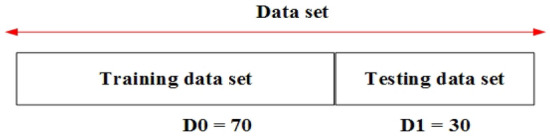
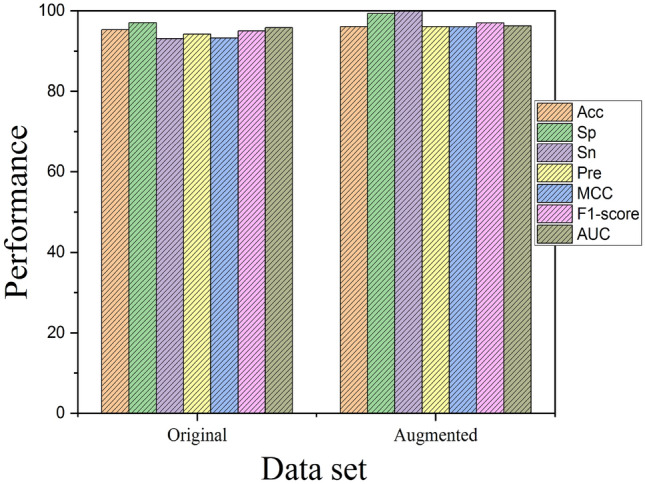
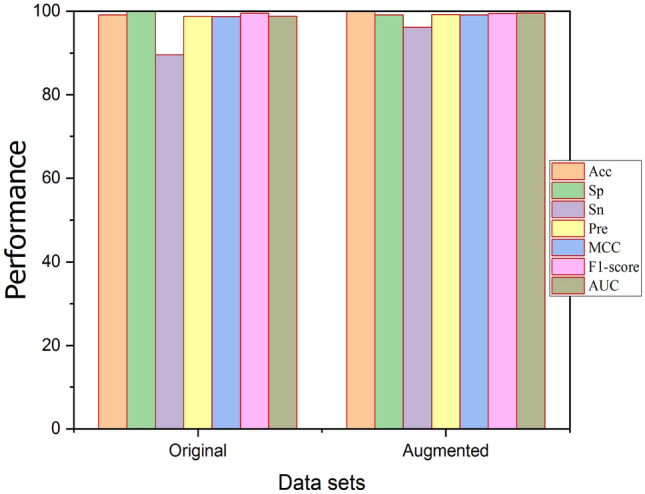
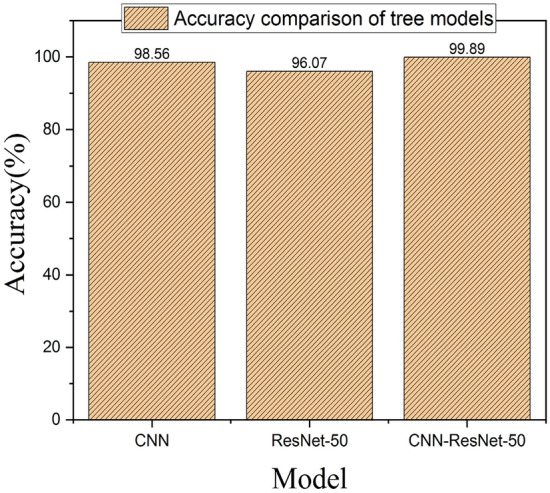
The classification of brain tumors is significantly important for diagnosing and treating brain tumors in IoT healthcare systems. In this work, we have proposed a robust classification model for brain tumors employing deep learning techniques. In the design of the proposed method, an improved Convolutional neural network is used to classify Meningioma, Glioma, and Pituitary types of brain tumors. To test the multi-level convolutional neural network model, brain magnetic resonance image data is utilized. The MCNN model classification results were improved using data augmentation and transfer learning methods. In addition, hold-out and performance evaluation metrics have been employed in the proposed MCNN model. The experimental results show that the proposed model obtained higher outcomes than the state-of-the-art techniques and achieved 99.89% classification accuracy. Due to the higher results of the proposed approach, we recommend it for the identification of brain cancer in IoT-healthcare systems.
脑肿瘤的分类对于物联网医疗系统中脑肿瘤的诊断和治疗极为重要。在这项工作中,我们提出了一种采用深度学习技术的强大脑肿瘤分类模型。在所提出方法的设计中,改进的卷积神经网络用于对脑膜瘤、神经胶质瘤和垂体瘤类型的脑肿瘤进行分类。为了测试多级卷积神经网络模型,使用了脑磁共振图像数据。通过数据增强和迁移学习方法提高了MCNN模型的分类结果。此外,在所提出的MCNN模型中采用了留出法和性能评估指标。实验结果表明,所提出的模型比现有技术取得了更高的成果,分类准确率达到了99.89%。由于所提方法取得了更高的结果,我们推荐将其用于物联网医疗系统中的脑癌识别。